

 Предпросмотр
 Поделиться
 Поделиться
 Детали произведения

 Скачать
 Похожие работы
 Рентгенография
 Слайд-шоу
 Статистика
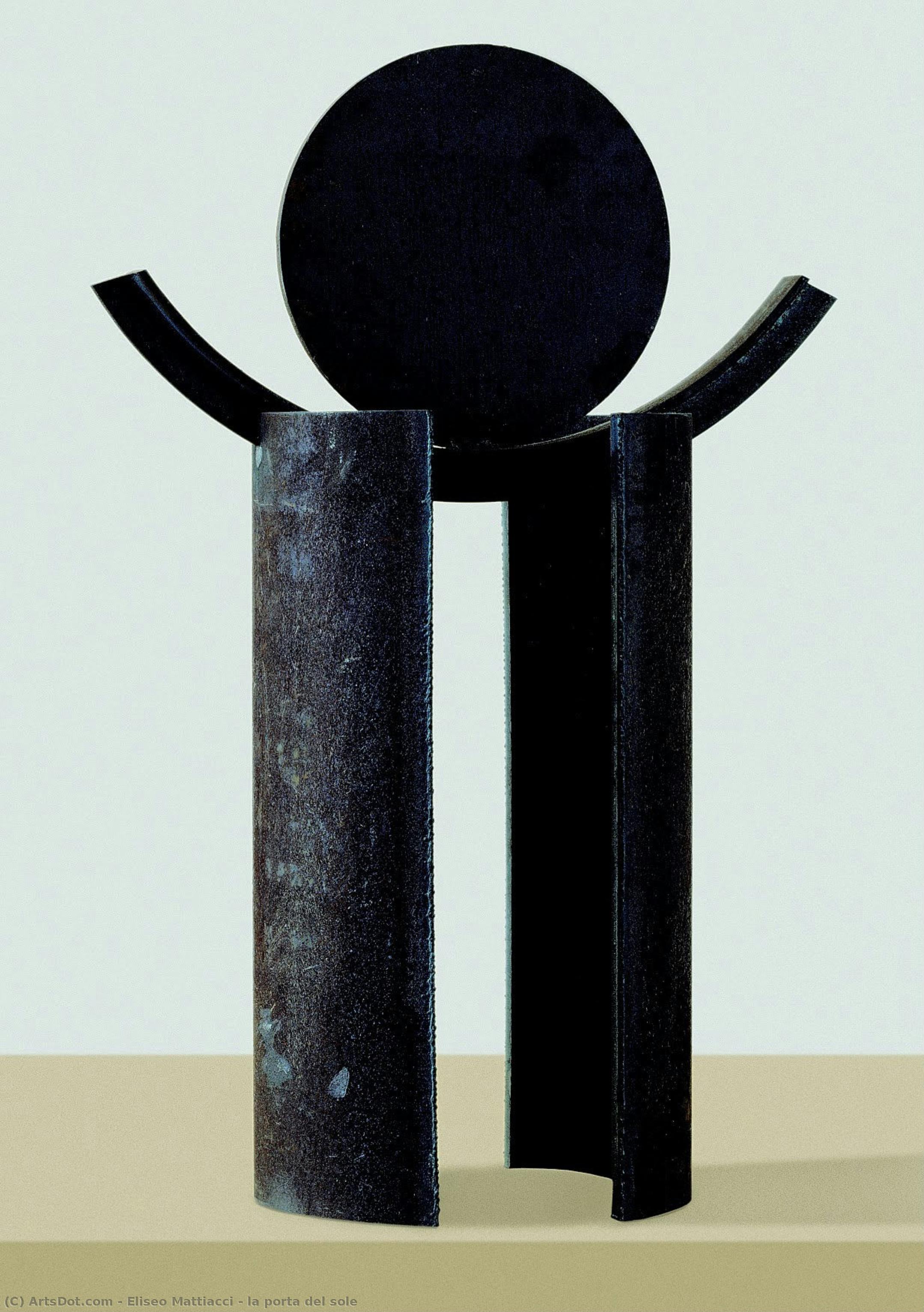
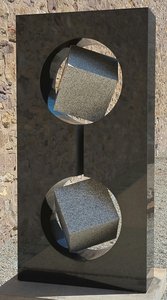
la porta del sole
 35.0 x 51.0 cm
 CAMUSAC Cassino Museum of Contemporary Art
 Читать далее
Приобретите цифровое изображение высокого разрешения в улучшенном качестве, которое значительно превосходит онлайн-превью.
Каждый файл тщательно подготавливается нашими специалистами с использованием передовых инструментов и экспертной ручной ретуши. Мы гарантируем исключительную четкость, точную цветопередачу и детальную проработку каждого изображения.
Финальный файл доставляется по электронной почте в течение 72 часов и оптимизирован для немедленного использования в профессиональной среде, при верстке и печати. Это тот же уровень качества, которому доверяют ведущие дизайнерские студии, издательства и галереи.
Цифровое изображение
Скачайте файл высокого разрешения для личного использования, печати и творческих проектов. ( Перейти к печати Купить картину ручной работы)
Включено в каждый заказ цифровых изображений
Гарантия экспертной цифровой доставки
Выбирая ArtsDot.com, вы получаете не просто изображение — вы приобретаете профессионально обработанное цифровое произведение искусства, созданное с безупречной точностью и под защитой гарантии качества. Вот всё, что автоматически входит в ваш заказ:

Мгновенная доставка по e-mail
Ваш цифровой файл в высоком разрешении будет отправлен вам по электронной почте в течение 72 часов после оформления заказа — и сразу станет доступен для использования.

Цифровой файл с ИИ-улучшением
Ваше произведение искусства проходит профессиональную оптимизацию с использованием передовых инструментов ИИ и ручной обработки, что гарантирует максимальную детализацию, четкость и точность цветопередачи.

Бессрочная бесплатная повторная доставка
Случайно удалили или потеряли файл? Не беспокойтесь — мы отправим его вам повторно в любое время и совершенно бесплатно.

Без импортных пошлин — навсегда
Наслаждайтесь вашим произведением искусства мгновенно без таможенных пошлин, сборов или затрат на доставку — цифровые загрузки всегда не облагаются налогом.

Гарантия точности цветопередачи
Мы гарантируем, что ваше цифровое изображение максимально точно передает оригинальные цвета благодаря использованию профессиональных инструментов и систем управления цветом.

Гарантия удовлетворенности 100 дней
Если вы не будете удовлетворены своим цифровым изображением, мы внесем правки или вернем 100% стоимости в течение 100 дней — без лишних вопросов.

100% Гарантия возврата средств
Не удовлетворены покупкой? Получите полный возврат средств в течение 100 дней после получения цифрового файла — без лишних вопросов.

Скидки на оптовые заказы
Купите 3 изображения, сэкономьте 10% — Купите 5, сэкономьте 15% — Купите 10+, сэкономьте 20%. Отличное решение для творческих проектов, галерей и агентств.
Похожие произведения





Биография художника
Paul Klee: A Life Painted in Fragments – Navigating War and Wonder
The year 1940 marked a pivotal, yet tragically brief, chapter in the life of Paul Klee, a Swiss-born German artist whose work resonated with both profound emotional depth and an almost childlike sense of wonder. Born on December 18, 1879, in Bern, Switzerland, Klee’s artistic journey was one of constant experimentation, fueled by a restless intellect and a deep engagement with the world around him. His career unfolded against the backdrop of Europe's escalating turmoil – the rise of Nazism, the looming shadow of World War II, and the displacement of countless artists and intellectuals. This period wasn’t merely a setting for his art; it fundamentally shaped its character, imbuing it with an undercurrent of melancholy, resilience, and a poignant awareness of human fragility.
Klee's early artistic development was heavily influenced by his father, Felix Klee, a financially successful but emotionally distant businessman. Despite this lack of direct encouragement, Paul’s innate talent blossomed through self-study and informal instruction. He initially pursued architecture at the School of Architecture in Munich, but quickly abandoned it for art, enrolling at the Kunstakademie Düsseldorf under the guidance of Dürrenmatt. It was here that he encountered the burgeoning Expressionist movement, absorbing its emphasis on subjective experience and emotional intensity. However, Klee’s style soon diverged from the overtly dramatic tendencies of many Expressionists, developing a more nuanced and introspective approach.
A crucial turning point in Klee's career arrived with his encounter with Wassily Kandinsky in Munich in 1912. Kandinsky, a pioneer of abstract art, profoundly impacted Klee’s artistic thinking, encouraging him to explore the expressive potential of color and form independent of representational imagery. This collaboration led to a period of intense experimentation, marked by the development of his distinctive “drawing lessons,” a series of instructional texts that sought to unlock the creative potential within everyone. These lessons, characterized by whimsical diagrams and playful exercises, reveal Klee’s belief in art as a means of personal transformation and spiritual exploration. The Bauhaus school in Germany further solidified this approach, where he taught alongside Kandinsky, fostering an environment of radical experimentation and interdisciplinary collaboration.
The Shadow of War: 1940 and Beyond
1940 proved to be a particularly challenging year for Klee. The rise of the Nazi regime in Germany forced him to flee his homeland, ultimately settling in Switzerland. This period was marked by increasing anxiety and uncertainty, as he witnessed firsthand the devastating consequences of political extremism. Despite these circumstances, Klee continued to work prolifically, producing some of his most poignant and evocative works. His paintings from this time often reflect a sense of displacement, loneliness, and a deep awareness of mortality – themes that would become recurring motifs in his oeuvre.
The war years brought further upheaval. In 1940, Klee was diagnosed with terminal tuberculosis, a condition he had battled intermittently throughout his life. He spent the final years of his life in Muralia, a sanatorium near Chur, Switzerland, where he continued to paint, albeit with increasing difficulty. His work during this time is characterized by a heightened sense of fragility and vulnerability, as if reflecting his own precarious physical state. The colors become muted, the forms more fragmented, and the overall mood imbued with a profound melancholy.
Despite his declining health, Klee remained remarkably productive, creating works that are considered among the most powerful and moving in his entire body of work. His final paintings – including “The Great Turtle” (1940) and “Angelus with Skull” (1940) – are imbued with a haunting beauty and a sense of impending doom. These pieces, created during his last months, stand as testaments to the artist’s unwavering commitment to his craft in the face of overwhelming adversity.
A Legacy of Innovation
Paul Klee's artistic legacy is vast and multifaceted. He was a pioneer of abstract art, but his work transcends simple categorization. His innovative use of color, line, and form—often combined with playful symbolism and musical rhythms—established him as one of the most influential artists of the 20th century. His exploration of childlike imagery, dreamlike landscapes, and personal mythology continues to resonate with audiences today.
Klee’s influence extends far beyond his own artistic creations. His “drawing lessons” remain a valuable resource for aspiring artists, offering insights into the creative process and encouraging experimentation. Furthermore, his work has been widely interpreted through psychoanalytic lenses, revealing its complex relationship to themes of identity, trauma, and the unconscious. His art is not merely decorative; it’s an invitation to engage with profound questions about human existence.
Key Works & Continuing Influence
Among Klee's most celebrated works are “Twittering Machine” (1928-30), a complex and mesmerizing composition that combines elements of collage, drawing, and painting; “The Great Turtle” (1940), a poignant depiction of a solitary figure amidst a desolate landscape; and “Angelus with Skull” (1940), a haunting image that captures the artist’s own sense of mortality. His series *Camouflage* (1939-42) is also notable, exploring themes of concealment and perception.
Klee's work continues to be exhibited worldwide and studied by art historians and critics. He remains a vital figure in the canon of modern art, inspiring generations of artists with his innovative spirit, emotional depth, and unwavering commitment to artistic exploration. His legacy is not just one of aesthetic achievement but also of resilience, creativity, and the enduring power of art to illuminate the human condition.
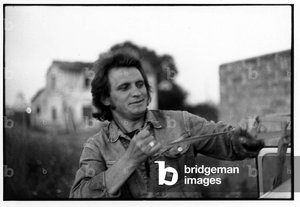
eliseo mattiacci
1940 - 2019 , Italy
Основные сведения
- Artistic Movement Or Style: Expressionism, Cubism, Surrealism
- Artists Or Movements Influenced By This Artist: ['Bauhaus']
- Artists Who Influenced This Artist:
- Kandinsky
- Mondrian
- Date Of Birth: 1879-12-18
- Date Of Death: 1940-06-29
- Full Name: Paul Klee
- Nationality: Swiss/German
- Notable Artworks:
- Ships in the Dark
- Twittering Machine
- The Great Family
- Place Of Birth: Bern, Switzerland