

 Предпросмотр
 Поделиться
 Поделиться
 Детали произведения

 Скачать
 Похожие работы
 Рентгенография
 Слайд-шоу
 Статистика
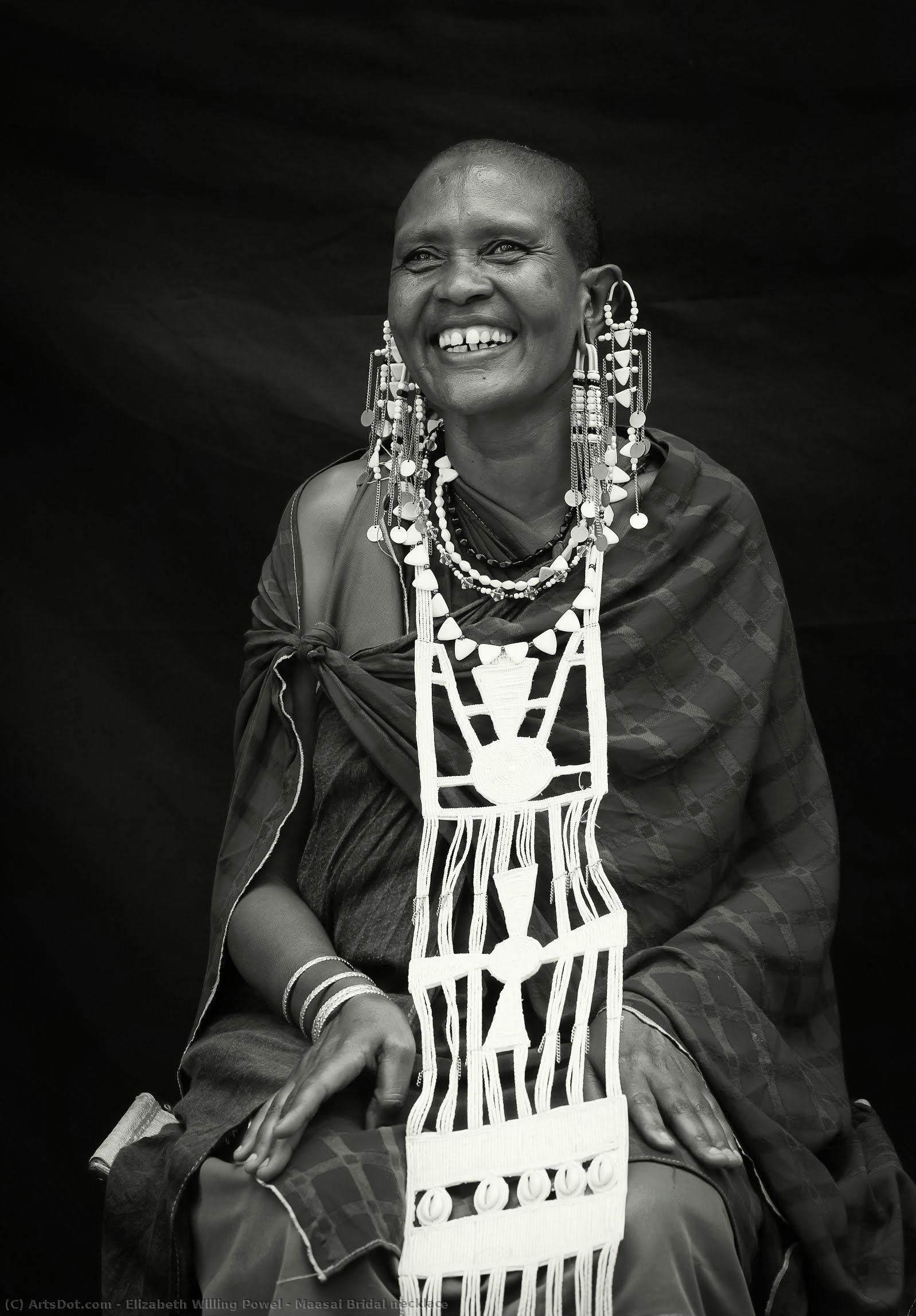
Maasai Bridal necklace


 Читать далее
Приобретите цифровое изображение высокого разрешения в улучшенном качестве, которое значительно превосходит онлайн-превью.
Каждый файл тщательно подготавливается нашими специалистами с использованием передовых инструментов и экспертной ручной ретуши. Мы гарантируем исключительную четкость, точную цветопередачу и детальную проработку каждого изображения.
Финальный файл доставляется по электронной почте в течение 72 часов и оптимизирован для немедленного использования в профессиональной среде, при верстке и печати. Это тот же уровень качества, которому доверяют ведущие дизайнерские студии, издательства и галереи.
Цифровое изображение
Скачайте файл высокого разрешения для личного использования, печати и творческих проектов. ( Перейти к печати Купить картину ручной работы)
Включено в каждый заказ цифровых изображений
Гарантия экспертной цифровой доставки
Выбирая ArtsDot.com, вы получаете не просто изображение — вы приобретаете профессионально обработанное цифровое произведение искусства, созданное с безупречной точностью и под защитой гарантии качества. Вот всё, что автоматически входит в ваш заказ:

Мгновенная доставка по e-mail
Ваш цифровой файл в высоком разрешении будет отправлен вам по электронной почте в течение 72 часов после оформления заказа — и сразу станет доступен для использования.

Цифровой файл с ИИ-улучшением
Ваше произведение искусства проходит профессиональную оптимизацию с использованием передовых инструментов ИИ и ручной обработки, что гарантирует максимальную детализацию, четкость и точность цветопередачи.

Бессрочная бесплатная повторная доставка
Случайно удалили или потеряли файл? Не беспокойтесь — мы отправим его вам повторно в любое время и совершенно бесплатно.

Без импортных пошлин — навсегда
Наслаждайтесь вашим произведением искусства мгновенно без таможенных пошлин, сборов или затрат на доставку — цифровые загрузки всегда не облагаются налогом.

Гарантия точности цветопередачи
Мы гарантируем, что ваше цифровое изображение максимально точно передает оригинальные цвета благодаря использованию профессиональных инструментов и систем управления цветом.

Гарантия удовлетворенности 100 дней
Если вы не будете удовлетворены своим цифровым изображением, мы внесем правки или вернем 100% стоимости в течение 100 дней — без лишних вопросов.

100% Гарантия возврата средств
Не удовлетворены покупкой? Получите полный возврат средств в течение 100 дней после получения цифрового файла — без лишних вопросов.

Скидки на оптовые заказы
Купите 3 изображения, сэкономьте 10% — Купите 5, сэкономьте 15% — Купите 10+, сэкономьте 20%. Отличное решение для творческих проектов, галерей и агентств.
Похожие произведения










Биография художника
Elizabeth Willing Powel: A Philadelphia Patroness and Pioneer of Feminist Thought
Elizabeth Willing Powel (1743-1830) stands as a remarkable figure in the annals of American history—not merely for her social standing within Philadelphia’s elite, but for her unwavering advocacy of women's rights and education during a pivotal era. Born into a wealthy merchant family on February 21st, 1743, Elizabeth’s life unfolded against the backdrop of colonial America’s burgeoning independence movement, shaping her legacy as one of its most influential voices.- Early Life & Family: Elizabeth descended from prominent Quaker families known for their mercantile success. Her father, Charles Willing, served as mayor twice, demonstrating his family's influence in civic affairs. She had five elder siblings and five younger ones, fostering a familial environment that prioritized education and intellectual pursuits. Notably, her brother Thomas would later become Philadelphia’s mayor—a testament to the Willing family’s commitment to leadership and social responsibility.
- Marriage & Domestic Life: Elizabeth married Samuel Powel in 1769, uniting two of Philadelphia's wealthiest families. Their union solidified their position within society and provided Samuel with considerable resources for business ventures. Together they raised a nephew, John Hare Powel, establishing a home on Chestnut Street near Independence Hall—a location that would become synonymous with the intellectual ferment of the time.
The Salonnière & Intellectual Engagement
Elizabeth Willing Powel’s true significance resided in her role as a salonnière – a hostess who cultivated gatherings frequented by prominent thinkers and politicians. Her home became a crucible for debate concerning matters of state, philosophy, and the burgeoning movement for women's emancipation. Unlike many women of her era confined to domestic roles, Elizabeth actively participated in public discourse, challenging conventional notions of femininity and advocating for greater access to education—a stance that foreshadowed the feminist ideals of later generations. Her correspondence with luminaries like George Washington and Benjamin Franklin exemplifies this engagement, demonstrating her ability to persuade influential figures on matters of importance.- Correspondence & Influence: Elizabeth’s letters reveal a keen intellect and a desire for reasoned discussion. Perhaps most famously, she posed a provocative question to Franklin— “What have we got, a republic or a monarchy?”—a query that encapsulated the anxieties surrounding the Constitution's ratification process and underscored her commitment to republican principles.
- The Powel House & Intellectual Hub: The Powel House served as a focal point for Philadelphia’s intellectual life during the Republican Court era. It hosted gatherings attended by writers, artists, and statesmen—creating an environment conducive to fostering new ideas and challenging established orthodoxies.
Artistic Patronage & Ethnographic Studies
Elizabeth Willing Powel wasn't simply a social figure; she was also an artistically inclined woman who actively supported the arts and championed cultural understanding. Her fascination with ethnographic studies—particularly her interest in Maasai culture—manifested in her commissioning of artwork depicting scenes from Africa, reflecting a broader humanist impulse prevalent during the Enlightenment. She recognized the importance of documenting diverse cultures and promoting empathy across geographical boundaries. The resulting paintings offer valuable insights into the artistic tastes and intellectual curiosity of her time.- Maasai Art Collection: Powel’s dedication to Maasai culture resulted in a significant art collection—a testament to her appreciation for visual representation and cultural diversity.
- Symbolism & Representation: Her choice of subjects and artistic style speaks volumes about the values she held dear—values rooted in reason, observation, and an openness to unfamiliar perspectives.
Legacy & Historical Significance
Elizabeth Willing Powel’s influence extended far beyond her immediate social circle. She served as a catalyst for intellectual debate and championed the cause of women's rights—laying groundwork for future generations of feminists. Her unwavering conviction in republican ideals, embodied in her memorable exchange with Franklin, continues to resonate today. Furthermore, the Powel House itself stands as a tangible reminder of Philadelphia’s vibrant cultural landscape during the founding era—a museum dedicated to preserving its architectural heritage and showcasing its artistic treasures. Elizabeth Willing Powel remains an enduring symbol of intellectual curiosity, social activism, and the pursuit of knowledge—a woman who dared to challenge convention and shape the course of American history.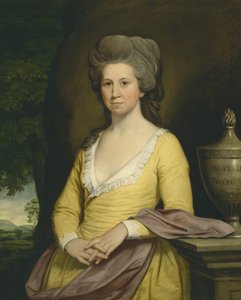
elizabeth willing powel
1743 - 1830 , United States of America
Основные сведения
- Artistic Movement Or Style: Portraiture
- Artists Or Movements Influenced By This Artist: ['Republican Court']
- Artists Who Influenced This Artist:
- George Washington
- Benjamin Franklin
- Date Of Birth: February 21, 1743
- Date Of Death: January 17, 1830
- Full Name: Elizabeth Willing Powel
- Nationality: American
- Notable Artworks:
- Maasai Bridal necklace
- White, a favourite of Tanzanian Maasai
- Place Of Birth: Philadelphia, United States