

 Предпросмотр
 Поделиться
 Поделиться
 Детали произведения

 Скачать
 Похожие работы
 Рентгенография
 Слайд-шоу
 Статистика
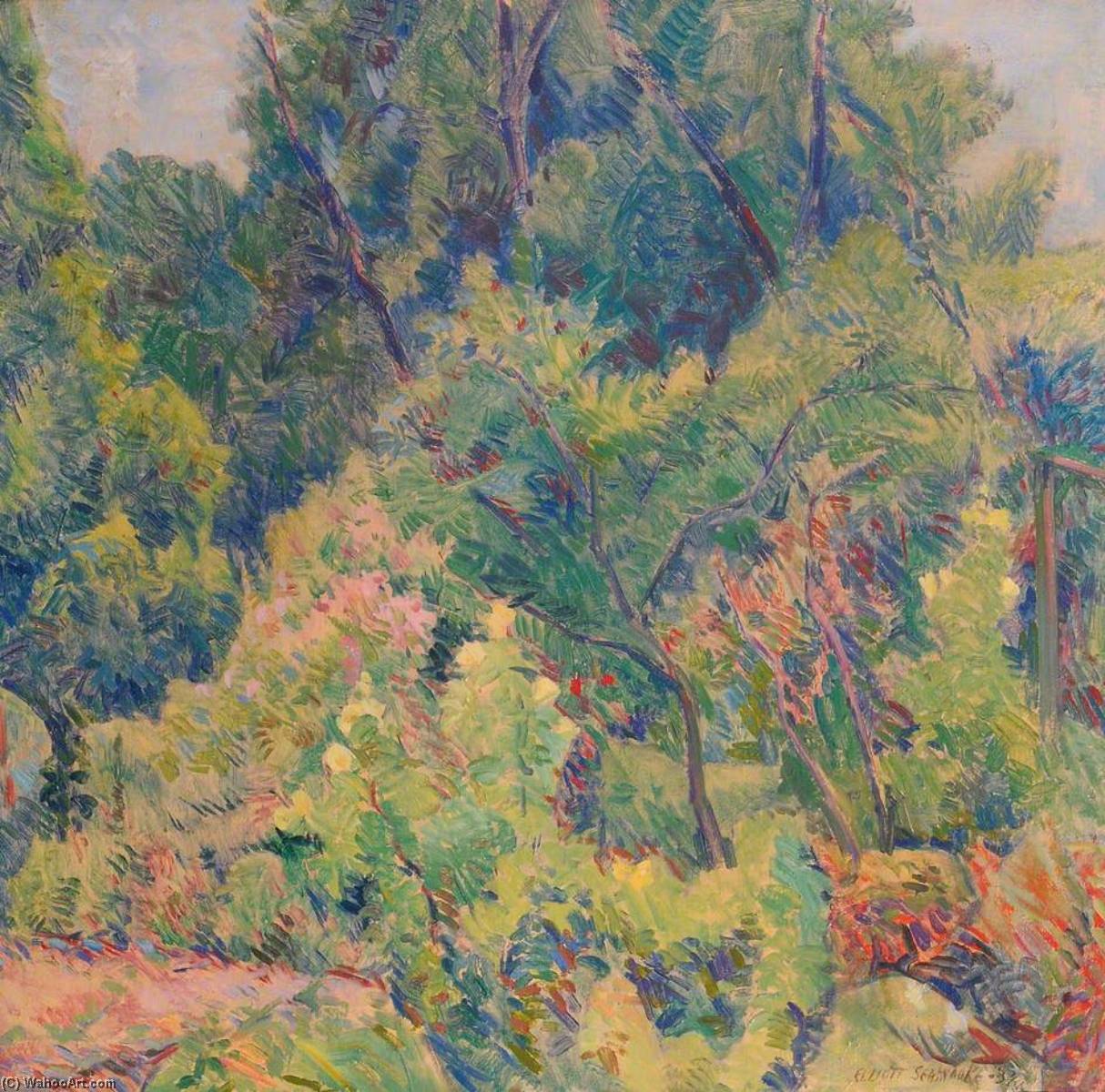
Garden near a Wood
 Oil
Oil- WallArt
- Impressionism
 1937
1937- Modern
 80.0 x 80.0 cm
 William Evans Bequest
 Читать далее
Приобретите цифровое изображение высокого разрешения в улучшенном качестве, которое значительно превосходит онлайн-превью.
Каждый файл тщательно подготавливается нашими специалистами с использованием передовых инструментов и экспертной ручной ретуши. Мы гарантируем исключительную четкость, точную цветопередачу и детальную проработку каждого изображения.
Финальный файл доставляется по электронной почте в течение 72 часов и оптимизирован для немедленного использования в профессиональной среде, при верстке и печати. Это тот же уровень качества, которому доверяют ведущие дизайнерские студии, издательства и галереи.
Цифровое изображение
Скачайте файл высокого разрешения для личного использования, печати и творческих проектов. ( Перейти к печати Купить картину ручной работы)
Включено в каждый заказ цифровых изображений
Гарантия экспертной цифровой доставки
Выбирая ArtsDot.com, вы получаете не просто изображение — вы приобретаете профессионально обработанное цифровое произведение искусства, созданное с безупречной точностью и под защитой гарантии качества. Вот всё, что автоматически входит в ваш заказ:

Мгновенная доставка по e-mail
Ваш цифровой файл в высоком разрешении будет отправлен вам по электронной почте в течение 72 часов после оформления заказа — и сразу станет доступен для использования.

Цифровой файл с ИИ-улучшением
Ваше произведение искусства проходит профессиональную оптимизацию с использованием передовых инструментов ИИ и ручной обработки, что гарантирует максимальную детализацию, четкость и точность цветопередачи.

Бессрочная бесплатная повторная доставка
Случайно удалили или потеряли файл? Не беспокойтесь — мы отправим его вам повторно в любое время и совершенно бесплатно.

Без импортных пошлин — навсегда
Наслаждайтесь вашим произведением искусства мгновенно без таможенных пошлин, сборов или затрат на доставку — цифровые загрузки всегда не облагаются налогом.

Гарантия точности цветопередачи
Мы гарантируем, что ваше цифровое изображение максимально точно передает оригинальные цвета благодаря использованию профессиональных инструментов и систем управления цветом.

Гарантия удовлетворенности 100 дней
Если вы не будете удовлетворены своим цифровым изображением, мы внесем правки или вернем 100% стоимости в течение 100 дней — без лишних вопросов.

100% Гарантия возврата средств
Не удовлетворены покупкой? Получите полный возврат средств в течение 100 дней после получения цифрового файла — без лишних вопросов.

Скидки на оптовые заказы
Купите 3 изображения, сэкономьте 10% — Купите 5, сэкономьте 15% — Купите 10+, сэкономьте 20%. Отличное решение для творческих проектов, галерей и агентств.
A Symphony of Verdant Serenity
In the quiet corners of early twentieth-century British landscape painting, few works capture the ephemeral magic of a summer afternoon as tenderly as Elliott Seabrooke’s Garden near a Wood. Painted in 1937, this exquisite composition invites the viewer into a secluded sanctuary where the boundaries between cultivated garden and wild woodland begin to blur. The scene is a masterclass in color harmony, presenting a lush tapestry of greens, yellows, and deep oranges that seem to vibrate with the warmth of a low-hanging sun. As one gazes upon the canvas, the eye is led through a rhythmic arrangement of trees—some standing as solitary sentinels on the left, others clustering in soft groups toward the right—creating a sense of depth and natural enclosure that feels both intimate and expansive.
The technique employed by Seabrooke reveals his rigorous academic foundations at the Slade School of Fine Art, yet it is infused with a painterly freedom that transcends mere imitation. Through delicate brushwork, he captures the dappled light filtering through the canopy, casting soft shadows across the vibrant bushes and flora. The inclusion of a solitary figure near the bottom left corner provides a poignant sense of scale and narrative; this person is not merely an observer but a part of the garden's living pulse, embodying a moment of quiet contemplation. This subtle human element transforms the landscape from a mere botanical study into a soulful meditation on our connection to the natural world.
Timeless Elegance for the Modern Interior
For the discerning collector or interior designer, Garden near a Wood offers much more than visual beauty; it provides an emotional anchor for a room. The painting’s palette—a sophisticated blend of earthy tones and bright, life-affirming hues—makes it a versatile centerpiece capable of breathing vitality into a variety of decor styles. Whether placed in a sun-drenched morning room to enhance a sense of freshness or in a more formal study to provide a window into a peaceful past, the work exudes a quiet dignity that complements both contemporary minimalism and classic traditionalism.
Owning a high-quality reproduction of this Seabrooke masterpiece allows one to preserve the tranquil atmosphere of 1930s England within a modern home. The artwork serves as a perennial escape, a way to invite the restorative power of nature indoors regardless of the season outside. It is an investment in ambiance, offering a sense of historical continuity and a profound, lasting peace that only the most evocative landscapes can provide.
Похожие произведения

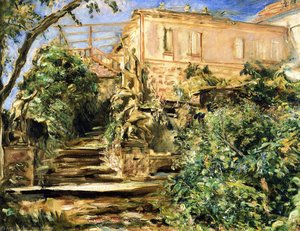
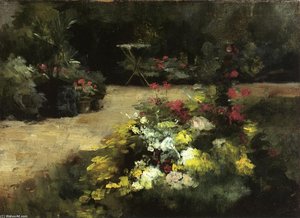
Биография художника
Elliott Seabrooke: A Painter of Light and Landscape
Elliott Seabrooke (1886-1950) emerges from the early 20th century as a quietly significant British painter, whose evocative landscapes and insightful still lifes offer a glimpse into a world both familiar and subtly transformed. Born in Upton Park, Essex – now part of London – his artistic journey was shaped by a confluence of influences: the rigorous training at the Slade School of Fine Art, a deep connection to the English countryside, and a period marked by significant social and political upheaval. Seabrooke’s work isn't characterized by flamboyant displays or radical experimentation; rather, it possesses a quiet dignity and an almost meditative quality, reflecting his own thoughtful nature and a profound appreciation for the natural world.Early Years and Artistic Foundations
Seabrooke’s early artistic development was rooted in traditional academic training at the Slade School of Fine Art from 1906 to 1911. Here, he encountered the teachings of Henry Tonks, a renowned figure who emphasized careful observation and technical skill. However, Seabrooke's artistic sensibilities quickly transcended mere imitation. He demonstrated an early inclination towards capturing light and atmosphere, drawing inspiration from the Impressionist movement – particularly the work of Cézanne’s emphasis on form and color—and later, the nascent principles of Pointillism, evident in his meticulous layering of small dots to create luminous effects. This fascination with light is a recurring motif throughout his oeuvre, suggesting an attempt to distill the essence of a scene rather than simply reproduce it visually.Wartime Service and Artistic Transformation
The First World War profoundly impacted Seabrooke’s life and artistic practice. Rejecting military service due to his pacifist beliefs, he instead dedicated himself to humanitarian work with the British Red Cross, serving on the Italian front. This experience proved transformative, exposing him to a different culture and broadening his perspective. It's during this period that he received Italy’s highest award for gallantry – a testament to his bravery and compassion. Crucially, it was also during the war that Seabrooke began experimenting with a more direct approach to color and form, influenced by the emerging theories of Seurat and Signac, incorporating these techniques into his landscapes.A Palette of English Landscapes
Following the war, Seabrooke established himself as a dedicated landscape painter, primarily focused on capturing the beauty of England’s diverse scenery. He spent considerable time in Epping Forest, the Lake District, and other rural areas, meticulously observing and translating these locations onto canvas. His paintings are characterized by a restrained palette—often dominated by muted greens, blues, and browns – creating a sense of atmospheric depth and tranquility. He wasn't interested in dramatic vistas or heroic compositions; instead, he sought to convey the subtle nuances of light, texture, and color that define the English countryside. Notable works such as “Landscape around Fingest, Buckinghamshire” exemplify this approach, presenting a serene and contemplative view of rolling hills bathed in soft light.Later Years and Legacy
In his later years, Seabrooke’s artistic practice continued to evolve, incorporating elements of Impressionism and Pointillism with a growing sensitivity to the changing social landscape. He remained active within the art world, serving as a Vice-President and then President of the Newnes Academy of Painters (NEAC), a prominent organization promoting contemporary British art. His work was exhibited widely, including at the Leicester Galleries and Matthiesen Gallery, and he even ventured into acting, demonstrating a multifaceted personality. Elliott Seabrooke’s legacy lies not in grand pronouncements or revolutionary techniques, but in his quietly compelling depictions of the English landscape—paintings that invite viewers to pause, reflect, and appreciate the beauty of the everyday world. His work is now held by institutions such as the Tate Gallery and the Arts Council, ensuring that this understated yet significant artist continues to be appreciated for generations to come.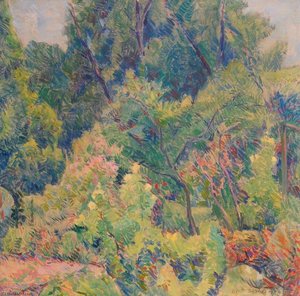
elliott seabrooke
1886 - 1950
Основные сведения
- Artistic Movement Or Style: Impressionism, Pointillism
- Artists Or Movements Influenced By This Artist:
- Tate Gallery
- Arts Council
- Artists Who Influenced This Artist:
- Cézanne
- Seurat
- Date Of Birth: 1886
- Date Of Death: 1950
- Full Name: Elliott Seabrooke
- Nationality: British
- Notable Artworks:
- Yarmouth, Isle of Wight
- Landscape around Fingest
- Regent’s Park, London, Winter
- Place Of Birth: Upton Park, London, UK