

 Предпросмотр
 Поделиться
 Поделиться
 Детали произведения

 Скачать
 Похожие работы
 Рентгенография
 Слайд-шоу
 Статистика
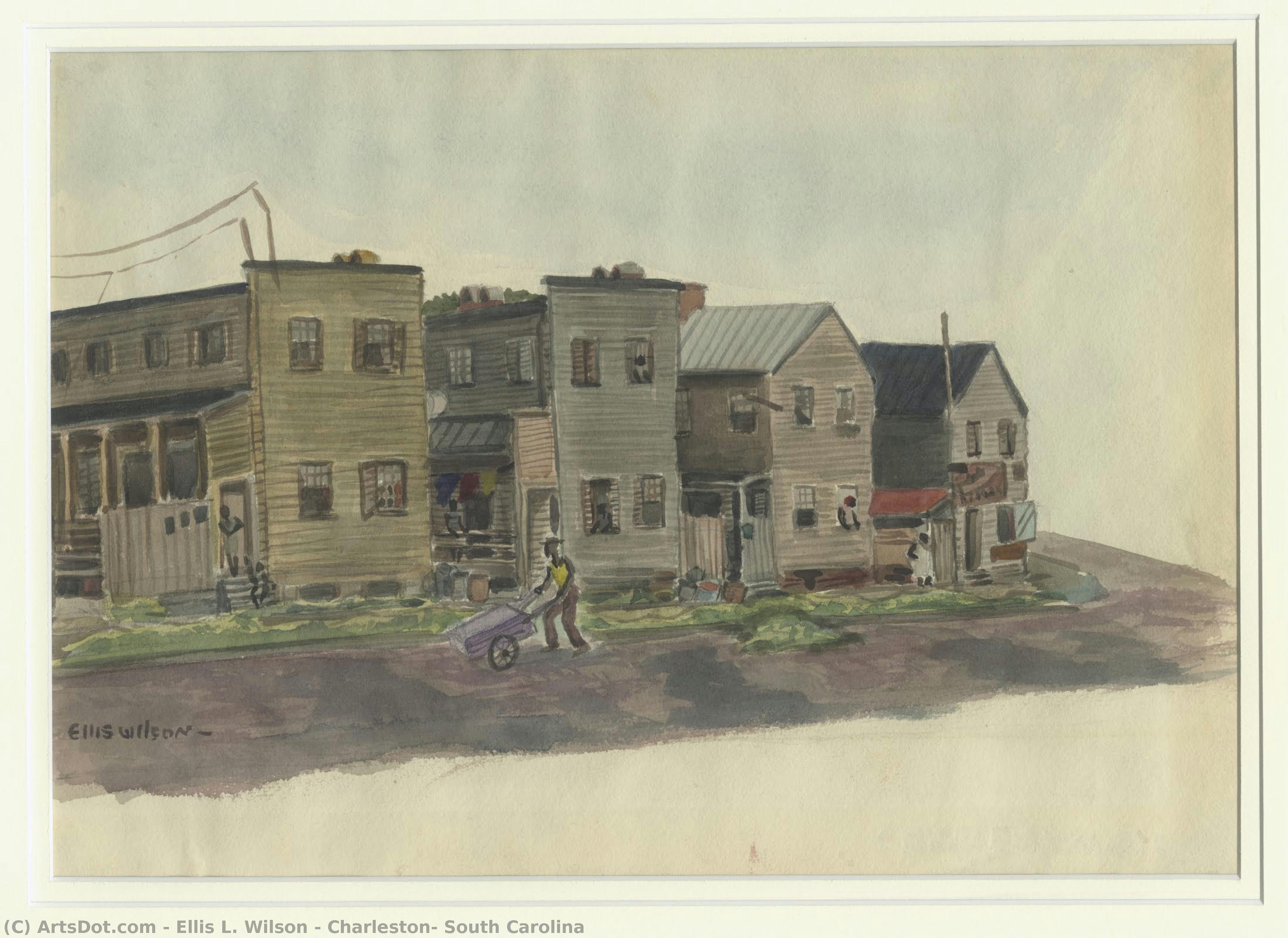
Charleston, South Carolina


 Читать далее
Приобретите цифровое изображение высокого разрешения в улучшенном качестве, которое значительно превосходит онлайн-превью.
Каждый файл тщательно подготавливается нашими специалистами с использованием передовых инструментов и экспертной ручной ретуши. Мы гарантируем исключительную четкость, точную цветопередачу и детальную проработку каждого изображения.
Финальный файл доставляется по электронной почте в течение 72 часов и оптимизирован для немедленного использования в профессиональной среде, при верстке и печати. Это тот же уровень качества, которому доверяют ведущие дизайнерские студии, издательства и галереи.
Цифровое изображение
Скачайте файл высокого разрешения для личного использования, печати и творческих проектов. ( Перейти к печати Купить картину ручной работы)
Включено в каждый заказ цифровых изображений
Гарантия экспертной цифровой доставки
Выбирая ArtsDot.com, вы получаете не просто изображение — вы приобретаете профессионально обработанное цифровое произведение искусства, созданное с безупречной точностью и под защитой гарантии качества. Вот всё, что автоматически входит в ваш заказ:

Мгновенная доставка по e-mail
Ваш цифровой файл в высоком разрешении будет отправлен вам по электронной почте в течение 72 часов после оформления заказа — и сразу станет доступен для использования.

Цифровой файл с ИИ-улучшением
Ваше произведение искусства проходит профессиональную оптимизацию с использованием передовых инструментов ИИ и ручной обработки, что гарантирует максимальную детализацию, четкость и точность цветопередачи.

Бессрочная бесплатная повторная доставка
Случайно удалили или потеряли файл? Не беспокойтесь — мы отправим его вам повторно в любое время и совершенно бесплатно.

Без импортных пошлин — навсегда
Наслаждайтесь вашим произведением искусства мгновенно без таможенных пошлин, сборов или затрат на доставку — цифровые загрузки всегда не облагаются налогом.

Гарантия точности цветопередачи
Мы гарантируем, что ваше цифровое изображение максимально точно передает оригинальные цвета благодаря использованию профессиональных инструментов и систем управления цветом.

Гарантия удовлетворенности 100 дней
Если вы не будете удовлетворены своим цифровым изображением, мы внесем правки или вернем 100% стоимости в течение 100 дней — без лишних вопросов.

100% Гарантия возврата средств
Не удовлетворены покупкой? Получите полный возврат средств в течение 100 дней после получения цифрового файла — без лишних вопросов.

Скидки на оптовые заказы
Купите 3 изображения, сэкономьте 10% — Купите 5, сэкономьте 15% — Купите 10+, сэкономьте 20%. Отличное решение для творческих проектов, галерей и агентств.
Похожие произведения








Биография художника
early life and career
ellis l. wilson, an african-american artist associated with the harlem renaissance, was born on april 20, 1899, in mayfield, kentucky. his life trajectory is a testament to his perseverance and contribution to american art history.artistic contributions
wilson's most notable work, 'funeral procession', gained significant attention in 1986 when it was featured on an episode of the cosby show. this painting, originally owned by wilson's grandmother and sold to pay for her medical bills, encapsulates the essence of his artistic style, which often reflected the african-american experience.association with the harlem renaissance
as a key figure in the harlem renaissance, wilson's work embodies the spirit of this pivotal movement. his association with other notable artists, such as allan randall freelon, further solidifies his place within this artistic era.legacy and influence
wilson's influence on subsequent generations of african-american artists is undeniable. his work has been displayed at the amistad research center at tulane university in new orleans, louisiana, a testament to his lasting impact.- key art movement: harlem renaissance
- notable work: 'funeral procession'
- art style: reflective of the african-american experience
- legacy: influence on subsequent generations of african-american artists
further exploration at ArtsDot
for a deeper dive into wilson's work and the harlem renaissance, explore these resources: - art movements 1/2 - wahoo art timeline note: the provided links are relevant to the topic and from https://ArtsDot.com as per the instruction.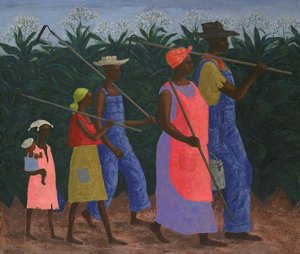
ellis l. wilson
1899 - 1977 , United States of America
Основные сведения
- Artistic Movement Or Style: Harlem Renaissance
- Artists Or Movements Influenced By This Artist: ['Modernism']
- Artists Who Influenced This Artist:
- Claude Monet
- Eugène Boudin
- Date Of Birth: May 26, 1899
- Date Of Death: 1977
- Full Name: Aaron Douglas
- Nationality: American
- Notable Artworks:
- Saudade
- Funeral
- Signing the Mayflower Compact
- Place Of Birth: Topeka, Kansas, USA