

 Предпросмотр
 Поделиться
 Поделиться
 Детали произведения

 Скачать
 Похожие работы
 Рентгенография
 Слайд-шоу
 Статистика
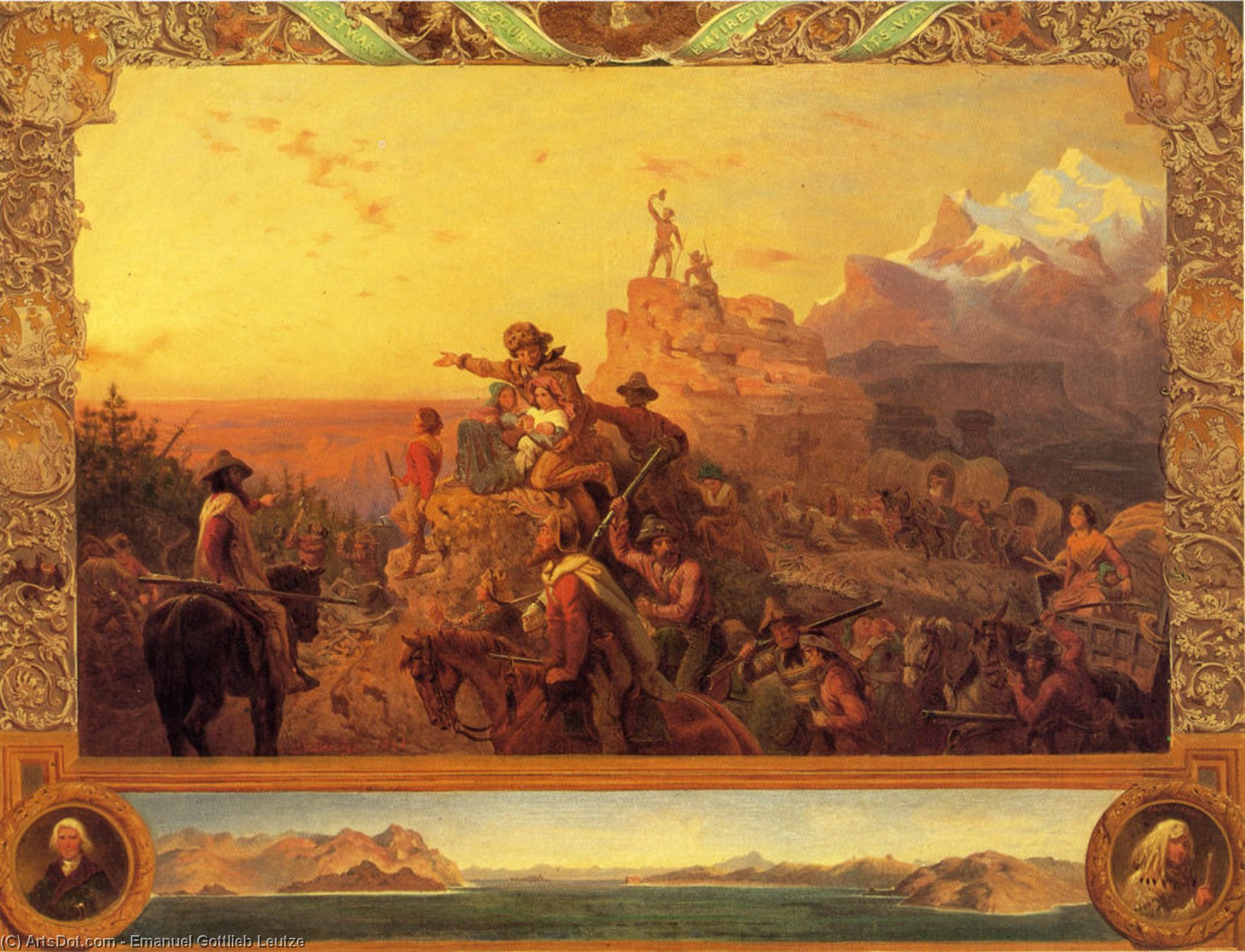
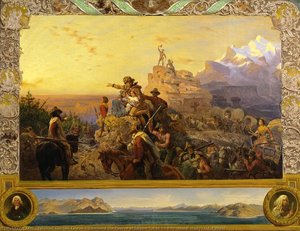
Westward The Course of Empire Takes Its Way


 Читать далее
Приобретите цифровое изображение высокого разрешения в улучшенном качестве, которое значительно превосходит онлайн-превью.
Каждый файл тщательно подготавливается нашими специалистами с использованием передовых инструментов и экспертной ручной ретуши. Мы гарантируем исключительную четкость, точную цветопередачу и детальную проработку каждого изображения.
Финальный файл доставляется по электронной почте в течение 72 часов и оптимизирован для немедленного использования в профессиональной среде, при верстке и печати. Это тот же уровень качества, которому доверяют ведущие дизайнерские студии, издательства и галереи.
Цифровое изображение
Скачайте файл высокого разрешения для личного использования, печати и творческих проектов. ( Перейти к печати Купить картину ручной работы)
Включено в каждый заказ цифровых изображений
Гарантия экспертной цифровой доставки
Выбирая ArtsDot.com, вы получаете не просто изображение — вы приобретаете профессионально обработанное цифровое произведение искусства, созданное с безупречной точностью и под защитой гарантии качества. Вот всё, что автоматически входит в ваш заказ:

Мгновенная доставка по e-mail
Ваш цифровой файл в высоком разрешении будет отправлен вам по электронной почте в течение 72 часов после оформления заказа — и сразу станет доступен для использования.

Цифровой файл с ИИ-улучшением
Ваше произведение искусства проходит профессиональную оптимизацию с использованием передовых инструментов ИИ и ручной обработки, что гарантирует максимальную детализацию, четкость и точность цветопередачи.

Бессрочная бесплатная повторная доставка
Случайно удалили или потеряли файл? Не беспокойтесь — мы отправим его вам повторно в любое время и совершенно бесплатно.

Без импортных пошлин — навсегда
Наслаждайтесь вашим произведением искусства мгновенно без таможенных пошлин, сборов или затрат на доставку — цифровые загрузки всегда не облагаются налогом.

Гарантия точности цветопередачи
Мы гарантируем, что ваше цифровое изображение максимально точно передает оригинальные цвета благодаря использованию профессиональных инструментов и систем управления цветом.

Гарантия удовлетворенности 100 дней
Если вы не будете удовлетворены своим цифровым изображением, мы внесем правки или вернем 100% стоимости в течение 100 дней — без лишних вопросов.

100% Гарантия возврата средств
Не удовлетворены покупкой? Получите полный возврат средств в течение 100 дней после получения цифрового файла — без лишних вопросов.

Скидки на оптовые заказы
Купите 3 изображения, сэкономьте 10% — Купите 5, сэкономьте 15% — Купите 10+, сэкономьте 20%. Отличное решение для творческих проектов, галерей и агентств.
A Grand Vision of Manifest Destiny
In the sweeping expanse of Emanuel Gottlieb Leutze’s 1861 masterpiece, Westward The Course of Empire Takes Its Way, the viewer is transported to a pivotal moment in the American consciousness. This monumental oil on canvas serves as more than just a landscape; it is a profound historical narrative captured through the lens of Romanticism. As the sun dips below the horizon, casting long, dramatic shadows and bathing the desert in a palette of warm, amber, and crimson hues, we witness a procession of pioneers. The composition is alive with movement, featuring men, women, and even a faithful canine companion navigating the rugged terrain. This is not merely a depiction of travel, but an epic portrayal of the relentless spirit of exploration that defined an era.
Leutze, a painter whose life bridged the gap between the rigorous traditions of the Düsseldorf School in Germany and the burgeoning identity of the United States, utilizes his technical mastery to evoke a sense of awe. The brushwork, though precise enough to capture the textures of leather, horsehair, and parched earth, possesses a fluid energy that mirrors the unstoppable momentum of the settlers. For the collector or interior designer, this piece offers a commanding presence; its scale and dramatic lighting make it an ideal focal point for a room designed to inspire contemplation and grandeur.
Symbolism and the Spirit of Progress
Beyond the literal depiction of a westward migration, the painting is steeped in the heavy symbolism of the mid-19th century. The title itself suggests a cyclical view of history, where the rise of empires is inextricably linked to their expansion across new frontiers. The setting sun, while beautiful, carries a dual meaning: it represents both the closing of an old chapter and the dawn of a new, untamed territory. Every figure in the procession—from the weary traveler to the vigilant rider—embodies the grit and determination required to tame the wilderness.
The interplay of light and shadow serves as a metaphor for the uncertainty and hope inherent in the pioneer experience. The golden light illuminating the foreground figures suggests a divine or natural blessing upon their journey, while the darkening silhouettes in the distance remind us of the vast, unknown challenges that lie ahead. This emotional depth makes the artwork particularly captivating for those who appreciate art that tells a story of resilience and human ambition.
An Essential Addition to any Fine Collection
For those seeking to curate a collection that celebrates historical significance and classical beauty, Westward The Course of Empire Takes Its Way stands as an unparalleled choice. A high-quality reproduction of this work allows the majesty of Leutze’s vision to inhabit modern spaces, bringing a sense of timelessness and academic prestige to a home or gallery. Whether placed in a study filled with leather-bound books or as a centerpiece in a contemporary living space, the painting invites conversation and deep emotional engagement.
Investing in such a piece is an investment in a legacy of storytelling. It offers a window into a vanished world, rendered with a level of skill that honors the traditions of the great masters. As an element of interior decoration, it provides a rich, textured backdrop that complements both classic and eclectic aesthetics, ensuring that the epic saga of the American West continues to inspire generations to come.
Похожие произведения

Биография художника
Emanuel Gottlieb Leutze: Bridging Worlds, Painting the American Soul
Emanuel Gottlieb Leutze’s life unfolded as a remarkable confluence of cultures and artistic influences, a journey that ultimately shaped his distinctive contribution to both German Romanticism and the nascent American art scene. Born in 1816 in Schwäbisch Gmünd, a town nestled in the heart of Baden-Württemberg, Germany, Leutze’s early years were steeped in hardship – the untimely death of his father forced him into premature adulthood, demanding he contribute to the family's livelihood through manual labor. Yet, even amidst these challenges, a spark ignited within him: an innate artistic talent that found its initial expression not as a profession, but as a means of solace and occupation during his father’s illness. This early experimentation with drawing and painting, initially undertaken simply to fill time, gradually evolved into a genuine passion, foreshadowing the profound impact he would later have on the visual landscape of both Europe and America.The Düsseldorf School: Romanticism Takes Root
Leutze's artistic development truly blossomed during his years in Düsseldorf, beginning in 1840. This pivotal move marked not merely a change of location but a fundamental shift in his artistic philosophy. Düsseldorf was at the heart of the influential Düsseldorf School of Painting, an environment characterized by its rigorous academic training and its embrace of Romanticism – a movement that prioritized emotion, drama, and the sublime over strict adherence to classical conventions. He found himself profoundly influenced by Karl Friedrich Lessing, a leading figure within this school, whose teachings emphasized dramatic composition, emotional intensity, and a deep engagement with historical narratives. Leutze’s time in Düsseldorf wasn't simply about mastering technique; it was an immersion into a specific artistic worldview – one that celebrated the power of imagination and sought to evoke profound emotional responses through visual imagery. He diligently studied the works of masters like Titian and Michelangelo, absorbing their techniques and understanding of light, color, and form, but he didn’t merely imitate them. Instead, he synthesized these influences with his own sensibilities, forging a unique style characterized by its grand scale, dynamic movement, and evocative use of color. His early works, such as “Bird Nesting” (1837), demonstrate this burgeoning talent – a meticulous depiction imbued with a sense of quiet drama and symbolic depth.A Journey Through Europe: Seeking Inspiration
Following his success in Düsseldorf, Leutze embarked on a two-year sojourn through Germany, Italy, and Switzerland, a period crucial to the further refinement of his artistic vision. This journey was not merely a vacation; it was an active pursuit of inspiration, exposing him to diverse artistic traditions and broadening his understanding of European art history. He spent time in Venice, captivated by the light and color of the Venetian masters, and in Rome, studying the monumental works of Michelangelo – experiences that profoundly shaped his approach to composition, perspective, and the depiction of human form. He meticulously documented these influences, not through direct copying, but through a process of careful observation and critical analysis. This period solidified his commitment to historical painting as a vehicle for exploring complex themes and conveying powerful emotions.Returning to America: Painting Patriotism and National Identity
In 1859, Leutze made a momentous decision: he returned to the United States, a country that had become increasingly significant in his artistic consciousness. This return wasn’t simply a geographical relocation; it represented a deliberate commitment to dedicate his art to the burgeoning American narrative – a nation grappling with its own identity and striving to define itself on the world stage. He established studios in both New York City and Washington D.C., becoming a central figure in the American art scene. His most celebrated work, “Washington Crossing the Delaware,” completed in 1851, perfectly encapsulates this commitment. This iconic image – depicting General George Washington leading his troops across the icy waters of the Delaware River on Christmas night – became an instant symbol of American courage, leadership, and the unwavering pursuit of freedom. The painting’s dramatic composition, evocative lighting, and carefully chosen details all contribute to its enduring power as a visual representation of American ideals. Beyond “Washington Crossing the Delaware,” Leutze continued to explore themes of American heroism and sacrifice, producing works such as "Angel on the Battlefield," a poignant depiction of the devastation caused by the Civil War – a work born from the grim realities reported in newspapers and intended to evoke empathy for those who had suffered.Legacy and Enduring Influence
Emanuel Gottlieb Leutze’s legacy extends far beyond individual paintings; he played a pivotal role in establishing a distinct visual language for American history painting, creating powerful images that helped shape national identity during a period of profound social and political transformation. “Washington Crossing the Delaware” remains arguably the most recognizable image in American art – its reproduction ubiquitous across countless platforms, serving as a potent symbol of American values. His ability to seamlessly blend Romantic ideals with historical accuracy resulted in works that were both emotionally resonant and intellectually stimulating. Leutze’s paintings are now housed in prestigious institutions such as the Metropolitan Museum of Art, the Kunsthalle Bremen, and Harvard Law School, ensuring his artistic contributions will continue to be appreciated for generations to come. He wasn't simply a painter of history; he was a creator of myth, forging enduring symbols that continue to inspire dialogue about the American experience. His work stands as a testament to the transformative power of art – its ability to shape perceptions, ignite patriotism, and preserve collective memory.- Born: May 24, 1816, Schwäbisch Gmünd, Germany
- Died: July 18, 1868
- Movement: Romanticism, Düsseldorf School of Painting
- Notable Works: Washington Crossing the Delaware, Columbus Before the Council of Salamanca, Angel on the Battlefield
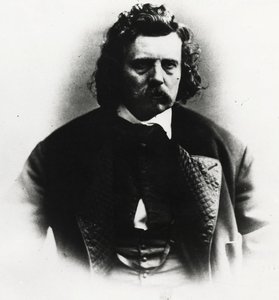
Эмануэль Готтлиб Леутце
1816 - 1868 , Германия
Основные сведения
- Artistic Movement Or Style: Романтизм, Дюссельдорфская школа
- Artists Or Movements Influenced By This Artist: ['Американская историческая живопись']
- Artists Who Influenced This Artist: ['Карл Фридрих Лисенг']
- Date Of Birth: 1816
- Date Of Death: 1868
- Full Name: Emanuel Gottlieb Leutze
- Nationality: Немецко-Американский
- Notable Artworks:
- Кросс Делавэр
- Колумб перед советом
- Ангел на поле битвы
- Place Of Birth: Schwäbisch Gmünd, Германия