

 Поделиться
 Поделиться
 Детали произведения

 Скачать
 Похожие работы
 Слайд-шоу
 Статистика
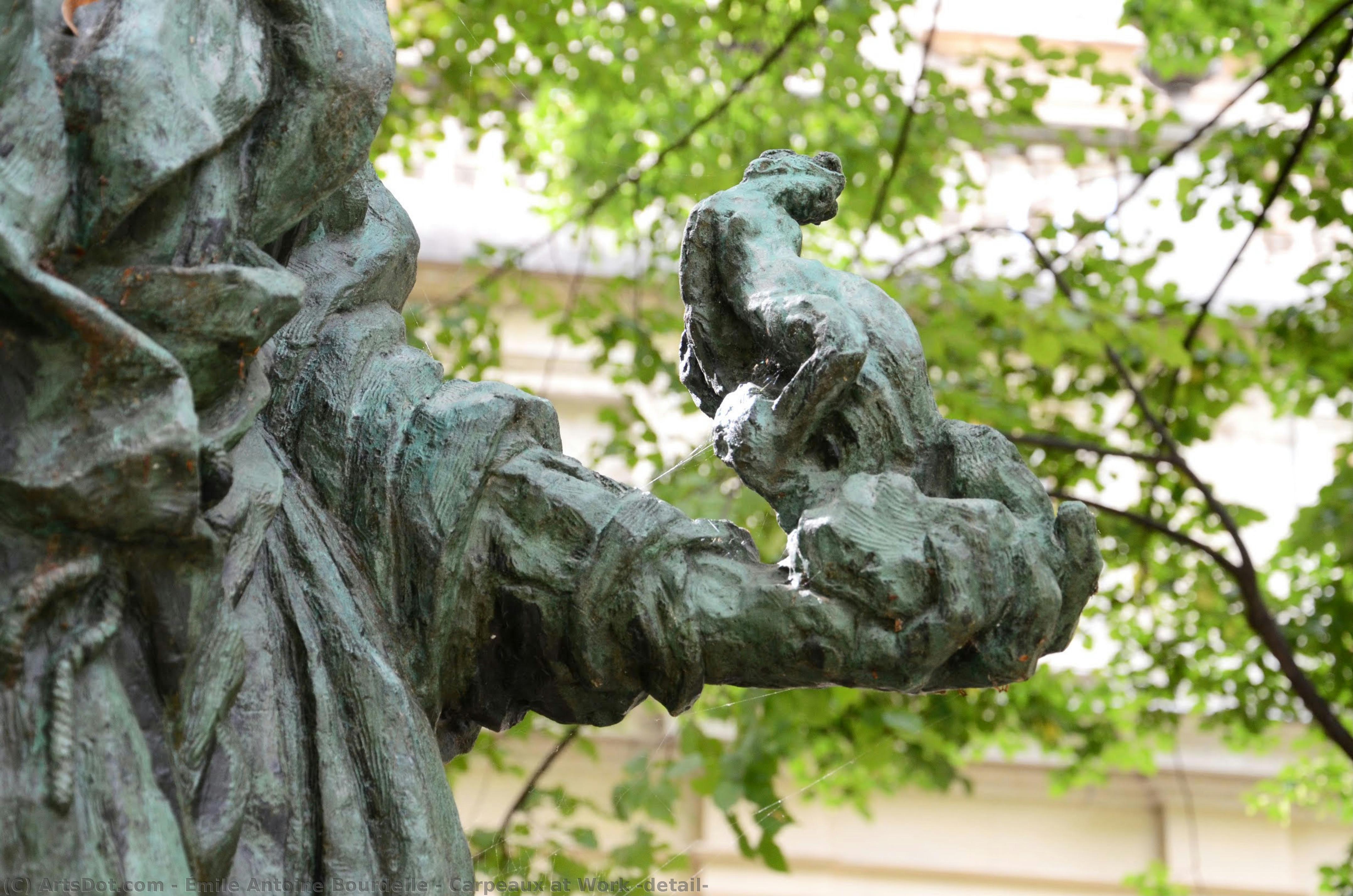
Carpeaux at Work (detail)


 Читать далее
Приобретите цифровое изображение высокого разрешения в улучшенном качестве, которое значительно превосходит онлайн-превью.
Каждый файл тщательно подготавливается нашими специалистами с использованием передовых инструментов и экспертной ручной ретуши. Мы гарантируем исключительную четкость, точную цветопередачу и детальную проработку каждого изображения.
Финальный файл доставляется по электронной почте в течение 72 часов и оптимизирован для немедленного использования в профессиональной среде, при верстке и печати. Это тот же уровень качества, которому доверяют ведущие дизайнерские студии, издательства и галереи.
Цифровое изображение
Скачайте файл высокого разрешения для личного использования, печати и творческих проектов. ( Перейти к печати Купить картину ручной работы)
Включено в каждый заказ цифровых изображений
Гарантия экспертной цифровой доставки
Выбирая ArtsDot.com, вы получаете не просто изображение — вы приобретаете профессионально обработанное цифровое произведение искусства, созданное с безупречной точностью и под защитой гарантии качества. Вот всё, что автоматически входит в ваш заказ:

Мгновенная доставка по e-mail
Ваш цифровой файл в высоком разрешении будет отправлен вам по электронной почте в течение 72 часов после оформления заказа — и сразу станет доступен для использования.

Цифровой файл с ИИ-улучшением
Ваше произведение искусства проходит профессиональную оптимизацию с использованием передовых инструментов ИИ и ручной обработки, что гарантирует максимальную детализацию, четкость и точность цветопередачи.

Бессрочная бесплатная повторная доставка
Случайно удалили или потеряли файл? Не беспокойтесь — мы отправим его вам повторно в любое время и совершенно бесплатно.

Без импортных пошлин — навсегда
Наслаждайтесь вашим произведением искусства мгновенно без таможенных пошлин, сборов или затрат на доставку — цифровые загрузки всегда не облагаются налогом.

Гарантия точности цветопередачи
Мы гарантируем, что ваше цифровое изображение максимально точно передает оригинальные цвета благодаря использованию профессиональных инструментов и систем управления цветом.

Гарантия удовлетворенности 100 дней
Если вы не будете удовлетворены своим цифровым изображением, мы внесем правки или вернем 100% стоимости в течение 100 дней — без лишних вопросов.

100% Гарантия возврата средств
Не удовлетворены покупкой? Получите полный возврат средств в течение 100 дней после получения цифрового файла — без лишних вопросов.

Скидки на оптовые заказы
Купите 3 изображения, сэкономьте 10% — Купите 5, сэкономьте 15% — Купите 10+, сэкономьте 20%. Отличное решение для творческих проектов, галерей и агентств.
A Moment Frozen in Bronze: The Intimacy of Bourdelle’s Vision
In the delicate interplay of light and shadow captured within this bronze study, we encounter a profound moment of connection that transcends the cold medium of metal. Carpeaux at Work (detail), a masterful creation by the influential French sculptor Émile Antoine Bourdelle, invites the viewer into a private, quiet sanctuary of emotion. The sculpture presents a close-up view of a figure cradling a bird, an image that serves as a poignant testament to the artist's ability to breathe life into inanimate matter. Through the meticulous detailing of the hand and arm, Bourdelle demonstrates a command over texture and form that allows the viewer to almost feel the warmth of the skin and the fragile flutter of wings. The surrounding foliage, rendered with organic grace, anchors the scene in a naturalistic setting, creating a sense of timelessness that resonates deeply with anyone moved by the beauty of the natural world.
Created in 1875, this work emerges from a pivotal era in sculptural history, a time when the boundaries between classical tradition and the burgeoning modernism were being explored by masters of the craft. Bourdelle, who would later become a pioneer of 20th-century monumental sculpture, displays here an early, exquisite sensitivity to the human touch. While his later works are celebrated for their heroic scale and geometric strength, this detail reveals a softer, more intimate side of his genius. The technique employed in this bronze work showcases a sophisticated understanding of anatomy and light; the way the light catches the ridges of the fingers and the subtle curves of the bird's form creates a dynamic visual rhythm that keeps the eye moving across the composition.
Symbolism and the Soul of the Sculpture
Beyond its technical brilliance, the piece is rich with symbolic resonance, making it an evocative choice for collectors seeking art with depth. The act of cradling a bird is a universal symbol of tenderness, protection, and the fleeting nature of life. It speaks to the human desire to preserve beauty and the delicate balance between strength and vulnerability. For the interior designer, this sculpture offers more than mere decoration; it provides a focal point of contemplative peace. Whether placed in a sunlit study or a sophisticated gallery setting, the work acts as an emotional anchor, drawing onlookers into its silent narrative of care and coexistence.
For those looking to integrate such a masterpiece into their private collections through a high-quality reproduction, this piece offers an unparalleled opportunity to possess a fragment of art history. The intricate details—the way the bronze captures the essence of life—ensure that even as a hand-painted or cast reproduction, the spirit of Bourdelle’s 1875 vision remains intact. It is an investment in atmosphere, bringing a sense of historical weight and poetic grace to any curated space.
Похожие произведения
Биография художника
The Architect of Form: The Life and Legacy of Émile Antoine Bourdelle
Born in the historic landscape of Montauban in 1861, Émile Antoine Bourdelle emerged as a titan of French sculpture, a master who bridged the gap between the romantic fluidity of the nineteenth century and the structured rigor of modernism. His journey began not in the grand academies of Paris, but amidst the tactile reality of wood and grain, working as a woodcarver in his father’s cabinet-making shop from the tender age of thirteen. This early immersion in the physical properties of material would later define his sculptural language, imbuing his works with an inherent sense of structural integrity and a profound understanding of volume and mass.
After honing his drawing skills under the guidance of the founder of the Ingres Museum, Bourdelle sought formal training in Toulouse before securing a prestigious scholarship to the École des Beaux-Arts in Paris. It was in the vibrant, competitive atmosphere of the capital that his artistic identity truly began to crystallize. Working within the atelier of Alexandre Falguière and finding inspiration in the studio of Jules Dalou, Bourdelle developed a style that moved away from mere imitation toward a more profound, architectural expression. His 1888 sculptures of Beethoven served as a definitive turning point, showcasing an authoritative command over form that emphasized order, geometric spirit, and a revolutionary approach to construction.
A Symbiosis of Influence: From Rodin to Modernity
The trajectory of Bourdelle’s career was irrevocably altered when he joined the studio of Auguste Rodin in 1893. While many viewed him simply as an assistant, the relationship was one of profound mutual respect; Rodin himself became a great admirer of Bourdelle's unique ability to infuse monumental figures with both heroic strength and rhythmic grace. This period allowed Bourdelle to absorb the expressive vitality of Rodin while simultaneously carving out his own path toward a more structured, classical aesthetic. He did not merely follow the impressionistic textures of his mentor; instead, he sought a return to the permanence of ancient Greek and Roman archetypes, filtered through a twentieth-century lens.
As a teacher, Bourdelle’s influence was nothing short of monumental. His studio became a crucible for future generations of sculptors, where he imparted a philosophy that prioritized the internal logic of the sculpture over superficial detail. His pedagogical reach ensured that his emphasis on geometry, invention, and monumentality would ripple through the decades, influencing the development of Art Deco and the broader movement toward modern abstraction.
Monumental Achievements and Eternal Memory
Throughout his later years, Bourdelle’s work became synonymous with the public spirit of France. He received numerous prestigious commissions for war memorials and civic monuments, works that demanded a sense of timelessness and collective memory. His recognition by the French state was profound, marked by his elevation to Knight, Officer, and eventually Commander of the Legion of Honor. Beyond the borders of France, his participation in the landmark 1913 Armory Show in New York introduced his powerful, rhythmic compositions to an international audience, cementing his status as a pioneer of twentieth-century monumental sculpture.
The legacy of Bourdelle is preserved not only in bronze and stone scattered across the globe but also within the very walls of the Musée Bourdelle in Paris. This museum, housed in his former studio, serves as a sanctuary for his creative spirit, allowing visitors to walk through the space where he shaped the modern sculptural landscape. Though he passed away in 1929, his contribution to the evolution of form remains an indelible part of art history, characterized by:
- Structural Integrity: A mastery of geometric construction that gave figures a sense of architectural permanence.
- Heroic Expression: The ability to convey profound human emotion through powerful, larger-than-life compositions.
- Historical Synthesis: A unique ability to blend classical tradition with the burgeoning energy of modernism.
- Pedagogical Impact: A lasting influence on the sculptural community through his dedicated teaching and studio leadership.
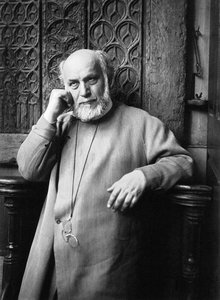
émile antoine bourdelle
1861 - 1929
Основные сведения
- Artistic Movement Or Style: Monumental sculpture, Modernism
- Artists Or Movements Influenced By This Artist: ['20th century monumental sculpture']
- Artists Who Influenced This Artist:
- Alexandre Falguière
- Jules Dalou
- Date Of Birth: October 30, 1861
- Date Of Death: October 1, 1929
- Full Name: Émile Antoine Bourdelle
- Nationality: French
- Notable Artworks: ['Beethoven']
- Place Of Birth: Montauban, France