

 Предпросмотр
 Поделиться
 Поделиться
 Детали произведения

 Скачать
 Похожие работы
 Рентгенография
 Слайд-шоу
 Статистика
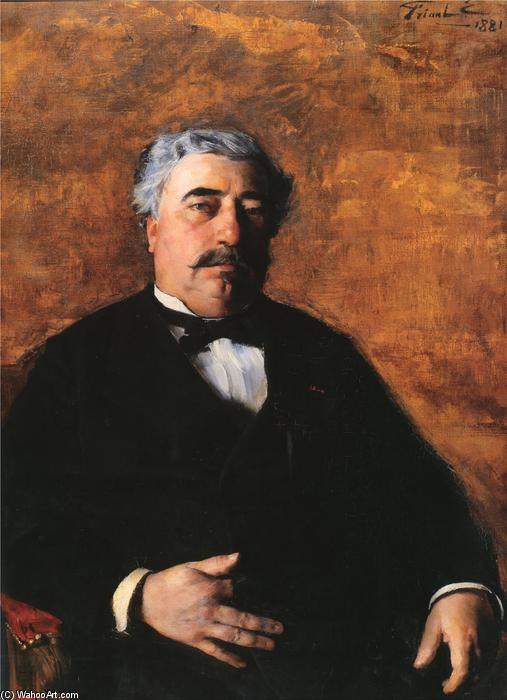
Portrait of M. Sidrot


 Читать далее
Приобретите цифровое изображение высокого разрешения в улучшенном качестве, которое значительно превосходит онлайн-превью.
Каждый файл тщательно подготавливается нашими специалистами с использованием передовых инструментов и экспертной ручной ретуши. Мы гарантируем исключительную четкость, точную цветопередачу и детальную проработку каждого изображения.
Финальный файл доставляется по электронной почте в течение 72 часов и оптимизирован для немедленного использования в профессиональной среде, при верстке и печати. Это тот же уровень качества, которому доверяют ведущие дизайнерские студии, издательства и галереи.
Цифровое изображение
Скачайте файл высокого разрешения для личного использования, печати и творческих проектов. ( Перейти к печати Купить картину ручной работы)
Включено в каждый заказ цифровых изображений
Гарантия экспертной цифровой доставки
Выбирая ArtsDot.com, вы получаете не просто изображение — вы приобретаете профессионально обработанное цифровое произведение искусства, созданное с безупречной точностью и под защитой гарантии качества. Вот всё, что автоматически входит в ваш заказ:

Мгновенная доставка по e-mail
Ваш цифровой файл в высоком разрешении будет отправлен вам по электронной почте в течение 72 часов после оформления заказа — и сразу станет доступен для использования.

Цифровой файл с ИИ-улучшением
Ваше произведение искусства проходит профессиональную оптимизацию с использованием передовых инструментов ИИ и ручной обработки, что гарантирует максимальную детализацию, четкость и точность цветопередачи.

Бессрочная бесплатная повторная доставка
Случайно удалили или потеряли файл? Не беспокойтесь — мы отправим его вам повторно в любое время и совершенно бесплатно.

Без импортных пошлин — навсегда
Наслаждайтесь вашим произведением искусства мгновенно без таможенных пошлин, сборов или затрат на доставку — цифровые загрузки всегда не облагаются налогом.

Гарантия точности цветопередачи
Мы гарантируем, что ваше цифровое изображение максимально точно передает оригинальные цвета благодаря использованию профессиональных инструментов и систем управления цветом.

Гарантия удовлетворенности 100 дней
Если вы не будете удовлетворены своим цифровым изображением, мы внесем правки или вернем 100% стоимости в течение 100 дней — без лишних вопросов.

100% Гарантия возврата средств
Не удовлетворены покупкой? Получите полный возврат средств в течение 100 дней после получения цифрового файла — без лишних вопросов.

Скидки на оптовые заказы
Купите 3 изображения, сэкономьте 10% — Купите 5, сэкономьте 15% — Купите 10+, сэкономьте 20%. Отличное решение для творческих проектов, галерей и агентств.
A Portrait of Quiet Dignity: Émile Friant’s ‘Portrait of M. Sidrot’
Émile Friant's “Portrait of M. Sidrot,” painted in 1881, offers a compelling glimpse into the burgeoning realism that defined French art at the close of the 19th century. This substantial canvas, dominated by rich colors and a meticulously rendered subject, speaks to Friant’s dedication to capturing not just physical likeness but also the subtle nuances of character and social standing. The painting depicts a man – identified as M. Sidrot – seated in a chair that commands much of the lower portion of the image, his upper body presented with an unwavering gaze directed towards the viewer. The overall impression is one of quiet dignity and considered seriousness, qualities that were highly valued within the societal context of the time.
Realism Rooted in Experience
- Artist’s Background: Émile Friant (1863-1932), born in Dijon, France, was a key figure in bridging the transition between academic realism and the emerging artistic currents of the early 20th century. His formative years were profoundly shaped by the Franco-Prussian War, an event that instilled within him a deep sense of displacement and a commitment to representing French identity through his art.
- Louis-Théodore Devilly’s Influence: Friant's artistic development was significantly influenced by Louis-Théodore Devilly, who emphasized direct observation and painstaking detail – principles central to Friant’s distinctive style. This approach resulted in a realism imbued with emotional depth and psychological insight.
Technique and Composition
The painting's impressive scale—covering almost the entire image—allows for an immersive experience of the subject. Friant’s brushwork is remarkably controlled, creating a smooth surface that enhances the richness of the colors. The man’s suit, rendered in deep blues and browns, immediately draws the eye, while the tie adds a touch of formality and sophistication. The composition itself is carefully balanced, with the sitter's posture conveying both confidence and reserve. Note the subtle play of light and shadow across his face, contributing to the sense of three-dimensionality and realism.
Symbolism and Context
Painted in 1881, “Portrait of M. Sidrot” reflects the social conventions of the Belle Époque. The formal attire – a hallmark of the era – signifies status and respectability. The man’s direct gaze invites engagement, suggesting a connection between the viewer and the subject that transcends mere representation. Friant's focus on capturing individual character within a specific social setting speaks to the broader artistic trend of realism’s exploration of everyday life and human psychology.
Emotional Impact and Reproduction
This portrait is more than just a depiction of a man; it’s an evocation of a particular time and place. Friant's ability to capture the subject's personality and demeanor creates a powerful emotional resonance. ArtsDot offers meticulously crafted hand-painted reproductions that faithfully recreate the artistry and detail of this remarkable work, allowing you to bring its beauty and historical significance into your own space. A perfect addition for collectors seeking authentic art or interior designers aiming to infuse their projects with a touch of timeless elegance.
Похожие произведения

Биография художника
Émile Friant - A Life Rooted in Realism: The World of Émile Friant
Émile Friant, born April 16th, 1863 in Dieuze, France, emerged as a pivotal figure bridging the gap between 19th-century realism and the burgeoning artistic movements of the early 20th century. His life story is one deeply intertwined with the political and social upheavals of his time—the Franco-Prussian War profoundly shaping his formative years and instilling in him a sense of displacement that arguably fueled his unwavering dedication to portraying the essence of French life and identity within his art. Though initially drawn towards scientific pursuits, Friant’s innate artistic talent swiftly asserted itself, nurtured first by private tutors and subsequently under the guidance of Louis-Théodore Devilly in Nancy—a partnership that instilled in him a meticulous approach to observation and detail, laying the cornerstone for Friant’s signature style: realism imbued with palpable emotional depth and psychological insight. Even his youthful self-portrait, “Le Petit Friant,” at just fifteen years old, garnered considerable acclaim and secured him permission to pursue formal studies in Paris—marking the commencement of his ascent within the art world.Early Years and Artistic Formation
Friant’s childhood was indelibly marked by the Franco-Prussian War (1870), during which his family fled to Nancy—a city that would become a crucible for artistic innovation during the Art Nouveau period. His father, Virgile, worked as a locksmith, while his mother, Catherine Torlotin, descended from a peasant lineage and had previously served as a maid for Madame Parisot—circumstances reflecting the modest origins of an artist destined to achieve unparalleled renown. From a young age, Friant demonstrated exceptional aptitude for drawing, receiving instruction initially at the Nancy school of drawing under Devilly’s tutelage—a formative experience that emphasized direct engagement with nature and championed meticulous technique. Recognizing Friant’s prodigious talent, Devilly secured him a scholarship from the city of Nancy to facilitate his admission to Alexandre Cabanel’s atelier at the École des Beaux-Arts in Paris—a pivotal step toward honing his artistic skills within the influential academic tradition. During his initial Parisian year, Friant befriended fellow artists Aimé Morot, Victor Prouvé, and Jules Bastien-Lepage—all hailing from Lorraine—establishing connections that would prove invaluable throughout his career. These friendships fostered a shared intellectual curiosity and encouraged Friant to explore diverse artistic approaches, culminating in the adoption of Cabanel’s academic style alongside Devilly’s naturalistic principles.Salon Successes and Artistic Influences
Friant swiftly established himself as a respected artist at the Salon—Nancy's premier art exhibition—debuting at the age of fifteen with *L’enfant prodigue*, which immediately captivated audiences and garnered critical acclaim. The Salon’s acceptance of his work underscored Devilly’s astute judgment and validated Friant’s burgeoning talent—a triumph that propelled him into the spotlight and cemented his reputation as one of Nancy’s most promising young painters. Following Morot's advice, he pursued a path diverging from Cabanel’s rigid atelier system—embracing instead Bastien-Lepage’s commitment to capturing the beauty of the natural world. His second Salon submission, *Œdipe maudissant son fils Polynice*, secured him a Second Rome Prize—a prestigious honor awarded annually by the Académie des Beaux-Arts—despite fierce competition from established artists. This achievement solidified Friant's position within the artistic landscape and demonstrated his mastery of academic technique while simultaneously acknowledging Devilly’s influence on his stylistic sensibilities. Notably, Friant’s artistic vision was profoundly shaped by encounters with Dutch Masters during his travels to Belgium and Holland—an experience that instilled in him a fascination for chiaroscuro lighting and an appreciation for compositional balance—elements he would subsequently incorporate into his paintings.Mature Works: Portraits, Genre Scenes, and North African Inspirations
Friant’s mature oeuvre is characterized by evocative portraits capturing the inner character of his subjects alongside meticulously rendered genre scenes depicting everyday life in Nancy and beyond—a stylistic hallmark that distinguishes him from Impressionist contemporaries who favored fleeting impressions over detailed observation. His unparalleled ability to convey emotion through visual representation reached its zenith with *La Toussaint*, a poignant depiction of a grieving family at a graveside—a masterpiece lauded by critics and awarded the Gold Medal at the 1889 Universal Exposition—testament to Friant’s unwavering commitment to realism and his profound understanding of human psychology. Beyond portraiture, Friant found inspiration in North Africa—undertaking multiple expeditions to Algeria and Tunisia—where he documented landscapes imbued with vibrant color palettes and captured portraits reflecting the cultural diversity of the region—demonstrating a willingness to explore new artistic horizons while upholding his core principles. His work was recognized by fellow artists and intellectuals alike—including Émile Gallé, Louis Guingot, and René Wiener—who admired Friant’s stylistic innovation and unwavering dedication to portraying the human experience with both precision and compassion.Legacy and Recognition
Émile Friant’s artistic legacy rests firmly on his steadfast adherence to realism—a style he championed throughout his prolific career while simultaneously transcending its limitations—resulting in a body of work that continues to captivate audiences today. He stands as one of the last great naturalists, preserving a tradition of meticulous observation and emotional honesty in an era increasingly dominated by abstraction—a distinction underscored by Richard Thomson’s insightful analysis of French painting between 1880-1900. His tragic death in Paris in 1932—falling from a height during his daily walk—brought an abrupt end to a remarkable artistic journey, yet Friant's paintings endure as enduring symbols of beauty, sensitivity, and unwavering human compassion—a testament to his indelible contribution to the history of French art.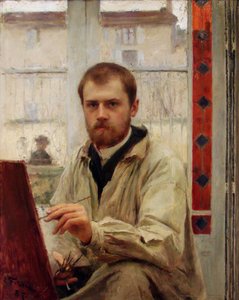
Эмиль Фриант
1863 - 1932 , Франция
Основные сведения
- Artistic Movement Or Style: Realism
- Artists Who Influenced This Artist:
- Louis-Théodore Devilly
- Alexandre Cabanel
- Date Of Birth: April 16, 1863
- Date Of Death: June 9, 1932
- Full Name: Émile Friant
- Nationality: French
- Notable Artworks:
- La Toussaint
- Self-portrait
- Place Of Birth: Dijon, France