

 Предпросмотр
 Поделиться
 Поделиться
 Детали произведения

 Скачать
 Похожие работы
 Рентгенография
 Слайд-шоу
 Статистика
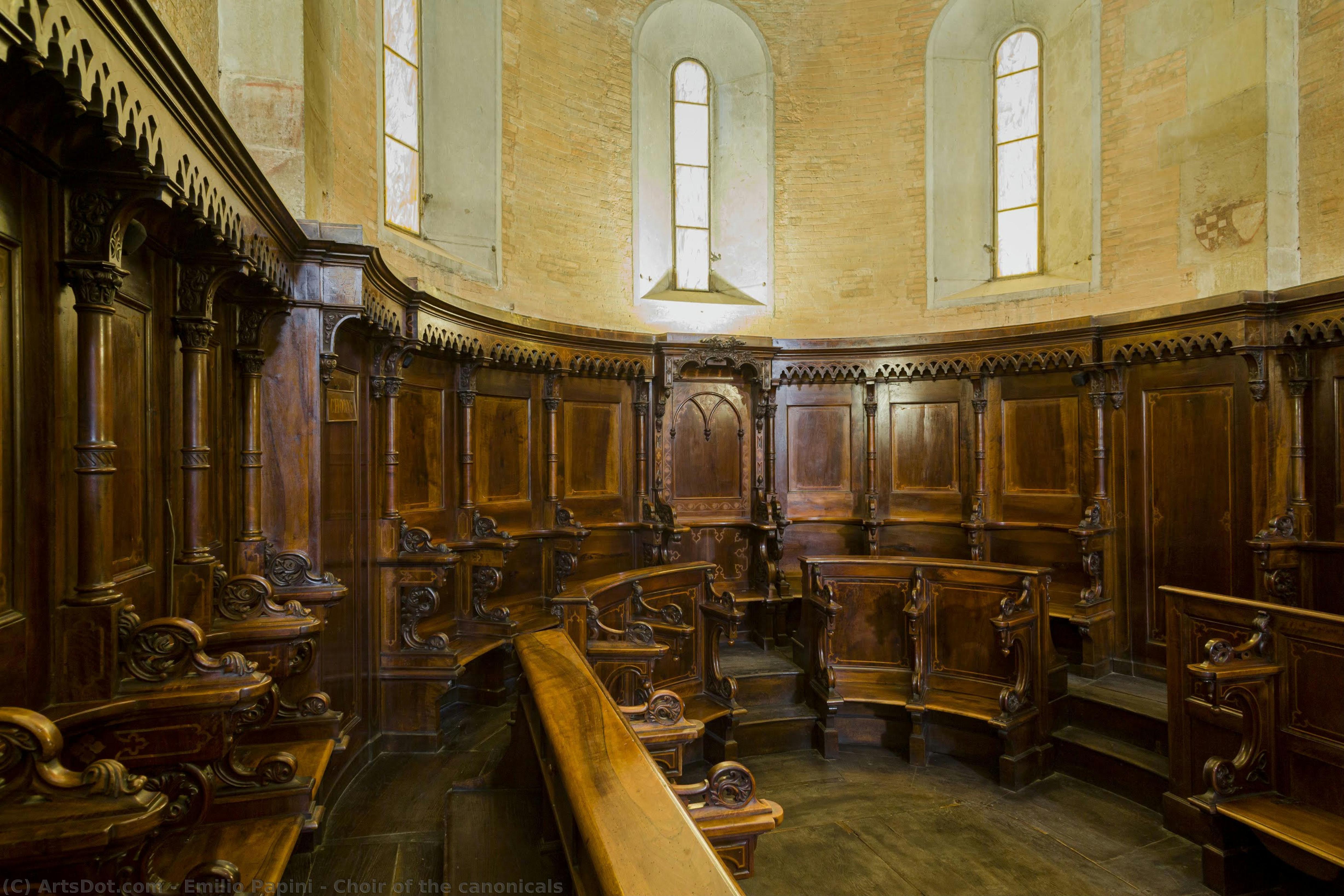
Choir of the canonicals

 Читать далее
Масляная репродукция ручной работы
Картина маслом на холсте в выбранном вами размере и раме, написанная на заказ нашими художниками. ( Перейти к печати Перейти к цифровым изображениям)




































Выберите один из наших стандартных размеров, соответствующих оригинальным пропорциям произведения искусства.

Вы можете указать собственные размеры, чтобы картина идеально вписалась в выбранную раму или пространство. Если выбранный вами размер не соответствует пропорциям оригинала, мы либо обрежем полотно, либо расширим его за счет дополнительных элементов, написанных вручную. Цифровой макет будет отправлен вам на утверждение перед началом производства.
Обратите внимание, что предварительный просмотр на экране не отражает фактическую обрезку или расширение. Только макет точно покажет окончательную композицию.
Хотя доступны индивидуальные размеры, мы рекомендуем выбирать вариант из предопределенного списка, чтобы сохранить исходные пропорции.
После оформления заказа команда ArtsDot.com свяжется с клиентом по электронной почте для уточнения деталей и предоставит предварительный макет
Доставка по всему миру () за 3–4 недели вместо стандартных 5 недель. (12 Сентябрь). Без компромиссов в качестве.

Бесплатная экспресс-доставка по всему миру

Высококачественный льняной холст

Полное страхование доставки

Гарантия возмещения таможенных пошлин

Гарантия точного соответствия цветов

100-дневная политика возврата (только при обнаружении дефектов)

Гарантия возврата 100% средств

Предложение оптовых скидок
 Вариант со стеклом доступен только для размеров менее 110 см

Choir of the canonicals
Техника репродукции
Размер репродукции
-


Итоговая стоимость
$ 263
Похожие произведения








Биография художника
Emilio Papini: A Tuscan Master of Light and Landscape
Born in 1870 in the heart of Tuscany, Emilio Papini’s artistic journey was one deeply rooted in the traditions of the Sienese School while simultaneously embracing a modern sensibility. His life coincided with a period of significant social and political upheaval in Italy – the rise of Fascism, the burgeoning influence of international art movements, and the lingering effects of the late 19th-century aesthetic shifts. Papini’s work reflects this complex era, offering glimpses into both the established artistic landscape and the evolving spirit of his time.
Early influences were undoubtedly shaped by his Tuscan heritage. The Sienese School, renowned for its rich color palettes, dramatic lighting, and focus on religious and mythological subjects, provided a foundational understanding of composition and technique. However, Papini’s travels to Paris in the early 1900s proved transformative. Immersed in the vibrant atmosphere of the Belle Époque, he encountered Impressionism and Post-Impressionism – artists like Monet, Renoir, and Van Gogh – whose techniques of capturing fleeting moments and exploring subjective perception profoundly impacted his own approach. This exposure led to a gradual shift away from the more rigid conventions of the Sienese School towards a looser, more expressive style.
The Evolution of Papini’s Style: From Religious Scenes to Landscapes
Papini's artistic development can be broadly categorized into two distinct phases. Initially, he produced numerous religious paintings and scenes depicting biblical narratives, often characterized by their dramatic lighting, meticulous detail, and a strong sense of emotional intensity. These works demonstrate his mastery of technique and his ability to convey profound spiritual themes. However, beginning in the 1920s, Papini increasingly turned his attention to landscapes – particularly those of Tuscany and the surrounding countryside.
This shift marked a significant departure from his earlier work. The landscapes were no longer simply depictions of scenery; they became imbued with a sense of atmosphere, mood, and personal reflection. He employed a looser brushstroke, allowing for greater spontaneity and a more direct engagement with light and color. His use of warm, saturated hues – ochres, siennas, and yellows – created a luminous quality that captured the essence of the Tuscan sun. Papini’s landscapes weren't merely representations; they were emotional responses to the beauty and tranquility of his surroundings.
Key Works and Notable Achievements
Among Papini’s most celebrated works are “Choir of the Canonicals” (circa 1920), a monumental painting that showcases his technical skill and dramatic flair, and several evocative landscapes depicting the rolling hills and cypress-lined roads of Tuscany. “Porta Capuana,” painted in Naples, exemplifies his ability to capture the atmosphere of a specific place with remarkable detail and emotional resonance. His work has been offered at auction multiple times, with realized prices ranging from $33 to $2,418, depending on the size and medium of the artwork.
Papini’s paintings have been exhibited in Italy and abroad, gaining recognition for their beauty and originality. While he never achieved widespread fame during his lifetime, his work is now appreciated as a significant example of early 20th-century Italian art – a synthesis of traditional techniques and modern influences.
Historical Context and Legacy
Papini’s artistic career unfolded against the backdrop of Italy's tumultuous 20th century. The rise of Fascism profoundly impacted the country’s cultural landscape, with restrictions placed on certain artistic styles and themes. Despite these challenges, Papini continued to create art that reflected his personal vision and his deep connection to Tuscany. His landscapes, in particular, offer a poignant glimpse into a disappearing world – a world of rural beauty and traditional values.
Today, Emilio Papini’s work is recognized for its evocative qualities, its skillful use of color and light, and its ability to capture the spirit of Tuscany. He remains an important figure in Italian art history, representing a bridge between tradition and modernity – a testament to the enduring power of landscape painting.
emilio papini
1870 - 1950 , Italy
Основные сведения
- Artistic Movement Or Style: La Plata painting
- Date Of Birth: 1870, Italy
- Date Of Death: 1950
- Full Name: Emilio Papini
- Nationality: Italian
- Notable Artworks:
- Choir of the Canonicals
- Oriental landscape
- Place Of Birth: Italy (Senese School)