

 Поделиться
 Поделиться
 Детали произведения

 Скачать
 Похожие работы
 Слайд-шоу
 Статистика
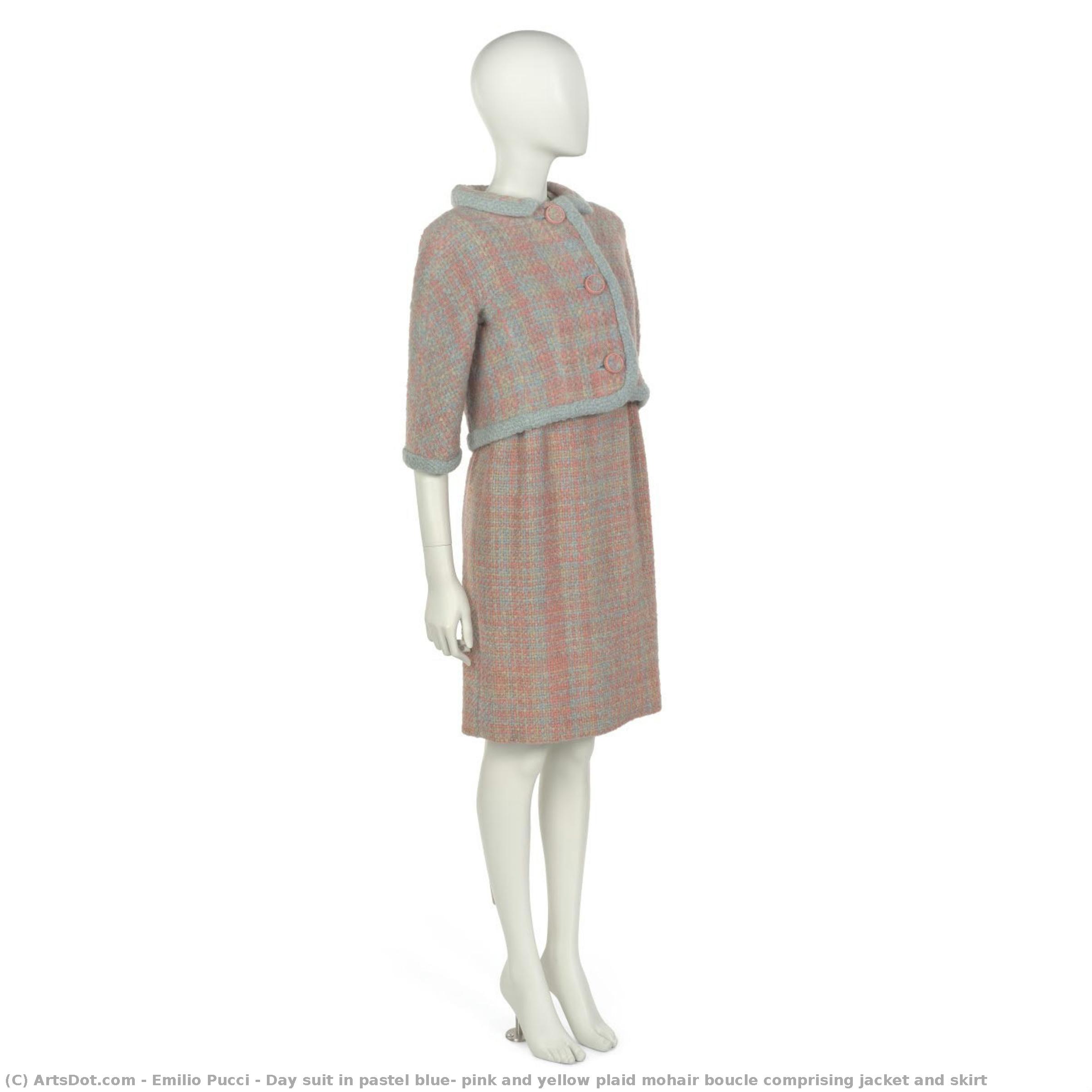
Day suit in pastel blue, pink and yellow plaid mohair boucle comprising jacket and skirt


 Читать далее
Приобретите цифровое изображение высокого разрешения в улучшенном качестве, которое значительно превосходит онлайн-превью.
Каждый файл тщательно подготавливается нашими специалистами с использованием передовых инструментов и экспертной ручной ретуши. Мы гарантируем исключительную четкость, точную цветопередачу и детальную проработку каждого изображения.
Финальный файл доставляется по электронной почте в течение 72 часов и оптимизирован для немедленного использования в профессиональной среде, при верстке и печати. Это тот же уровень качества, которому доверяют ведущие дизайнерские студии, издательства и галереи.
Цифровое изображение
Скачайте файл высокого разрешения для личного использования, печати и творческих проектов. ( Перейти к печати Купить картину ручной работы)
Включено в каждый заказ цифровых изображений
Гарантия экспертной цифровой доставки
Выбирая ArtsDot.com, вы получаете не просто изображение — вы приобретаете профессионально обработанное цифровое произведение искусства, созданное с безупречной точностью и под защитой гарантии качества. Вот всё, что автоматически входит в ваш заказ:

Мгновенная доставка по e-mail
Ваш цифровой файл в высоком разрешении будет отправлен вам по электронной почте в течение 72 часов после оформления заказа — и сразу станет доступен для использования.

Цифровой файл с ИИ-улучшением
Ваше произведение искусства проходит профессиональную оптимизацию с использованием передовых инструментов ИИ и ручной обработки, что гарантирует максимальную детализацию, четкость и точность цветопередачи.

Бессрочная бесплатная повторная доставка
Случайно удалили или потеряли файл? Не беспокойтесь — мы отправим его вам повторно в любое время и совершенно бесплатно.

Без импортных пошлин — навсегда
Наслаждайтесь вашим произведением искусства мгновенно без таможенных пошлин, сборов или затрат на доставку — цифровые загрузки всегда не облагаются налогом.

Гарантия точности цветопередачи
Мы гарантируем, что ваше цифровое изображение максимально точно передает оригинальные цвета благодаря использованию профессиональных инструментов и систем управления цветом.

Гарантия удовлетворенности 100 дней
Если вы не будете удовлетворены своим цифровым изображением, мы внесем правки или вернем 100% стоимости в течение 100 дней — без лишних вопросов.

100% Гарантия возврата средств
Не удовлетворены покупкой? Получите полный возврат средств в течение 100 дней после получения цифрового файла — без лишних вопросов.

Скидки на оптовые заказы
Купите 3 изображения, сэкономьте 10% — Купите 5, сэкономьте 15% — Купите 10+, сэкономьте 20%. Отличное решение для творческих проектов, галерей и агентств.
A Vision of Pastel Elegance: Emilio Pucci’s Day Suit – A Snapshot of Midcentury Glamour
The 1960s were defined by optimism, bold experimentation in fashion and design, and a fascination with exotic locales. Emilio Pucci’s “Day suit in pastel blue, pink and yellow plaid mohair boucle comprising jacket and skirt” embodies this spirit perfectly—a testament to Italian haute couture's embrace of playful color palettes and innovative textiles during a pivotal moment in cultural history. More than just clothing, it represents an aesthetic ideal that continues to resonate with designers and collectors today.- Historical Context: Pucci’s atelier flourished amidst the burgeoning postwar economic boom and the rise of international travel. Capri, his home base, became synonymous with luxury and glamour—a haven for artists, writers, and celebrities seeking inspiration. The suit reflects this era's desire for effortless sophistication, prioritizing comfort alongside visual impact.
- Fabric & Technique: Crafted from mohair boucle – a textured yarn created by twisting together strands of mohair (goat hair) and nylon – the fabric itself speaks volumes about Pucci’s commitment to pushing boundaries. Boucle’s distinctive ripple effect lends an air of movement and texture, mirroring the dynamism of the decade. The meticulous construction—featuring silk lining, concealed buttons, and precise tailoring—demonstrates Pucci's mastery of craftsmanship.
- Color Palette & Design: The pastel hues – shades of blue, pink, and yellow interwoven in a bold plaid pattern – are deliberately chosen to evoke feelings of serenity and joy. This harmonious blend contrasts sharply with the geometric precision of the design itself. Pucci’s signature floral motifs subtly infuse the garment with natural beauty, aligning with the broader trend toward organic forms and influences.
- Symbolism & Aesthetic Impact: The suit embodies a key element of midcentury style: understated glamour. It prioritizes elegance over ostentation, conveying confidence and refinement without resorting to excessive embellishment. Pucci’s aesthetic championed fluidity and movement—a reaction against the rigid formality of earlier decades—and this spirit continues to inspire designers seeking to capture the essence of an era defined by optimism and artistic innovation.
Detailed Examination: Composition & Material Considerations
The photograph’s frontal perspective emphasizes the garment's form, allowing viewers to appreciate its sculptural qualities. The neutral background serves as a counterpoint to the vibrant colors of the fabric, ensuring that the suit remains the focal point. Pucci’s use of silk lining—a luxurious material chosen for its drape and sheen—further enhances the overall impression of elegance. Furthermore, the meticulous attention to detail—from the concealed buttons to the precise tailoring—underscores Pucci's dedication to achieving perfection in his creations.A Legacy Enduring Style
Emilio Pucci’s “Day suit” transcends mere fashion; it encapsulates a cultural moment characterized by optimism and artistic exploration. Its enduring appeal lies in its harmonious blend of color, texture, and form—elements that continue to inspire designers today. Reproductions of this iconic garment offer a tangible connection to the glamour and sophistication of the 1960s, allowing collectors and interior decorators alike to infuse their spaces with a touch of timeless elegance.Похожие произведения
Биография художника
Early Life and Education
- Born: November 20, 1914, Naples, Italy
- Died: November 29, 1992, Florence, Italy
- Emilio Pucci came from a wealthy aristocratic Florentine family.
- He demonstrated an early interest in sports and education.
- Pucci studied agriculture, political science, and social science at various universities including the University of Milan, the University of Georgia (USA), and Reed College (Oregon).
- While at Reed College, he earned a skiing scholarship and received an MA in social science.
World War II Service and Early Fashion Beginnings
- During World War II, Pucci served as a bomber pilot in the Italian Air Force, rising to the rank of captain.
- He was involved in a plan to save Count Galeazzo Ciano's life, demonstrating courage and resourcefulness.
- After the war, he leveraged his experience designing uniforms for the Reed College ski team into creating sportswear.
- His designs gained recognition when Toni Frissell photographed one of his outfits for Harper’s Bazaar in 1947.
- This led to Pucci being commissioned to design women's ski clothes, marking the beginning of his fashion career.
The Rise of Emilio Pucci Fashion
- In 1949, Pucci established a couture house in Capri and began producing swimwear and silk scarves.
- His designs were characterized by vibrant colors, bold geometric patterns, and innovative use of stretch fabrics.
- Stanley Marcus of Neiman Marcus played a key role in promoting his work, leading to the creation of blouses and printed silk dresses.
- Pucci's fashion house quickly gained popularity among the international jet set.
- Notable clients included Marilyn Monroe, Sophia Loren, and Jackie Kennedy, solidifying his status as a prominent designer.
Artistic Style and Legacy
- Distinctive Prints: Pucci is best known for his kaleidoscopic prints featuring geometric shapes, swirling patterns, and vibrant colors.
- Innovative Fabrics: He pioneered the use of stretch fabrics in clothing, creating comfortable and flattering designs.
- Influence on Fashion: His bold aesthetic significantly influenced 1960s fashion and continues to inspire contemporary designers.
- Brand Expansion: Pucci expanded his brand into lingerie, knitwear, accessories, ceramics, and perfume.
- Continued Success: After Emilio's death in 1992, his daughter Laudomia continued to lead the company, maintaining its artistic vision. LVMH acquired a majority stake in Pucci in 2000.
Political Career and Later Years
- Pucci served as a member of the Italian Parliament from 1963 to 1972 representing the Florence constituency.
- He also held a position as a city counselor in Florence.
- His political career demonstrates his broader engagement with Italian society beyond fashion.
- The Pucci family has a long history of political involvement in Florence, adding another layer to Emilio's legacy.
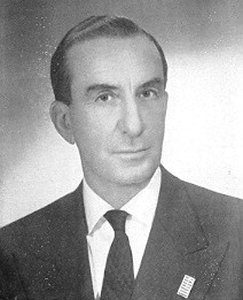
emilio pucci
1914 - 1992 , Italy
Основные сведения
- Artistic Movement Or Style: Geometric prints, vibrant colors
- Artists Or Movements Influenced By This Artist: ['Benvenuto Cellini']
- Date Of Birth: November 20, 1914
- Date Of Death: November 29, 1992
- Full Name: Emilio Pucci, Marchese di Barsento
- Nationality: Italian
- Notable Artworks:
- Dress of black cashmere jersey
- Evening ensemble in cotton velveteen
- Place Of Birth: Naples, Italy