

 Поделиться
 Поделиться
 Детали произведения

 Скачать
 Похожие работы
 Слайд-шоу
 Статистика
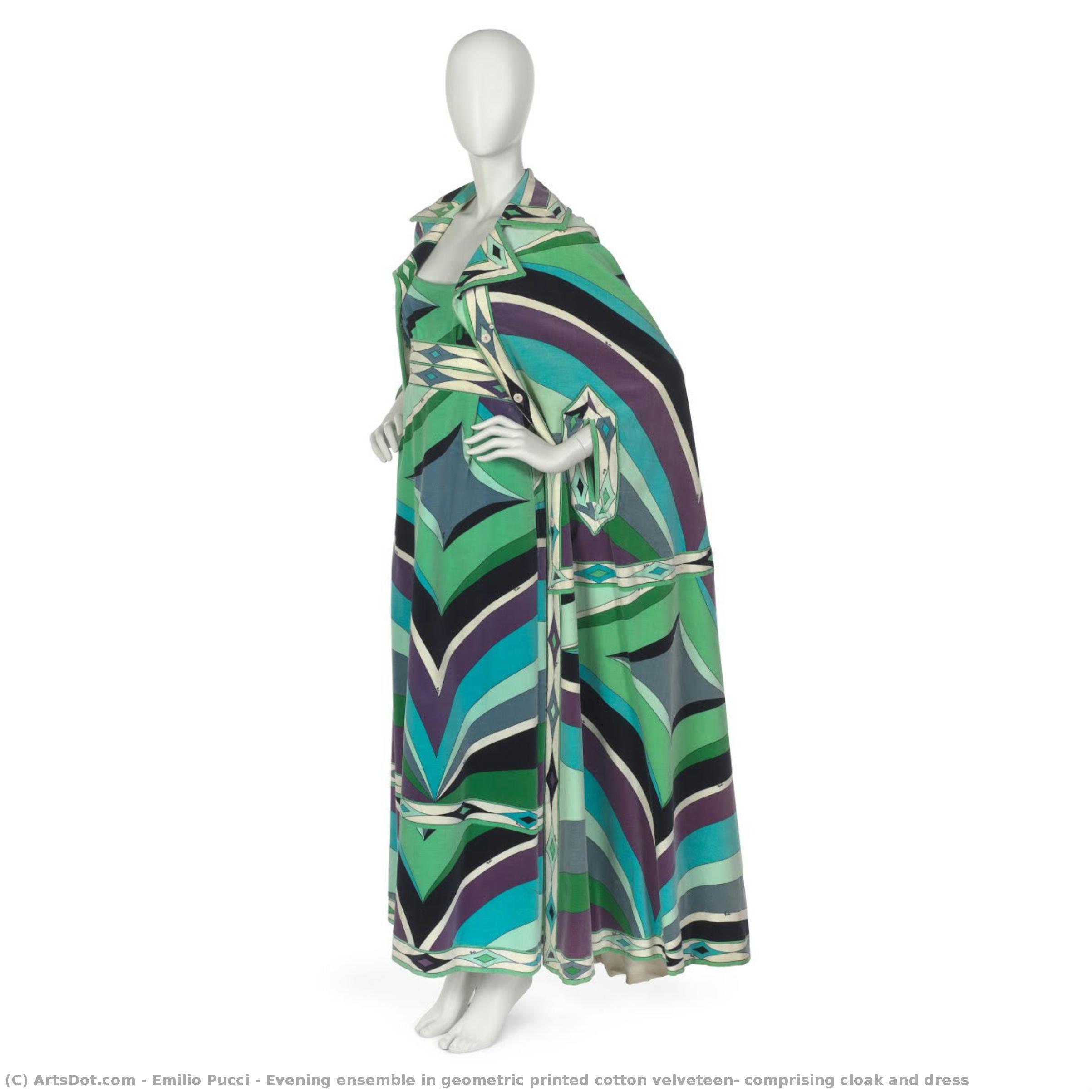
Evening ensemble in geometric printed cotton velveteen, comprising cloak and dress


 Читать далее
Масляная репродукция ручной работы
Картина маслом на холсте в выбранном вами размере и раме, написанная на заказ нашими художниками. ( Перейти к печати Перейти к цифровым изображениям)




































Выберите один из наших стандартных размеров, соответствующих оригинальным пропорциям произведения искусства.

Вы можете указать собственные размеры, чтобы картина идеально вписалась в выбранную раму или пространство. Если выбранный вами размер не соответствует пропорциям оригинала, мы либо обрежем полотно, либо расширим его за счет дополнительных элементов, написанных вручную. Цифровой макет будет отправлен вам на утверждение перед началом производства.
Обратите внимание, что предварительный просмотр на экране не отражает фактическую обрезку или расширение. Только макет точно покажет окончательную композицию.
Хотя доступны индивидуальные размеры, мы рекомендуем выбирать вариант из предопределенного списка, чтобы сохранить исходные пропорции.
После оформления заказа команда ArtsDot.com свяжется с клиентом по электронной почте для уточнения деталей и предоставит предварительный макет
Доставка по всему миру () за 3–4 недели вместо стандартных 5 недель. (11 Сентябрь). Без компромиссов в качестве.

Бесплатная экспресс-доставка по всему миру

Высококачественный льняной холст

Полное страхование доставки

Гарантия возмещения таможенных пошлин

Гарантия точного соответствия цветов

100-дневная политика возврата (только при обнаружении дефектов)

Гарантия возврата 100% средств

Предложение оптовых скидок
 Вариант со стеклом доступен только для размеров менее 110 см

Evening ensemble in geometric printed cotton velveteen, comprising cloak and dress
Техника репродукции
Размер репродукции
-


Итоговая стоимость
$ 263
A Symphony of Color and Geometry: Emilio Pucci’s 1969 Masterpiece
The image before you isn't merely a depiction of clothing; it’s a portal into the vibrant, optimistic spirit of the late 1960s. This striking evening ensemble, created by the visionary Italian designer Emilio Pucci in 1969, embodies his signature style – a bold fusion of geometric abstraction, luxurious textures, and an unapologetic celebration of color. It’s a piece that transcends its function as mere apparel, becoming a statement of sophisticated glamour and artistic innovation.
At first glance, the composition is dominated by a riot of hues: Kelly green, seafoam blue, turquoise, deep purple, and sharp black coalesce into an intricate, stylized geometric pattern. This isn’t a naive floral print; instead, it's a carefully constructed arrangement of interlocking shapes – lozenges, rectangles, and triangles – that create a dynamic sense of movement. The velvet material itself contributes to this effect, its plush texture subtly enhancing the visual rhythm of the design. The choice of cotton velveteen speaks volumes about Pucci’s understanding of luxury; it offers both tactile richness and a surprising lightness, perfectly balancing formality with ease.
The Architect of Color: Emilio Pucci's Design Philosophy
Pucci’s genius lay in his ability to translate abstract concepts into wearable art. He wasn’t simply decorating fabric; he was designing patterns that felt like architectural structures, echoing the modernist movement prevalent at the time. Influenced by his background in social science and a fascination with travel – particularly the vibrant landscapes of Morocco and the Mediterranean – Pucci sought to capture the essence of these places through his designs. The geometric motifs aren’t arbitrary; they represent stylized interpretations of natural forms, suggesting rolling hills, shimmering water, or the intricate patterns found in traditional textiles.
His approach was revolutionary for the fashion industry. Prior to Pucci, designers often relied on traditional floral prints and pastel palettes. He dared to embrace bold colors, unconventional shapes, and a distinctly masculine sensibility – qualities that resonated deeply with the burgeoning youth culture of the 1960s. This ensemble is a prime example of his ability to seamlessly blend high fashion with a sense of playful experimentation.
A Glimpse into a Golden Age: Context and Legacy
The 1969 evening ensemble exists within a pivotal moment in fashion history – the era of “Swinging Sixties.” Post-war optimism, social change, and a burgeoning youth culture fueled a desire for self-expression and experimentation. Pucci’s designs perfectly captured this spirit, becoming synonymous with glamour, sophistication, and a touch of rebellious flair. The piece was created for Saks Fifth Avenue, indicating its exclusivity and appeal to the affluent clientele who embraced Pucci's innovative style.
Furthermore, it’s important to note that Pucci’s work anticipated many trends that would emerge in subsequent decades – from the rise of geometric patterns in interior design to the use of bold color combinations. His influence can be seen in the work of designers like Pierre Cardin and Yves Saint Laurent, who both drew inspiration from his innovative approach to fashion. Today, Emilio Pucci’s designs remain highly sought after by collectors and are frequently reproduced as luxurious fabrics for upholstery and home décor, ensuring that his legacy continues to inspire and delight.
Похожие произведения

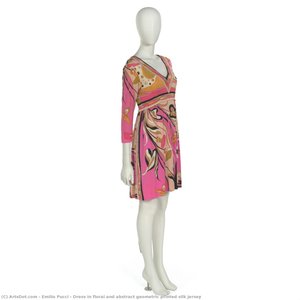
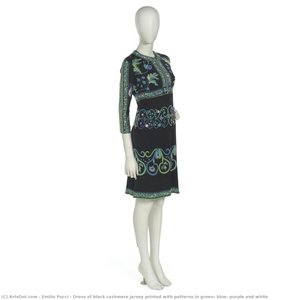
Биография художника
Early Life and Education
- Born: November 20, 1914, Naples, Italy
- Died: November 29, 1992, Florence, Italy
- Emilio Pucci came from a wealthy aristocratic Florentine family.
- He demonstrated an early interest in sports and education.
- Pucci studied agriculture, political science, and social science at various universities including the University of Milan, the University of Georgia (USA), and Reed College (Oregon).
- While at Reed College, he earned a skiing scholarship and received an MA in social science.
World War II Service and Early Fashion Beginnings
- During World War II, Pucci served as a bomber pilot in the Italian Air Force, rising to the rank of captain.
- He was involved in a plan to save Count Galeazzo Ciano's life, demonstrating courage and resourcefulness.
- After the war, he leveraged his experience designing uniforms for the Reed College ski team into creating sportswear.
- His designs gained recognition when Toni Frissell photographed one of his outfits for Harper’s Bazaar in 1947.
- This led to Pucci being commissioned to design women's ski clothes, marking the beginning of his fashion career.
The Rise of Emilio Pucci Fashion
- In 1949, Pucci established a couture house in Capri and began producing swimwear and silk scarves.
- His designs were characterized by vibrant colors, bold geometric patterns, and innovative use of stretch fabrics.
- Stanley Marcus of Neiman Marcus played a key role in promoting his work, leading to the creation of blouses and printed silk dresses.
- Pucci's fashion house quickly gained popularity among the international jet set.
- Notable clients included Marilyn Monroe, Sophia Loren, and Jackie Kennedy, solidifying his status as a prominent designer.
Artistic Style and Legacy
- Distinctive Prints: Pucci is best known for his kaleidoscopic prints featuring geometric shapes, swirling patterns, and vibrant colors.
- Innovative Fabrics: He pioneered the use of stretch fabrics in clothing, creating comfortable and flattering designs.
- Influence on Fashion: His bold aesthetic significantly influenced 1960s fashion and continues to inspire contemporary designers.
- Brand Expansion: Pucci expanded his brand into lingerie, knitwear, accessories, ceramics, and perfume.
- Continued Success: After Emilio's death in 1992, his daughter Laudomia continued to lead the company, maintaining its artistic vision. LVMH acquired a majority stake in Pucci in 2000.
Political Career and Later Years
- Pucci served as a member of the Italian Parliament from 1963 to 1972 representing the Florence constituency.
- He also held a position as a city counselor in Florence.
- His political career demonstrates his broader engagement with Italian society beyond fashion.
- The Pucci family has a long history of political involvement in Florence, adding another layer to Emilio's legacy.
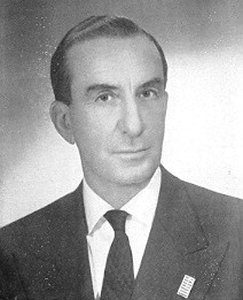
emilio pucci
1914 - 1992 , Italy
Основные сведения
- Artistic Movement Or Style: Geometric prints, vibrant colors
- Artists Or Movements Influenced By This Artist: ['Benvenuto Cellini']
- Date Of Birth: November 20, 1914
- Date Of Death: November 29, 1992
- Full Name: Emilio Pucci, Marchese di Barsento
- Nationality: Italian
- Notable Artworks:
- Dress of black cashmere jersey
- Evening ensemble in cotton velveteen
- Place Of Birth: Naples, Italy
Похожие статьи

The Enduring Legacy of Fine Art Prints: Technique, History & Aesthetic Impact
Explore the rich history & techniques of fine art prints. Discover investment potential, assess authenticity, and learn how to preserve your collection with expert guidance. Trusted insights for discerning collectors.

Геометрическая абстракция: 10 шедевров, изменивших искусство | ArtsDot.com
Погрузитесь в мир геометрической абстракции! От Кандинского до Малевича – 10 шедевров, изменивших искусство. Узнайте историю создания и значение культовых картин. Репродукции музейного качества на ArtsDot.com. Вдохновение для вашего интерьера!
The Enduring Legacy of Printmaking: Techniques, Themes & Artistic Innovation Across Centuries
Explore the rich history of printmaking with ArtsDot. Discover techniques from intaglio to lithography, learn about collecting valuable prints & find museum-quality reproductions. Expert insights for art enthusiasts and collectors.

Echoes of Time: Exploring the Enduring Appeal & Historical Context of Vintage Art Prints
Explore the captivating world of vintage art prints! Discover their history, collecting tips & enduring appeal. Expert insights on chromolithography and building a legacy collection with ArtsDot.

Giclée Prints: Archival Quality & Aesthetic Nuances for the Discerning Collector
Explore the world of giclée prints with ArtsDot. Learn about archival quality, aesthetic nuances & investment potential. Expert guidance for discerning art collectors seeking museum-quality reproductions and lasting value.