

 Предпросмотр
 Поделиться
 Поделиться
 Детали произведения

 Скачать
 Похожие работы
 Рентгенография
 Слайд-шоу
 Статистика
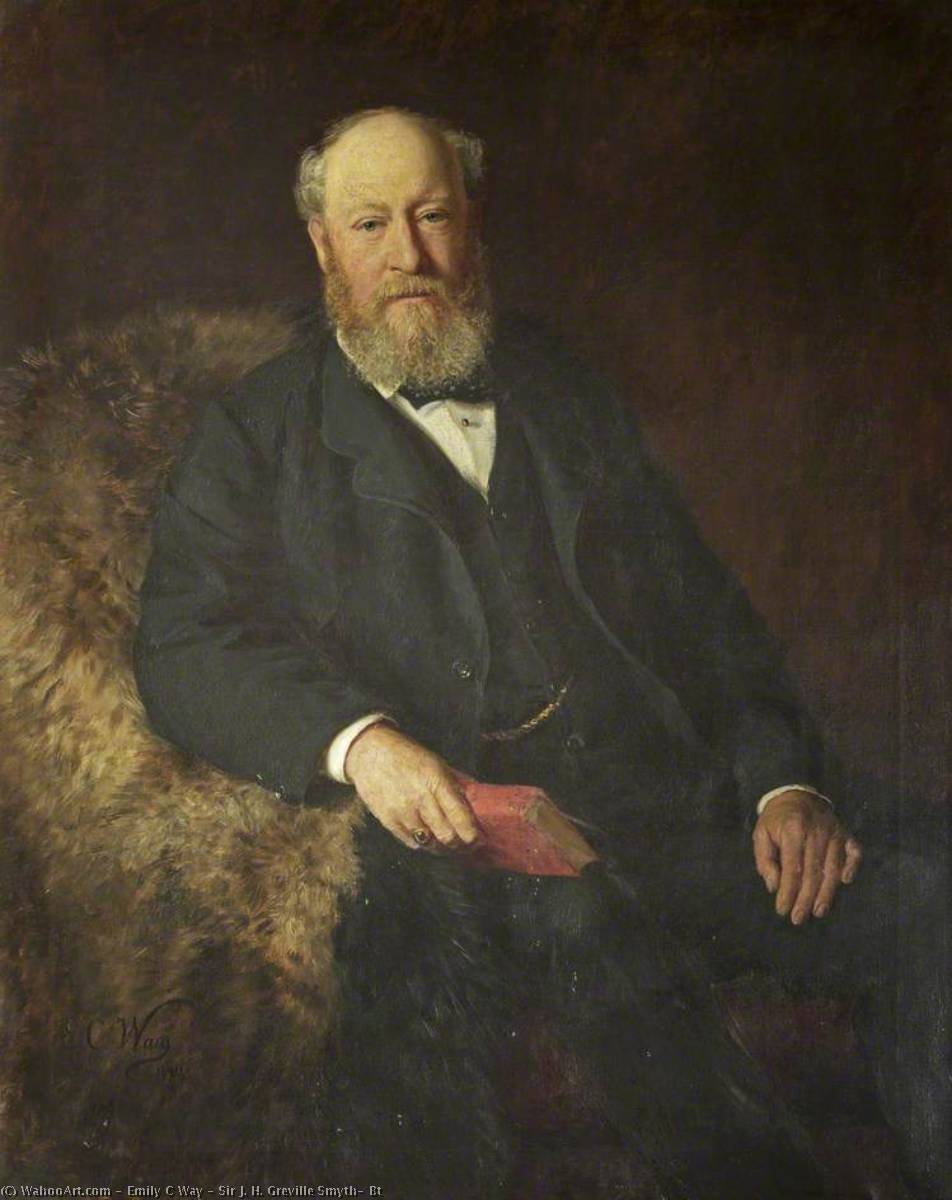
Sir J. H. Greville Smyth, Bt
 1890
1890 126.0 x 100.0 cm
 Бристольский музей и художественная галерея
 Читать далее
Приобретите цифровое изображение высокого разрешения в улучшенном качестве, которое значительно превосходит онлайн-превью.
Каждый файл тщательно подготавливается нашими специалистами с использованием передовых инструментов и экспертной ручной ретуши. Мы гарантируем исключительную четкость, точную цветопередачу и детальную проработку каждого изображения.
Финальный файл доставляется по электронной почте в течение 72 часов и оптимизирован для немедленного использования в профессиональной среде, при верстке и печати. Это тот же уровень качества, которому доверяют ведущие дизайнерские студии, издательства и галереи.
Цифровое изображение
Скачайте файл высокого разрешения для личного использования, печати и творческих проектов. ( Перейти к печати Купить картину ручной работы)
Включено в каждый заказ цифровых изображений
Гарантия экспертной цифровой доставки
Выбирая ArtsDot.com, вы получаете не просто изображение — вы приобретаете профессионально обработанное цифровое произведение искусства, созданное с безупречной точностью и под защитой гарантии качества. Вот всё, что автоматически входит в ваш заказ:

Мгновенная доставка по e-mail
Ваш цифровой файл в высоком разрешении будет отправлен вам по электронной почте в течение 72 часов после оформления заказа — и сразу станет доступен для использования.

Цифровой файл с ИИ-улучшением
Ваше произведение искусства проходит профессиональную оптимизацию с использованием передовых инструментов ИИ и ручной обработки, что гарантирует максимальную детализацию, четкость и точность цветопередачи.

Бессрочная бесплатная повторная доставка
Случайно удалили или потеряли файл? Не беспокойтесь — мы отправим его вам повторно в любое время и совершенно бесплатно.

Без импортных пошлин — навсегда
Наслаждайтесь вашим произведением искусства мгновенно без таможенных пошлин, сборов или затрат на доставку — цифровые загрузки всегда не облагаются налогом.

Гарантия точности цветопередачи
Мы гарантируем, что ваше цифровое изображение максимально точно передает оригинальные цвета благодаря использованию профессиональных инструментов и систем управления цветом.

Гарантия удовлетворенности 100 дней
Если вы не будете удовлетворены своим цифровым изображением, мы внесем правки или вернем 100% стоимости в течение 100 дней — без лишних вопросов.

100% Гарантия возврата средств
Не удовлетворены покупкой? Получите полный возврат средств в течение 100 дней после получения цифрового файла — без лишних вопросов.

Скидки на оптовые заказы
Купите 3 изображения, сэкономьте 10% — Купите 5, сэкономьте 15% — Купите 10+, сэкономьте 20%. Отличное решение для творческих проектов, галерей и агентств.
Похожие произведения









Биография художника
The Soul of the West Coast: The Life and Vision of Emily Carr
Emily Carr (1871–1945) stands as a singular figure in Canadian art history, a trailblazer who fused the stylistic tenets of Post-Impressionism with an unparalleled sensitivity to British Columbia’s landscapes and the profound spirituality of First Nations culture. Born in Victoria, Canada, her artistic journey began amidst a burgeoning intellectual milieu—the daughter of Michael Eugene Ossebelle (often cited as Richard Carr) and Theresa Osment. Her upbringing provided formative influences that would permeate her entire oeuvre. Raised within a landscape that was simultaneously an expatriate British settlement and the ancestral home of the Songhees First Nation, Carr grew up at a cultural crossroads, a perspective that would later define her unique artistic voice.
Carr's early life was marked by considerable travel, fostering exposure to European art movements like those of Cézanne and Gauguin. These encounters were crucial in shaping her distinctive style, igniting within her an ardent desire to capture the essence of place—specifically the rugged beauty of British Columbia—with uncompromising honesty. Rejecting academic conventions, she championed a bold approach characterized by thick impasto brushstrokes and vibrant color palettes. Her canvases pulsated with life, conveying not merely visual representations but palpable sensations of wind, rain, and sunlight filtering through ancient cedar forests. Her work often featured unexpected colors, swirls of paint, and vibratory textures that included blurred edges and faint geometries, creating a sensorial experience that felt almost magical.
A Dialogue with Tradition and the Land
Her artistic breakthrough arrived in the early 1900s when Carr began documenting the totem poles erected by First Nations communities along British Columbia’s coast. Unlike many artists of her time who approached Indigenous subjects with ethnographic detachment, Carr engaged in genuine dialogue with Elders, immersing herself in their oral traditions and gaining insight into their cosmology. This profound connection resulted in seminal works that sought to capture the spiritual weight of these monumental structures. Her fascination with the indigenous villages and the monumental art of the coast allowed her to bridge the gap between the natural world and human heritage.
As her career progressed, Carr’s work evolved from more traditional depictions toward a modernist abstraction. She became a leading figure in Canadian modernism, standing on par with the legendary Group of Seven. While she was often inspired by the lush, green Pacific Northwest forests, her use of light and expressive brushwork pushed the boundaries of what landscape painting could achieve in Canada. Her ability to translate the heavy, damp atmosphere of the West Coast into paint made her a chronicler of an era that was rapidly changing, capturing the majesty of the old-growth forests before they were irrevocably altered by industrialization.
Literary Legacy and National Iconography
Beyond the canvas, Carr was a vivid writer and a master of prose, a multi-talented artist whose literary contributions were as significant as her visual ones. She was praised for her "complete candour" and "strong prose," qualities that allowed her to document the life of her surroundings with deep intimacy. Her first book, Klee Wyck (1941), won the Governor General's Literary Award for non-fiction, a testament to her ability to weave narrative and observation into a compelling tapestry of human and natural experience. This book remains much in demand today, serving as a vital window into the cultural landscape of the early twentieth century.
Today, Emily Carr is revered as a Canadian national treasure and an icon of the arts. Her historical significance lies not only in her technical mastery but in her role as a bridge between cultures and eras. She remains one of the first artists of national significance to emerge from the West Coast, leaving behind a legacy that continues to inspire awe. Her life's work stands as a testament to the power of observation, the importance of cultural empathy, and the enduring beauty of the Canadian wilderness.
emily c way
1871 - 1945 , Canada
Основные сведения
- Artistic Movement Or Style: Post-Impressionism
- Artists Or Movements Influenced By This Artist: ['Maurice Whistler']
- Artists Who Influenced This Artist:
- Claude Monet
- Vincent van Gogh
- Date Of Birth: 1871
- Date Of Death: 1945
- Full Name: Emily Carr
- Nationality: Canadian
- Notable Artworks:
- Klee Wyck
- Group of Seven
- Place Of Birth: Victoria, Canada