

 Предпросмотр
 Поделиться
 Поделиться
 Детали произведения

 Скачать
 Похожие работы
 Рентгенография
 Слайд-шоу
 Статистика
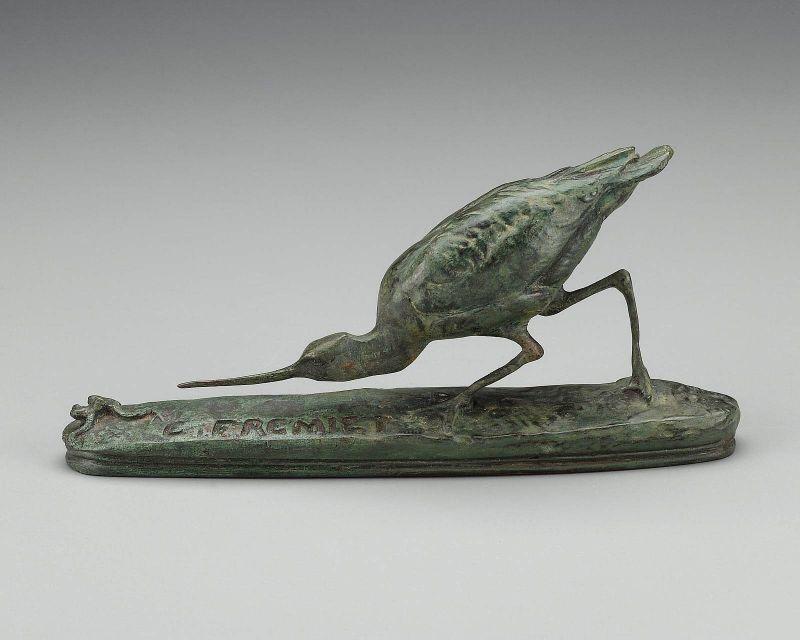
Crane
 7.0 x 3.0 cm
 Музей изящных искусств Бостон
 Читать далее
Жикле / Арт-принт
Печать (жикле) или холст музейного качества с быстрыми сроками изготовления и широким выбором вариантов отделки. ( Купить картину ручной работы Перейти к цифровым изображениям)




































Выберите один из наших стандартных размеров, соответствующих оригинальным пропорциям произведения искусства.

Вы можете указать свои собственные размеры, чтобы репродукция идеально подошла под конкретную раму или пространство. Если выбранный вами размер не будет соответствовать пропорциям оригинала, мы либо обрежем произведение, либо дополним изображение зеркальным отражением краев или однотонной заливкой. Перед началом производства вам будет отправлен цифровой макет для утверждения.
Пожалуйста, обратите внимание, что предварительный просмотр на экране не отображает фактическую обрезку или расширение изображения. Только макет точно покажет финальную композицию.
Несмотря на возможность заказа индивидуальных размеров, мы рекомендуем выбирать размер из предопределенного списка, чтобы сохранить оригинальные пропорции.
Доставка по всему миру () за 2 недели вместо стандартных 4/5 недель. (12 Сентябрь)

Бесплатная экспресс-доставка по всему миру

Высококачественный льняной холст

Полное страхование доставки

Гарантия возмещения таможенных пошлин

Гарантия точного соответствия цветов

100-дневная политика возврата (только при обнаружении дефектов)

Гарантия возврата 100% средств

Предложение оптовых скидок
 Вариант со стеклом доступен только для размеров менее 110 см

Crane
Жикле / Арт-принт
Размер репродукции
-


Итоговая стоимость
$ 62
Похожие произведения





Биография художника
The Sculptor of Nature’s Majesty
Born in the vibrant heart of Paris in 1824, Emmanuel Frémiet emerged as a transformative force in nineteenth-century sculpture, a master who breathed life into cold stone and bronze through an unparalleled devotion to realism. His artistic journey was deeply rooted in the traditions of French excellence, shaped significantly by the mentorship of his uncle, Sophie Frémiet, and the revolutionary sculptor François Rude. These early influences instilled in him a profound respect for anatomical precision and an expressive vitality that would later define his signature style. Before ascending to the heights of monumental fame, Frémiet honed his observational prowess through scientific lithography, a discipline that demanded an exacting eye for detail—a skill that would become the cornerstone of his legendary ability to capture the raw essence of the natural world.
Frémiet’s career is most distinguished by his pioneering role within the Animalier movement, a genre dedicated to the lifelike portrayal of animals. Unlike many of his contemporaries who sought only idealized forms, Frémiet pursued a visceral truth, rendering creatures such as bears, dogs, and primates with such anatomical accuracy that they seemed to pulse with hidden life. His works often transcended mere biological study to convey deep emotion and narrative tension. Whether depicting the tender vulnerability of Pan with Bear Cubs or the harrowing, controversial power dynamics found in his more dramatic compositions, Frémiet utilized texture and form to evoke a sense of movement and instinctual drama that captivated the Victorian era's fascination with natural history.
Monumental Legacies and Heroic Narratives
While his animal studies earned him intimate renown, Frémiet’s ability to command scale allowed him to leave an indelible mark on the Parisian landscape through monumental public works. He possessed a rare talent for imbuing historical and mythological figures with a sense of spiritual fortitude and national pride. His collaborative masterpiece, the Joan of Arc statue in Paris—a project involving the legendary Auguste Rodin—stands as a towering testament to his ability to weave heroic narrative into equestrian sculpture. This work, alongside his commemoration of Ferdinand de Lesseps through the Suez Monument, demonstrates his capacity to handle grand-scale themes of patriotism and human achievement with the same meticulous care he applied to the smallest detail of a creature's fur.
The breadth of Frémiet’s technical mastery is perhaps best observed in the dynamic interplay of light and shadow within his bronze works. In pieces such as Saint George Slaying the Dragon, the viewer is not merely observing a legend but is thrust into the center of a struggle defined by intricate detail and kinetic energy. His life, though marked by periods of economic hardship—including a formative tenure as a painter to the morgue—served only to deepen his understanding of the human condition and the delicate balance between life and death. Ultimately, Emmanuel Frémiet remains a titan of French sculpture, an artist whose legacy resides in the seamless fusion of scientific observation and profound, emotive artistry.
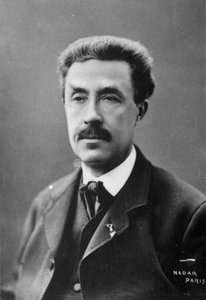
emmanuel frémiet
1824 - 1910 , France
Основные сведения
- Artistic Movement Or Style: Animalier
- Artists Who Influenced This Artist:
- François Rude
- Pierre-Nicolas Tourgueneff
- Date Of Birth: December 6, 1824
- Full Name: Emmanuel Frémiet
- Nationality: French
- Notable Artworks:
- Joan of Arc Statue
- Female Gorilla Carrying off a Negress
- Saint George Slaying the Dragon
- Place Of Birth: Paris, France