

 Поделиться
 Поделиться
 Детали произведения

 Скачать
 Похожие работы
 Слайд-шоу
 Статистика
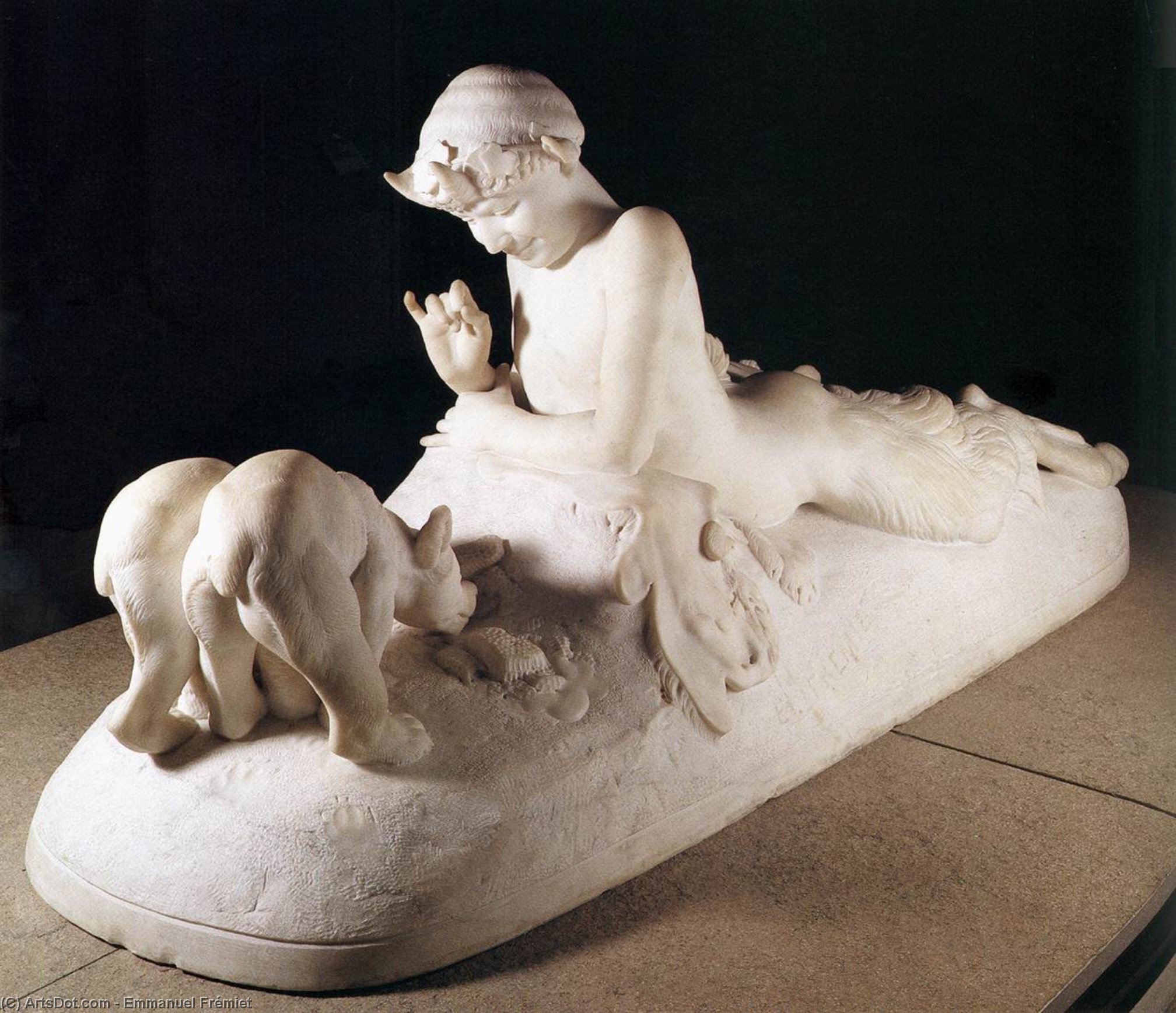
Pan with Bear Cubs
 Marble
- Sculpture
- Animalier
 1867
1867- 19th Century
 82.0 x 182.0 cm
 Музей Орсе
 Читать далее
Приобретите цифровое изображение высокого разрешения в улучшенном качестве, которое значительно превосходит онлайн-превью.
Каждый файл тщательно подготавливается нашими специалистами с использованием передовых инструментов и экспертной ручной ретуши. Мы гарантируем исключительную четкость, точную цветопередачу и детальную проработку каждого изображения.
Финальный файл доставляется по электронной почте в течение 72 часов и оптимизирован для немедленного использования в профессиональной среде, при верстке и печати. Это тот же уровень качества, которому доверяют ведущие дизайнерские студии, издательства и галереи.
Цифровое изображение
Скачайте файл высокого разрешения для личного использования, печати и творческих проектов. ( Перейти к печати Купить картину ручной работы)
Включено в каждый заказ цифровых изображений
Гарантия экспертной цифровой доставки
Выбирая ArtsDot.com, вы получаете не просто изображение — вы приобретаете профессионально обработанное цифровое произведение искусства, созданное с безупречной точностью и под защитой гарантии качества. Вот всё, что автоматически входит в ваш заказ:

Мгновенная доставка по e-mail
Ваш цифровой файл в высоком разрешении будет отправлен вам по электронной почте в течение 72 часов после оформления заказа — и сразу станет доступен для использования.

Цифровой файл с ИИ-улучшением
Ваше произведение искусства проходит профессиональную оптимизацию с использованием передовых инструментов ИИ и ручной обработки, что гарантирует максимальную детализацию, четкость и точность цветопередачи.

Бессрочная бесплатная повторная доставка
Случайно удалили или потеряли файл? Не беспокойтесь — мы отправим его вам повторно в любое время и совершенно бесплатно.

Без импортных пошлин — навсегда
Наслаждайтесь вашим произведением искусства мгновенно без таможенных пошлин, сборов или затрат на доставку — цифровые загрузки всегда не облагаются налогом.

Гарантия точности цветопередачи
Мы гарантируем, что ваше цифровое изображение максимально точно передает оригинальные цвета благодаря использованию профессиональных инструментов и систем управления цветом.

Гарантия удовлетворенности 100 дней
Если вы не будете удовлетворены своим цифровым изображением, мы внесем правки или вернем 100% стоимости в течение 100 дней — без лишних вопросов.

100% Гарантия возврата средств
Не удовлетворены покупкой? Получите полный возврат средств в течение 100 дней после получения цифрового файла — без лишних вопросов.

Скидки на оптовые заказы
Купите 3 изображения, сэкономьте 10% — Купите 5, сэкономьте 15% — Купите 10+, сэкономьте 20%. Отличное решение для творческих проектов, галерей и агентств.
The Mythic Embrace: Pan with Bear Cubs
To gaze upon Emmanuel Frémiet’s "Pan with Bear Cubs" is to step directly into a moment suspended between the wild and the divine. This magnificent marble sculpture, dating from 1867, transcends mere representation; it captures an intimate tableau of nature's untamed spirit meeting mythological grace. The composition centers on Pan, the rustic god of the wild woods in Greek lore, depicted here in a posture of gentle guardianship. At his feet rest two bear cubs, their presence lending the scene an immediate, palpable sense of tenderness and raw vitality. Frémiet masterfully orchestrates this gathering, inviting the viewer to contemplate the deep, unspoken bonds that exist between disparate creatures.
Mastery in Marble: Technique and Craftsmanship
Frémiet’s technical prowess is evident in every meticulously carved curve and polished surface of this piece. The choice of marble allows him to achieve a breathtaking verisimilitude, giving the cold stone the illusion of warm, living flesh and soft fur. Observe the delicate musculature suggested on Pan's form, contrasted sharply with the fuzzy texture implied on the bear cubs. His skill as an Animalier artist—a genre he championed—is unparalleled here; the bears do not merely sit; they exist in a state of curious interaction, their poses suggesting weight, playfulness, and burgeoning life. This level of detail requires not only supreme anatomical knowledge but also an almost empathetic understanding of animal behavior.
Symbolism of the Wild and the Divine
The symbolism woven into "Pan with Bear Cubs" is rich for contemplation. Pan himself embodies the spirit of nature—the untamed, fertile energy of the wilderness. By pairing him with bear cubs, Frémiet elevates this natural encounter to a mythic plane. Bears, in many cultures, symbolize strength, instinct, and primal power. The inclusion of the cubs introduces themes of nurturing, innocence, and the cycle of life itself. It is a dialogue between the divine wildness (Pan) and the grounded, enduring mystery of nature’s offspring (the bears). The sculpture speaks to humanity's perennial fascination with the boundary where civilization ends and pure instinct begins.
A Touch for the Modern Collector
For the discerning collector or designer seeking a piece that anchors a space with narrative depth, this work offers profound emotional resonance. While its origins are rooted in 19th-century Parisian sculpture, its themes—the enduring bond, the majesty of nature—remain timeless. Owning a reproduction of "Pan with Bear Cubs" is not simply acquiring décor; it is curating a focal point steeped in mythology and artistry. It brings the quiet drama of an ancient woodland scene into the refined elegance of any interior setting, serving as a perpetual source of contemplation on beauty, guardianship, and the enduring spirit of life.
Похожие произведения


Биография художника
The Sculptor of Nature’s Majesty
Born in the vibrant heart of Paris in 1824, Emmanuel Frémiet emerged as a transformative force in nineteenth-century sculpture, a master who breathed life into cold stone and bronze through an unparalleled devotion to realism. His artistic journey was deeply rooted in the traditions of French excellence, shaped significantly by the mentorship of his uncle, Sophie Frémiet, and the revolutionary sculptor François Rude. These early influences instilled in him a profound respect for anatomical precision and an expressive vitality that would later define his signature style. Before ascending to the heights of monumental fame, Frémiet honed his observational prowess through scientific lithography, a discipline that demanded an exacting eye for detail—a skill that would become the cornerstone of his legendary ability to capture the raw essence of the natural world.
Frémiet’s career is most distinguished by his pioneering role within the Animalier movement, a genre dedicated to the lifelike portrayal of animals. Unlike many of his contemporaries who sought only idealized forms, Frémiet pursued a visceral truth, rendering creatures such as bears, dogs, and primates with such anatomical accuracy that they seemed to pulse with hidden life. His works often transcended mere biological study to convey deep emotion and narrative tension. Whether depicting the tender vulnerability of Pan with Bear Cubs or the harrowing, controversial power dynamics found in his more dramatic compositions, Frémiet utilized texture and form to evoke a sense of movement and instinctual drama that captivated the Victorian era's fascination with natural history.
Monumental Legacies and Heroic Narratives
While his animal studies earned him intimate renown, Frémiet’s ability to command scale allowed him to leave an indelible mark on the Parisian landscape through monumental public works. He possessed a rare talent for imbuing historical and mythological figures with a sense of spiritual fortitude and national pride. His collaborative masterpiece, the Joan of Arc statue in Paris—a project involving the legendary Auguste Rodin—stands as a towering testament to his ability to weave heroic narrative into equestrian sculpture. This work, alongside his commemoration of Ferdinand de Lesseps through the Suez Monument, demonstrates his capacity to handle grand-scale themes of patriotism and human achievement with the same meticulous care he applied to the smallest detail of a creature's fur.
The breadth of Frémiet’s technical mastery is perhaps best observed in the dynamic interplay of light and shadow within his bronze works. In pieces such as Saint George Slaying the Dragon, the viewer is not merely observing a legend but is thrust into the center of a struggle defined by intricate detail and kinetic energy. His life, though marked by periods of economic hardship—including a formative tenure as a painter to the morgue—served only to deepen his understanding of the human condition and the delicate balance between life and death. Ultimately, Emmanuel Frémiet remains a titan of French sculpture, an artist whose legacy resides in the seamless fusion of scientific observation and profound, emotive artistry.
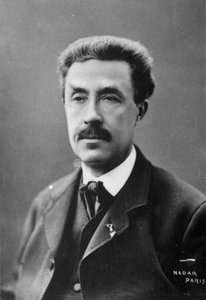
emmanuel frémiet
1824 - 1910 , France
Основные сведения
- Artistic Movement Or Style: Animalier
- Artists Who Influenced This Artist:
- François Rude
- Pierre-Nicolas Tourgueneff
- Date Of Birth: December 6, 1824
- Full Name: Emmanuel Frémiet
- Nationality: French
- Notable Artworks:
- Joan of Arc Statue
- Female Gorilla Carrying off a Negress
- Saint George Slaying the Dragon
- Place Of Birth: Paris, France