

 Предпросмотр
 Поделиться
 Поделиться
 Детали произведения

 Скачать
 Похожие работы
 Рентгенография
 Слайд-шоу
 Статистика
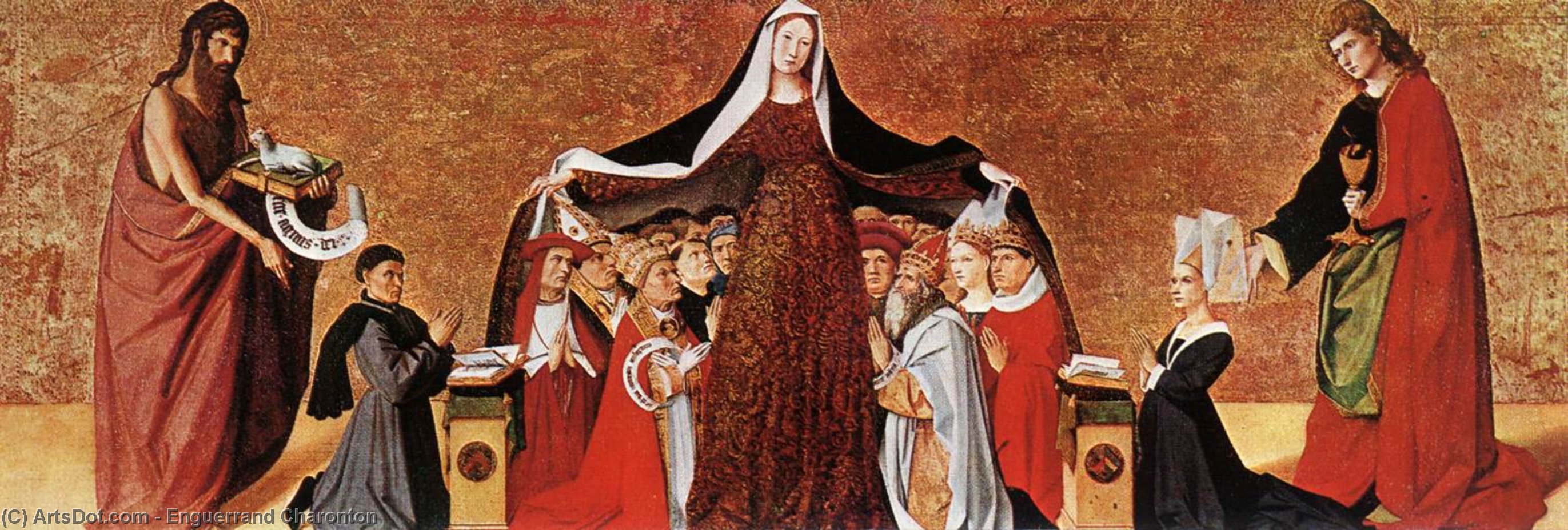
The Virgin of Mercy
 Oil
Oil- WallArt
- International Gothic
 1452
1452- Renaissance
 66.0 x 187.0 cm
 Музей Конде
 Читать далее
Масляная репродукция ручной работы
Картина маслом на холсте в выбранном вами размере и раме, написанная на заказ нашими художниками. ( Перейти к печати Перейти к цифровым изображениям)




P118B $10

P118H $10

P118W $10

P438Z $10

P508JH $12

P508YH $12

P805H $10

P805Z $10

P919BZ $10

P919G $10

P919XJ $10

P959ZH $10

P968JZ $12

W106C $8

W218G $10

W218JH $8

W218Y $10

W307PJ $10

W316G $10

W316PJ $8

W316Y $10

W398PJ $8

W4111J $10

W500HY $15

W500JH $15

W692G $12

W849H $8

W940BG $15

W953PJ $8




Выберите один из наших стандартных размеров, соответствующих оригинальным пропорциям произведения искусства.

Вы можете указать собственные размеры, чтобы картина идеально вписалась в выбранную раму или пространство. Если выбранный вами размер не соответствует пропорциям оригинала, мы либо обрежем полотно, либо расширим его за счет дополнительных элементов, написанных вручную. Цифровой макет будет отправлен вам на утверждение перед началом производства.
Обратите внимание, что предварительный просмотр на экране не отражает фактическую обрезку или расширение. Только макет точно покажет окончательную композицию.
Хотя доступны индивидуальные размеры, мы рекомендуем выбирать вариант из предопределенного списка, чтобы сохранить исходные пропорции.
После оформления заказа команда ArtsDot.com свяжется с клиентом по электронной почте для уточнения деталей и предоставит предварительный макет
Доставка по всему миру () за 3–4 недели вместо стандартных 5 недель. (12 Сентябрь). Без компромиссов в качестве.

Бесплатная экспресс-доставка по всему миру

Высококачественный льняной холст

Полное страхование доставки

Гарантия возмещения таможенных пошлин

Гарантия точного соответствия цветов

100-дневная политика возврата (только при обнаружении дефектов)

Гарантия возврата 100% средств

Предложение оптовых скидок
 Вариант со стеклом доступен только для размеров менее 110 см

The Virgin of Mercy
Техника репродукции
Размер репродукции
-


Итоговая стоимость
$ 263
A Celestial Embrace: The Divine Presence in Charonton's Masterpiece
In the quiet, hallowed atmosphere of 15th-century Provence, a profound spiritual vision was captured through the brush of Enguerrand Charonton. His masterpiece, The Virgin of Mercy, serves as more than just a religious icon; it is a window into a world where the earthly and the divine intersect in a moment of eternal grace. The painting presents a breathtaking tableau centered on the Virgin Mary, whose maternal tenderness is palpable as she cradles the infant Jesus. Surrounding this central duo is a celestial assembly of angels and devotees, creating a sense of a sacred gathering that transcends time. The composition breathes with a rhythmic vitality, where figures in various states of prayer—some kneeling in humble adoration, others standing in silent reverence—weave a tapestry of devotion that draws the viewer into their shared spiritual ecstasy.
The technique employed by Charonton reflects the transitionary brilliance of the mid-15th century, bridging the intricate, detailed traditions of the Northern Gothic style with the emerging structural clarity of the early Renaissance. Every fold of the heavy, sculptural drapery and every subtle glint of light on the surrounding objects is rendered with a meticulous precision that commands attention. The artist utilizes a palette that feels both grounded and ethereal, using light to sculpt the forms of the figures, giving them a weight and presence that makes them feel almost tangible within the frame. This mastery of form ensures that even in a reproduction, the depth and texture of the original work remain strikingly evocative, making it a centerpiece capable of anchoring any sophisticated interior.
Symbolism and the Architecture of Devotion
Beyond its visual splendor, The Virgin of Mercy is rich with symbolic layers intended to guide the contemplative mind. The presence of the two bowls—one positioned near the upper periphery and another toward the lower corner—serves as a subtle reminder of the sustenance provided by divine grace and the ritualistic nature of communal worship. These elements, though seemingly modest, ground the celestial event in a sense of tangible reality, suggesting that the mercy of the Virgin is a gift available to all through the sacraments. The arrangement of the figures, moving from the earthly realm of the kneeling worshippers toward the heavenly heights of the angels, creates a visual hierarchy that mirrors the soul's own journey toward enlightenment and salvation.
For the discerning collector or interior designer, this artwork offers an unparalleled opportunity to introduce a sense of historical gravity and serene beauty into a space. Whether placed in a grand hall to inspire awe or in a quiet study to foster reflection, the painting’s emotional impact is profound. It does not merely decorate a wall; it transforms an environment, inviting a mood of tranquility and timelessness. Owning a high-quality reproduction of this Charonton classic means preserving a fragment of the Provençal Renaissance, bringing the poignant beauty of 1452 into the modern home with all its original majesty and spiritual depth intact.
Похожие произведения
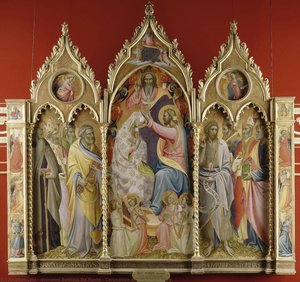
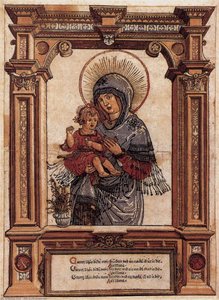
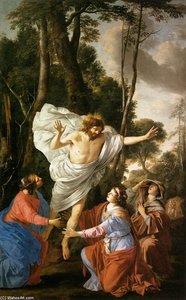
Биография художника
Enguerrand Charonton: A Forgotten Master of Provençal Renaissance
Enguerrand Quarton, as he was also known – a name often intertwined and sometimes obscured by the passage of time – stands as a pivotal figure in the development of 15th-century French art. Born in Laon around 1410 and tragically dying in Avignon circa 1466, Charonton’s career unfolded during a period of intense artistic ferment, bridging the Gothic traditions of his youth with the burgeoning influences of Italy and the Netherlands. While he remains relatively unknown to the general public today, art historians increasingly recognize him as one of the most significant artists of his era, particularly for his profoundly moving Pietàs and meticulously rendered religious scenes.
Charonton’s early life is shrouded in some mystery. Records suggest he was trained within the Picardy region, a center renowned for its skilled artisans. However, around 1444, he migrated south to Provence – a region that would become indelibly linked to his artistic legacy. This move coincided with a period of significant political and cultural change; Avignon had served as the seat of the papacy during the Western Schism, attracting a diverse population including Italian merchants and artists. This cosmopolitan environment undoubtedly shaped Charonton’s artistic sensibilities, exposing him to a wide range of stylistic influences.
The Two Defining Works: *Coronation of the Virgin* and *Virgin of Mercy*
Despite his active career spanning nearly two decades, only two paintings are definitively attributed to Charonton with absolute certainty. These remarkable works – the *Coronation of the Virgin* (1453-54) and the *Virgin of Mercy* (1452) – offer invaluable insights into his artistic style and technical prowess. The *Coronation of the Virgin*, housed in Villeneuve-les-Avignon, is a monumental altarpiece that exemplifies Charonton’s masterful command of composition, color, and perspective. It's a complex work, deeply rooted in both Gothic and Italian traditions. The depiction of the Trinity – an unusual feature for the time – is particularly striking, presenting God the Father, Son, and Holy Spirit as identical figures, a concept reflecting theological debates prevalent during Charonton’s lifetime.
The *Virgin of Mercy*, now residing in the Musée Condé at Chantilly, offers a more intimate yet equally compelling portrait of the Virgin Mary. This panel painting showcases Charonton's ability to imbue his figures with profound emotional depth and psychological realism. The contract for this work reveals a collaborative effort between Charonton and Pierre Villate, highlighting the artist’s willingness to engage in partnerships that enhanced his creative vision. The painting’s use of muted colors and subtle shading contributes to its serene and contemplative atmosphere.
Influences and Artistic Style
Charonton's artistic style is characterized by a unique synthesis of influences. He absorbed the monumental scale and sculptural qualities of Gothic art from his early training, while simultaneously embracing the innovations introduced by Italian Renaissance painters – particularly in terms of perspective and color theory. The influence of the Netherlands is also evident in his use of linear patterning and meticulous detail. His works are not simply decorative; they possess a profound sense of depth and spatial awareness, reflecting a sophisticated understanding of artistic principles.
Notably, Charonton’s work demonstrates an early adoption of techniques that would later become hallmarks of the French Renaissance. He skillfully blended religious iconography with humanist ideals, creating images that were both spiritually evocative and aesthetically pleasing. His meticulous attention to detail—particularly in rendering facial features and drapery—is a testament to his artistic skill and dedication.
The Avignon Pietà: A Legacy Reclaimed
Perhaps the most significant aspect of Charonton’s legacy is the ongoing debate surrounding the attribution of the *Pietà of Villeneuve-les-Avignon* in the Louvre Museum. For decades, this masterpiece was widely considered to be the work of Jean Fouquet. However, recent scholarship has increasingly supported the theory that Charonton was its true creator. The stylistic similarities between the *Pietà* and Charonton’s other works—particularly the emotional intensity of the figures and the sophisticated use of color—are compelling evidence in favor of this attribution. The Louvre now largely accepts this view, recognizing Charonton as a key figure in the development of French Renaissance art.
Enguerrand Quarton's story is one of artistic rediscovery. Despite being largely forgotten for centuries, his paintings continue to captivate viewers with their beauty, emotional depth, and profound spiritual resonance. His work stands as a testament to the enduring power of art to transcend time and connect us to the human experience.
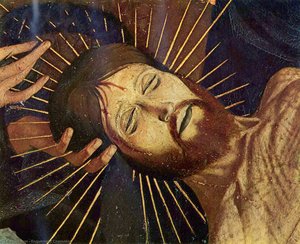
enguerrand charonton
1412 - 1466 , France
Основные сведения
- Artistic Movement Or Style: School of Provence
- Artists Or Movements Influenced By This Artist: ['Subsequent Provençal painting']
- Artists Who Influenced This Artist:
- Simone Martini
- Jean Fouquet
- Date Of Birth: c. 1410, Laon
- Date Of Death: c. 1466, Avignon
- Full Name: Enguerrand Quarton
- Nationality: French
- Notable Artworks:
- Coronation of the Virgin
- Virgin of Mercy
- Avignon Pietà
- Place Of Birth: Laon, France
Похожие статьи
Jacob Henricus Maris: A Master of Dutch Atmospheric Realism & the Intimate Landscape
Explore the captivating world of Jacob Henricus Maris, a leading figure of the Dutch Hague School. Discover his atmospheric landscapes, signature brushstrokes & lasting influence on 19th-century art. Learn more at ArtsDot.

Фра Анджелико: Топ-25 шедевров эпохи Возрождения для вашего интерьера
Погрузитесь в мир Фра Анджелико! Топ-25 шедевров Возрождения – религиозные фрески, алтари и картины с ангелами. Узнайте историю искусства и вдохновитесь для декора дома. Репродукции картин высокого качества на ArtsDot.com.

Джотто ди Бондоне: 25 шедевров великого флорентийского мастера | ArtsDot
Погрузитесь в мир Джотто ди Бондоне! 25 величайших шедевров флорентийского мастера – фрески, картины, религиозная живопись. Узнайте историю создания и значение каждой работы. Репродукции картин высокого качества для вашего интерьера на ArtsDot.com
Sacred Narratives Embodied: A Comprehensive Exploration of Religious Iconography in Art History
Explore the rich history of religious iconography in art! Discover symbolism, movements & masterpieces from Byzantine to Renaissance periods. Expert insights for collectors and enthusiasts at ArtsDot.
Sacred Narratives on Canvas: Exploring Religious Painting Through History
Explore the rich history of religious painting with ArtsDot.com! Discover iconic artworks, symbolism & techniques from antiquity to the Renaissance. Enhance your art appreciation today.