

 Предпросмотр
 Поделиться
 Поделиться
 Детали произведения

 Скачать
 Похожие работы
 Рентгенография
 Слайд-шоу
 Статистика
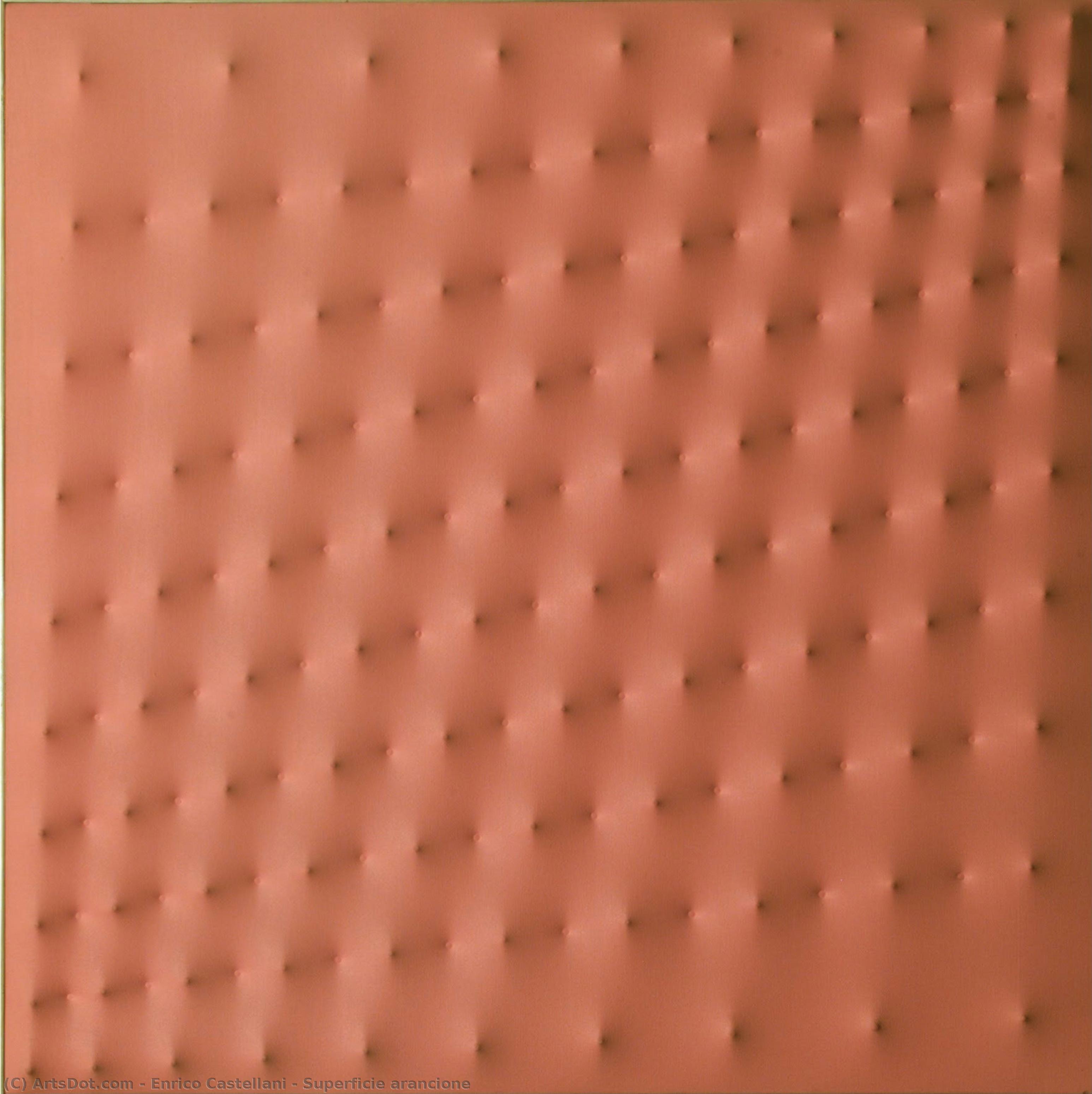
Superficie arancione
 Minimalism
 Modern
 100.0 x 100.0 cm
 Galleria Civica di Arte Moderna e Contemporanea Torino
 Читать далее
Приобретите цифровое изображение высокого разрешения в улучшенном качестве, которое значительно превосходит онлайн-превью.
Каждый файл тщательно подготавливается нашими специалистами с использованием передовых инструментов и экспертной ручной ретуши. Мы гарантируем исключительную четкость, точную цветопередачу и детальную проработку каждого изображения.
Финальный файл доставляется по электронной почте в течение 72 часов и оптимизирован для немедленного использования в профессиональной среде, при верстке и печати. Это тот же уровень качества, которому доверяют ведущие дизайнерские студии, издательства и галереи.
Цифровое изображение
Скачайте файл высокого разрешения для личного использования, печати и творческих проектов. ( Перейти к печати Купить картину ручной работы)
Включено в каждый заказ цифровых изображений
Гарантия экспертной цифровой доставки
Выбирая ArtsDot.com, вы получаете не просто изображение — вы приобретаете профессионально обработанное цифровое произведение искусства, созданное с безупречной точностью и под защитой гарантии качества. Вот всё, что автоматически входит в ваш заказ:

Мгновенная доставка по e-mail
Ваш цифровой файл в высоком разрешении будет отправлен вам по электронной почте в течение 72 часов после оформления заказа — и сразу станет доступен для использования.

Цифровой файл с ИИ-улучшением
Ваше произведение искусства проходит профессиональную оптимизацию с использованием передовых инструментов ИИ и ручной обработки, что гарантирует максимальную детализацию, четкость и точность цветопередачи.

Бессрочная бесплатная повторная доставка
Случайно удалили или потеряли файл? Не беспокойтесь — мы отправим его вам повторно в любое время и совершенно бесплатно.

Без импортных пошлин — навсегда
Наслаждайтесь вашим произведением искусства мгновенно без таможенных пошлин, сборов или затрат на доставку — цифровые загрузки всегда не облагаются налогом.

Гарантия точности цветопередачи
Мы гарантируем, что ваше цифровое изображение максимально точно передает оригинальные цвета благодаря использованию профессиональных инструментов и систем управления цветом.

Гарантия удовлетворенности 100 дней
Если вы не будете удовлетворены своим цифровым изображением, мы внесем правки или вернем 100% стоимости в течение 100 дней — без лишних вопросов.

100% Гарантия возврата средств
Не удовлетворены покупкой? Получите полный возврат средств в течение 100 дней после получения цифрового файла — без лишних вопросов.

Скидки на оптовые заказы
Купите 3 изображения, сэкономьте 10% — Купите 5, сэкономьте 15% — Купите 10+, сэкономьте 20%. Отличное решение для творческих проектов, галерей и агентств.
The Tactile Poetry of Surface and Light
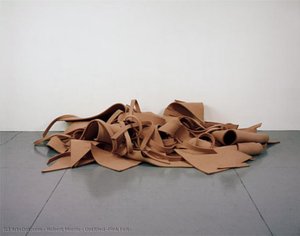
In the realm of contemporary abstraction, few artists have mastered the delicate interplay between physical texture and perceived depth as profoundly as Enrico Castellani. His work, Superficie arancione, serves as a mesmerizing testament to his lifelong pursuit of "paintings of light." At first glance, the viewer is met with a vibrant, pulsating field of color that defies the traditional flatness of the canvas. The piece presents a rhythmic topography of small, raised squares and subtle bumps, creating a surface that feels less like a painted image and more like a living, breathing organism. This intricate texture, reminiscent of fine leather or woven fabric, invites the eye to wander across its undulating landscape, discovering how light catches each minute elevation to create a dance of highlights and soft shadows.
The emotional resonance of this work lies in its ability to transform a simple monochromatic palette into a complex sensory experience. While the title suggests an orange surface, the visual reality is a sophisticated spectrum of pinks and warm tones that shift in intensity depending on the viewer's perspective. This chromatic fluidity creates a sense of movement within a static object, evoking feelings of warmth, comfort, and quiet contemplation. For the discerning collector or interior designer, this piece offers more than mere decoration; it provides an atmospheric anchor. It possesses the rare ability to command attention through its structural complexity while simultaneously harmonizing with modern, minimalist environments through its disciplined, repetitive geometry.
A Legacy of Spatial Innovation
To understand the brilliance of Superficie arancione, one must look toward Castellani’s revolutionary position within the mid-20th-century art movement. As a pioneer who bridged the gap between European abstraction and American Minimalism, Castellani sought to strip painting of its representational burdens. He was not interested in depicting objects, but in sculpting the space that exists between the viewer and the canvas. By utilizing relief and repetitive patterns, he effectively broke the two-dimensional plane, turning the artwork into a sculptural entity that interacts with the ambient light of any room. This technique challenges the very definition of painting, transforming it into an architectural element that breathes alongside the surrounding decor.
Integrating a high-quality reproduction of such a masterpiece into a curated space allows for a profound dialogue between historical significance and modern aesthetics. The rhythmic precision of the raised elements provides a sophisticated texture that complements sleek, contemporary furniture or adds a layer of organic complexity to more traditional settings. Whether placed in a sunlit gallery or a dimly lit study, the work continues to perform its primary function: capturing light and redefining space. It remains an essential choice for those who seek to surround themselves with art that is intellectually stimulating, visually captivating, and eternally modern.
Похожие произведения


Биография художника
Enrico Castellani: Sculpting Light and Space
Enrico Castellani (1930-2017) stands as a pivotal figure in 20th-century art, a pioneer who radically redefined the boundaries of painting. Born in Castelmassa, Italy, a small town nestled within the Veneto region, his artistic journey was marked by a relentless pursuit of spatiality and an innovative engagement with light – concepts he termed “paintings of light.” Castellani’s work wasn't merely about depicting reality; it was about creating immersive experiences that challenged traditional notions of two-dimensionality and invited viewers to actively participate in the artwork’s construction. His legacy extends far beyond Italy, profoundly influencing artists like Donald Judd, who famously recognized him as a foundational figure in minimalism.Early Influences and Artistic Formation
Castellani's artistic trajectory began with formal training in sculpture and painting at the Académie Royale des Beaux-Arts in Brussels, followed by studies in architecture at the École Nationale Supérieure des Beaux-Arts in Belgium. This diverse educational background proved crucial to his later work, providing him with a sophisticated understanding of spatial relationships, material properties, and structural principles. Crucially, he moved to Milan in 1956, immersing himself within a vibrant artistic community that included luminaries like Lucio Fontana and Piero Manzoni. These encounters were instrumental in shaping his artistic vision, pushing him towards experimentation and challenging established conventions. The atmosphere of Milan’s avant-garde scene fostered a spirit of radical innovation, encouraging artists to question the very nature of art itself.The ‘Paintings of Light’ and Geometric Reliefs
Castellani's most significant contribution to the art world lies in his development of what he termed “paintings of light.” Beginning in 1959, he began creating monochromatic geometric reliefs using nails hammered into the frames of stretched canvases. This seemingly simple technique yielded astonishing results – the nails subtly distorted the surface of the canvas, creating a complex interplay of light and shadow that transformed the flat plane into a dynamic topography. The resulting works resembled lunar landscapes or intricate geological formations, evoking a sense of depth and spatial ambiguity. He moved beyond nails to incorporate other materials like hazelnuts and fabrics, further manipulating the surface texture and enhancing the illusion of three-dimensionality. These pieces weren’t static objects; they were constantly shifting in appearance depending on the angle of observation and the quality of light.Association with Azimuth and the Zero Movement
Castellani's artistic explorations coincided with a broader movement within European art – the Zero movement. Founded in 1959 alongside Piero Manzoni, he established the Milan gallery Azimut and its associated journal, *Azimuth*, which became a vital platform for disseminating radical ideas and exhibiting groundbreaking works. The group’s aim was to challenge the dominant trends of Abstract Expressionism and other post-war movements, advocating for a new aesthetic sensibility that prioritized spatiality, materiality, and the exploration of the limits of perception. The “Zero” artists sought to dismantle traditional artistic categories and create a space for experimentation and innovation—a rejection of established norms in favor of pure form and concept.Recognition and Legacy
Castellani’s work gained international recognition throughout the 1960s and beyond, with exhibitions at prestigious institutions such as the Museum of Modern Art (MoMA) in New York, the Solomon R. Guggenheim Museum, Centre Pompidou in Paris, and Stedelijk Museum in Amsterdam. He represented Italy at the Venice Biennale in 1964, 1966, 1984, and 2003, solidifying his position as a leading figure in contemporary art. In 2010, he was awarded the Praemium Imperiale for painting – the first Italian artist to receive this prestigious honor. His influence can be seen in the work of numerous artists, including Donald Judd, who considered him a key precursor to minimalism. Enrico Castellani’s legacy endures as a testament to his innovative spirit and his profound impact on the development of 20th-century art, forever changing our understanding of what painting could be.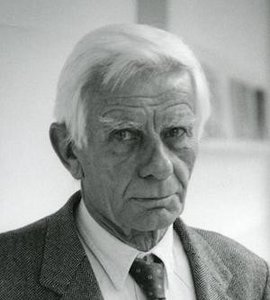
Enrico Castellani
1930 - 2017
Основные сведения
- Artistic Movement Or Style: Zero movement, Minimalist
- Artists Or Movements Influenced By This Artist: ['Vincenzo Agnetti']
- Artists Who Influenced This Artist:
- Donald Judd
- Piero Manzoni
- Date Of Birth: 1930
- Date Of Death: 2017
- Full Name: Enrico Castellani
- Nationality: Italian
- Notable Artworks:
- Paintings of light
- Untitled (793)
- Place Of Birth: Castelmassa, Italy