

 Предпросмотр
 Поделиться
 Поделиться
 Детали произведения

 Скачать
 Похожие работы
 Рентгенография
 Слайд-шоу
 Статистика
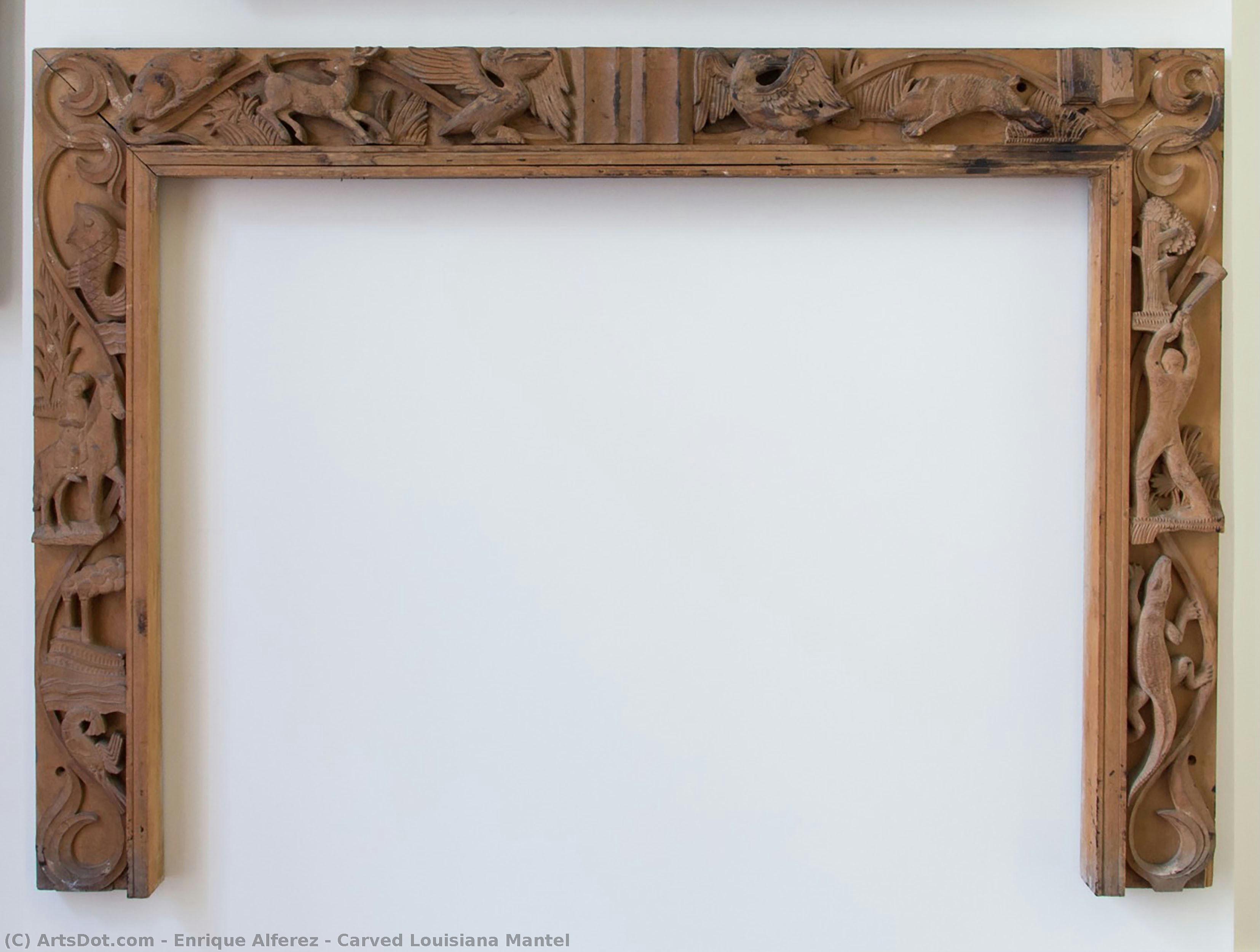
Carved Louisiana Mantel


 Читать далее
Жикле / Арт-принт
Печать (жикле) или холст музейного качества с быстрыми сроками изготовления и широким выбором вариантов отделки. ( Купить картину ручной работы Перейти к цифровым изображениям)




































Выберите один из наших стандартных размеров, соответствующих оригинальным пропорциям произведения искусства.

Вы можете указать свои собственные размеры, чтобы репродукция идеально подошла под конкретную раму или пространство. Если выбранный вами размер не будет соответствовать пропорциям оригинала, мы либо обрежем произведение, либо дополним изображение зеркальным отражением краев или однотонной заливкой. Перед началом производства вам будет отправлен цифровой макет для утверждения.
Пожалуйста, обратите внимание, что предварительный просмотр на экране не отображает фактическую обрезку или расширение изображения. Только макет точно покажет финальную композицию.
Несмотря на возможность заказа индивидуальных размеров, мы рекомендуем выбирать размер из предопределенного списка, чтобы сохранить оригинальные пропорции.
Доставка по всему миру () за 2 недели вместо стандартных 4/5 недель. (13 Сентябрь)

Бесплатная экспресс-доставка по всему миру

Высококачественный льняной холст

Полное страхование доставки

Гарантия возмещения таможенных пошлин

Гарантия точного соответствия цветов

100-дневная политика возврата (только при обнаружении дефектов)

Гарантия возврата 100% средств

Предложение оптовых скидок
 Вариант со стеклом доступен только для размеров менее 110 см

Carved Louisiana Mantel
Жикле / Арт-принт
Размер репродукции
-


Итоговая стоимость
$ 62
Похожие произведения

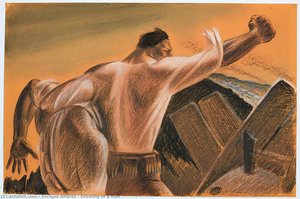


Биография художника
Enrique Alferez: Sculptor of New Orleans’ Soul
Enrique Alferez (1901-1999) wasn't merely a sculptor; he was a chronicler of his city, a voice for its people, and a master of capturing the essence of New Orleans through stone and bronze. Born in a small village nestled within northern Mexico’s rugged landscape – a place that instilled in him an early appreciation for both nature and the enduring traditions of his heritage – Alferez's artistic journey took a dramatic turn at the tender age of twelve when he fled to join the Mexican Revolution. This formative experience, steeped in conflict and social upheaval, profoundly shaped his worldview and fueled a desire to depict the realities of human existence with unflinching honesty.
His early life was marked by a confluence of influences. His father, a skilled woodworker hailing from Zacatecas, imparted a foundational understanding of form and craftsmanship – a legacy that would later inform Alferez’s sculptural techniques. However, it was his encounter with Lorado Taft in 1927, during a lecture tour in El Paso, Texas, that truly ignited his artistic ambitions. Taft, a renowned sculptor known for his neoclassical figures, recognized Alferez's innate talent and invited him to study under him in Chicago. This pivotal period provided Alferez with invaluable training in classical techniques, while simultaneously exposing him to the burgeoning modern art movements of the era – a synthesis of tradition and innovation that would become characteristic of his own distinctive style.
Early Career & Influences
Alferez’s time in Chicago proved transformative. He immersed himself in the city's vibrant artistic scene, absorbing the techniques of the Bauhaus movement and developing a keen eye for detail. Yet, it was his relocation to New Orleans in 1929 that truly cemented his place as a defining figure in the city’s cultural landscape. Drawn by the city’s unique blend of European elegance and Creole spirit, Alferez quickly established himself as a sought-after sculptor, undertaking commissions for prominent buildings and public spaces.
His artistic development was profoundly influenced by Taft's teachings, particularly his emphasis on anatomical accuracy and realistic representation. However, Alferez wasn’t simply a technical imitator; he infused his work with a distinctly Mexican sensibility – evident in the strong lines, dynamic poses, and often-expressive faces of his figures. Furthermore, he drew inspiration from the diverse cultural influences that permeated New Orleans: the grandeur of French architecture, the rhythms of jazz music, and the vibrant traditions of its African American community.
Notable Works & Artistic Style
Alferez’s sculptural output is remarkably varied, encompassing a wide range of subjects and styles. He is perhaps best known for his monumental architectural reliefs, which adorn buildings throughout New Orleans – including the iconic Molly Marine statue at Elk Place, a powerful depiction of a woman in military uniform that challenged prevailing social norms. His work for Charity Hospital, notably “Louisiana in Work and Play” and another limestone carving of medical themes, speaks to the city’s history of disease and resilience.
Beyond these large-scale commissions, Alferez created numerous smaller sculptures, often depicting scenes from everyday life – fishermen casting their nets, children playing in the streets, and laborers working on construction sites. His figures are characterized by a remarkable sense of immediacy and emotional depth, capturing the essence of human experience with both grace and power. He skillfully employed techniques such as bas-relief, bronze casting, and marble carving to achieve his desired effects, demonstrating a mastery of materials and a deep understanding of sculptural form.
Legacy & Historical Significance
Enrique Alferez’s legacy extends far beyond the physical monuments that grace New Orleans. He was a champion of social justice, frequently depicting marginalized communities in his work – notably including Black male figures among those depicted on City Park bridges during a time when such representation was rare and controversial. His sculptures served as powerful statements about equality and inclusivity, reflecting the progressive values of the era.
His contributions to the Works Progress Administration (WPA) further solidified his place in New Orleans’ artistic history. During this period, he produced a significant body of work for public spaces, providing employment opportunities for artists during the Great Depression. Alferez remained active as an artist and teacher well into his later years, passing away in 1999 at the age of 98. His influence continues to be felt throughout New Orleans, where his sculptures serve as enduring reminders of the city’s rich cultural heritage and its commitment to social progress. The Helis Foundation Enrique Alférez Sculpture Garden stands as a testament to his life's work, preserving and celebrating his remarkable artistic legacy for generations to come.
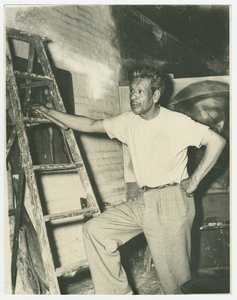
enrique alferez
1901 - 1999 , Mexico
Основные сведения
- Artistic Movement Or Style: Architectural reliefs, Human form
- Artists Or Movements Influenced By This Artist: ['Jean-Antoine Houdon']
- Artists Who Influenced This Artist: ['Lorado Taft']
- Date Of Birth: 1901
- Date Of Death: 1999
- Full Name: Enrique Alferez
- Nationality: Mexican
- Notable Artworks:
- Molly Marine
- Louisiana in Work & Play
- Symbols of Communication
- Place Of Birth: Rural Village, Mexico
Похожие статьи
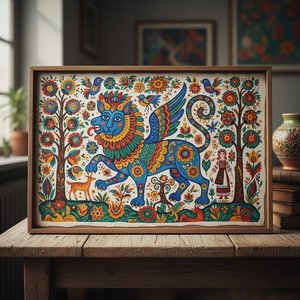
Maria Primachenko: A Legacy of Ukrainian Folk Art & Naive Expression
Discover the captivating world of Maria Primachenko, Ukraine's celebrated naive artist. Explore her vibrant paintings, unique style, and enduring legacy with ArtsDot – your source for authentic art insights & reproductions.
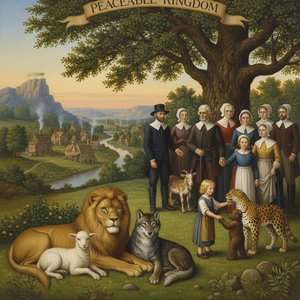
Edward Hicks’ ‘Peaceable Kingdom’: American Folk Art & the Shaping of a National Identity
Explore the profound symbolism & historical context of Edward Hicks’ ‘Peaceable Kingdom.’ Discover how this iconic American folk art masterpiece reflects Quaker values and shaped a nation's identity. Learn more at ArtsDot.

Echoes of Tradition: Exploring the Enduring Legacy of Folk Art Movements
Explore the rich history of folk art movements worldwide! Discover definitions, notable artists, and the enduring legacy of this captivating tradition. Expert insights & high-quality reproductions at ArtsDot.
Blossoms of Time: A Historical & Aesthetic Exploration of Floral Painting Across Cultures
Explore the rich history of floral painting! Discover symbolism, techniques & masterpieces from Van Huysum to O'Keeffe. Expert insights for art lovers & collectors at ArtsDot.
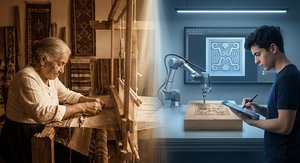
Echoes of Heritage: Continuity & Innovation in Traditional Art Forms
Explore the rich history of cultural heritage & folk art traditions worldwide! Discover inspiring artists, preservation efforts, and museum collections. Find handmade oil paintings & expert insights at ArtsDot.