

 Предпросмотр
 Поделиться
 Поделиться
 Детали произведения

 Скачать
 Похожие работы
 Рентгенография
 Слайд-шоу
 Статистика
Drawing of a Man


 Читать далее
Приобретите цифровое изображение высокого разрешения в улучшенном качестве, которое значительно превосходит онлайн-превью.
Каждый файл тщательно подготавливается нашими специалистами с использованием передовых инструментов и экспертной ручной ретуши. Мы гарантируем исключительную четкость, точную цветопередачу и детальную проработку каждого изображения.
Финальный файл доставляется по электронной почте в течение 72 часов и оптимизирован для немедленного использования в профессиональной среде, при верстке и печати. Это тот же уровень качества, которому доверяют ведущие дизайнерские студии, издательства и галереи.
Цифровое изображение
Скачайте файл высокого разрешения для личного использования, печати и творческих проектов. ( Перейти к печати Купить картину ручной работы)
Включено в каждый заказ цифровых изображений
Гарантия экспертной цифровой доставки
Выбирая ArtsDot.com, вы получаете не просто изображение — вы приобретаете профессионально обработанное цифровое произведение искусства, созданное с безупречной точностью и под защитой гарантии качества. Вот всё, что автоматически входит в ваш заказ:

Мгновенная доставка по e-mail
Ваш цифровой файл в высоком разрешении будет отправлен вам по электронной почте в течение 72 часов после оформления заказа — и сразу станет доступен для использования.

Цифровой файл с ИИ-улучшением
Ваше произведение искусства проходит профессиональную оптимизацию с использованием передовых инструментов ИИ и ручной обработки, что гарантирует максимальную детализацию, четкость и точность цветопередачи.

Бессрочная бесплатная повторная доставка
Случайно удалили или потеряли файл? Не беспокойтесь — мы отправим его вам повторно в любое время и совершенно бесплатно.

Без импортных пошлин — навсегда
Наслаждайтесь вашим произведением искусства мгновенно без таможенных пошлин, сборов или затрат на доставку — цифровые загрузки всегда не облагаются налогом.

Гарантия точности цветопередачи
Мы гарантируем, что ваше цифровое изображение максимально точно передает оригинальные цвета благодаря использованию профессиональных инструментов и систем управления цветом.

Гарантия удовлетворенности 100 дней
Если вы не будете удовлетворены своим цифровым изображением, мы внесем правки или вернем 100% стоимости в течение 100 дней — без лишних вопросов.

100% Гарантия возврата средств
Не удовлетворены покупкой? Получите полный возврат средств в течение 100 дней после получения цифрового файла — без лишних вопросов.

Скидки на оптовые заказы
Купите 3 изображения, сэкономьте 10% — Купите 5, сэкономьте 15% — Купите 10+, сэкономьте 20%. Отличное решение для творческих проектов, галерей и агентств.
The Raw Power of Human Endurance
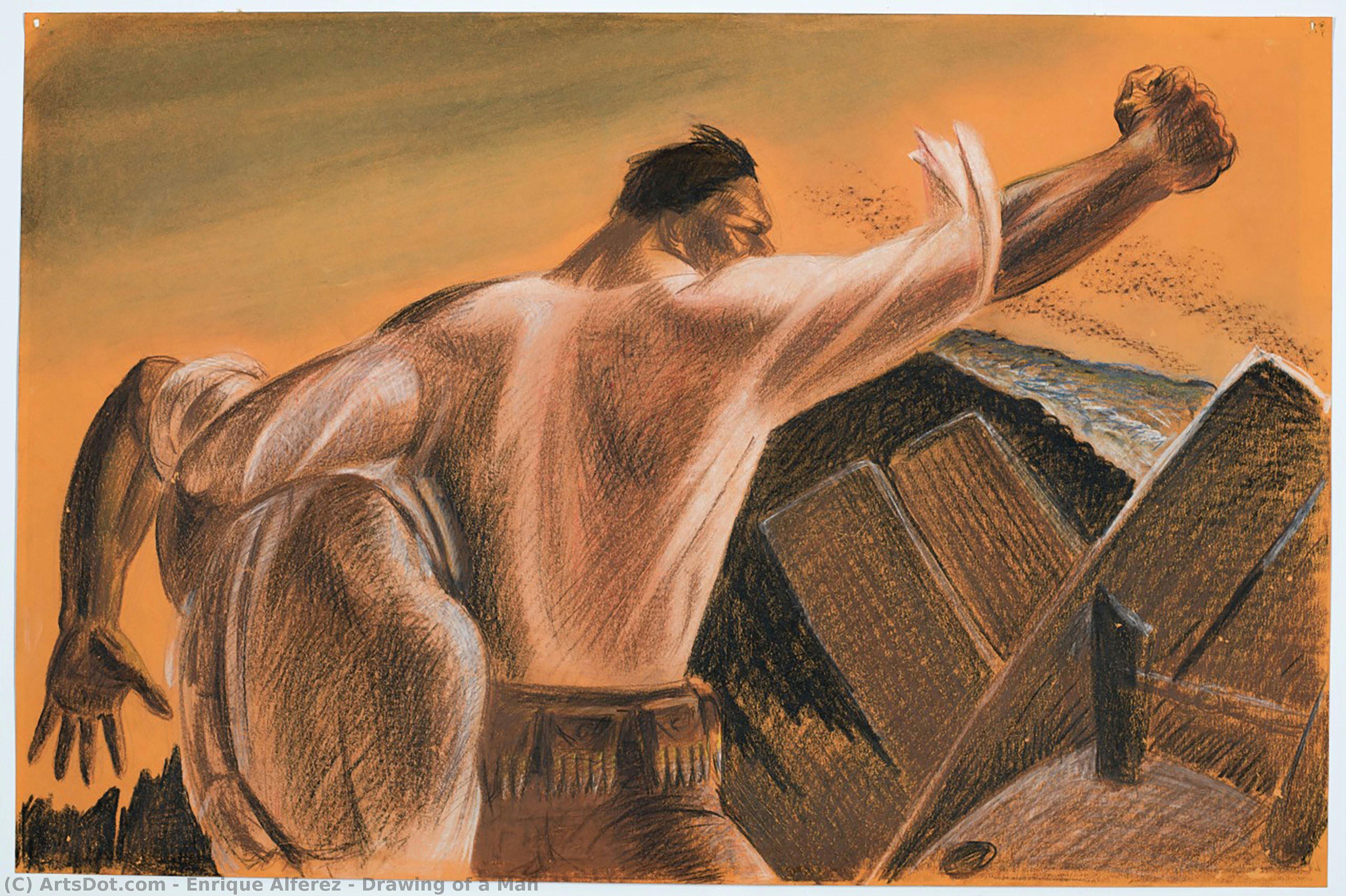
In the evocative charcoal study Drawing of a Man, created in 1940 by the master Enrique Alferez, we are confronted with the visceral reality of physical struggle. The artwork presents a powerfully built male figure caught in a moment of profound exertion, his entire being dedicated to the monumental task of pushing or lifting a massive, rectangular stone block. There is an undeniable gravity to the composition; the diagonal arrangement of the subject’s body creates a sense of kinetic energy that pulls the viewer into the very heart of the labor. Through thick, expressive lines and heavy contours, Alferez defines the straining musculature of the figure, making the weight of the stone feel almost palpable to the observer. The background, bathed in a hazy, warm gradient of orange and yellow, suggests the dying light of a sunset or perhaps the harsh glow of an artificial flame, casting dramatic shadows that accentuate every ripple of effort across the man's form.
The technique employed here is a masterclass in the use of charcoal to convey texture and volume. Alferez does not merely draw; he builds layers of carbon upon paper, creating a rough, tactile surface that mirrors the grit and dust of manual toil. This heavy application allows for a sophisticated play of light and shadow, where the deep blacks of the shadows provide a stark contrast to the luminous, warm tones of the atmosphere. The style leans heavily into Expressionism, prioritizing emotional truth over photographic realism. By slightly distorting the forms and flattening the perspective, the artist focuses our attention on the immediate, crushing weight of the task at hand, ensuring that the viewer feels the tension in the subject's limbs and the heavy breath of his labor.
A Legacy of Strength and Symbolism
Beyond its striking visual impact, Drawing of a Man serves as a profound symbolic meditation on the human condition. The act of moving an immovable object is a timeless metaphor for perseverance, the struggle against adversity, and the indomative spirit required to overcome life's heaviest obstacles. For the collector or the interior designer, this piece offers more than just aesthetic beauty; it provides a narrative of resilience. The geometric solidity of the stone contrasted with the organic, rounded forms of the human body creates a compelling tension between the permanent and the mortal, the obstacle and the force that seeks to move it.
This work is deeply rooted in the historical context of Alferez’s own life and the era in which it was produced. Having been shaped by the social upheavals of the Mexican Revolution, Alferez possessed a unique ability to depict the realities of human existence with unflinching honesty. This drawing reflects that heritage—a celebration of the dignity found in hard work and the raw strength of the individual. For those seeking to adorn a space with art that inspires contemplation and evokes a sense of grounded, monumental importance, this reproduction of Alferez’s 1940 masterpiece stands as an enduring testament to the power of the human will.
Похожие произведения
Биография художника
Enrique Alferez: Sculptor of New Orleans’ Soul
Enrique Alferez (1901-1999) wasn't merely a sculptor; he was a chronicler of his city, a voice for its people, and a master of capturing the essence of New Orleans through stone and bronze. Born in a small village nestled within northern Mexico’s rugged landscape – a place that instilled in him an early appreciation for both nature and the enduring traditions of his heritage – Alferez's artistic journey took a dramatic turn at the tender age of twelve when he fled to join the Mexican Revolution. This formative experience, steeped in conflict and social upheaval, profoundly shaped his worldview and fueled a desire to depict the realities of human existence with unflinching honesty.
His early life was marked by a confluence of influences. His father, a skilled woodworker hailing from Zacatecas, imparted a foundational understanding of form and craftsmanship – a legacy that would later inform Alferez’s sculptural techniques. However, it was his encounter with Lorado Taft in 1927, during a lecture tour in El Paso, Texas, that truly ignited his artistic ambitions. Taft, a renowned sculptor known for his neoclassical figures, recognized Alferez's innate talent and invited him to study under him in Chicago. This pivotal period provided Alferez with invaluable training in classical techniques, while simultaneously exposing him to the burgeoning modern art movements of the era – a synthesis of tradition and innovation that would become characteristic of his own distinctive style.
Early Career & Influences
Alferez’s time in Chicago proved transformative. He immersed himself in the city's vibrant artistic scene, absorbing the techniques of the Bauhaus movement and developing a keen eye for detail. Yet, it was his relocation to New Orleans in 1929 that truly cemented his place as a defining figure in the city’s cultural landscape. Drawn by the city’s unique blend of European elegance and Creole spirit, Alferez quickly established himself as a sought-after sculptor, undertaking commissions for prominent buildings and public spaces.
His artistic development was profoundly influenced by Taft's teachings, particularly his emphasis on anatomical accuracy and realistic representation. However, Alferez wasn’t simply a technical imitator; he infused his work with a distinctly Mexican sensibility – evident in the strong lines, dynamic poses, and often-expressive faces of his figures. Furthermore, he drew inspiration from the diverse cultural influences that permeated New Orleans: the grandeur of French architecture, the rhythms of jazz music, and the vibrant traditions of its African American community.
Notable Works & Artistic Style
Alferez’s sculptural output is remarkably varied, encompassing a wide range of subjects and styles. He is perhaps best known for his monumental architectural reliefs, which adorn buildings throughout New Orleans – including the iconic Molly Marine statue at Elk Place, a powerful depiction of a woman in military uniform that challenged prevailing social norms. His work for Charity Hospital, notably “Louisiana in Work and Play” and another limestone carving of medical themes, speaks to the city’s history of disease and resilience.
Beyond these large-scale commissions, Alferez created numerous smaller sculptures, often depicting scenes from everyday life – fishermen casting their nets, children playing in the streets, and laborers working on construction sites. His figures are characterized by a remarkable sense of immediacy and emotional depth, capturing the essence of human experience with both grace and power. He skillfully employed techniques such as bas-relief, bronze casting, and marble carving to achieve his desired effects, demonstrating a mastery of materials and a deep understanding of sculptural form.
Legacy & Historical Significance
Enrique Alferez’s legacy extends far beyond the physical monuments that grace New Orleans. He was a champion of social justice, frequently depicting marginalized communities in his work – notably including Black male figures among those depicted on City Park bridges during a time when such representation was rare and controversial. His sculptures served as powerful statements about equality and inclusivity, reflecting the progressive values of the era.
His contributions to the Works Progress Administration (WPA) further solidified his place in New Orleans’ artistic history. During this period, he produced a significant body of work for public spaces, providing employment opportunities for artists during the Great Depression. Alferez remained active as an artist and teacher well into his later years, passing away in 1999 at the age of 98. His influence continues to be felt throughout New Orleans, where his sculptures serve as enduring reminders of the city’s rich cultural heritage and its commitment to social progress. The Helis Foundation Enrique Alférez Sculpture Garden stands as a testament to his life's work, preserving and celebrating his remarkable artistic legacy for generations to come.
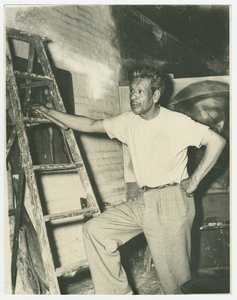
enrique alferez
1901 - 1999 , Mexico
Основные сведения
- Artistic Movement Or Style: Architectural reliefs, Human form
- Artists Or Movements Influenced By This Artist: ['Jean-Antoine Houdon']
- Artists Who Influenced This Artist: ['Lorado Taft']
- Date Of Birth: 1901
- Date Of Death: 1999
- Full Name: Enrique Alferez
- Nationality: Mexican
- Notable Artworks:
- Molly Marine
- Louisiana in Work & Play
- Symbols of Communication
- Place Of Birth: Rural Village, Mexico