

 Предпросмотр
 Поделиться
 Поделиться
 Детали произведения

 Скачать
 Похожие работы
 Рентгенография
 Слайд-шоу
 Статистика
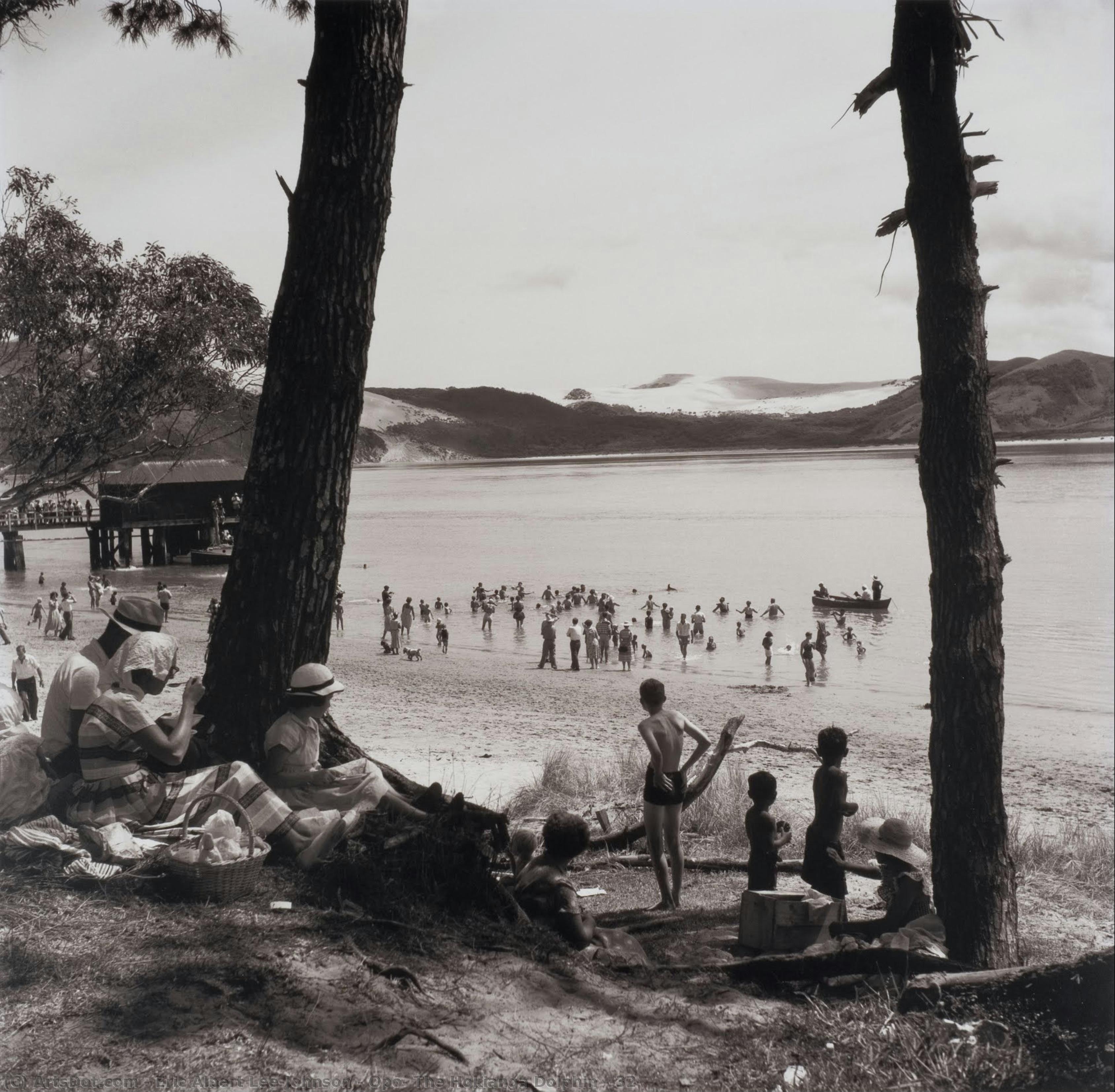
Opo: The Hokianga Dolphin (#32)


 Читать далее
Масляная репродукция ручной работы
Картина маслом на холсте в выбранном вами размере и раме, написанная на заказ нашими художниками. ( Перейти к печати Перейти к цифровым изображениям)




































Выберите один из наших стандартных размеров, соответствующих оригинальным пропорциям произведения искусства.

Вы можете указать собственные размеры, чтобы картина идеально вписалась в выбранную раму или пространство. Если выбранный вами размер не соответствует пропорциям оригинала, мы либо обрежем полотно, либо расширим его за счет дополнительных элементов, написанных вручную. Цифровой макет будет отправлен вам на утверждение перед началом производства.
Обратите внимание, что предварительный просмотр на экране не отражает фактическую обрезку или расширение. Только макет точно покажет окончательную композицию.
Хотя доступны индивидуальные размеры, мы рекомендуем выбирать вариант из предопределенного списка, чтобы сохранить исходные пропорции.
После оформления заказа команда ArtsDot.com свяжется с клиентом по электронной почте для уточнения деталей и предоставит предварительный макет
Доставка по всему миру () за 3–4 недели вместо стандартных 5 недель. (12 Сентябрь). Без компромиссов в качестве.

Бесплатная экспресс-доставка по всему миру

Высококачественный льняной холст

Полное страхование доставки

Гарантия возмещения таможенных пошлин

Гарантия точного соответствия цветов

100-дневная политика возврата (только при обнаружении дефектов)

Гарантия возврата 100% средств

Предложение оптовых скидок
 Вариант со стеклом доступен только для размеров менее 110 см

Opo: The Hokianga Dolphin (#32)
Техника репродукции
Размер репродукции
-


Итоговая стоимость
$ 488
Похожие произведения






Биография художника
Eric Albert Lee-Johnson: A Pioneer of Surreal Landscape and Pacific Vision
Born in the vibrant, multicultural hub of Suva, Fiji, in 1908, Eric Albert Lee-Johnson’s artistic journey was inextricably linked to his unique heritage. His early life, marked by a blend of Fijian, Australian, and potentially Tongan ancestry – tales whispered through generations – instilled within him a profound connection to the land and its people. Moving to New Zealand with his family in 1912, Lee-Johnson’s artistic talent quickly blossomed, nurtured initially by sympathetic teachers at Auckland's Elam School of Art from 1923 to 1926. This formative period laid the groundwork for a distinctive style that would challenge European conventions and forge a uniquely New Zealand identity in his work.
Lee-Johnson’s early career saw him join Wilson & Horton, a prominent newspaper publishing house, where he honed his skills as a lithographer and illustrator. It was here, amidst the bustle of printmaking, that he began to consciously reject the prevailing European artistic models, seeking instead inspiration from the landscapes and people of his homeland. This pivotal decision marked him as one of New Zealand’s first truly nationalist painters – an artist dedicated to representing his country's distinct visual language. His work during this period is characterized by a subtle surrealism, a dreamlike quality that hints at deeper narratives woven into the fabric of the familiar.
The Influences Shaping a Unique Vision
Lee-Johnson’s artistic development was shaped by a complex interplay of influences. The rugged beauty of New Zealand's North Island, particularly the Hokianga Peninsula where he spent significant time later in life, provided a constant source of inspiration. His childhood experiences – witnessing both floods and bushfires – imbued his paintings with a sense of elemental power and vulnerability. Beyond the immediate landscape, Lee-Johnson’s artistic sensibilities were also influenced by European modernism, particularly the typography and graphic design trends emerging from London during his time there in the 1930s. He studied at Camberwell School of Arts and Crafts, absorbing the principles of modernist design while simultaneously striving to translate them into a distinctly New Zealand context.
Furthermore, Lee-Johnson’s travels abroad – particularly his sojourn in London – exposed him to diverse artistic movements and perspectives. His time with fellow expatriates like Jocelyn Mays and Geoffrey de Montalk fostered intellectual exchange and broadened his understanding of contemporary art. The influence of German design principles is evident in the clean lines and bold compositions that characterize some of his later works, demonstrating a remarkable ability to synthesize disparate influences into a cohesive and original style.
Landscapes of Memory and Identity
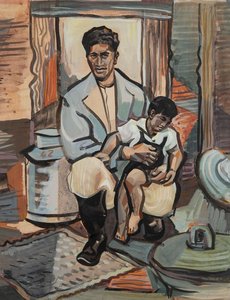
Lee-Johnson’s most celebrated work revolves around his evocative depictions of New Zealand landscapes. These are not merely representations of physical space; they are imbued with layers of memory, cultural significance, and personal experience. His paintings frequently feature the rugged coastline of the Hokianga Peninsula, a region he deeply loved and considered a spiritual home. The iconic “Opo: The Hokianga Dolphin” (1956), now housed in ArtsDot’s collection, exemplifies this approach – capturing not just the physical form of the dolphin but also its symbolic resonance within Māori culture and the broader landscape.
Beyond specific locations, Lee-Johnson's landscapes often incorporate elements that hint at a deeper narrative. Found objects—shells, stones, driftwood—are strategically placed within his compositions, adding layers of meaning and inviting viewers to contemplate the relationship between humanity and nature. His use of color is equally deliberate, employing muted tones and subtle shifts in hue to create a sense of atmosphere and mood. His work reflects a deep respect for the land and its people, capturing both its beauty and its inherent power.
A Legacy of Modernism and Photographic Innovation
While primarily recognized as a painter, Lee-Johnson’s contribution extends beyond canvas to encompass photography. During his time in London, he developed a keen eye for capturing the urban landscape, producing striking images of Trafalgar Square and Charing Cross underground station that reveal a remarkable sensitivity to light and composition. These photographs, rediscovered decades later, demonstrate a level of artistic sophistication often overlooked in his lifetime.
Lee-Johnson’s legacy is one of pioneering spirit and artistic innovation. He was among the first New Zealand artists to actively challenge European artistic conventions and forge a distinctly national identity in his work. His surreal landscapes, imbued with layers of memory and cultural significance, continue to resonate with viewers today. His influence can be seen in subsequent generations of New Zealand artists who followed in his footsteps, embracing a more independent and expressive approach to artmaking. Eric Albert Lee-Johnson died in 1993, leaving behind a rich and enduring artistic legacy that continues to inspire and captivate.
eric albert lee-johnson
1908 - 1993 , Fiji
Основные сведения
- Artistic Movement Or Style: Surreal landscapes, Modernist photography
- Artists Or Movements Influenced By This Artist: [None]
- Artists Who Influenced This Artist: [None]
- Date Of Birth: November 8, 1908
- Date Of Death: May 24, 1993
- Full Name: Eric Albert Lee-Johnson
- Nationality: New Zealander
- Notable Artworks: ['Opo: The Hokianga Dolphin']
- Place Of Birth: Suva, Fiji