

 Предпросмотр
 Поделиться
 Поделиться
 Детали произведения

 Скачать
 Похожие работы
 Рентгенография
 Слайд-шоу
 Статистика
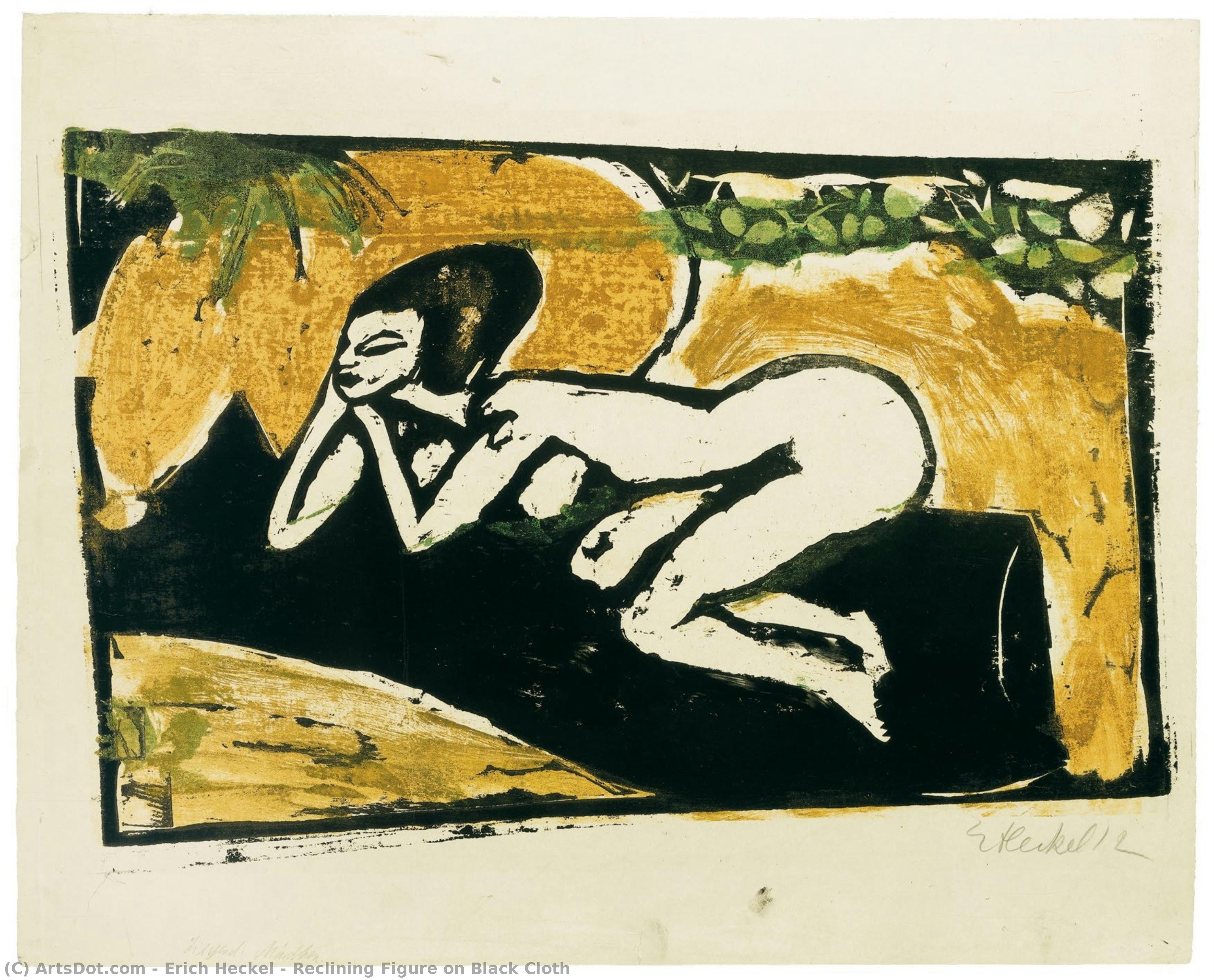
Reclining Figure on Black Cloth
 Painting
- Expressionism
 Modern
 42.0 x 28.0 cm
 Музей Франца Марка
 Читать далее
Приобретите цифровое изображение высокого разрешения в улучшенном качестве, которое значительно превосходит онлайн-превью.
Каждый файл тщательно подготавливается нашими специалистами с использованием передовых инструментов и экспертной ручной ретуши. Мы гарантируем исключительную четкость, точную цветопередачу и детальную проработку каждого изображения.
Финальный файл доставляется по электронной почте в течение 72 часов и оптимизирован для немедленного использования в профессиональной среде, при верстке и печати. Это тот же уровень качества, которому доверяют ведущие дизайнерские студии, издательства и галереи.
Цифровое изображение
Скачайте файл высокого разрешения для личного использования, печати и творческих проектов. ( Перейти к печати Купить картину ручной работы)
Включено в каждый заказ цифровых изображений
Гарантия экспертной цифровой доставки
Выбирая ArtsDot.com, вы получаете не просто изображение — вы приобретаете профессионально обработанное цифровое произведение искусства, созданное с безупречной точностью и под защитой гарантии качества. Вот всё, что автоматически входит в ваш заказ:

Мгновенная доставка по e-mail
Ваш цифровой файл в высоком разрешении будет отправлен вам по электронной почте в течение 72 часов после оформления заказа — и сразу станет доступен для использования.

Цифровой файл с ИИ-улучшением
Ваше произведение искусства проходит профессиональную оптимизацию с использованием передовых инструментов ИИ и ручной обработки, что гарантирует максимальную детализацию, четкость и точность цветопередачи.

Бессрочная бесплатная повторная доставка
Случайно удалили или потеряли файл? Не беспокойтесь — мы отправим его вам повторно в любое время и совершенно бесплатно.

Без импортных пошлин — навсегда
Наслаждайтесь вашим произведением искусства мгновенно без таможенных пошлин, сборов или затрат на доставку — цифровые загрузки всегда не облагаются налогом.

Гарантия точности цветопередачи
Мы гарантируем, что ваше цифровое изображение максимально точно передает оригинальные цвета благодаря использованию профессиональных инструментов и систем управления цветом.

Гарантия удовлетворенности 100 дней
Если вы не будете удовлетворены своим цифровым изображением, мы внесем правки или вернем 100% стоимости в течение 100 дней — без лишних вопросов.

100% Гарантия возврата средств
Не удовлетворены покупкой? Получите полный возврат средств в течение 100 дней после получения цифрового файла — без лишних вопросов.

Скидки на оптовые заказы
Купите 3 изображения, сэкономьте 10% — Купите 5, сэкономьте 15% — Купите 10+, сэкономьте 20%. Отличное решение для творческих проектов, галерей и агентств.
An Intimate Encounter with Expressionism
In the quiet, evocative depths of Erich Heckel’s Reclining Figure on Black Cloth, we find ourselves invited into a moment of profound solitude and raw vulnerability. The painting presents a woman resting in a state of contemplative repose, her form draped across the canvas with a grace that feels both timeless and intensely modern. As she lies on her side, one hand tucked beneath her head, her gaze seems to drift through a space between the physical world and the internal landscape of thought. This is not merely a study of the human form; it is an exploration of the psyche, captured through the lens of the German Expressionist movement.
The composition is masterfully balanced, drawing the eye toward the central figure while surrounding her with subtle, symbolic elements that enrich the narrative. Near the upper periphery, two apples rest—a classic motif that often serves as a bridge between the natural world and the complexities of human desire or temptation. The presence of a bench to the side suggests an interior or garden setting, grounding this dreamlike moment in a tangible, albeit stylized, reality. For the collector or designer, this piece offers a captivating focal point that commands attention through its delicate tension between stillness and emotional depth.
The Mastery of Die Brücke
To understand the soul of this work, one must look to the artist’s roots within Die Brücke (The Bridge). As a founding member of this revolutionary group, Erich Heckel sought to bridge the gap between traditional neo-romanticism and the burgeoning energy of modernism. His technique here reflects the movement's fascination with raw, uninhibited expression. The use of contrast—the starkness of the black cloth against the warmth of the skin—creates a rhythmic visual language that is both striking and sophisticated.
Heckel’s approach avoids the overly polished finish of academic art, opting instead for a texture and brushwork that feels immediate and alive. This stylistic choice allows the viewer to sense the artist's hand, making the experience of viewing the painting feel like a direct conversation with the early 20th-century avant-garde. The interplay of light and shadow does more than define shape; it sculpts emotion, lending the figure a weight and presence that resonates long after one has looked away.
A Timeless Addition to the Modern Interior
For those looking to curate an environment of intellectual depth and aesthetic elegance, Reclining Figure on Black Cloth serves as an extraordinary inspiration. Its palette, though focused, possesses a richness that complements both minimalist contemporary spaces and more traditional, classic interiors. The painting’s ability to evoke a sense of quiet introspection makes it an ideal centerpiece for a study, a library, or a sophisticated living area where art is meant to provoke thought and conversation.
Owning a high-quality reproduction of such a significant piece allows the enduring spirit of German Expressionism to inhabit your home. It is more than a decorative element; it is an invitation to pause, to reflect, and to find beauty in the quiet, unobserved moments of life. Whether you are an art historian, a dedicated collector, or an interior designer seeking that perfect emotive touch, Heckel’s masterpiece offers a profound connection to the transformative power of modern art.
Похожие произведения
Биография художника
Early Life and Formation of Die Brücke
- Born: Döbeln, Germany (1883)
- Erich Heckel was the son of a railway engineer, leading to frequent family moves during his childhood.
- He studied architecture in Dresden but left after three terms.
- A pivotal moment was meeting Ernst Ludwig Kirchner, Karl Schmidt-Rottluff, and Fritz Bleyl, which led to the formation of Die Brücke ("The Bridge") in 1905.
- Heckel served as the group's secretary and treasurer, handling much of the administrative work.
- Early influences included Friedrich Nietzsche and Henrik Ibsen, reflecting a burgeoning intellectual curiosity.
Artistic Development and Style
- Die Brücke’s Aims: The group aimed to bridge traditional neo-romantic German painting with modern Expressionist approaches.
- Influences: Heckel and the other members of Die Brücke were heavily influenced by Edvard Munch's expressive style and African sculpture, which they saw as embodying a raw, primitive power.
- Printmaking Focus: The group made extensive use of printmaking (woodcuts, etchings, lithographs) to create affordable art and disseminate their ideas widely. Heckel was particularly prolific in this medium.
- Subject Matter: His work often depicted nudes, landscapes, and scenes from modern life, characterized by bold colors, distorted forms, and a sense of emotional intensity.
- Evolution of Style: Initially influenced by Post-Impressionists like Van Gogh and Gauguin, Heckel's style evolved towards more melancholic themes and subdued color palettes after moving to Berlin in 1911.
World War I and Later Years
- War Service: During World War I, Heckel volunteered as a medical orderly in a hospital train stationed in Belgium. This experience profoundly impacted his perspective.
- Dissolution of Die Brücke: The group officially dissolved in 1913 due to internal disagreements.
- Heckelraum Mural: Between 1922 and 1924, Heckel painted the "Heckelraum" at the Angermuseum in Dresden, a series of mural paintings depicting “Stages in Life,” considered among the most important surviving works of German Expressionism.
- Nazi Persecution: In 1937, the Nazi regime declared his work "degenerate," confiscating over 700 artworks from German museums and banning public exhibitions.
Legacy and Historical Significance
- Expressionist Pioneer: Erich Heckel is recognized as a key figure in the Expressionist movement, particularly for his contributions to Die Brücke.
- Printmaking Master: His prolific printmaking output significantly impacted the development of modern graphic art.
- Influence on Subsequent Artists: His bold style and emotional intensity influenced generations of artists who followed.
- Rediscovery and Recognition: After World War II, Heckel's work was rediscovered and gained widespread recognition for its artistic merit and historical importance.
- Death: He died in Radolfzell in 1970, leaving behind a substantial body of work that continues to be studied and admired today.
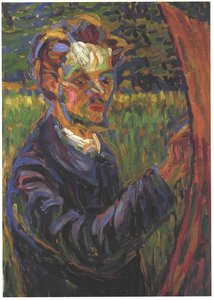
Erich Heckel
1883 - 1970 , Germany
Основные сведения
- Artistic Movement Or Style: German Expressionism
- Artists Who Influenced This Artist: ['Edvard Munch']
- Date Of Birth: July 31, 1883
- Date Of Death: January 27, 1970
- Full Name: Erich Heckel
- Nationality: German
- Notable Artworks: ['Lebenstufen mural paintings']
- Place Of Birth: Döbeln, Germany