


 Предпросмотр
 Поделиться
 Поделиться
 Детали произведения

 Скачать
 Похожие работы
 Рентгенография
 Слайд-шоу
 Статистика
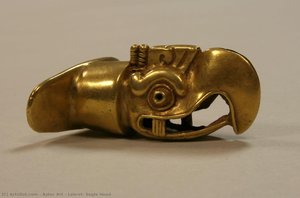
Bracelet with lion heads from the “Kerch Antiquities” series


 Читать далее
Масляная репродукция ручной работы
Картина маслом на холсте в выбранном вами размере и раме, написанная на заказ нашими художниками. ( Перейти к печати Перейти к цифровым изображениям)




P118B $10

P118H $10

P118W $10

P438Z $10

P508JH $12

P508YH $12

P805H $10

P805Z $10

P919BZ $10

P919G $10

P919XJ $10

P959ZH $10

P968JZ $12

W106C $8

W218G $10

W218JH $8

W218Y $10

W307PJ $10

W316G $10

W316PJ $8

W316Y $10

W398PJ $8

W4111J $10

W500HY $15

W500JH $15

W692G $12

W849H $8

W940BG $15

W953PJ $8




Выберите один из наших стандартных размеров, соответствующих оригинальным пропорциям произведения искусства.

Вы можете указать собственные размеры, чтобы картина идеально вписалась в выбранную раму или пространство. Если выбранный вами размер не соответствует пропорциям оригинала, мы либо обрежем полотно, либо расширим его за счет дополнительных элементов, написанных вручную. Цифровой макет будет отправлен вам на утверждение перед началом производства.
Обратите внимание, что предварительный просмотр на экране не отражает фактическую обрезку или расширение. Только макет точно покажет окончательную композицию.
Хотя доступны индивидуальные размеры, мы рекомендуем выбирать вариант из предопределенного списка, чтобы сохранить исходные пропорции.
После оформления заказа команда ArtsDot.com свяжется с клиентом по электронной почте для уточнения деталей и предоставит предварительный макет
Доставка по всему миру () за 3–4 недели вместо стандартных 5 недель. (15 Сентябрь). Без компромиссов в качестве.

Бесплатная экспресс-доставка по всему миру

Высококачественный льняной холст

Полное страхование доставки

Гарантия возмещения таможенных пошлин

Гарантия точного соответствия цветов

100-дневная политика возврата (только при обнаружении дефектов)

Гарантия возврата 100% средств

Предложение оптовых скидок
 Вариант со стеклом доступен только для размеров менее 110 см

Bracelet with lion heads from the “Kerch Antiquities” series
Техника репродукции
Размер репродукции
-


Итоговая стоимость
$ 288
Winslow Homer: A Master of American Light and Emotion – And His Influence on Erik August Kollin’s “Bracelet with Lion Heads from the ‘Kerch Antiquities’” Series
Winslow Homer (February 24, 1836 – September 29, 1910) stands as a towering figure in the history of American art, a painter whose evocative depictions of the sea, rural life, and human experience resonated deeply with his contemporaries and continue to captivate audiences today. Born in Boston, Massachusetts, Homer’s journey from commercial illustrator to celebrated artist is a testament to his relentless pursuit of artistic mastery and his profound connection to the natural world. His work isn't merely representation; it’s imbued with an emotional intensity and a keen observation of light that firmly established him as one of the most important figures in 19th-century American painting. Homer’s ability to capture fleeting moments of beauty and hardship—often rendered in muted palettes—influenced generations of artists, shaping the very sensibilities of American realism. Early Life and Influences: From Commercial Art to Artistic Awakening Homer’s early life was shaped by a complex family dynamic. His father, Charles Homer, was a restless businessman who chased fortune with little success, leading to frequent movings and fostering in Winslow a sense of independence and adaptability that would prove invaluable throughout his artistic career. Despite initial struggles securing commissions, Homer persevered, honing his skills as an illustrator for magazines like Harper’s Weekly and illustrating books by Melville and Hawthorne—experiences that instilled in him a meticulous attention to detail and a deep understanding of narrative storytelling. These formative years cultivated a sensitivity to visual language and established a foundational appreciation for capturing the essence of human experience within a carefully constructed composition. The Style of Homer: Light, Atmosphere, and Emotional Resonance Homer’s artistic style is characterized by its masterful use of light—particularly diffused sunlight—to create atmospheric landscapes that convey mood and emotion. Unlike Impressionists who sought to capture immediate sensory impressions, Homer deliberately slowed down his process, allowing time for observation and contemplation. He employed a technique known as “atmospheric perspective,” subtly blurring distant objects to simulate the effects of air and distance, thereby enhancing the sense of depth and realism within his paintings. This approach wasn’t simply about accurate depiction; it was about conveying psychological states—a yearning for tranquility, a confrontation with adversity—through visual cues that spoke directly to the viewer's subconscious. Consider “Snap the Whip,” where Homer utilizes dramatic lighting to illuminate a solitary figure wrestling with the burdens of life, embodying Homer’s signature blend of realism and emotional depth. Erik August Kollin: Echoes of Homerian Vision in Jewelry Craftsmanship The Finnish jeweler Erik August Kollin, though working in a vastly different medium—gold jewelry—demonstrates an undeniable kinship with Homer's artistic ethos. Kollin’s “Bracelet with Lion Heads from the ‘Kerch Antiquities’” series exemplifies this connection through its meticulous attention to detail and its deliberate use of texture and form. Like Homer’s landscapes, Kollin’s bracelet seeks to communicate a sense of grandeur and solemnity—the lion heads serve as powerful symbols of strength and guardianship, mirroring Homer's exploration of human resilience in the face of hardship. The lost-wax casting technique employed by Kollin ensures that every surface is flawlessly smooth and polished, reflecting Homer’s commitment to achieving an idealized representation of reality. Furthermore, the coiled band design echoes Homer’s preference for curvilinear forms—a stylistic choice that contributes to the bracelet's overall elegance and conveys a feeling of timelessness. Symbolism and Emotional Impact: Beyond Mere Decoration More than just aesthetically pleasing adornment, Kollin’s bracelet embodies profound symbolic meaning. The lion heads represent courage, nobility, and protection—values deeply rooted in ancient cultures and resonating across time periods. Just as Homer captured the emotional complexities of human experience through visual imagery, Kollin elevates jewelry craftsmanship to an art form that communicates intangible ideas and feelings. The bracelet's textured surface invites tactile engagement, prompting contemplation about its origins and its enduring significance. Ultimately, “Bracelet with Lion Heads from the ‘Kerch Antiquities’” stands as a testament to Homer’s influence—a reminder that beauty can be found not only in grand landscapes but also in the subtle artistry of handcrafted objects designed to inspire awe and reverence. Size: Unknown Date: UnknownПохожие произведения

Биография художника
Winslow Homer: A Master of American Light and Emotion
Winslow Homer (February 24, 1836 – September 29, 1910) stands as a towering figure in the history of American art, a painter whose evocative depictions of the sea, rural life, and human experience resonated deeply with his contemporaries and continue to captivate audiences today. Born in Boston, Massachusetts, Homer’s journey from commercial illustrator to celebrated artist is a testament to his relentless pursuit of artistic mastery and his profound connection to the natural world. His work isn't merely representation; it’s imbued with an emotional intensity and a keen observation of light that firmly established him as one of the most important figures in 19th-century American painting.Early Life and Influences: From Commercial Art to Artistic Awakening
Homer’s early life was shaped by a complex family dynamic. His father, Charles Homer, was a restless businessman who chased fortune with little success, leading to frequent moves and ultimately, a departure from the family in 1857. This instability profoundly impacted young Winslow, fostering within him a sense of independence and a desire to forge his own path. His mother, Henrietta Maria Benson Homer, however, provided a crucial foundation for his artistic development. A talented amateur watercolorist herself, she instilled in her son a love of art and taught him the fundamentals of painting from an early age. This close relationship with his mother would profoundly influence his style and approach to art throughout his career. Homer’s initial training was largely self-directed, followed by an apprenticeship at the Boston lithographic firm of J. H. Bufford, a demanding experience that exposed him to the realities of commercial art production – a world he ultimately sought to transcend. The repetitive nature of this work fueled his desire for greater creative freedom and led him to pursue painting as a serious vocation.The Rise of a Marine Master: Themes and Techniques
Following his move to New York City in 1859, Homer began to establish himself as an independent artist. Initially, he produced illustrations for publications like *Harper’s Weekly* and *Ballou’s Pictorial*, capturing scenes of the Civil War and everyday life. However, it was his turn to the sea that truly defined his artistic legacy. Homer possessed a remarkable ability to capture the power and drama of the ocean – its shifting moods, its relentless energy, and its profound connection to human experience. His paintings are characterized by their masterful use of light and shadow, often employing a technique known as “atmospheric perspective” to create a sense of depth and distance. He wasn’t simply depicting ships at sea; he was conveying the emotional weight of the maritime world – the loneliness, the danger, and the sublime beauty. Works like *Snap the Whip* (1873) and *The Veteran in a New Field* (1863) exemplify this approach, moving beyond mere representation to explore themes of resilience, loss, and the human spirit’s capacity for endurance.Watercolor Journeys: A Fluid Approach to Landscape
While celebrated for his oil paintings, Homer was equally adept at watercolor. His working vacations – particularly those spent in Maine – produced a vast and prolific body of work executed entirely in this medium. These watercolors offer a glimpse into the artist’s process and reveal a remarkably fluid and spontaneous approach to landscape painting. Unlike the carefully constructed realism of his oils, his watercolors often capture fleeting moments of light and atmosphere with an immediacy and freshness that is deeply affecting. The series *Breezing Up (A Fair Wind)* (1873-76) provides a particularly compelling example of this technique, documenting Homer’s travels along the Maine coast with remarkable detail and emotional resonance. These watercolor studies served not only as records of his journeys but also as crucial explorations of color, composition, and brushwork – informing his later work in oil.Legacy and Historical Significance
Winslow Homer's impact on American art is undeniable. He bridged the gap between academic tradition and a more expressive, emotionally charged style, paving the way for future generations of American painters. His unflinching portrayal of ordinary people – fishermen, farmers, and laborers – offered a powerful counterpoint to the idealized representations prevalent in much of European art at the time. Homer’s work reflected the changing social landscape of America during his lifetime, grappling with themes of industrialization, urbanization, and the legacy of slavery. He is considered a pivotal figure in the development of American Realism, though his style transcends simple categorization. His ability to capture both the beauty and the brutality of the natural world, coupled with his profound understanding of human emotion, ensures that Winslow Homer’s paintings will continue to resonate with viewers for generations to come. His legacy is not just one of artistic skill but also of a deeply felt connection to the American experience.
erik august kollin
1836 - 1901 , Finland
Основные сведения
- Artistic Movement Or Style: Realism, American Realism
- Artists Or Movements Influenced By This Artist: ['Sir Lawrence Alma-Tadema']
- Artists Who Influenced This Artist: ['Henrietta Homer']
- Date Of Birth: February 24, 1836
- Date Of Death: September 29, 1910
- Full Name: Winslow Homer
- Nationality: American
- Notable Artworks:
- Snap the Whip
- The Veteran in a New Field
- Breezing Up (A Fair Wind)
- Place Of Birth: Boston, Massachusetts
Похожие статьи

Akseli Gallen-Kallela: Shaping Finnish Identity Through National Romanticism & Symbolism
Explore the captivating world of Akseli Gallen-Kallela, Finland's iconic National Romantic painter. Discover his symbolic landscapes, Kalevala illustrations & lasting impact on Finnish identity. Expert analysis & high-quality reproductions at ArtsDot.
Golden Glow: How to Use Metallic Gold Artworks to Elevate Your Home Decor with Timeless Luxury
Discover how to elevate your home with the timeless elegance of metallic gold artworks. From sculptural metal pieces to gilded oil paintings, learn expert interior design tips for integrating luxurious gold accents into your space with sophistication and grace.

Золото в Искусстве: 10 Шедевров с Позолотой для Вашего Интерьера
Погрузитесь в мир золота и искусства! 10 знаменитых картин с позолотой – от Климта до византийских шедевров. Узнайте истории, техники и вдохновитесь для создания роскошного интерьера. Репродукции высокого качества на ArtsDot.com

Топ-25 шедевров Ренуара: искусство, история и вдохновение для интерьера
Погрузитесь в мир Ренуара! 🎨 Откройте топ-25 шедевров импрессионизма, историю создания картин и вдохновляющую красоту. Купите репродукции высокого качества для вашего интерьера на ArtsDot.com – музейное искусство онлайн!
The Allure of Gold in Art History: Symbolism, Technique & Cultural Significance
Explore the rich history of gold in art! Discover symbolism, techniques & cultural significance from ancient civilizations to Klimt's masterpieces. Expert insights for collectors at ArtsDot.