

 Предпросмотр
 Поделиться
 Поделиться
 Детали произведения

 Скачать
 Похожие работы
 Рентгенография
 Слайд-шоу
 Статистика
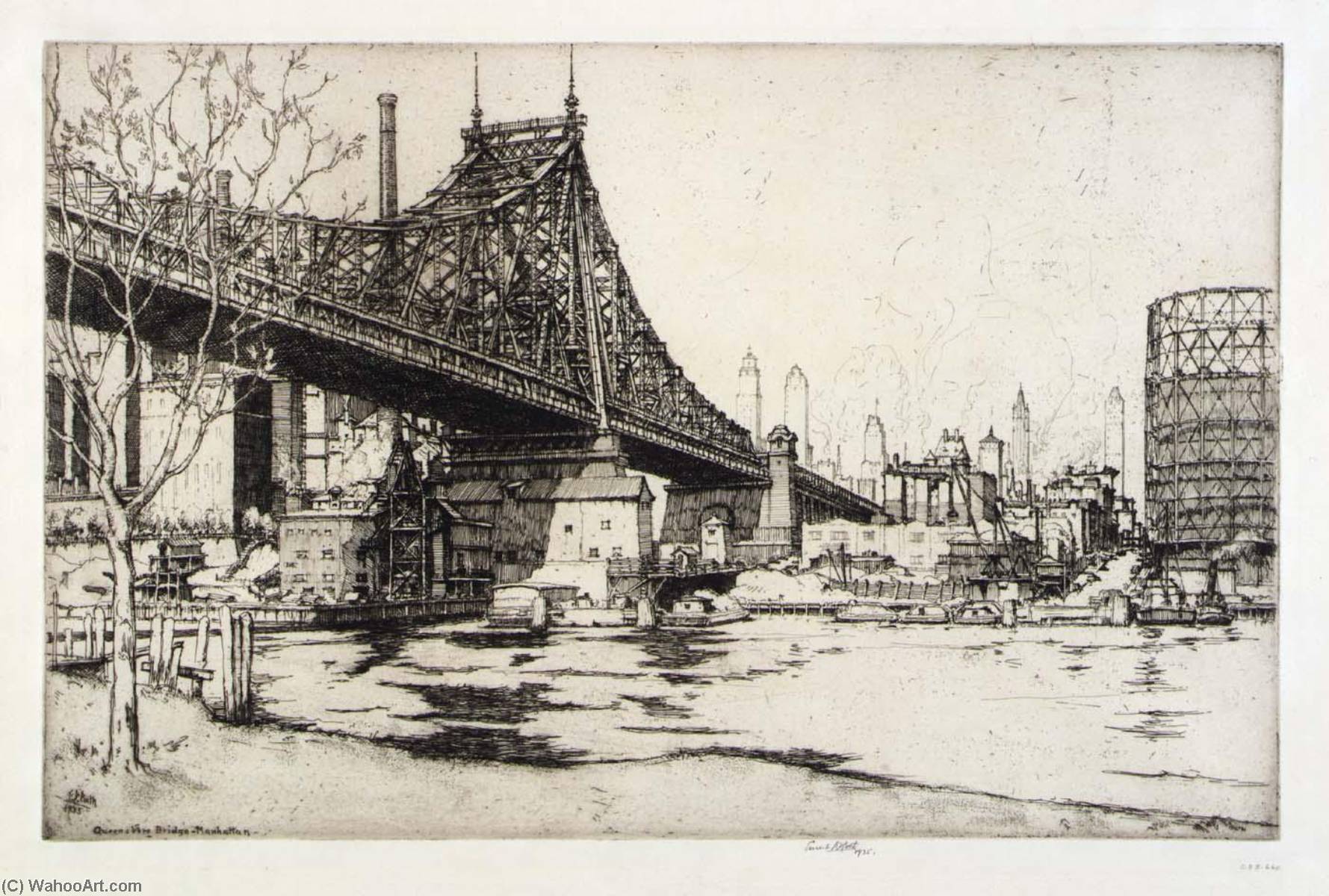
Queensboro Bridge, Manhattan
 1935
1935 25.0 x 38.0 cm
 Читать далее
Приобретите цифровое изображение высокого разрешения в улучшенном качестве, которое значительно превосходит онлайн-превью.
Каждый файл тщательно подготавливается нашими специалистами с использованием передовых инструментов и экспертной ручной ретуши. Мы гарантируем исключительную четкость, точную цветопередачу и детальную проработку каждого изображения.
Финальный файл доставляется по электронной почте в течение 72 часов и оптимизирован для немедленного использования в профессиональной среде, при верстке и печати. Это тот же уровень качества, которому доверяют ведущие дизайнерские студии, издательства и галереи.
Цифровое изображение
Скачайте файл высокого разрешения для личного использования, печати и творческих проектов. ( Перейти к печати Купить картину ручной работы)
Включено в каждый заказ цифровых изображений
Гарантия экспертной цифровой доставки
Выбирая ArtsDot.com, вы получаете не просто изображение — вы приобретаете профессионально обработанное цифровое произведение искусства, созданное с безупречной точностью и под защитой гарантии качества. Вот всё, что автоматически входит в ваш заказ:

Мгновенная доставка по e-mail
Ваш цифровой файл в высоком разрешении будет отправлен вам по электронной почте в течение 72 часов после оформления заказа — и сразу станет доступен для использования.

Цифровой файл с ИИ-улучшением
Ваше произведение искусства проходит профессиональную оптимизацию с использованием передовых инструментов ИИ и ручной обработки, что гарантирует максимальную детализацию, четкость и точность цветопередачи.

Бессрочная бесплатная повторная доставка
Случайно удалили или потеряли файл? Не беспокойтесь — мы отправим его вам повторно в любое время и совершенно бесплатно.

Без импортных пошлин — навсегда
Наслаждайтесь вашим произведением искусства мгновенно без таможенных пошлин, сборов или затрат на доставку — цифровые загрузки всегда не облагаются налогом.

Гарантия точности цветопередачи
Мы гарантируем, что ваше цифровое изображение максимально точно передает оригинальные цвета благодаря использованию профессиональных инструментов и систем управления цветом.

Гарантия удовлетворенности 100 дней
Если вы не будете удовлетворены своим цифровым изображением, мы внесем правки или вернем 100% стоимости в течение 100 дней — без лишних вопросов.

100% Гарантия возврата средств
Не удовлетворены покупкой? Получите полный возврат средств в течение 100 дней после получения цифрового файла — без лишних вопросов.

Скидки на оптовые заказы
Купите 3 изображения, сэкономьте 10% — Купите 5, сэкономьте 15% — Купите 10+, сэкономьте 20%. Отличное решение для творческих проектов, галерей и агентств.
Artistic Style and Technique
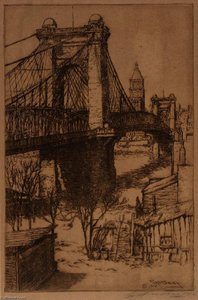
Ernest D. Roth's use of etching as a medium allows for a level of intricacy and depth that is unparalleled in other forms of art. The Queensboro Bridge, Manhattan etching showcases the artist's mastery of this technique, with delicate lines and shading that bring the scene to life. The level of detail is impressive, from the intricate architecture of the bridge to the bustling activity of the boats and people in the foreground. Key Features of the etching include:- The iconic Queensboro Bridge spanning the width of the picture
- Several boats floating along the river below the bridge
- People scattered throughout the scene, enjoying the view or going about their daily activities
Historical Significance
The Queensboro Bridge, Manhattan etching is not only a beautiful piece of art but also a historical snapshot of New York City in the 1930s. The bridge, which was completed in 1909, was a major engineering feat and a symbol of the city's growth and development. Ernest D. Roth's etching captures the essence of this iconic landmark and provides a glimpse into the daily life of New Yorkers during this period. For more information on Ernest D. Roth and his works, visit /art/list/?Filter=AQTHTE-Ernest-D-Roth-Queensboro-Bridge-Manhattan. To learn more about the Smithsonian American Art Museum, visit https://en.wikipedia.org/wiki/Smithsonian_American_Art_Museum.The Queensboro Bridge, Manhattan etching is a must-see for art lovers and history enthusiasts alike. Its beauty, intricacy, and historical significance make it a truly unique and captivating piece of art.
Похожие произведения




Биография художника
Ernest D. Roth: A Pioneer of Parisian Academic Realism
Ernest D. Roth (1879 – 1964) stands as a significant figure in the landscape of late nineteenth-century French art, particularly renowned for his unwavering dedication to academic realism and his celebrated success within the Parisian Salon circuit. Born in Paris, Roth’s artistic journey began amidst the burgeoning Impressionist movement, yet he resolutely pursued a path distinct from its stylistic explorations—a commitment that cemented his place as one of the foremost practitioners of traditional technique and subject matter during his era.- Early Life & Education: Roth received his formative artistic training at the École Supérieure des Beaux-Arts in Paris, where he honed his skills under influential instructors who championed classical principles of composition and draughtsmanship. This grounding in academic tradition would profoundly shape his subsequent artistic endeavors.
- Salon Successes: Roth’s career gained considerable momentum through his consistent participation in the Salon exhibitions held annually by the Société Nationale des Beaux-Arts. His meticulously rendered landscapes, portraits, and architectural studies garnered critical acclaim and established him as a respected artist within Parisian intellectual circles. Notably, his etching of Riverside Church, completed in 1930, exemplifies his masterful command of drypoint technique—a testament to his unwavering adherence to classical artistic standards.
Style & Technique: Embracing Classical Precision
Roth’s artistic style is characterized by an uncompromising devotion to academic realism – a stylistic approach that prioritizes accurate representation and meticulous detail. Unlike the Impressionists who sought to capture fleeting moments of light and atmosphere, Roth meticulously studied his subjects, employing precise draughtsmanship and tonal gradations to convey their form and texture with remarkable fidelity. His favored medium was etching, specifically drypoint—a technique demanding exceptional control over linework and requiring painstaking preparation of the plate surface. This meticulous process resulted in prints imbued with a subtle luminescence and textural richness that distinguished them from more ephemeral artistic expressions.- Drypoint Technique: Roth’s mastery of drypoint involved incising lines into a copper plate using a stylus, creating a textured surface that would absorb ink during printing. This technique allowed for nuanced tonal variations and produced prints possessing an unparalleled level of detail—a hallmark of his oeuvre.
- Subject Matter Preferences: While influenced by the Impressionist aesthetic, Roth consistently focused on subjects rooted in classical tradition – landscapes depicting serene vistas of France’s countryside, portraits capturing dignified expressions of human character, and architectural renderings showcasing monumental buildings with meticulous accuracy.
Notable Works & Artistic Legacy
Roth's artistic output comprises a substantial collection of etchings and lithographs that continue to resonate with collectors and art historians alike. Among his most celebrated pieces are “Our Neighbor’s Yard” (1916), an evocative depiction of Parisian urban life rendered in exquisite detail, and "A Quiet Canal" (circa 1920), which captures the tranquil beauty of a riverside scene with understated elegance. These artworks serve as enduring reminders of Roth's commitment to classical realism and his ability to convey profound emotional depth through masterful draughtsmanship.- “Our Neighbor’s Yard”: This etching exemplifies Roth’s meticulous observation of everyday life, capturing the subtle nuances of light and shadow within a domestic setting.
- “A Quiet Canal”: Demonstrating Roth's sensitivity to atmospheric conditions, this print portrays a serene canal scene bathed in soft sunlight—a testament to his artistic vision.
Historical Significance & Influence
Ernest D. Roth’s unwavering dedication to academic realism positioned him as a counterpoint to the dominant Impressionist movement of his time – an artist who championed tradition while simultaneously acknowledging the influence of contemporary artistic trends. His Salon successes solidified his reputation as one of Paris's most respected artists, ensuring that his legacy would endure for generations to come. Furthermore, Roth’s meticulous technique and unwavering commitment to classical principles continue to inspire artists today, demonstrating the enduring relevance of traditional artistic approaches in capturing beauty and conveying emotion.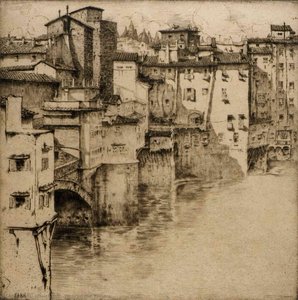
ernest d roth
1879 - 1964
Основные сведения
- Artistic Movement Or Style: Academic Realism
- Artists Or Movements Influenced By This Artist: ['École de Barbizon']
- Artists Who Influenced This Artist:
- Jean-Léon Gerhardt
- William Harnett
- Date Of Birth: 1879
- Date Of Death: 1964
- Full Name: Ernest Hébert
- Nationality: French
- Notable Artworks:
- La Païva
- Riverside Church
- Place Of Birth: Paris, France