 Предпросмотр
 Поделиться
 Поделиться
 Детали произведения

 Скачать
 Похожие работы
 Рентгенография
 Слайд-шоу
 Статистика
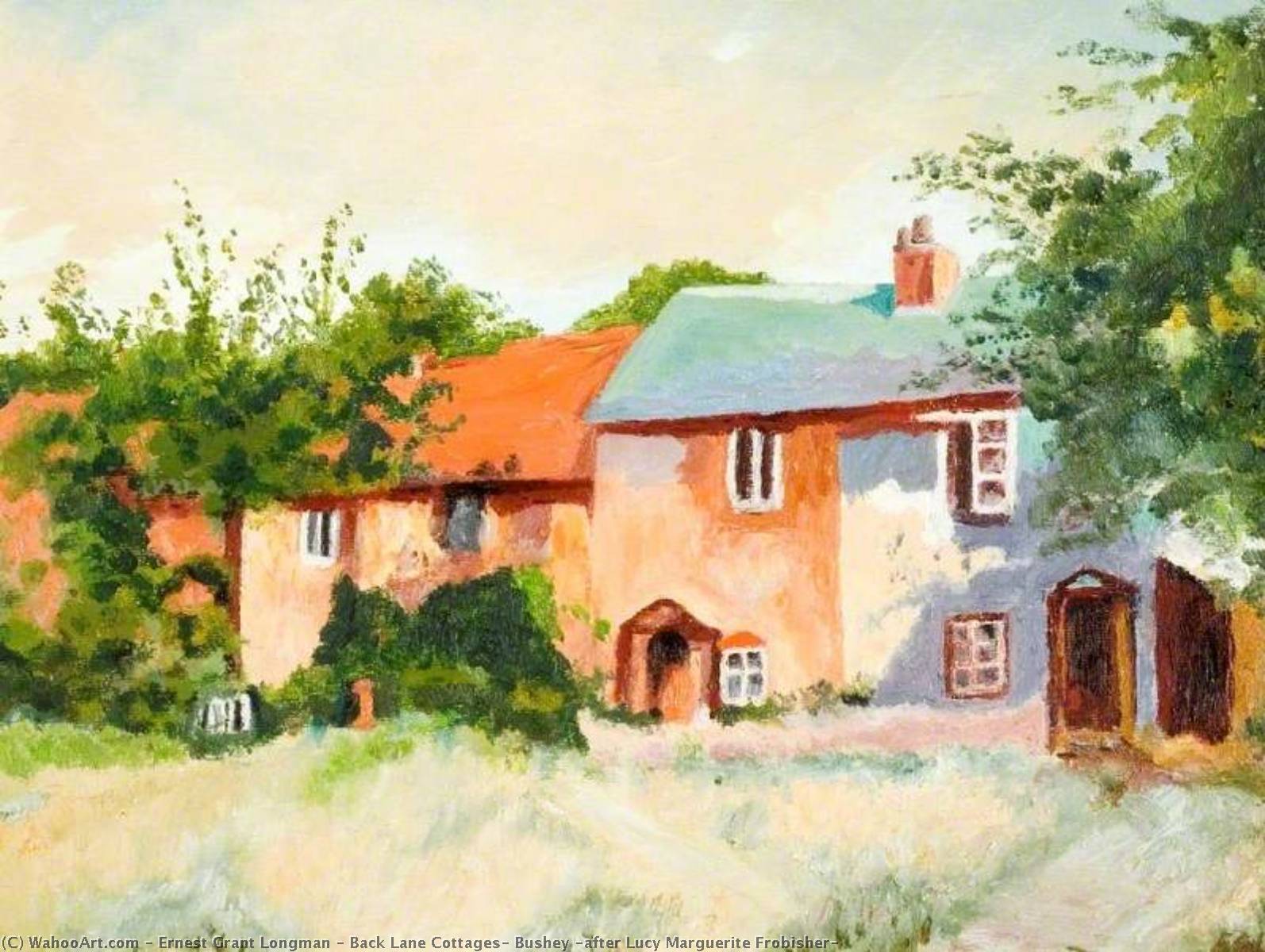
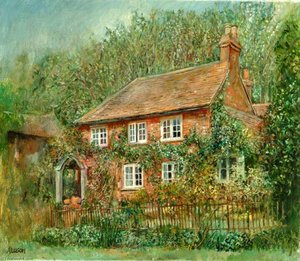
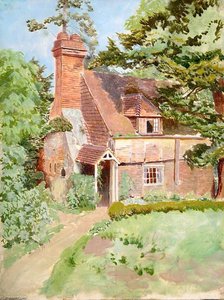
Back Lane Cottages, Bushey (after Lucy Marguerite Frobisher)
 30.0 x 40.0 cm
 Читать далее
Приобретите цифровое изображение высокого разрешения в улучшенном качестве, которое значительно превосходит онлайн-превью.
Каждый файл тщательно подготавливается нашими специалистами с использованием передовых инструментов и экспертной ручной ретуши. Мы гарантируем исключительную четкость, точную цветопередачу и детальную проработку каждого изображения.
Финальный файл доставляется по электронной почте в течение 72 часов и оптимизирован для немедленного использования в профессиональной среде, при верстке и печати. Это тот же уровень качества, которому доверяют ведущие дизайнерские студии, издательства и галереи.
Цифровое изображение
Скачайте файл высокого разрешения для личного использования, печати и творческих проектов. ( Перейти к печати Купить картину ручной работы)
Включено в каждый заказ цифровых изображений
Гарантия экспертной цифровой доставки
Выбирая ArtsDot.com, вы получаете не просто изображение — вы приобретаете профессионально обработанное цифровое произведение искусства, созданное с безупречной точностью и под защитой гарантии качества. Вот всё, что автоматически входит в ваш заказ:

Мгновенная доставка по e-mail
Ваш цифровой файл в высоком разрешении будет отправлен вам по электронной почте в течение 72 часов после оформления заказа — и сразу станет доступен для использования.

Цифровой файл с ИИ-улучшением
Ваше произведение искусства проходит профессиональную оптимизацию с использованием передовых инструментов ИИ и ручной обработки, что гарантирует максимальную детализацию, четкость и точность цветопередачи.

Бессрочная бесплатная повторная доставка
Случайно удалили или потеряли файл? Не беспокойтесь — мы отправим его вам повторно в любое время и совершенно бесплатно.

Без импортных пошлин — навсегда
Наслаждайтесь вашим произведением искусства мгновенно без таможенных пошлин, сборов или затрат на доставку — цифровые загрузки всегда не облагаются налогом.

Гарантия точности цветопередачи
Мы гарантируем, что ваше цифровое изображение максимально точно передает оригинальные цвета благодаря использованию профессиональных инструментов и систем управления цветом.

Гарантия удовлетворенности 100 дней
Если вы не будете удовлетворены своим цифровым изображением, мы внесем правки или вернем 100% стоимости в течение 100 дней — без лишних вопросов.

100% Гарантия возврата средств
Не удовлетворены покупкой? Получите полный возврат средств в течение 100 дней после получения цифрового файла — без лишних вопросов.

Скидки на оптовые заказы
Купите 3 изображения, сэкономьте 10% — Купите 5, сэкономьте 15% — Купите 10+, сэкономьте 20%. Отличное решение для творческих проектов, галерей и агентств.
Похожие произведения



Биография художника
A Witness to Change: The Landscapes of Ernest Grant Longman
The art of Ernest Grant Longman offers a fascinating, often overlooked glimpse into a pivotal period of British history and the evolving landscape – both physical and societal. While not a household name, Longman’s work provides a compelling visual record of early 20th-century England, specifically documenting the dramatic transformations occurring in the rural areas surrounding Bushey, Hertfordshire. His paintings aren't merely depictions of scenery; they are imbued with a sense of time passing, a quiet acknowledgement of progress and its impact on traditional life. Longman’s artistic journey is inextricably linked to his locale, becoming a chronicler of the changing face of England as it moved from Victorian pastoralism into the modern age.Early Life and Artistic Foundations
Details regarding Ernest Grant Longman's early life remain somewhat scarce, a common fate for artists whose work wasn’t widely exhibited or documented during their lifetime. What *is* known is that he was deeply connected to Bushey, a small town north of London that had become a haven for artists in the late 19th and early 20th centuries. The influence of this artistic community – particularly the legacy of painters like Lucy Kemp-Welch and Hubert Herkomer who established an art school there – is palpable in Longman’s meticulous technique and his focus on realistic representation. He appears to have been largely self-taught, honing his skills through direct observation and a dedication to capturing the nuances of light and atmosphere. His early works demonstrate a clear proficiency in watercolor, a medium well-suited to the delicate rendering of rural scenes. It is believed he began painting as a means of documenting the local environment, initially focusing on idyllic views of fields, woodlands, and farm life.Documenting a Transforming Landscape
Longman’s artistic significance lies in his unique subject matter: the construction of the M1 motorway. As one of the first major motorways to be built in Britain, the M1 irrevocably altered the landscape surrounding Bushey and beyond. While many artists might have focused on romanticized depictions of the countryside, Longman turned his attention to the raw reality of progress – the earthmoving equipment, the temporary structures, the disruption of fields and hedgerows. His paintings from this period are remarkable for their objectivity; he doesn’t offer a judgement on the construction itself, but rather presents it as an undeniable force reshaping the world around him. These works aren't celebratory or condemnatory, they simply *are*, offering a powerful visual record of a moment in time. He also painted scenes of the surrounding groves and areas that were not directly affected by the motorway, providing a poignant contrast between the old and the new.Technique and Style
Longman’s style is characterized by its precision and attention to detail. His paintings are meticulously rendered, with a focus on capturing the textures of the landscape – the rough bark of trees, the undulating fields, the metallic sheen of machinery. He employed a restrained palette, favoring earthy tones and subtle gradations of color. While his work shares similarities with the realism of earlier Victorian painters, there’s also a sense of modernity in his compositions. He often utilizes a slightly elevated perspective, allowing him to capture a broader view of the landscape and emphasize the scale of the changes taking place. His use of light is particularly noteworthy; he skillfully captures the atmospheric effects of different times of day, creating a sense of depth and realism. His paintings are not about grand gestures or dramatic compositions; they’re about quiet observation and the subtle beauty of everyday life.Legacy and Historical Significance
Although Longman did not achieve widespread recognition during his lifetime, his work is now gaining increasing attention as a valuable historical document. His paintings offer a unique perspective on a period of rapid change in Britain, capturing the impact of modernization on the rural landscape. They serve as a reminder that progress always comes at a cost, and that even seemingly mundane scenes can hold significant cultural and historical value. His detailed depictions of the M1 construction are particularly important, providing a visual record of a pivotal moment in British infrastructure development. Today, his paintings offer more than just aesthetic appeal; they provide a window into a bygone era, allowing us to reflect on the changing relationship between humans and their environment.- Documenting the impact of the M1 motorway construction.
- Preserving scenes of rural England before widespread modernization.
- Offering a unique perspective on early 20th-century British life.
- Providing valuable historical insight into landscape transformation.