

 Предпросмотр
 Поделиться
 Поделиться
 Детали произведения

 Скачать
 Похожие работы
 Рентгенография
 Слайд-шоу
 Статистика
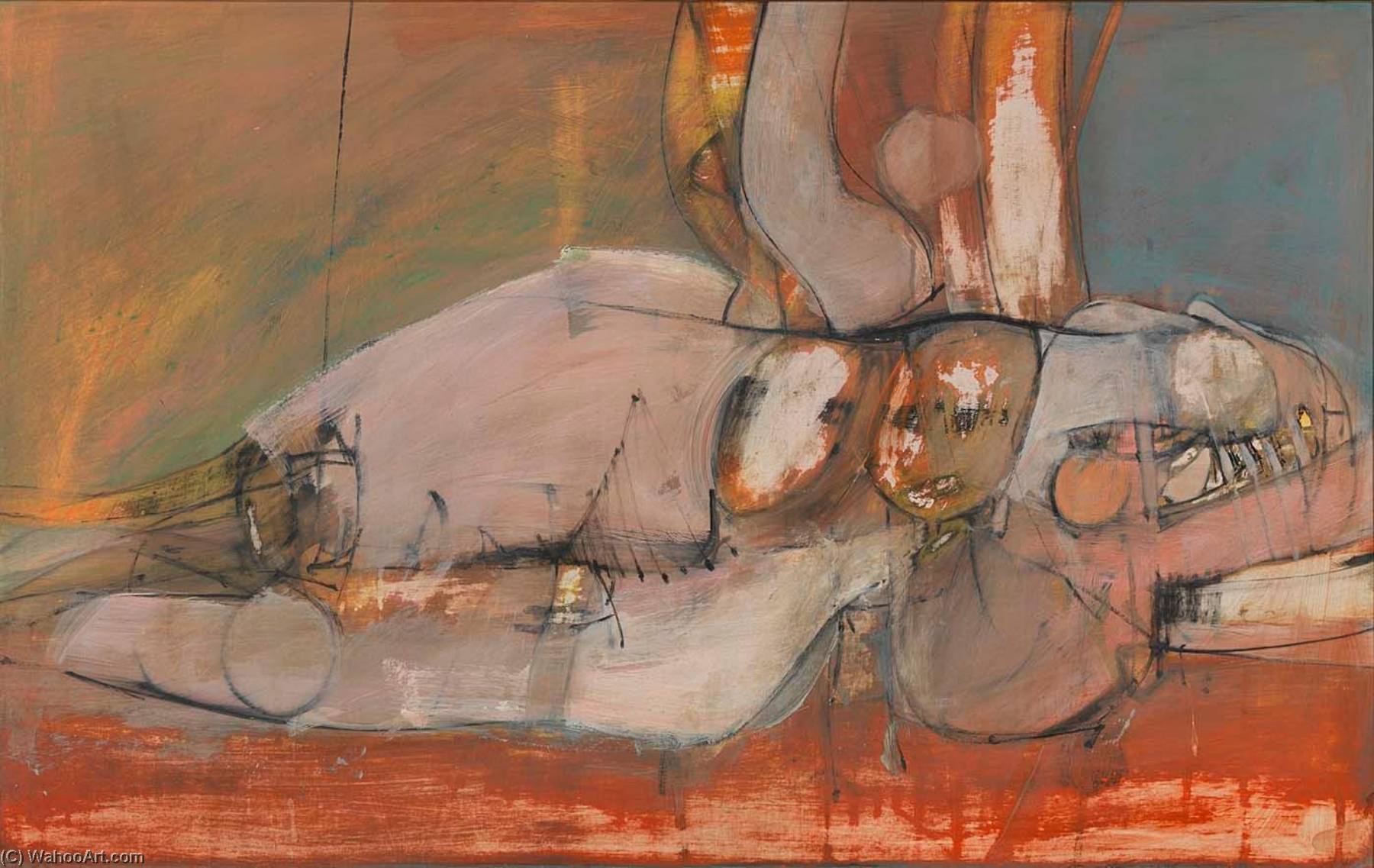
Reclining Nude
 1957
1957 69.0 x 110.0 cm
 Читать далее
Жикле / Арт-принт
Печать (жикле) или холст музейного качества с быстрыми сроками изготовления и широким выбором вариантов отделки. ( Купить картину ручной работы Перейти к цифровым изображениям)




































Выберите один из наших стандартных размеров, соответствующих оригинальным пропорциям произведения искусства.

Вы можете указать свои собственные размеры, чтобы репродукция идеально подошла под конкретную раму или пространство. Если выбранный вами размер не будет соответствовать пропорциям оригинала, мы либо обрежем произведение, либо дополним изображение зеркальным отражением краев или однотонной заливкой. Перед началом производства вам будет отправлен цифровой макет для утверждения.
Пожалуйста, обратите внимание, что предварительный просмотр на экране не отображает фактическую обрезку или расширение изображения. Только макет точно покажет финальную композицию.
Несмотря на возможность заказа индивидуальных размеров, мы рекомендуем выбирать размер из предопределенного списка, чтобы сохранить оригинальные пропорции.
Доставка по всему миру () за 2 недели вместо стандартных 4/5 недель. (12 Сентябрь)

Бесплатная экспресс-доставка по всему миру

Высококачественный льняной холст

Полное страхование доставки

Гарантия возмещения таможенных пошлин

Гарантия точного соответствия цветов

100-дневная политика возврата (только при обнаружении дефектов)

Гарантия возврата 100% средств

Предложение оптовых скидок
 Вариант со стеклом доступен только для размеров менее 110 см

Reclining Nude
Жикле / Арт-принт
Размер репродукции
-


Итоговая стоимость
$ 62
Artistic Style and Technique
Ernest Tino Trova's artistic style is characterized by his use of bold brushstrokes, vibrant colors, and a mix of abstract and figurative elements. The Reclining Nude painting features a disassembled or broken-down figure, giving it an unusual appearance. This technique creates a sense of disarray or chaos, which may represent a deeper meaning or message for the artist. Key Features of the painting include:- A large, reclining nude figure lying on the ground
- A red background that adds depth and contrast to the artwork
- Smaller, less prominent figures in the scene
Artist's Background and Inspiration
Ernest Tino Trova was an American artist known for his expressive figurative works. His artistic style was influenced by various movements, including abstract expressionism and pop art. The Reclining Nude painting is a prime example of his unique approach to art. For more information on Ernest Tino Trova and his artwork, visit /art/list/?Filter=AQZCEJ-Ernest-Tino-Trova-Reclining-Nude or check out the Smithsonian American Art Museum's website at https://americanart.si.edu/artwork/reclining-nude-31894.The Reclining Nude painting by Ernest Tino Trova is a must-see for art enthusiasts and collectors alike. Its unique style, bold technique, and thought-provoking message make it a standout piece in the world of modern art. Whether you're interested in purchasing a handmade oil painting reproduction or simply learning more about the artist, https://ArtsDot.com is the perfect resource for you.
Похожие произведения








Биография художника
The Visionary of the Falling Man: The Life and Legacy of Ernest Tino Trova
Born in the quiet enclave of Clayton, Missouri, on February 19, 1927, Ernest Tino Trova emerged as a singular force in the American mid-century art scene. A self-taught master whose imagination defied the boundaries of traditional training, Trova navigated the intersection of Surrealism and Pop Art with an effortless, almost dreamlike grace. His life was marked by a profound connection to his roots in St. Louis, yet his artistic vision reached far beyond the borders of the Midwest. From his early days as a decorator at the famous Barr department store to his eventual status as a sculptor of international intrigue, Trova’s journey was one of constant evolution, viewing his entire creative output not as a collection of finished pieces, but as a singular, sprawling "work in progress."
The trajectory of Trova's career was ignited by a raw, provocative talent that demanded attention. At just twenty years old, he achieved a level of notoriety rarely afforded to young artists when his painting, Roman Boy, won first prize at the Missouri exhibition held by the City Art Museum. The work, described as sexually graphic and intensely energetic, scandalized some while electrifying others, even earning him a feature in Life magazine. This early brush with fame was bolstered by the patronage of Morton D. May, an influential art collector who recognized Trova's genius and contributed his work to the Museum of Modern Art. Such early recognition set the stage for a career defined by bold experimentation and a refusal to adhere to established academic norms.
From Canvas to Bronze: The Evolution of Form
While many artists find a singular medium and remain tethered to it, Trova’s artistry was characterized by a restless movement through different dimensions. He began his journey as a painter, utilizing the flat plane of the canvas to explore surrealist narratives and pop-culture motifs. He found inspiration in the whimsical yet uncanny nature of classic American comic character toys, integrating elements of mass culture into his compositions to highlight the strange beauty within the mundane. However, as his creative impulses grew more complex, he began to transition from two-dimensional imagery into three-dimensional constructions.
This evolution culminated in his mastery of sculpture, where he achieved his most enduring technical feats. Trova became renowned for his use of white bronze, a medium that allowed him to capture the delicate yet powerful essence of his subjects. His sculptural work often centered around his signature motif: the Falling Man. This series of figures, suspended in states of perpetual descent, served as a profound exploration of human imperfection, vulnerability, and the existential weight of the human condition. Through these figures, Trova transformed the heavy, industrial nature of bronze into something that felt weightless, haunting, and deeply poetic.
A Lasting Impression on the American Landscape
Beyond his individual masterpieces, Trova’s impact on the cultural fabric of St. Louis and the broader art world is immeasurable. His generosity and dedication to the public appreciation of art were perhaps most tangibly realized through his gift of forty works, an act that directly led to the establishment of the Laumeier Sculpture Park in St. Louis County. This landmark institution stands as a living testament to his belief in the accessibility of great art.
Trova’s life was also enriched by unexpected intellectual connections, such as his correspondence with the poet Ezra Pound during the latter's confinement at St. Elizabeths Hospital. This intersection of visual art and literary depth added a layer of complexity to his work, infusing his sculptures and paintings with a sense of narrative weight. Today, Ernest Tino Trova is remembered not just as a painter or a sculptor, but as a visionary who captured the tension between the playful and the profound. His star on the St. Louis Walk of Fame serves as a permanent reminder of an artist who turned the simple act of falling into a monumental exploration of the human spirit.
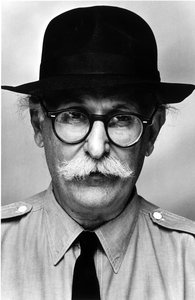
ernest tino trova
1927 - 2009 , United States of America
Основные сведения
- Artistic Movement Or Style: Surrealism and Pop Art
- Artists Who Influenced This Artist: ['Ezra Pound']
- Date Of Birth: February 19, 1927
- Date Of Death: 2009
- Full Name: Ernest Tino Trova
- Nationality: American
- Notable Artworks:
- Falling Man series
- Roman Boy
- Place Of Birth: Clayton, United States of America