

 Предпросмотр
 Поделиться
 Поделиться
 Детали произведения

 Скачать
 Похожие работы
 Рентгенография
 Слайд-шоу
 Статистика
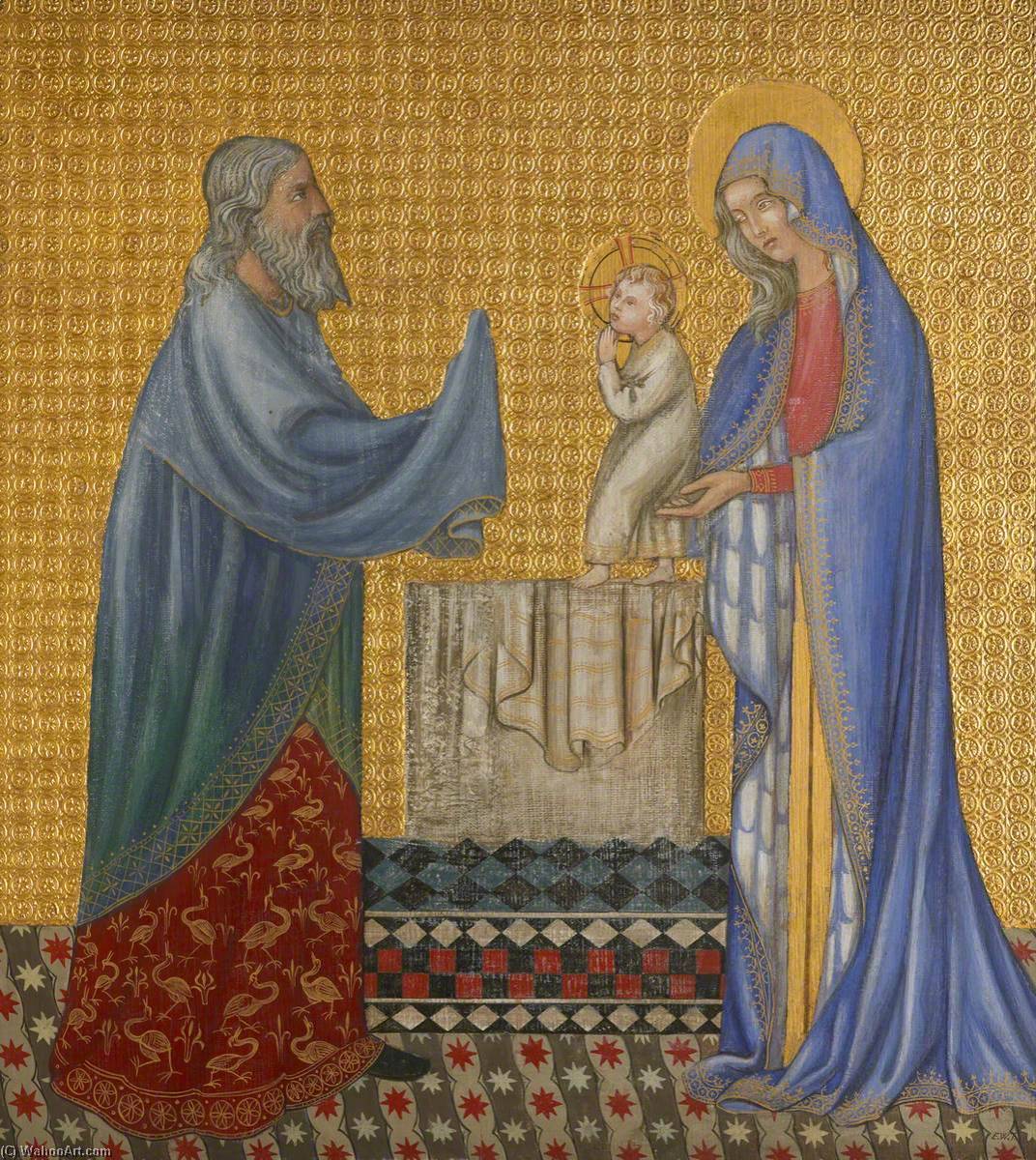
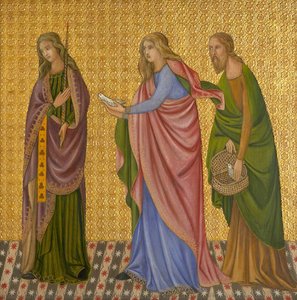
Reconstruction of Medieval Mural Painting, Presentation in the Temple
 1927
1927 72.0 x 67.0 cm
 Читать далее
Приобретите цифровое изображение высокого разрешения в улучшенном качестве, которое значительно превосходит онлайн-превью.
Каждый файл тщательно подготавливается нашими специалистами с использованием передовых инструментов и экспертной ручной ретуши. Мы гарантируем исключительную четкость, точную цветопередачу и детальную проработку каждого изображения.
Финальный файл доставляется по электронной почте в течение 72 часов и оптимизирован для немедленного использования в профессиональной среде, при верстке и печати. Это тот же уровень качества, которому доверяют ведущие дизайнерские студии, издательства и галереи.
Цифровое изображение
Скачайте файл высокого разрешения для личного использования, печати и творческих проектов. ( Перейти к печати Купить картину ручной работы)
Включено в каждый заказ цифровых изображений
Гарантия экспертной цифровой доставки
Выбирая ArtsDot.com, вы получаете не просто изображение — вы приобретаете профессионально обработанное цифровое произведение искусства, созданное с безупречной точностью и под защитой гарантии качества. Вот всё, что автоматически входит в ваш заказ:

Мгновенная доставка по e-mail
Ваш цифровой файл в высоком разрешении будет отправлен вам по электронной почте в течение 72 часов после оформления заказа — и сразу станет доступен для использования.

Цифровой файл с ИИ-улучшением
Ваше произведение искусства проходит профессиональную оптимизацию с использованием передовых инструментов ИИ и ручной обработки, что гарантирует максимальную детализацию, четкость и точность цветопередачи.

Бессрочная бесплатная повторная доставка
Случайно удалили или потеряли файл? Не беспокойтесь — мы отправим его вам повторно в любое время и совершенно бесплатно.

Без импортных пошлин — навсегда
Наслаждайтесь вашим произведением искусства мгновенно без таможенных пошлин, сборов или затрат на доставку — цифровые загрузки всегда не облагаются налогом.

Гарантия точности цветопередачи
Мы гарантируем, что ваше цифровое изображение максимально точно передает оригинальные цвета благодаря использованию профессиональных инструментов и систем управления цветом.

Гарантия удовлетворенности 100 дней
Если вы не будете удовлетворены своим цифровым изображением, мы внесем правки или вернем 100% стоимости в течение 100 дней — без лишних вопросов.

100% Гарантия возврата средств
Не удовлетворены покупкой? Получите полный возврат средств в течение 100 дней после получения цифрового файла — без лишних вопросов.

Скидки на оптовые заказы
Купите 3 изображения, сэкономьте 10% — Купите 5, сэкономьте 15% — Купите 10+, сэкономьте 20%. Отличное решение для творческих проектов, галерей и агентств.
Похожие произведения



Биография художника
The Guardian of Medieval Splendor: The Life and Legacy of Ernest William Tristram
In the quiet, hallowed corridors of British art history, few figures possess the dual mastery of scientific precision and artistic soul quite like Ernest William Tristram. Born in 1882 in the historic town of Carmarthen, Wales, Tristram was a man whose life’s work served as a bridge between the fading echoes of the Middle Ages and the modern era of conservation. His journey began not merely with a brush in hand, but with an exceptional aptitude for chemistry—a discipline that would later allow him to peer beneath the layers of time, analyzing the very pigments that once adorned the walls of England’s most sacred spaces.
Tristram’s artistic identity was forged at the Royal College of Art, where he studied under the legendary W. R. Lethaby. This period of his life was transformative, instilling in him a profound respect for the decorative arts and the structural integrity of historical design. As he transitioned from student to scholar, Tristram became more than just a painter; he became a detective of the past. His fascination with the visual heritage of Britain led him to a career defined by the meticulous documentation of medieval wall paintings, a vocation that required both the eye of an artist and the rigor of an archaeologist.
A Visionary of Reconstruction and Conservation
To understand Tristram is to understand his unique ability to breathe life back into lost grandeur. While many historians were content with mere cataloging, Tristram sought to reconstruct. He did not simply observe the remnants of Gothic murals; he reimagined them in their full, luminous glory. His work on the chancel wall panels for St Elisabeth's Eastbourne and his contributions to York Minster stand as testaments to this creative resurrection. Through his use of tempera and a deep understanding of Byzantine and Gothic aesthetics, he was able to translate fragmented historical evidence into vibrant, symbolic narratives.
< Key Artistic Achievements:- The Reconstruction of Medieval Murals: His ability to interpret faded pigments into complete, cohesive scenes, such as the striking depictions of biblical figures and royal attendants.
- Academic Leadership: Serving as the Professor of Design at the Royal College of Art from 1926 to 1948, where he shaped the next generation of British designers.
- Scientific Conservation: Applying his background in chemistry to the preservation of medieval monuments, including significant work on King Edward's Chair in Westminster Abbey.
- Scholarly Publications: Authoring definitive texts such as English Medieval Wall Painting, which provided a foundational understanding of the twelfth and thirteenth centuries.
The Enduring Resonance of a Scholarly Artist
Tristram’s legacy is etched into the very stone and plaster of the cathedrals he loved. His work was never solely about the preservation of objects, but about the preservation of meaning. Through his paintings—ranging from the poignant "Story of Hezekiah" to the opulent, gold-flecked panels of royal figures—he ensured that the spiritual and social complexities of the medieval world remained accessible to the modern eye. His art was a dialogue between the centuries, a way of ensuring that the light of the past would not be extinguished by the passage of time.
Though he retired in 1948 and passed away in 1952, the impact of his meticulous research and evocative reconstructions continues to resonate. He remains a pioneer who proved that the conservation of art is not merely a technical necessity, but a profound act of cultural storytelling. In every reconstructed line and every carefully analyzed pigment, Ernest William Tristram lives on, reminding us that history is not just something we read, but something we can see, feel, and touch.
ernest william tristram
1882 - 1952
Основные сведения
- Artistic Movement Or Style: Academic Art Style
- Artists Or Movements Influenced By This Artist: ['English Medieval Painting']
- Artists Who Influenced This Artist: ['W. R. Lethaby']
- Date Of Birth: 1882
- Date Of Death: 1952
- Full Name: Ernest William Tristram
- Nationality: British
- Notable Artworks:
- La Païva
- The Sir William Dunn School of Pathology
- Place Of Birth: Carmarthen, Wales