

 Предпросмотр
 Поделиться
 Поделиться
 Детали произведения

 Скачать
 Похожие работы
 Рентгенография
 Слайд-шоу
 Статистика
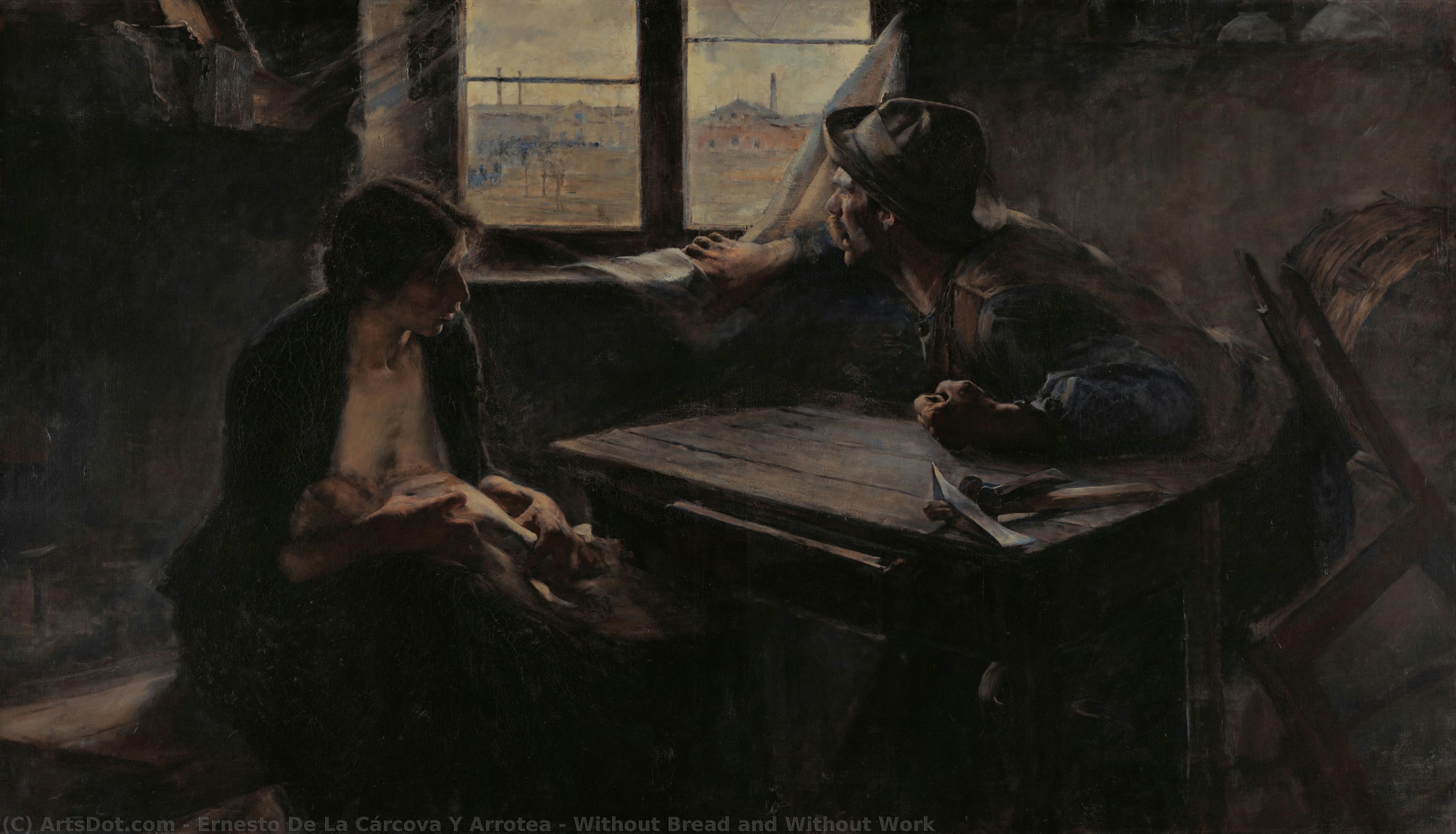
Without Bread and Without Work
 1894
1894 216.0 x 125.0 cm
 Национальный музей изобразительных искусств
 Читать далее
Жикле / Арт-принт
Печать (жикле) или холст музейного качества с быстрыми сроками изготовления и широким выбором вариантов отделки. ( Купить картину ручной работы Перейти к цифровым изображениям)




































Выберите один из наших стандартных размеров, соответствующих оригинальным пропорциям произведения искусства.

Вы можете указать свои собственные размеры, чтобы репродукция идеально подошла под конкретную раму или пространство. Если выбранный вами размер не будет соответствовать пропорциям оригинала, мы либо обрежем произведение, либо дополним изображение зеркальным отражением краев или однотонной заливкой. Перед началом производства вам будет отправлен цифровой макет для утверждения.
Пожалуйста, обратите внимание, что предварительный просмотр на экране не отображает фактическую обрезку или расширение изображения. Только макет точно покажет финальную композицию.
Несмотря на возможность заказа индивидуальных размеров, мы рекомендуем выбирать размер из предопределенного списка, чтобы сохранить оригинальные пропорции.
Доставка по всему миру () за 2 недели вместо стандартных 4/5 недель. (11 Сентябрь)

Бесплатная экспресс-доставка по всему миру

Высококачественный льняной холст

Полное страхование доставки

Гарантия возмещения таможенных пошлин

Гарантия точного соответствия цветов

100-дневная политика возврата (только при обнаружении дефектов)

Гарантия возврата 100% средств

Предложение оптовых скидок
 Вариант со стеклом доступен только для размеров менее 110 см

Without Bread and Without Work
Жикле / Арт-принт
Размер репродукции
-


Итоговая стоимость
$ 62
Похожие произведения







Биография художника
Ernesto de la Cárcova y Arrotea: Life and Legacy
Early Life and Career
Ernesto de la Cárcova y Arrotea, an Argentine painter of the realist school, was born in Buenos Aires, Argentina on March 3, 1866. His early life laid the foundation for a career dedicated to capturing the essence of his country’s people and landscapes. Details regarding his initial artistic training remain somewhat scarce, but it is clear he developed a strong commitment to representing Argentine society with honesty and insight.
Artistic Style and Influences
De la Cárcova y Arrotea's work is characterized by its adherence to realism. This style emphasizes the truthful and accurate depiction of subjects, avoiding idealization or romanticization. He sought to portray life as it was lived, particularly among the working classes and in rural settings. While specific artistic influences are not extensively documented, his focus on social commentary suggests an awareness of European realist movements like those led by Gustave Courbet and Jean-François Millet.
Notable Works
- The Ranch: This piece showcases de la Cárcova y Arrotea’s skill in capturing the essence of rural life, demonstrating his ability to portray everyday scenes with authenticity and detail.
- The Overseers: Demonstrates a balance between composition and narrative, offering a glimpse into the lives of those in positions of authority within Argentine society.
- Without Bread and Without Work: Perhaps his most recognized work, this painting powerfully depicts the hardships faced by the working class, highlighting themes of poverty and social injustice. It is a poignant example of his commitment to social realism.
Museums and Collections
De la Cárcova y Arrotea’s work can be found in various collections, most notably at the National Museum of Fine Arts (Buenos Aires, Argentina). This museum houses a significant portion of his oeuvre and is dedicated to preserving and showcasing the artistic heritage of Argentina. His presence within this institution underscores his importance to Argentine art history.
Legacy and Historical Significance
Ernesto de la Cárcova y Arrotea passed away on December 28, 1927, leaving behind a body of work that continues to be studied and appreciated for its realism and insight into Argentine society during the late 19th and early 20th centuries. His legacy lies in his ability to capture the lives of ordinary people with dignity and honesty, providing valuable documentation of a specific time and place. He is remembered as an important figure in the development of Argentine realist painting, paving the way for future generations of artists who sought to engage with social issues through their work.

ernesto de la cárcova y arrotea
1866 - 1927 , Argentina
Основные сведения
- Birth Date: March 3, 1866
- Birth Place: Buenos Aires, Argentina
- Death Date: December 28, 1927
- Movement: Realism
- Name: Ernesto de la Cárcova y Arrotea
- Nationality: Argentine
- Notable Works:
- The Ranch
- The Overseers
- Without Bread and Without Work