

 Поделиться
 Поделиться
 Детали произведения

 Скачать
 Похожие работы
 Слайд-шоу
 Статистика
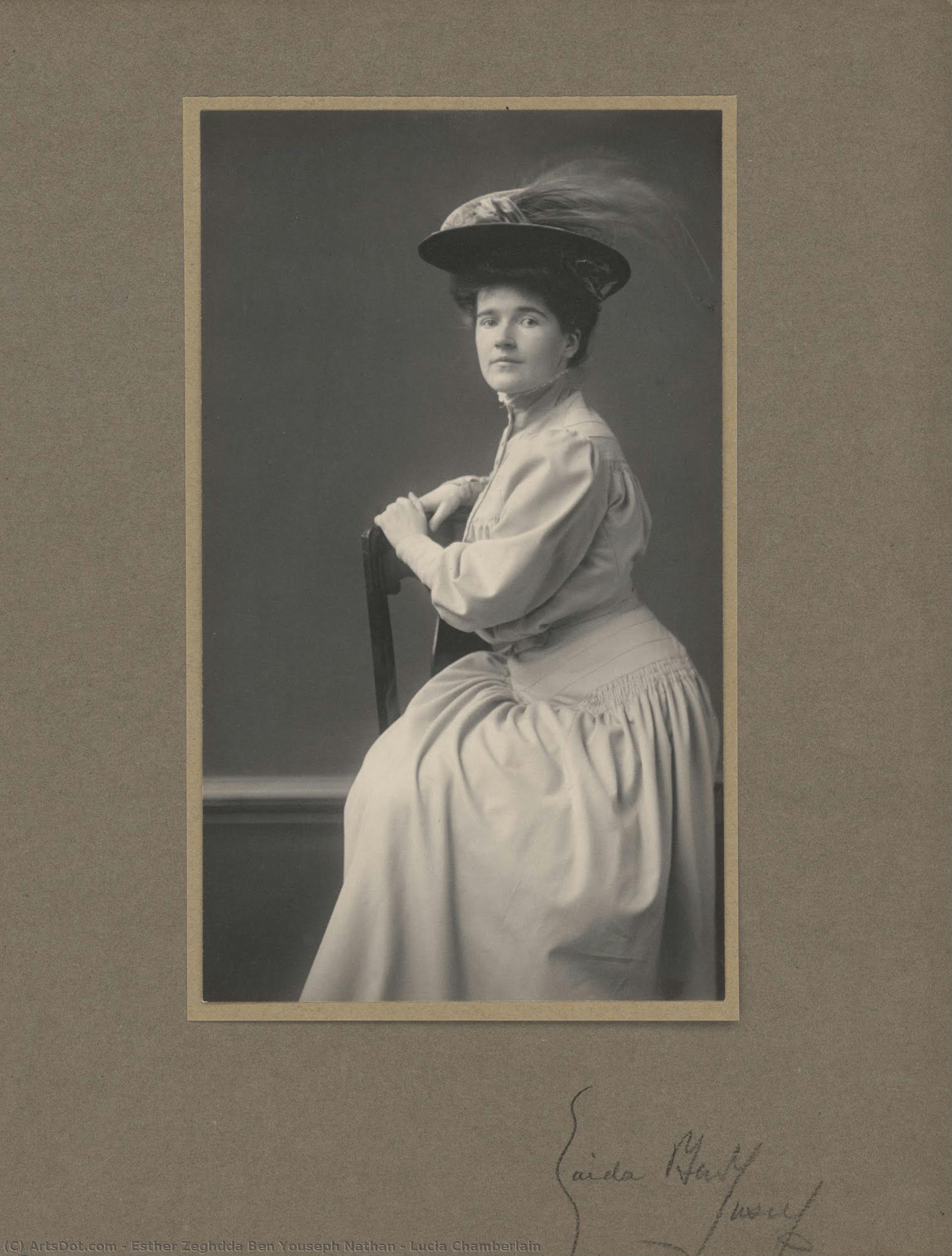
Lucia Chamberlain


 Читать далее
Приобретите цифровое изображение высокого разрешения в улучшенном качестве, которое значительно превосходит онлайн-превью.
Каждый файл тщательно подготавливается нашими специалистами с использованием передовых инструментов и экспертной ручной ретуши. Мы гарантируем исключительную четкость, точную цветопередачу и детальную проработку каждого изображения.
Финальный файл доставляется по электронной почте в течение 72 часов и оптимизирован для немедленного использования в профессиональной среде, при верстке и печати. Это тот же уровень качества, которому доверяют ведущие дизайнерские студии, издательства и галереи.
Цифровое изображение
Скачайте файл высокого разрешения для личного использования, печати и творческих проектов. ( Перейти к печати Купить картину ручной работы)
Включено в каждый заказ цифровых изображений
Гарантия экспертной цифровой доставки
Выбирая ArtsDot.com, вы получаете не просто изображение — вы приобретаете профессионально обработанное цифровое произведение искусства, созданное с безупречной точностью и под защитой гарантии качества. Вот всё, что автоматически входит в ваш заказ:

Мгновенная доставка по e-mail
Ваш цифровой файл в высоком разрешении будет отправлен вам по электронной почте в течение 72 часов после оформления заказа — и сразу станет доступен для использования.

Цифровой файл с ИИ-улучшением
Ваше произведение искусства проходит профессиональную оптимизацию с использованием передовых инструментов ИИ и ручной обработки, что гарантирует максимальную детализацию, четкость и точность цветопередачи.

Бессрочная бесплатная повторная доставка
Случайно удалили или потеряли файл? Не беспокойтесь — мы отправим его вам повторно в любое время и совершенно бесплатно.

Без импортных пошлин — навсегда
Наслаждайтесь вашим произведением искусства мгновенно без таможенных пошлин, сборов или затрат на доставку — цифровые загрузки всегда не облагаются налогом.

Гарантия точности цветопередачи
Мы гарантируем, что ваше цифровое изображение максимально точно передает оригинальные цвета благодаря использованию профессиональных инструментов и систем управления цветом.

Гарантия удовлетворенности 100 дней
Если вы не будете удовлетворены своим цифровым изображением, мы внесем правки или вернем 100% стоимости в течение 100 дней — без лишних вопросов.

100% Гарантия возврата средств
Не удовлетворены покупкой? Получите полный возврат средств в течение 100 дней после получения цифрового файла — без лишних вопросов.

Скидки на оптовые заказы
Купите 3 изображения, сэкономьте 10% — Купите 5, сэкономьте 15% — Купите 10+, сэкономьте 20%. Отличное решение для творческих проектов, галерей и агентств.
Lucia Chamberlain: A Portrait of Victorian Grace
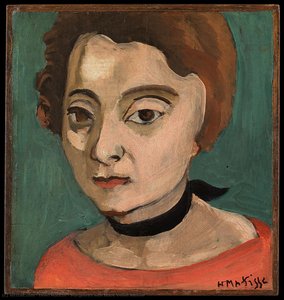
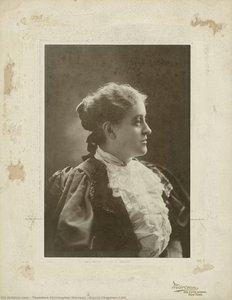
This exquisite hand-painted reproduction captures the essence of Esther Zeghdda Ben Youseph Nathan’s 1908 portrait, “Lucia Chamberlain,” a work that speaks volumes about the era's aesthetic sensibilities and the quiet dignity of its subject. The photograph itself depicts a woman – Lucia – seated with an air of composure, her presence framed by a delicate hat adorned with a veil. The stark black and white tones lend the image a timeless quality, reminiscent of early photography’s emphasis on form and texture rather than color’s immediate allure. Nathan's artistic eye skillfully translates this photographic moment into a painted representation, imbued with a subtle romanticism that resonates across a century.
The Artist: Henri Matisse and the Dawn of Modernity
- Henri Matisse (1869-1933), a pivotal figure in 20th-century art, was a revolutionary who challenged conventional notions of representation. Initially trained in traditional academic styles under Bouguereau, he ultimately forged his own path, prioritizing color and expressive form over strict realism.
- Nathan’s work reflects this influence – a deliberate move away from photographic accuracy towards an interpretation that emphasizes mood, gesture, and the inherent beauty of the subject. Her use of light and shadow is particularly noteworthy, creating a sense of depth and volume within the relatively small format.
- Matisse's own journey, beginning with a reluctant embrace of painting at twenty-one, mirrors the transformative power evident in Nathan’s artistic evolution.
Style and Technique: A Blend of Impressionism and Portraiture
The reproduction showcases Nathan’s mastery of both impressionistic techniques and traditional portraiture. The brushstrokes are visible, contributing to a textured surface that invites close examination. She employs broken color – a hallmark of the Impressionists – subtly layering hues to suggest light and shadow rather than rendering them with precise detail. This approach creates an atmospheric effect, enveloping Lucia in a gentle glow. The composition itself is carefully balanced, drawing the viewer’s eye to the subject's face while utilizing the surrounding figures as subtle compositional elements. The meticulous attention to detail in Lucia’s clothing – the folds of her dress, the texture of the veil – further enhances the realism and elegance of the piece.
Historical Context: Victorian Society and Portraiture
Created in 1908, “Lucia Chamberlain” exists within a fascinating period of transition. The late Victorian era was characterized by strict social conventions and a strong emphasis on decorum. Portraits were not merely representations of individuals; they served as markers of status and wealth, documenting family lineage and commemorating important life events. The presence of the other figures in the background – one standing and another seated – subtly reinforces this context, suggesting a familial or social gathering. The woman's attire, indicative of the period, speaks to her position within Victorian society.
Symbolism and Emotional Impact
Beyond its technical merits, “Lucia Chamberlain” evokes a sense of quiet contemplation and restrained elegance. Lucia’s posture – seated with an air of dignity – suggests composure and self-assurance. The veil adds an element of mystery and perhaps even melancholy, while the hat speaks to the fashionable trends of the time. Nathan's skillful rendering captures not just a likeness but also a feeling—a poignant moment frozen in time, offering a glimpse into the lives and sensibilities of a bygone era. This reproduction offers more than just a beautiful image; it provides an opportunity to connect with art history and appreciate the enduring power of portraiture.
Похожие произведения
Биография художника
Henri Matisse: A Revolutionary of Color
Henri Matisse, born December 31st, 1869, in Le Cateau, France, wasn’t initially destined for a life immersed in art. His early years were marked by a quiet, almost reluctant interest, a stark contrast to the vibrant and expressive world he would ultimately create. Initially pursuing a career in law, Matisse only embraced painting at the age of twenty-one, a pivotal shift that would forever alter the course of 20th-century art. This unexpected turn reveals a deep-seated need for self-expression, a yearning to translate the world – and his own inner landscape – into a language of color and form. His journey from legal clerk to artistic icon is a testament to the transformative power of passion and a relentless pursuit of visual truth.
Early Influences and Artistic Training
Matisse’s early artistic education was rooted in traditional academic training, beginning with the Académie Julian in Paris. Here, he studied under William-Adolphe Bouguereau, a master of classical realism. However, Matisse quickly recognized that this rigid approach wasn't fulfilling his creative desires. He sought a broader understanding of art history, immersing himself in the works of masters like Édouard Manet and Paul Cézanne – artists who challenged conventional notions of representation. Cézanne’s emphasis on geometric forms and the exploration of light and color profoundly influenced Matisse’s developing style, laying the groundwork for his later innovations. His time at the École des Beaux-Arts followed, but it was a brief foray into the established system; he found its constraints stifling and ultimately abandoned formal training to pursue his own artistic vision.
The Fauvist Revolution and the Language of Color
Around 1900, Matisse became a central figure in the Fauvist movement – a radical burst of color that shocked and captivated the art world. The term “Fauves,” meaning “wild beasts” in French, was initially applied derisively to this group of artists, who prioritized intense, non-naturalistic colors over traditional representation. Matisse’s paintings from this period, such as *Woman with a Hat* (1905) and *The Red Studio* (1911), exemplify the Fauvist aesthetic: bold swathes of red, blue, yellow, and green are applied with an almost violent energy, creating a dazzling and emotionally charged effect. He deliberately rejected the muted tones of academic painting, embracing color as the primary subject matter – a means to evoke feeling, atmosphere, and subjective experience. This was not merely decorative; it was a fundamental shift in how artists perceived and utilized color.
Mature Style: Harmony, Line, and Mediterranean Influence
Following the intensity of the Fauvist period, Matisse’s style evolved into something more refined and controlled. He moved to Nice in 1917, seeking inspiration from the warm light and vibrant landscapes of the French Riviera. This relocation marked a significant shift towards a more harmonious and balanced aesthetic. His paintings during this time – works like *Dance* (1910) and *Music* (1910) – are characterized by flattened forms, simplified shapes, and a deliberate use of line to create rhythm and movement. He developed a distinctive “cut-out” technique in the 1940s, using colored paper to construct intricate compositions that resembled stained glass windows or decorative panels. These works demonstrate his continued exploration of form, color, and composition, reflecting a mature understanding of his own artistic language.
Legacy and Historical Significance
Henri Matisse’s impact on the art world is immeasurable. He not only spearheaded the Fauvist movement but also profoundly influenced generations of artists who followed. His emphasis on color, simplification, and emotional expression paved the way for numerous subsequent artistic movements, including Abstract Expressionism and Pop Art. Beyond his individual achievements, Matisse's work embodies a spirit of innovation, experimentation, and a deep engagement with the fundamental elements of art – color, line, and form. He demonstrated that art could be both visually stunning and emotionally resonant, leaving behind a legacy as one of the most important and enduring figures in modern art history. His works are celebrated for their beauty, their boldness, and their ability to transport viewers to another realm.
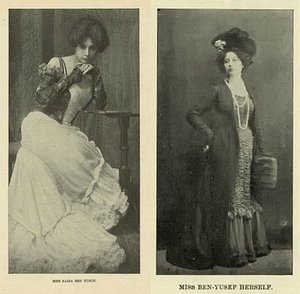
esther zeghdda ben youseph nathan
1869 - 1933 , United Kingdom
Основные сведения
- Artistic Movement Or Style:
- Fauvism
- Modernism
- Artists Or Movements Influenced By This Artist: ['Pablo Picasso']
- Artists Who Influenced This Artist:
- William-Adolphe Bouguereau
- Paul Cézanne
- Date Of Birth: December 31, 1869
- Date Of Death: November 3, 1954
- Full Name: Henri-Émile-Benoît Matisse
- Nationality: French
- Notable Artworks:
- The Red Studio
- Dance (Matisse)
- Blue Nude
- Place Of Birth: Le Cateau, Picardy, France