

 Предпросмотр
 Поделиться
 Поделиться
 Детали произведения

 Скачать
 Похожие работы
 Рентгенография
 Слайд-шоу
 Статистика
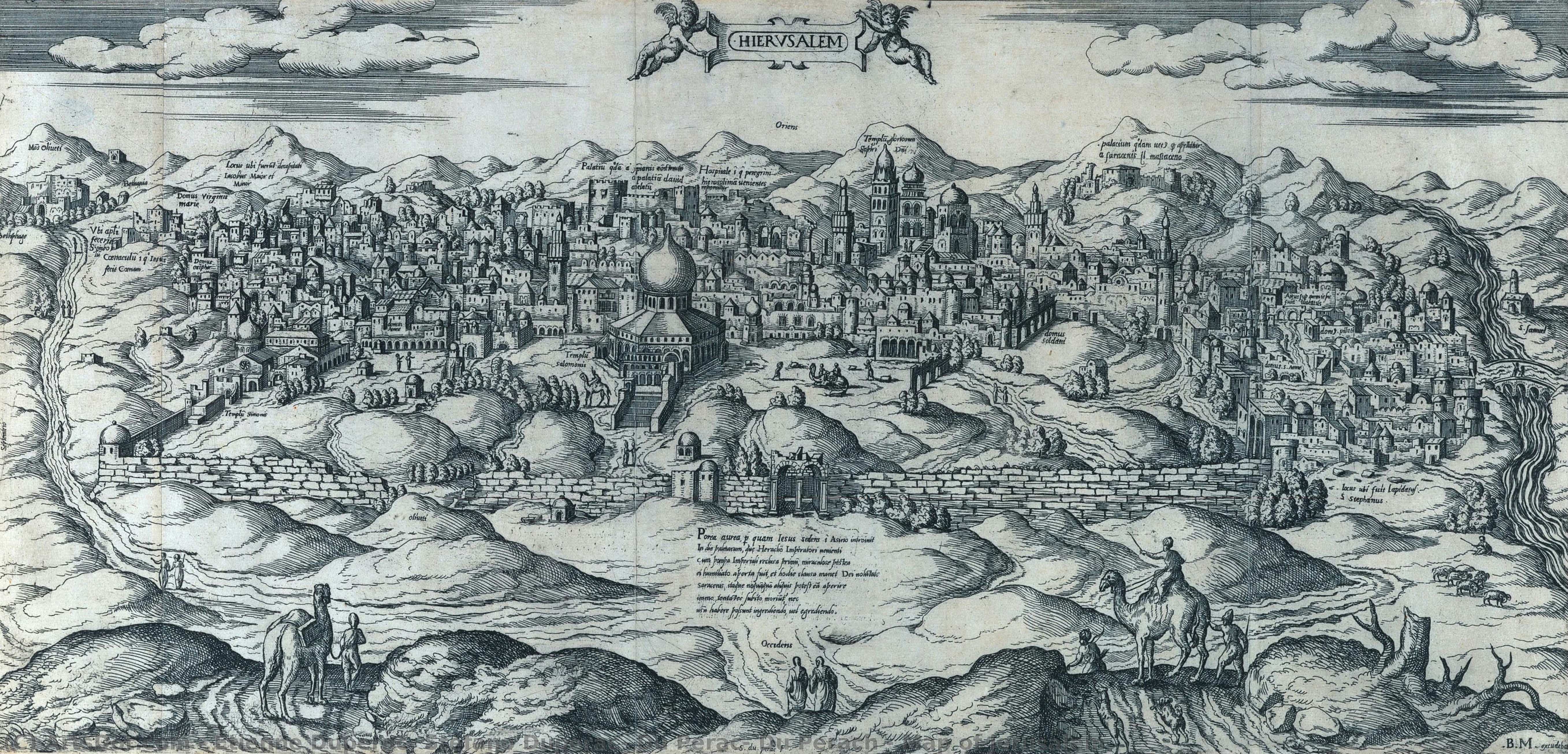
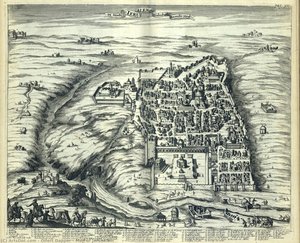
Map of Jerusalem
 1570
1570 31.0 x 65.0 cm
 Национальная библиотека Израиля
 Читать далее
Приобретите цифровое изображение высокого разрешения в улучшенном качестве, которое значительно превосходит онлайн-превью.
Каждый файл тщательно подготавливается нашими специалистами с использованием передовых инструментов и экспертной ручной ретуши. Мы гарантируем исключительную четкость, точную цветопередачу и детальную проработку каждого изображения.
Финальный файл доставляется по электронной почте в течение 72 часов и оптимизирован для немедленного использования в профессиональной среде, при верстке и печати. Это тот же уровень качества, которому доверяют ведущие дизайнерские студии, издательства и галереи.
Цифровое изображение
Скачайте файл высокого разрешения для личного использования, печати и творческих проектов. ( Перейти к печати Купить картину ручной работы)
Включено в каждый заказ цифровых изображений
Гарантия экспертной цифровой доставки
Выбирая ArtsDot.com, вы получаете не просто изображение — вы приобретаете профессионально обработанное цифровое произведение искусства, созданное с безупречной точностью и под защитой гарантии качества. Вот всё, что автоматически входит в ваш заказ:

Мгновенная доставка по e-mail
Ваш цифровой файл в высоком разрешении будет отправлен вам по электронной почте в течение 72 часов после оформления заказа — и сразу станет доступен для использования.

Цифровой файл с ИИ-улучшением
Ваше произведение искусства проходит профессиональную оптимизацию с использованием передовых инструментов ИИ и ручной обработки, что гарантирует максимальную детализацию, четкость и точность цветопередачи.

Бессрочная бесплатная повторная доставка
Случайно удалили или потеряли файл? Не беспокойтесь — мы отправим его вам повторно в любое время и совершенно бесплатно.

Без импортных пошлин — навсегда
Наслаждайтесь вашим произведением искусства мгновенно без таможенных пошлин, сборов или затрат на доставку — цифровые загрузки всегда не облагаются налогом.

Гарантия точности цветопередачи
Мы гарантируем, что ваше цифровое изображение максимально точно передает оригинальные цвета благодаря использованию профессиональных инструментов и систем управления цветом.

Гарантия удовлетворенности 100 дней
Если вы не будете удовлетворены своим цифровым изображением, мы внесем правки или вернем 100% стоимости в течение 100 дней — без лишних вопросов.

100% Гарантия возврата средств
Не удовлетворены покупкой? Получите полный возврат средств в течение 100 дней после получения цифрового файла — без лишних вопросов.

Скидки на оптовые заказы
Купите 3 изображения, сэкономьте 10% — Купите 5, сэкономьте 15% — Купите 10+, сэкономьте 20%. Отличное решение для творческих проектов, галерей и агентств.
Похожие произведения




Биография художника
Étienne Dupérac: Architect of Roman Vision
Étienne Dupérac (c. 1525 – 1604), born in Bordeaux, France, stands as a pivotal figure within the artistic landscape of the Renaissance, particularly renowned for his contributions to architectural illustration and topographical maps of ancient Rome. While overshadowed by contemporaries like Michelangelo and Raphael, Dupérac’s meticulous renderings captured the grandeur and complexity of Roman monuments with unparalleled precision—a testament to his dedication and skill as an engraver, painter, architect, and cartographer. His legacy resides not merely in individual artworks but in establishing a new standard for visual representation during a period obsessed with classical ideals.- Early Life & Training: Dupérac’s formative years were spent honing his artistic talents under the tutelage of Jean Goujon, a celebrated sculptor and architect who championed the revival of Roman architectural styles. This mentorship instilled in Dupérac a profound appreciation for classical forms and techniques—a cornerstone of his subsequent oeuvre.
- Rome & Architectural Illustration: Dupérac’s arrival in Rome around 1559 marked a transformative moment in his career, propelling him into the epicenter of artistic innovation. He swiftly gained recognition as an illustrator of architectural designs, producing breathtaking depictions of temples, basilicas, and public spaces—works that served as invaluable guides for scholars and architects alike.
- Notable Projects: Dupérac’s prolific output encompassed ambitious undertakings such as the Speculum Romanae Magnificentiae (Mirror of Roman Magnificence), a monumental panoramic map showcasing Rome's architectural achievements; detailed plans of Saint Peter’s Basilica, reflecting the burgeoning Baroque style; and reconstructions of ancient sites like Pompeii and Herculaneum.
- Technique & Style: Dupérac’s artistic approach was characterized by meticulous observation and painstaking execution—traits evident in his engravings and paintings alike. He skillfully employed hatching and shading to convey depth and texture, achieving remarkable realism that surpassed many of his peers. His prints are distinguished by their clarity and accuracy, cementing his reputation as a master of topographical representation.
- Legacy & Influence: Dupérac’s influence extended beyond the immediate visual realm, shaping perceptions of Roman antiquity and inspiring subsequent generations of artists. He championed the revival of classical ideals—a movement that profoundly impacted European art and architecture throughout the 17th century. His meticulous drawings continue to be studied by historians and scholars today, underscoring his enduring contribution to artistic history.
Key Works: Capturing Roman Grandeur
Dupérac’s artistic output yielded several masterpieces that exemplify his mastery of architectural illustration. The Speculum Romanae Magnificentiae remains arguably his most ambitious project—a sprawling panorama depicting Rome's monumental buildings with breathtaking detail and perspective. Similarly, his plans for Saint Peter’s Basilica showcased the burgeoning Baroque style while simultaneously honoring Roman precedents. Furthermore, Dupérac’s reconstructions of Pompeii and Herculaneum offered unprecedented insights into the daily life and architectural splendor of ancient Roman civilization—works that cemented his position as a pioneer in archaeological visualization.- Speculum Romanae Magnificentiae: This monumental map meticulously documented Rome's architectural landscape, utilizing innovative techniques to convey depth and spatial relationships.
- Saint Peter’s Basilica Plans: Dupérac’s designs for Saint Peter’s Basilica incorporated classical elements while embracing the Baroque aesthetic—a harmonious blend of tradition and innovation.
- Pompeii & Herculaneum Reconstructions: Dupérac's reconstructions provided invaluable visual representations of Pompeii and Herculaneum, capturing the essence of Roman urban life and architectural grandeur.
Beyond Illustration: Expanding Artistic Horizons
While Dupérac’s fame rests primarily on his architectural drawings, he possessed considerable talent as a painter—primarily focusing on landscapes that reflected the serene beauty of the French countryside. His artistic versatility extended beyond visual arts; he also dabbled in sculpture and served as an architect for various ecclesiastical commissions. These diverse pursuits demonstrate Dupérac's intellectual curiosity and commitment to mastering multiple disciplines—a characteristic that distinguishes him from many artists of his era.- Landscape Paintings: Dupérac’s landscapes captured the tranquil charm of France, employing subtle tonal variations to convey atmospheric depth and realism.
- Sculptural Commissions: He undertook several sculptural projects—primarily religious commissions—demonstrating his artistic skill beyond drawing and painting.
Historical Significance & Lasting Influence
Étienne Dupérac’s work stands as a testament to the Renaissance spirit of humanist inquiry and artistic experimentation—a period marked by an ardent fascination with classical antiquity. His meticulous renderings of Roman monuments profoundly impacted scholarly understanding of ancient Rome, shaping perceptions of architectural history for centuries to come. Moreover, Dupérac's advocacy for reviving classical ideals contributed significantly to the broader cultural transformation that characterized Europe during the 17th century—a legacy that continues to inspire artists and scholars alike.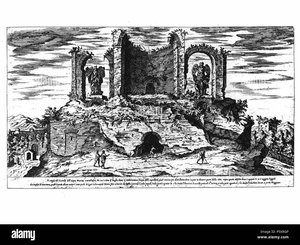
étienne dupérac, stefano duperac, du perac, du perach
1604 , France
Основные сведения
- Artistic Movement Or Style: Renaissance
- Artists Or Movements Influenced By This Artist: ['Bartolomeo Faleti']
- Artists Who Influenced This Artist: ['']
- Date Of Birth: Around 1525
- Full Name: Étienne Dupérac
- Nationality: French
- Notable Artworks:
- Topographical Map of Ancient Rome
- The Coronation of Cosimo I de' Medici
- Ichnographia Templi Divi Petri [Plan of Saint Peter's Basilica in Rome]
- Place Of Birth: Bordeaux, France