

 Предпросмотр
 Поделиться
 Поделиться
 Детали произведения

 Скачать
 Похожие работы
 Рентгенография
 Слайд-шоу
 Статистика
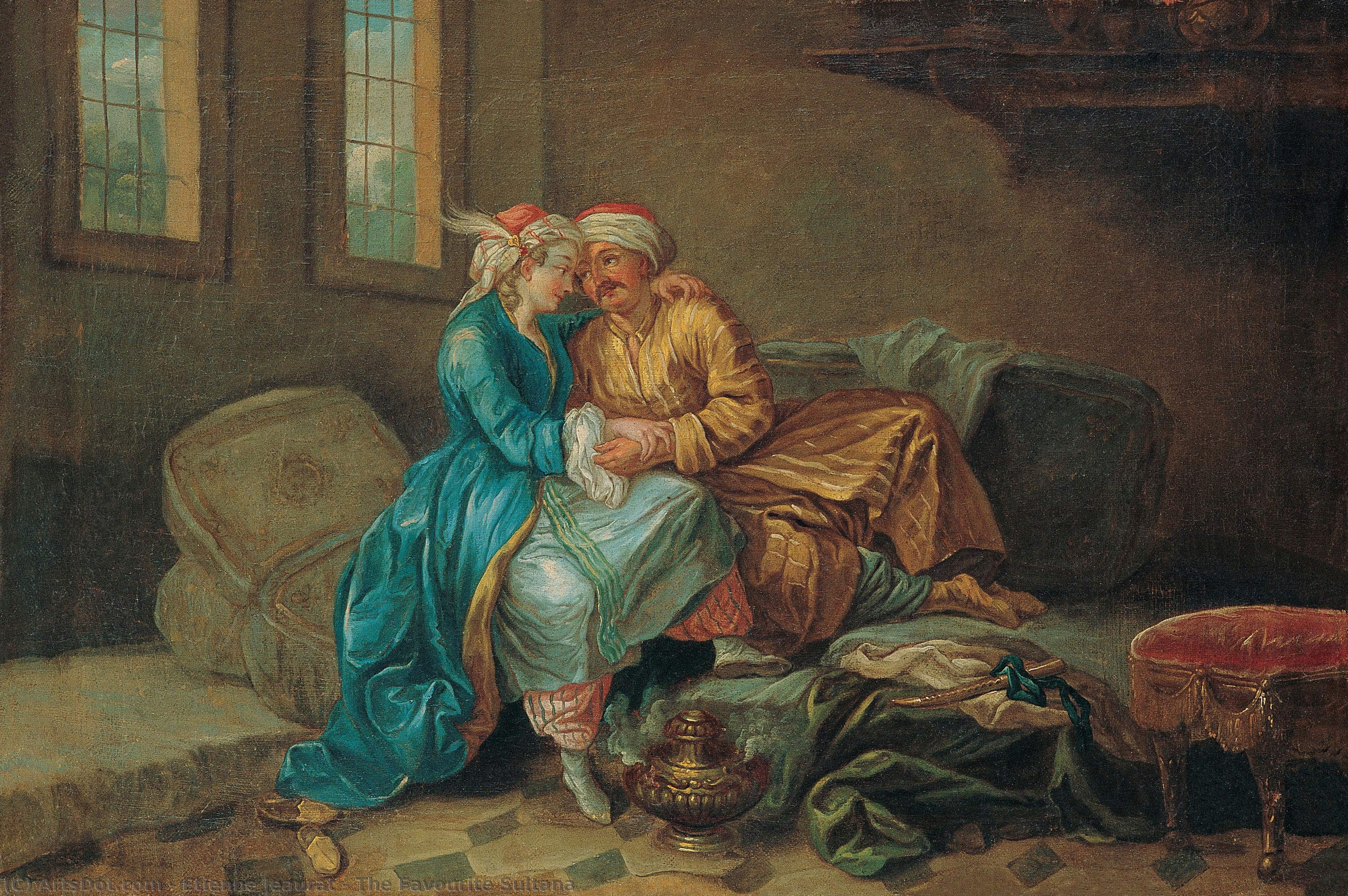
The Favourite Sultana
 745.0 x 500.0 cm
 Музей Пера
 Читать далее
Масляная репродукция ручной работы
Картина маслом на холсте в выбранном вами размере и раме, написанная на заказ нашими художниками. ( Перейти к печати Перейти к цифровым изображениям)




































Выберите один из наших стандартных размеров, соответствующих оригинальным пропорциям произведения искусства.

Вы можете указать собственные размеры, чтобы картина идеально вписалась в выбранную раму или пространство. Если выбранный вами размер не соответствует пропорциям оригинала, мы либо обрежем полотно, либо расширим его за счет дополнительных элементов, написанных вручную. Цифровой макет будет отправлен вам на утверждение перед началом производства.
Обратите внимание, что предварительный просмотр на экране не отражает фактическую обрезку или расширение. Только макет точно покажет окончательную композицию.
Хотя доступны индивидуальные размеры, мы рекомендуем выбирать вариант из предопределенного списка, чтобы сохранить исходные пропорции.
После оформления заказа команда ArtsDot.com свяжется с клиентом по электронной почте для уточнения деталей и предоставит предварительный макет
Доставка по всему миру () за 3–4 недели вместо стандартных 5 недель. (12 Сентябрь). Без компромиссов в качестве.

Бесплатная экспресс-доставка по всему миру

Высококачественный льняной холст

Полное страхование доставки

Гарантия возмещения таможенных пошлин

Гарантия точного соответствия цветов

100-дневная политика возврата (только при обнаружении дефектов)

Гарантия возврата 100% средств

Предложение оптовых скидок
 Вариант со стеклом доступен только для размеров менее 110 см

The Favourite Sultana
Техника репродукции
Размер репродукции
-


Итоговая стоимость
$ 263
Похожие произведения








Биография художника
The Parisian Impressionist Before Impressionism
In the grand tapestry of eighteenth-century French art, certain names shine with a permanent, gilded luster, while others exist in the soft, flickering shadows of history. Étienne Jeaurat belongs to that evocative second group—a painter whose work possesses a rhythmic vitality that seems to pulse with the very heartbeat of pre-revolutionary Paris. Often described as a precursor to the Impressionist movement, Jeaurat did not merely paint scenes; he captured the fleeting essence of urban life, transforming mundane street encounters into enduring vignettes of human connection and atmospheric light.
Born in 1699 in Vercheny, near Auxerre, Jeaurat’s early years were shadowed by the profound loss of his father. This early tragedy, however, did not stifle his creative spirit; instead, it led him toward a destiny shaped by familial devotion and mentorship. His brother, Edme Jeaurat, an accomplished engraver, played a pivotal role in his ascent, guiding him toward the tutelage of Nicolas Vleughels. This connection proved transformative, as Vleughels—a close associate of the legendary Antoine Watteau—introduced the young artist to the sophisticated nuances of the Roman Baroque and the delicate, theatrical grace of the Rococo style.
A Journey Through Light and Shadow
The trajectory of Jeaurat’s artistic development was irrevocably altered by his time in Rome. Immersed in the cradle of classical antiquity, he absorbed the monumental grandeur of Bernini’s sculptures and the dramatic, chiaroscroll intensity of Caravaggio. Yet, Jeaurat was never a mere imitator of the past. His true genius emerged from a sophisticated synthesis of disparate worlds: he possessed the ability to marry the formal rigor of the Baroque with the quiet, understated realism found in the works of Chardin. This unique stylistic alchemy allowed him to move between the epic and the intimate, applying masterful brushwork to convey both the weight of history and the lightness of a passing breeze.
Upon his return to Paris, Jeaurat’s ascent within the prestigious Académie Royale was swift and significant. He became a member of the Academy in 1733 and eventually rose to the esteemed positions of professor and chancellor. His professional life was deeply intertwined with the French monarchy; from 1767, he served as the guardian of the king's collection of paintings at Versailles. This proximity to the pinnacle of royal patronage undoubtedly refined his eye for detail and his understanding of how art functions as both a personal expression and a monumental cultural record.
The Legacy of the Street Scene
While his official duties were centered around the halls of power, Jeaurat’s heart remained in the streets. He became celebrated for his genre paintings—lively, bustling depictions of Parisian life that breathed with an unprecedented sense of movement. Unlike the stiff, idealized portraits of the era, Jeaurat’s compositions often felt spontaneous, as if the viewer had stumbled upon a private moment in a crowded marketplace or a quiet corner of a city square. His work is characterized by:
- Atmospheric Precision: A remarkable ability to use tonal gradations to suggest the humidity of a summer afternoon or the cool dampness of a morning mist.
- Human Connection: An empathetic gaze that captured the subtle gestures, expressions, and social interplays of common citizens.
- Narrative Depth: The use of small, seemingly incidental details to hint at larger stories unfolding within his crowded street scenes.
As the eighteenth century drew to a close, Jeaurat remained a steadfast observer of a world on the brink of monumental change. He passed away in 1789, the same year the French Revolution began to reshape the landscape of Europe forever. Though he lived through the twilight of the Ancien Régime, his artistic legacy remains bright. By finding extraordinary beauty in the ordinary and capturing the ephemeral spirit of the streets, Étienne Jeaurat bridged the gap between the classical traditions of his ancestors and the modern, light-drenched sensibilities of the generations to come.
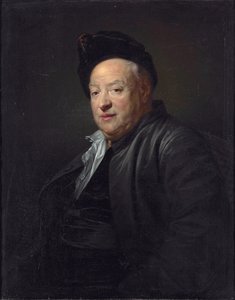
Étienne Jeaurat
1699 - 1789 , France
Основные сведения
- Artistic Movement Or Style: Rococo
- Artists Or Movements Influenced By This Artist: Chardin
- Artists Who Influenced This Artist: Nicolas Vleughels
- Date Of Birth: February 9, 1699
- Date Of Death: December 14, 1789
- Full Name: Étienne Jeaurat
- Nationality: French
- Notable Artworks:
- Girls of Pleasure at Salpétrière
- The Favourite Sultana
- Place Of Birth: Vercheny, France