


 Предпросмотр
 Поделиться
 Поделиться
 Детали произведения

 Скачать
 Похожие работы
 Рентгенография
 Слайд-шоу
 Статистика
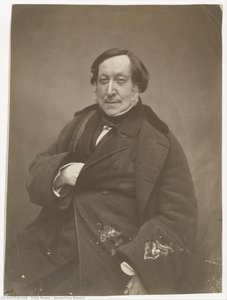
Reproduction of a photographic portrait of David d


 Читать далее
Масляная репродукция ручной работы
Картина маслом на холсте в выбранном вами размере и раме, написанная на заказ нашими художниками. ( Перейти к печати Перейти к цифровым изображениям)




P118B $10

P118H $10

P118W $10

P438Z $10

P508JH $12

P508YH $12

P805H $10

P805Z $10

P919BZ $10

P919G $10

P919XJ $10

P959ZH $10

P968JZ $12

W106C $8

W218G $10

W218JH $8

W218Y $10

W307PJ $10

W316G $10

W316PJ $8

W316Y $10

W398PJ $8

W4111J $10

W500HY $15

W500JH $15

W692G $12

W849H $8

W940BG $15

W953PJ $8




Выберите один из наших стандартных размеров, соответствующих оригинальным пропорциям произведения искусства.

Вы можете указать собственные размеры, чтобы картина идеально вписалась в выбранную раму или пространство. Если выбранный вами размер не соответствует пропорциям оригинала, мы либо обрежем полотно, либо расширим его за счет дополнительных элементов, написанных вручную. Цифровой макет будет отправлен вам на утверждение перед началом производства.
Обратите внимание, что предварительный просмотр на экране не отражает фактическую обрезку или расширение. Только макет точно покажет окончательную композицию.
Хотя доступны индивидуальные размеры, мы рекомендуем выбирать вариант из предопределенного списка, чтобы сохранить исходные пропорции.
После оформления заказа команда ArtsDot.com свяжется с клиентом по электронной почте для уточнения деталей и предоставит предварительный макет
Доставка по всему миру () за 3–4 недели вместо стандартных 5 недель. (15 Сентябрь). Без компромиссов в качестве.

Бесплатная экспресс-доставка по всему миру

Высококачественный льняной холст

Полное страхование доставки

Гарантия возмещения таможенных пошлин

Гарантия точного соответствия цветов

100-дневная политика возврата (только при обнаружении дефектов)

Гарантия возврата 100% средств

Предложение оптовых скидок
 Вариант со стеклом доступен только для размеров менее 110 см

Reproduction of a photographic portrait of David d
Техника репродукции
Размер репродукции
-


Итоговая стоимость
$ 263
Étienne-Prosper Berne-Bellecour: A Pioneer of Pictorial Realism
Étienne-Prosper Berne-Bellecour (1838-1910) stands as a pivotal figure in the late 19th-century French artistic landscape, embodying the spirit of realism and Impressionism—a movement that sought to capture fleeting moments of beauty and emotion with unprecedented accuracy. Born in Boulogne-sur-Mer, France, Berne-Bellecour’s formative years instilled within him an unwavering passion for art, propelling him toward formal training under luminaries like François-Édouard Picot and Félix-Joseph Barrias—masters who championed the enduring traditions of classical painting while simultaneously fostering a burgeoning openness to innovative visual approaches. This dual influence would become the cornerstone of his artistic vision, shaping his oeuvre into a remarkable synthesis of meticulous observation and expressive brushwork.- Early Influences: Picot and Barrias instilled in Berne-Bellecour a profound understanding of anatomy and composition—principles derived from Renaissance art that emphasized clarity and balance. These foundational teachings provided him with the technical tools necessary to translate his artistic sensibilities into compelling visual representations.
- The Prix de Rome Competition (1859): Driven by ambition, Berne-Bellecour competed for the prestigious Prix de Rome—a contest designed to nurture young talent and propel aspiring artists toward academic excellence. Achieving success in this competition solidified his position within the Parisian artistic community and affirmed his commitment to mastering established artistic conventions.
- Photography as Catalyst: Recognizing the transformative potential of photography, Berne-Bellecour embraced this emerging medium alongside his painting pursuits—a decision that reflected not only his intellectual curiosity but also his pragmatic resourcefulness. Exposure to photographic techniques broadened his perceptual horizons and subtly informed his artistic style, encouraging him to prioritize detail and nuance in his depictions of the natural world.
A Journey Through Landscape and Narrative
Berne-Bellecour’s artistic output spanned a diverse range of subjects—primarily landscapes infused with atmospheric effects and evocative narratives that explored themes of human experience and social commentary. His canvases frequently depicted scenes from rural France, capturing the subtle nuances of light and color—characteristics emblematic of Impressionism's core tenets. However, he wasn’t merely concerned with reproducing visual appearances; rather, Berne-Bellecour sought to convey emotional resonance—to transport viewers into the very heart of his subjects. This ambition is particularly evident in works such as “Picket guards,” where meticulous attention to detail combined with expressive brushstrokes creates a palpable sense of immediacy and psychological depth.- Technique: Berne-Bellecour’s technique—characterized by layering thin glazes of pigment onto prepared canvases—allowed him to achieve remarkable luminosity and tonal gradation. This method, honed through years of practice, enabled him to capture the ephemeral qualities of light and atmosphere with unparalleled fidelity.
- Symbolism & Emotion: Beyond mere representation, Berne-Bellecour’s paintings communicated profound emotional truths—reflecting his own philosophical convictions about the human condition. His compositions often incorporated symbolic elements—such as references to mythology and folklore—to enrich their narrative content and invite contemplation on universal themes of beauty, sorrow, and redemption.
- Notable Works: Among his most celebrated pieces are “A dragon in front of a portal” and “Soldier on a battlefield”—works that exemplify Berne-Bellecour’s ability to convey both visual splendor and psychological complexity—capturing the grandeur of nature alongside the solemn realities of warfare.
Legacy & Influence
Étienne-Prosper Berne-Bellecour's contribution to French art extends far beyond his individual creations; he served as a mentor and inspiration to younger artists—particularly Jehan Georges Vibert—who embraced his pioneering approach to landscape painting and narrative storytelling. His unwavering dedication to realism combined with an astute understanding of Impressionistic principles established him as a cornerstone of the artistic movement—a legacy that continues to resonate within contemporary art discourse. The Fryderyk Chopin Institute in Warsaw proudly showcases reproductions of Berne-Bellecour’s masterpieces, ensuring that his evocative visions endure for generations to come.Похожие произведения

Биография художника
A Life Etched in Military Canvas: The World of Étienne-Prosper Berne-Bellecour
Born in the coastal town of Boulogne-sur-Mer, France, in 1838, Étienne-Prosper Berne-Bellecour embarked on an artistic journey that would ultimately capture the tumultuous spirit of 19th-century France. From his earliest days, a clear inclination towards art was evident, leading him to formal training under the esteemed François-Édouard Picot and Félix-Joseph Barrias. These masters instilled in him a solid foundation in traditional painting techniques, a discipline he would later blend with emerging artistic sensibilities. His ambition drove him to compete for the prestigious Prix de Rome in 1859 while simultaneously demonstrating an adaptable spirit by supporting his studies through photography – a testament to his resourcefulness and keen eye for visual detail. This early exposure to both established academic methods and the burgeoning field of photography would profoundly shape his artistic perspective, allowing him to approach painting with a unique blend of precision and observation. Even during these formative years, Berne-Bellecour displayed a diverse range of talents, collaborating with his brother-in-law, Jehan Georges Vibert, on a comedic play performed at the Palais Royal in 1862 – an unusual venture that hinted at a playful intellect alongside his artistic dedication.From Landscapes to the Echoes of War
Initially, Berne-Bellecour’s artistic focus mirrored the prevailing tastes of the time, centering on landscapes and portraits. He diligently exhibited his work at the Salons throughout the 1860s, gradually gaining recognition within the Parisian art scene. His photographic skills were also acknowledged with a prize at the Universal Exposition of 1867, further solidifying his reputation as a versatile artist. However, a pivotal moment arrived in 1868 when Vibert encouraged him to dedicate himself entirely to painting. This encouragement coincided with a period of significant upheaval – the outbreak of the Franco-Prussian War in 1870. Alongside Vibert, Alexander Louis Leloir, and Édouard Detaille, Berne-Bellecour embarked on a journey to Africa, an experience that broadened his artistic horizons before being abruptly curtailed by the conflict. Returning to France, he bravely served as a *francs-tireur* (irregular soldier), earning a medal for gallantry under fire – an experience that would irrevocably alter the course of his art. The horrors and realities witnessed during the war ignited within him a passion for depicting military life with unflinching honesty and emotional depth.Mastering the Art of Military Realism
The Franco-Prussian War profoundly impacted Berne-Bellecour’s artistic direction, leading him to specialize in military subjects. His paintings meticulously depict scenes of soldiers at rest, battles unfolding, and the stark realities of warfare with remarkable detail. He didn't merely portray the grandeur of conflict; he focused on the human element – the weariness, resilience, and quiet dignity of those caught within its grasp. This commitment to realism was skillfully blended with elements of Impressionism, allowing him to capture not only the accuracy of observation but also the emotional atmosphere of his subjects. He masterfully employed light and shadow to convey a sense of drama and immediacy, drawing viewers into the heart of the scene. Beyond painting, Berne-Bellecour further demonstrated his artistic range by practicing as a sculptor and etcher, showcasing his versatility across different mediums. In 1878, he was honored with the title of Chevalier in the French Legion of Honor, recognizing his significant contributions to the arts and solidifying his position within the Parisian art world.A Legacy Forged in History
Étienne-Prosper Berne-Bellecour’s work provides invaluable insights into the military history and social context of 19th-century France. His detailed depictions of soldiers and battle scenes offer a compelling visual record of this turbulent period, going beyond mere documentation to capture the psychological impact of war on individuals and society. He wasn't simply painting *what* happened; he was conveying *how it felt*. His son, Jean-Jacques Berne-Bellecour (1874–1939), followed in his father’s footsteps as a military painter, continuing the family legacy and ensuring that this unique artistic perspective endured. Étienne-Prosper Berne-Bellecour passed away on November 29, 1910, leaving behind a significant body of work that continues to be appreciated for its historical accuracy, artistic merit, and poignant portrayal of human experience amidst the chaos of war. His canvases serve as enduring reminders of a pivotal era in French history, offering a glimpse into the lives of those who lived through it.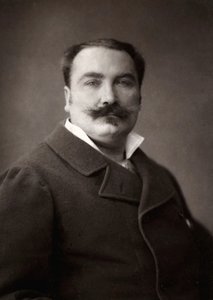
etienne prosper berne bellecour
1838 - 1910 , France
Основные сведения
- Artistic Movement Or Style: Realism & Impressionism
- Artists Or Movements Influenced By This Artist: ['Jean-Jacques Berne-Bellecour']
- Artists Who Influenced This Artist:
- François-Édouard Picot
- Félix-Joseph Barrias
- Date Of Birth: June 29, 1838
- Date Of Death: November 29, 1910
- Full Name: Étienne-Prosper Berne-Bellecour
- Nationality: French
- Notable Artworks:
- Picket guards
- A dragon in front of a portal
- Soldier on a battlefield
- Place Of Birth: Boulogne-sur-Mer, France
Похожие статьи
Beyond the Lens: Photography's Enduring Influence on Modern & Contemporary Art
Explore photography's pivotal role in shaping modern & contemporary art. Discover key movements, influential artists like Stieglitz, and expert collecting advice from ArtsDot.
Pictorialism: A Search for Artistic Photography's Soul – Aesthetics, Techniques & Legacy
Explore the captivating world of Pictorialism – a pivotal movement that transformed photography into fine art. Discover key artists like Stieglitz & Käsebier, techniques, and collecting tips from experts.
Witnessing History Through Lens & Light: Documentary Photography's Enduring Legacy
Explore the powerful history of documentary photography – from its origins to contemporary masters like Gordon Parks & W. Eugene Smith. Discover how this art form shapes our understanding of society and witness pivotal moments in time.

Monochrome Visions: Exploring the Aesthetic & Historical Significance of Black & White Photography
Explore the rich history & artistic power of black and white photography. From early techniques to iconic masters like Ansel Adams, discover why monochrome continues to captivate art lovers today. Expert insights for collectors.
Топ-10 шедевров документальной фотографии: искусство, изменившее взгляд на мир | ArtsDot.com
Топ-10 шедевров документальной фотографии, изменивших мир искусства. Узнайте истории культовых фотографов и их работ, вдохновившихся реализмом и социальными темами. Репродукции высокого качества на ArtsDot.com – для вашего интерьера!