

 Поделиться
 Поделиться
 Детали произведения

 Скачать
 Похожие работы
 Слайд-шоу
 Статистика
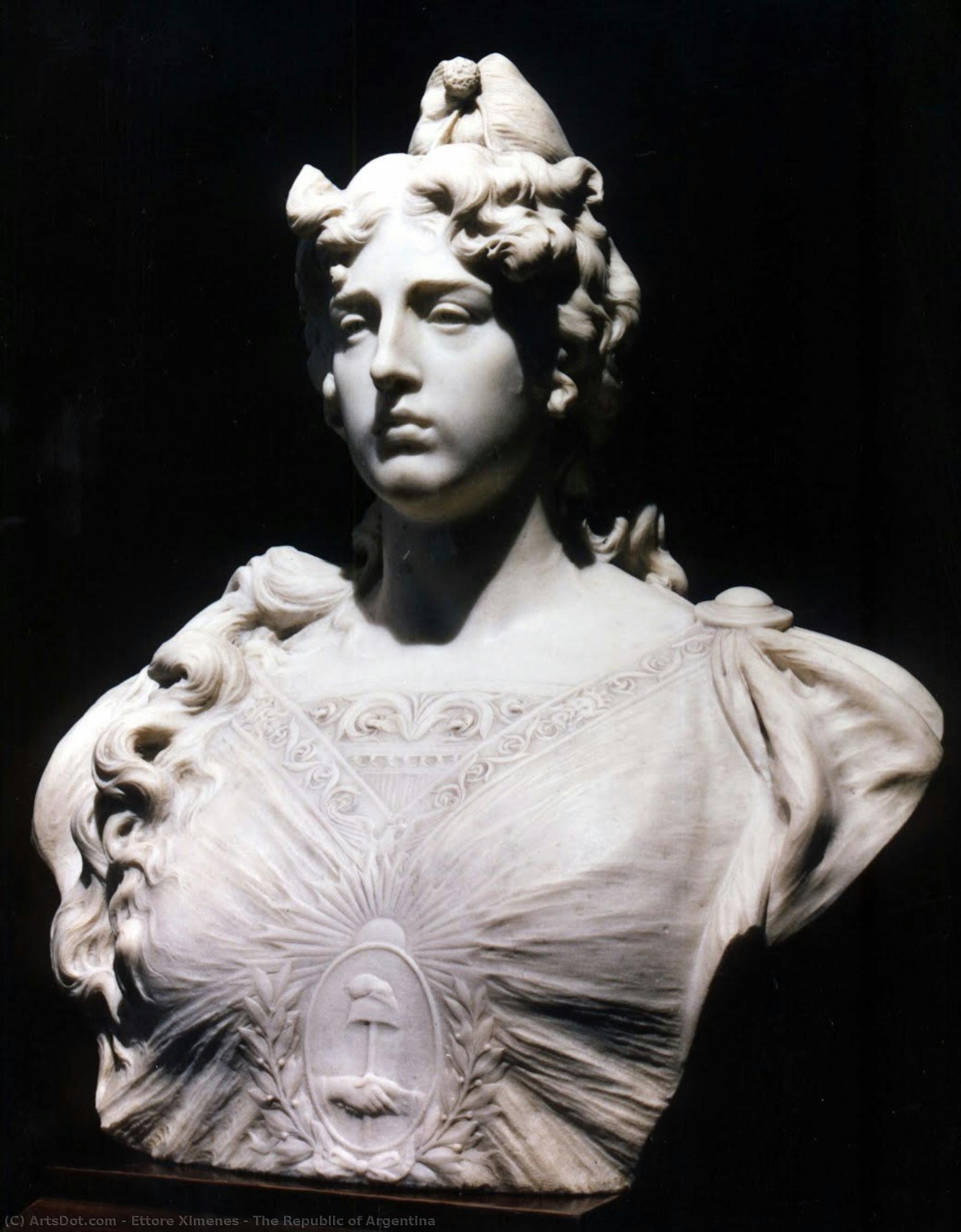
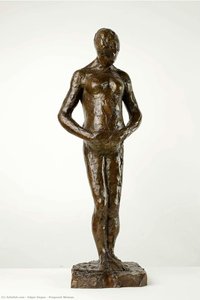
The Republic of Argentina
 Sculpture Bronze
- Neoclassicism
 95.0 x 97.0 cm
 Fondazione Cariplo
 Читать далее
Приобретите цифровое изображение высокого разрешения в улучшенном качестве, которое значительно превосходит онлайн-превью.
Каждый файл тщательно подготавливается нашими специалистами с использованием передовых инструментов и экспертной ручной ретуши. Мы гарантируем исключительную четкость, точную цветопередачу и детальную проработку каждого изображения.
Финальный файл доставляется по электронной почте в течение 72 часов и оптимизирован для немедленного использования в профессиональной среде, при верстке и печати. Это тот же уровень качества, которому доверяют ведущие дизайнерские студии, издательства и галереи.
Цифровое изображение
Скачайте файл высокого разрешения для личного использования, печати и творческих проектов. ( Перейти к печати Купить картину ручной работы)
Включено в каждый заказ цифровых изображений
Гарантия экспертной цифровой доставки
Выбирая ArtsDot.com, вы получаете не просто изображение — вы приобретаете профессионально обработанное цифровое произведение искусства, созданное с безупречной точностью и под защитой гарантии качества. Вот всё, что автоматически входит в ваш заказ:

Мгновенная доставка по e-mail
Ваш цифровой файл в высоком разрешении будет отправлен вам по электронной почте в течение 72 часов после оформления заказа — и сразу станет доступен для использования.

Цифровой файл с ИИ-улучшением
Ваше произведение искусства проходит профессиональную оптимизацию с использованием передовых инструментов ИИ и ручной обработки, что гарантирует максимальную детализацию, четкость и точность цветопередачи.

Бессрочная бесплатная повторная доставка
Случайно удалили или потеряли файл? Не беспокойтесь — мы отправим его вам повторно в любое время и совершенно бесплатно.

Без импортных пошлин — навсегда
Наслаждайтесь вашим произведением искусства мгновенно без таможенных пошлин, сборов или затрат на доставку — цифровые загрузки всегда не облагаются налогом.

Гарантия точности цветопередачи
Мы гарантируем, что ваше цифровое изображение максимально точно передает оригинальные цвета благодаря использованию профессиональных инструментов и систем управления цветом.

Гарантия удовлетворенности 100 дней
Если вы не будете удовлетворены своим цифровым изображением, мы внесем правки или вернем 100% стоимости в течение 100 дней — без лишних вопросов.

100% Гарантия возврата средств
Не удовлетворены покупкой? Получите полный возврат средств в течение 100 дней после получения цифрового файла — без лишних вопросов.

Скидки на оптовые заказы
Купите 3 изображения, сэкономьте 10% — Купите 5, сэкономьте 15% — Купите 10+, сэкономьте 20%. Отличное решение для творческих проектов, галерей и агентств.
A Sicilian Titan’s Ode to Republican Virtue
The sculpture, signed and dated 1900, stands as an arresting testament to Ettore Ximenes' unwavering devotion to Neoclassical ideals and his profound connection to the artistic heritage of Sicily. Executed in marble—a material chosen deliberately for its permanence and ability to convey grandeur—the piece embodies a vision of republican virtue, mirroring the spirit of Argentina’s founding fathers and reflecting Ximenes’ own aristocratic lineage. Its placement within the Salón Blanco of Casa Rosada underscores its significance as an emblem of national identity and artistic excellence.- Subject Matter & Inspiration: The sculpture portrays a female figure—a deliberate allusion to Athena, the Greek goddess of wisdom and strategic warfare—representing Argentina’s republican spirit. Her regal posture exudes confidence and dignity, mirroring the virtues championed by Ximenes' contemporaries during the Renaissance revival movement in Florence.
- Style & Technique: Ximenes’ approach aligns seamlessly with Neoclassical sculpture’s hallmark characteristics: idealized beauty, restrained emotion, and meticulous anatomical accuracy. The artist achieved this through painstaking observation and masterful carving—a technique honed during his formative years at the Naples Academy of Fine Arts under Vincenzo Gemito and Stanislao Lista—resulting in a surface texture that balances smoothness with subtle granular detail.
- Symbolism & Decorative Elements: Beyond its central figure, the sculpture is replete with symbolic emblems. The laurel wreath signifies victory—a nod to Argentina’s independence struggle—while the medallion at her chest incorporates elements from the French Revolution: clasped hands representing unity, a stick symbolizing strength and resilience, and Phrygian caps signifying liberty.
- Historical Context: Ximenes' artistic endeavors flourished during a period of fervent cultural revival in Italy, mirroring the rediscovery of classical art and philosophy. His fascination with Renaissance sculpture—documented by his stay in Florence—influenced his stylistic choices and underscored his commitment to upholding artistic traditions rooted in antiquity.
- Emotional Impact: Viewing this monumental piece evokes feelings of solemn grandeur and contemplative serenity. The dramatic lighting accentuates the sculpted forms, emphasizing their contours and creating a palpable sense of presence. It serves as an enduring reminder of Ximenes’ artistic prowess and his contribution to Sicilian cultural heritage.
This sculpture exemplifies the pinnacle of Neoclassical artistry—a celebration of idealized beauty, intellectual rigor, and artistic legacy. Its enduring appeal lies in its ability to convey profound symbolic meaning while captivating the viewer’s imagination.
Похожие произведения


Биография художника
The Sculptor of Sicilian Dignity and Neo-Renaissance Vision
Born on April 11, 1855, in the sun-drenched city of Palermo, Ettore Ximenes emerged from a lineage that blended aristocratic grace with profound intellectual curiosity. As the son of Antonio Ximenes and the noble Giulia Tolentino, his early years were steeped in the cultural richness of Sicily. While his initial academic inclinations leaned toward the written word and literature, a transformative fascination with the tactile reality of stone and clay soon redirected his destiny. This shift led him to the prestigious Palermo Academy of Fine Arts, where he began the rigorous process of mastering anatomical precision and the delicate nuances of light and shadow through carving.
The trajectory of Ximenlyes’ artistry was further refined by his travels and the mentorship of masters in Naples. Following 1872, his studies at the Naples Academy of Fine Arts brought him into the orbit of legendary figures such as Vincenzo Gemito, Domenico Morelli, and Stanislao Lista. These encounters were pivotal, instilling in him a stylistic foundation rooted in classical ideals and the grandeur of antiquity. By synthesizing these influences, Ximenes developed a unique approach to the Neo-Renaissance style—a method that allowed him to mirror the monumental scale of the past while infusing his subjects with an unmistakable, emotive human depth.
A Mastery of Form and Symbolism
Ximenes’ work is characterized by a breathtaking command over diverse materials, from the ethereal translucency of polished marble to the enduring strength of bronze. His technique was never merely about technical perfection; it was about capturing the very soul of his subjects. Whether he was modeling clay or carving intricate stone details, his focus remained on textural nuance and anatomical truth. This dedication allowed him to explore themes ranging from civic virtue to religious devotion with equal fervor.
His repertoire included works that spoke to both the personal and the political, often utilizing subtle symbolic gestures to convey complex narratives:
- The Equilibrium: A life-size masterpiece depicting a gymnast on a sphere, showcasing his ability to capture tension and balance.
- Il cuore del re (Heart of the King): A poignant stucco work recounting a moment of royal charity, reflecting his interest in moral storytelling.
- Religious Devotion: Works such as Christ and the Adultress, which utilized classical forms to evoke spiritual reverence.
A Global Legacy of Monumental Grandeur
As his career progressed, Ximenes’ reputation transcended the borders of Italy, earning him international notoriety and a place among the great monumental sculptors of the turn of the century. His ability to weave Italian identity into the urban fabric of foreign cities became one of his most significant historical contributions. In the Americas, his hand shaped the landscape of memory; he was responsible for the Monument to the Independence of Brazil in São Paulo, a work that stands as a testament to his monumental scale and ambition.
His influence even reached the bustling streets of New York City, where he was commissioned to create sculptures honoring Italian icons such as Giovanni da Verrazzano and Dante Alighieri. These monuments served not only as artistic achievements but as cultural anchors for the Italian diaspora, celebrating a shared heritage through the permanence of stone. Through his tireless pursuit of beauty and his ability to monumentalize history, Ettore Ximenes left behind a legacy that continues to resonate, bridging the gap between the classical traditions of the Renaissance and the burgeoning realism of the modern era.
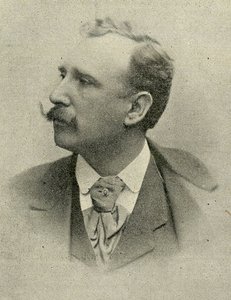
ettore ximenes
1855 - 1926 , Italy
Основные сведения
- Artistic Movement Or Style: Realism, Symbolist & Neo-Renaissance
- Artists Or Movements Influenced By This Artist: ['AllPaintingsStore.com']
- Artists Who Influenced This Artist:
- Giotto di bondone
- Sandro botticelli
- Vincenzo marinelli
- Date Of Birth: 1855
- Date Of Death: 1926
- Full Name: ettore ximenes
- Nationality: Italian
- Notable Artworks: ['Scrovegni - [01] - expulsion of joachim from the temple']
- Place Of Birth: Palermo, Italy