

 Предпросмотр
 Поделиться
 Поделиться
 Детали произведения

 Скачать
 Похожие работы
 Рентгенография
 Слайд-шоу
 Статистика
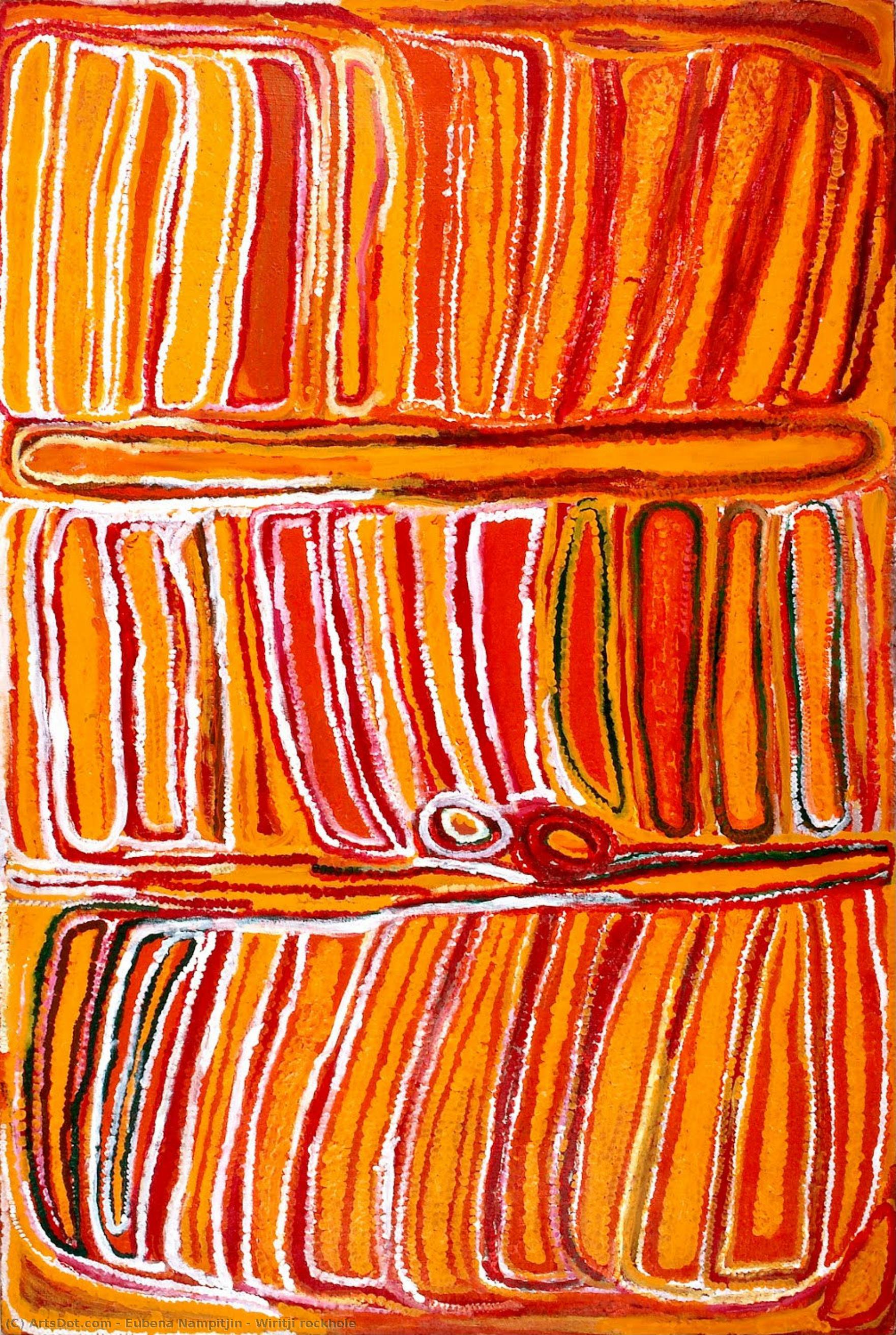
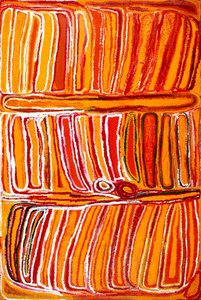
Wiritji rockhole
 Читать далее
Масляная репродукция ручной работы
Картина маслом на холсте в выбранном вами размере и раме, написанная на заказ нашими художниками. ( Перейти к печати Перейти к цифровым изображениям)




































Выберите один из наших стандартных размеров, соответствующих оригинальным пропорциям произведения искусства.

Вы можете указать собственные размеры, чтобы картина идеально вписалась в выбранную раму или пространство. Если выбранный вами размер не соответствует пропорциям оригинала, мы либо обрежем полотно, либо расширим его за счет дополнительных элементов, написанных вручную. Цифровой макет будет отправлен вам на утверждение перед началом производства.
Обратите внимание, что предварительный просмотр на экране не отражает фактическую обрезку или расширение. Только макет точно покажет окончательную композицию.
Хотя доступны индивидуальные размеры, мы рекомендуем выбирать вариант из предопределенного списка, чтобы сохранить исходные пропорции.
После оформления заказа команда ArtsDot.com свяжется с клиентом по электронной почте для уточнения деталей и предоставит предварительный макет
Доставка по всему миру () за 3–4 недели вместо стандартных 5 недель. (11 Сентябрь). Без компромиссов в качестве.

Бесплатная экспресс-доставка по всему миру

Высококачественный льняной холст

Полное страхование доставки

Гарантия возмещения таможенных пошлин

Гарантия точного соответствия цветов

100-дневная политика возврата (только при обнаружении дефектов)

Гарантия возврата 100% средств

Предложение оптовых скидок
 Вариант со стеклом доступен только для размеров менее 110 см

Wiritji rockhole
Техника репродукции
Размер репродукции
-


Итоговая стоимость
$ 263
Похожие произведения


Биография художника
A Voice of the Desert: The Life and Legacy of Eubena Nampitjin
Born amidst the vast, sun-drenched expanses of the Canning Stock Route in remote Western Australia, Eubena Nampitjin emerged as a profound storyteller whose canvas served as a bridge between ancient tradition and contemporary expression. As a member of the Wangkajunga language group, her early years were defined by the rhythmic movements of nomadic life, traversing the Great Sandy Desert in pursuit of sustenance and spiritual connection. This formative period was not merely about survival; it was an immersion into a sacred landscape. Under the guidance of her mother, Nampitjin mastered the delicate art of traditional healing, a practice that deeply embedded within her a sense of responsibility toward her people and their land. This role as a healer and a primary law woman would later infuse her paintings with a spiritual weight, making every brushstroke an act of cultural preservation.
The trajectory of her life took a pivotal turn in 1963 when she relocated to Balgo, Western Australia. This move placed her at the heart of a burgeoning art movement centered around Lake Gregory, a site of immense cultural significance. It was here that Nampitjin’s intellectual and artistic pursuits began to intertwine. Beyond the canvas, she became a vital custodian of language, collaborating with linguists such as James Cowan to document the intricacies of the Kukatja language. This monumental effort, which culminated in the publication of a dictionary in 1992, ensured that the linguistic nuances of her ancestors would not be lost to time. Her deep engagement with the spoken word undoubtedly enriched her visual vocabulary, allowing her to translate the complex Dreamtime narratives into a tangible, visual medium.
The Evolution of Style and Symbolism
Nampitjin’s artistic journey is characterized by a remarkable stylistic evolution that mirrored her deepening connection to her ancestral motifs. While many of her contemporaries in the Balgo movement utilized dense fields of dots, Nampitjin’s work underwent a fascinating transition. In her earlier years, her technique was more traditional, but as she matured, she began to experiment with more fluid, expressive movements. Her 1991 masterpiece, Kinyu, stands as a testament to this period of transformation. Art historians have noted how this work moved away from the rigid structure of dotting toward a more rhythmic use of lines and vibrant color palettes, including soft yellows and pinks. This shift was not merely aesthetic; it served as a metaphor for the very surface of her country—a landscape that is both textured and ever-changing.
The themes within her work are inseparable from the geography of her homeland. Her paintings often serve as maps of memory, capturing the essence of the desert through:
- Ancestral Landscapes: The depiction of the Great Sandy Desert and the spiritual significance of specific waterholes and landmarks.
- Dreamtime Narratives: The visual translation of ancient stories that dictate the laws and customs of the Wangkajunga people.
- Cultural Resilience: The use of color and line to represent the enduring strength of her community and their connection to the earth.
Recognition and Enduring Significance
As her reputation grew, so did the international recognition of her profound talent. A defining moment in her career arrived in 1998, when she was honored with the Open Painting prize at the National Aboriginal and Torres Strait Islander Art Award. This accolade solidified her status as one of Australia’s most significant Indigenous artists. Her work, often created alongside her husband, Purungu Tjakata Tjapaltjarri, and her daughters, reflected a familial and communal approach to art-making that is central to the Warlayirti Artists organization.
In her later years, Nampitjin found her way back to the desert landscapes of her youth, using the familiar terrain as a primary motif for her final works. She continued to paint with vigor until her passing in 2013, leaving behind a legacy that transcends simple aesthetics. Her contribution to Australian art lies in her ability to weave together the roles of healer, linguist, and painter, creating a body of work that is simultaneously a personal memoir and a collective history of the Australian desert. Through her eyes, the world learned to see the profound beauty and the unbreakable spirit of the Wangkajunga people.
Eubena Nampitjin
1921 - 2013 , Australia
Основные сведения
- Artistic Movement Or Style: Dot painting
- Date Of Birth: July 1, 1921
- Date Of Death: March 11, 2013
- Full Name: Eubena Nampitjin
- Nationality: Australian
- Notable Artworks: ['Kinyu']
- Place Of Birth: Tinnaroo, Australia