

 Предпросмотр
 Поделиться
 Поделиться
 Детали произведения

 Скачать
 Похожие работы
 Рентгенография
 Слайд-шоу
 Статистика
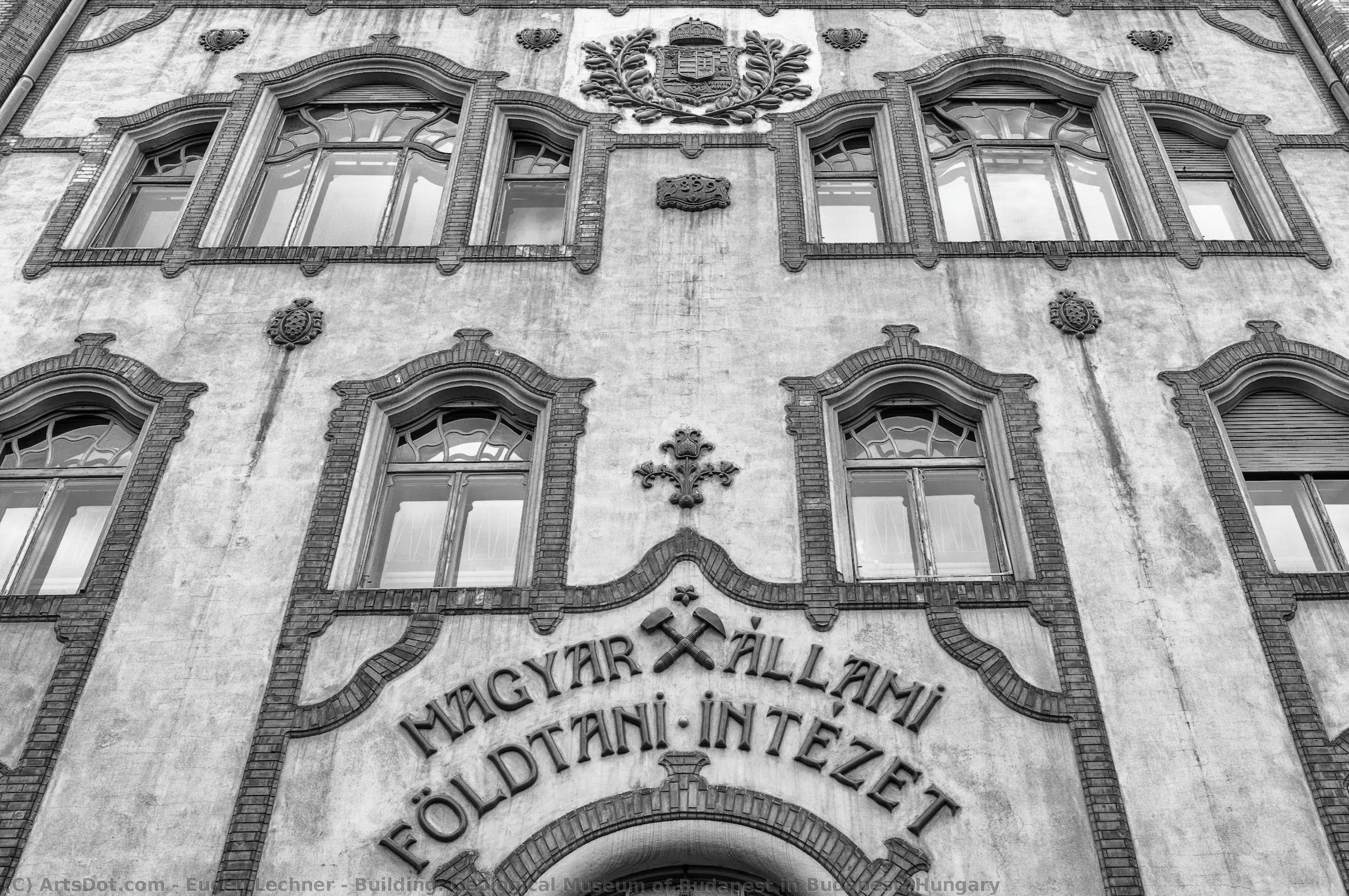
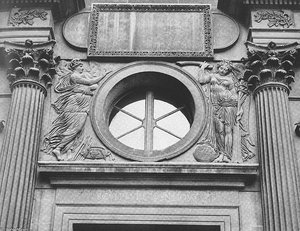
Building. Geological Museum of Budapest in Budapest, Hungary


 Читать далее
Жикле / Арт-принт
Печать (жикле) или холст музейного качества с быстрыми сроками изготовления и широким выбором вариантов отделки. ( Купить картину ручной работы Перейти к цифровым изображениям)




































Выберите один из наших стандартных размеров, соответствующих оригинальным пропорциям произведения искусства.

Вы можете указать свои собственные размеры, чтобы репродукция идеально подошла под конкретную раму или пространство. Если выбранный вами размер не будет соответствовать пропорциям оригинала, мы либо обрежем произведение, либо дополним изображение зеркальным отражением краев или однотонной заливкой. Перед началом производства вам будет отправлен цифровой макет для утверждения.
Пожалуйста, обратите внимание, что предварительный просмотр на экране не отображает фактическую обрезку или расширение изображения. Только макет точно покажет финальную композицию.
Несмотря на возможность заказа индивидуальных размеров, мы рекомендуем выбирать размер из предопределенного списка, чтобы сохранить оригинальные пропорции.
Доставка по всему миру () за 2 недели вместо стандартных 4/5 недель. (12 Сентябрь)

Бесплатная экспресс-доставка по всему миру

Высококачественный льняной холст

Полное страхование доставки

Гарантия возмещения таможенных пошлин

Гарантия точного соответствия цветов

100-дневная политика возврата (только при обнаружении дефектов)

Гарантия возврата 100% средств

Предложение оптовых скидок
 Вариант со стеклом доступен только для размеров менее 110 см

Building. Geological Museum of Budapest in Budapest, Hungary
Жикле / Арт-принт
Размер репродукции
-


Итоговая стоимость
$ 62
Похожие произведения
Биография художника
Ödön Lechner: Architect of Hungarian Szecesszió
Ödön Lechner (born János Ödön Lechner; 27 August 1845 – 10 June 1914) stands as a towering figure in Hungarian architectural history, embodying the spirit and aesthetic ideals of the Szecesszió movement—a vibrant expression of Art Nouveau that flourished across Europe during the fin de siècle. He is considered one of Hungary’s foremost architects and a pivotal innovator within the Szecesszió style, leaving an indelible mark on Budapest's cityscape and Hungarian cultural heritage.Early Life & Education
Lechner’s formative years were spent in Budapest, Hungary, where he received a comprehensive education encompassing mathematics and architecture. Driven by an innate curiosity for design and construction, he pursued his studies diligently at Technische Universität Wien (Vienna University of Technology) under Viktor Hammerstein. This influential mentor instilled in him the foundational principles of classical Beaux Arts—a style rooted in symmetry and grandeur—while simultaneously exposing him to emerging modernist ideas that would reshape architectural thought. The contrasting influences shaped Lechner’s artistic vision, preparing him for a career dedicated to blending tradition with groundbreaking innovation.The Szecesszió Vision: Synthesizing Tradition & Innovation
Lechner's architectural philosophy revolved around synthesizing tradition with innovation—a hallmark of the Szecesszió movement itself. Recognizing Hungary’s rich cultural heritage, particularly its vibrant folk art traditions – motifs drawn from Magyar and Turkic cultures – Lechner sought to infuse his buildings with a palpable sense of national identity. However, he wasn't merely nostalgic; he embraced the technological advancements of the era, notably ironwork and Zsolnay tiles, integrating them seamlessly into his designs. This daring fusion resulted in structures that were both aesthetically captivating and structurally sound, reflecting the dynamism of the time.Notable Projects: Masterpieces of Szecesszió
Lechner’s prolific career yielded numerous remarkable buildings that exemplify Szecesszió's distinctive style—structures that continue to inspire awe and admiration today. Among his most celebrated achievements is the Budapest Geological Museum, a monumental edifice adorned with breathtaking Zsolnay tile panels depicting Hungarian landscapes and flora. These panels aren’t just decorative; they represent Lechner’s masterful manipulation of materials and color, transforming an ordinary building into an immersive experience that celebrates Hungary's natural beauty. Equally impressive is ‘The Blue Church,’ Bratislava—a masterpiece of Art Nouveau design featuring a striking blue façade and an elaborate clock tower. The church’s soaring spire and intricate ornamentation exemplify Lechner’s commitment to ambitious architectural projects that pushed the boundaries of artistic expression. Furthermore, his involvement in designing numerous residential buildings solidified his reputation as a visionary architect who understood how to create spaces that harmoniously blended form and function.Zsolnay Tiles & Artistic Influence
Lechner's collaboration with Zsolnay Tile Factory was pivotal to his artistic vision—a partnership that profoundly impacted Hungarian architectural aesthetics. Recognizing the transformative potential of decorative tiles, Lechner meticulously selected Zsolnay tiles, renowned for their vibrant colors and intricate patterns, to adorn interiors and façades alike. This technique wasn’t merely fashionable; it represented a deliberate effort to elevate design standards and imbue buildings with an unparalleled sense of artistic richness. The resulting surfaces shimmered with color and texture, mirroring the spirit of Szecesszió itself—a movement characterized by exuberance and experimentation. Lechner's influence extended beyond his own projects, inspiring subsequent architects to embrace Zsolnay tiles as a means of achieving visual splendor.Legacy & Recognition
Lechner’s contribution to Hungarian culture is undeniable. His buildings continue to inspire awe and admiration, serving as tangible reminders of Hungary’s golden age in art and design—a testament to Szecesszió's enduring legacy. In 2008, his work was nominated for UNESCO World Heritage status, recognizing its significance as a cornerstone of Hungarian architectural heritage. Ödön Lechner remains an icon of Hungarian artistic identity, demonstrating that beauty can emerge from the fusion of tradition and innovation—a lesson that continues to resonate throughout the annals of architectural history.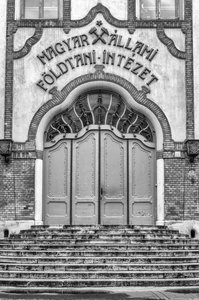
eugen lechner
1845 - 1914 , Венгрия
Основные сведения
- Artistic Movement Or Style: Сэцэссио / Ар Нуво
- Artists Or Movements Influenced By This Artist: ['Венская Сэцэссио']
- Artists Who Influenced This Artist:
- Виктор Хаммерштейн
- Густав Климт
- Date Of Birth: Август 27, 1845
- Date Of Death: Июнь 10, 1914
- Full Name: János Ödön Lechner
- Nationality: Венгерский
- Notable Artworks:
- Земельный музей Будапешта
- 'Церковь Святой Елизаветы
- Place Of Birth: Будапешт, Венгрия
Похожие статьи
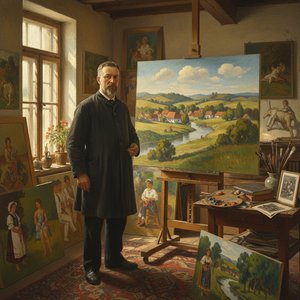
Károly Ferenczy: Pioneering Hungarian Modernism & the Soul of a Nation
Explore the life & art of Károly Ferenczy, a pivotal figure in Hungarian Modernism. Discover his landscapes, portraits, and role in founding the Nagybánya colony. Expert insights for collectors & enthusiasts.

Топ-10 знаменитых картин в черных тонах: шедевры искусства для вашего интерьера
Погрузитесь в мир темных шедевров! Топ-10 знаменитых картин в черных тонах от Гойи, Рембрандта и Мунка. История искусства, техники живописи и вдохновение для вашего интерьера. Купите репродукции высокого качества на ArtsDot.com

Топ-10 шедевров в тонах слоновой кости и черного: искусство, вдохновляющее интерьер
Погрузитесь в мир искусства с 10 шедеврами, где слоновая кость и черный создают завораживающие образы. Узнайте истории великих художников и вдохновитесь для создания уникального интерьера. Репродукции картин высокого качества на ArtsDot.com – искусство для вашего дома! Explore the full collection o
Топ-10 шедевров в оттенках черного: искусство, история и декор с ArtsDot
Погрузитесь в мир великих шедевров, где черный цвет – символ страсти и драмы. От Караваджо до Мунка, откройте историю искусства с ArtsDot. Купите репродукции картин онлайн и преобразите свой интерьер! Explore the full collection on ArtsDot.com
Топ-10 шедевров в тонах сажи: Искусство, история и декор от ArtsDot
Погрузитесь в мир темных тонов и драматизма! От Караваджо до Гойи – топ-10 знаменитых картин, где сажа создает неповторимую атмосферу. Репродукции высокого качества для вашего интерьера на ArtsDot.com