

 Поделиться
 Поделиться
 Детали произведения

 Скачать
 Похожие работы
 Слайд-шоу
 Статистика
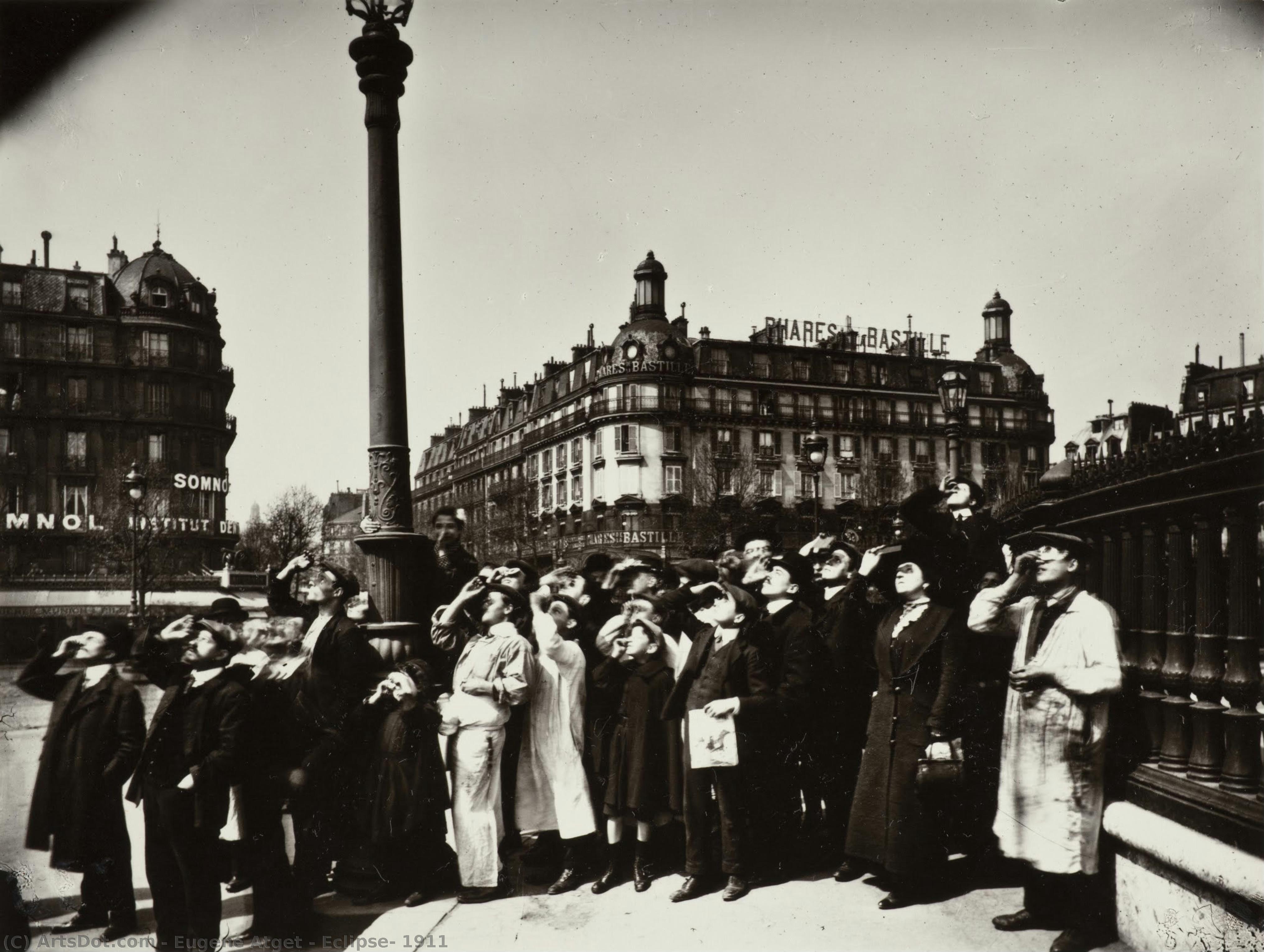
Eclipse, 1911
 Gelatin Silver Print
- Photo
- Documentary Photography
 1956
1956- Modern
 Лос-Анджелесский музей округа Лос-Анджелеса
 Читать далее
Приобретите цифровое изображение высокого разрешения в улучшенном качестве, которое значительно превосходит онлайн-превью.
Каждый файл тщательно подготавливается нашими специалистами с использованием передовых инструментов и экспертной ручной ретуши. Мы гарантируем исключительную четкость, точную цветопередачу и детальную проработку каждого изображения.
Финальный файл доставляется по электронной почте в течение 72 часов и оптимизирован для немедленного использования в профессиональной среде, при верстке и печати. Это тот же уровень качества, которому доверяют ведущие дизайнерские студии, издательства и галереи.
Цифровое изображение
Скачайте файл высокого разрешения для личного использования, печати и творческих проектов. ( Перейти к печати Купить картину ручной работы)
Включено в каждый заказ цифровых изображений
Гарантия экспертной цифровой доставки
Выбирая ArtsDot.com, вы получаете не просто изображение — вы приобретаете профессионально обработанное цифровое произведение искусства, созданное с безупречной точностью и под защитой гарантии качества. Вот всё, что автоматически входит в ваш заказ:

Мгновенная доставка по e-mail
Ваш цифровой файл в высоком разрешении будет отправлен вам по электронной почте в течение 72 часов после оформления заказа — и сразу станет доступен для использования.

Цифровой файл с ИИ-улучшением
Ваше произведение искусства проходит профессиональную оптимизацию с использованием передовых инструментов ИИ и ручной обработки, что гарантирует максимальную детализацию, четкость и точность цветопередачи.

Бессрочная бесплатная повторная доставка
Случайно удалили или потеряли файл? Не беспокойтесь — мы отправим его вам повторно в любое время и совершенно бесплатно.

Без импортных пошлин — навсегда
Наслаждайтесь вашим произведением искусства мгновенно без таможенных пошлин, сборов или затрат на доставку — цифровые загрузки всегда не облагаются налогом.

Гарантия точности цветопередачи
Мы гарантируем, что ваше цифровое изображение максимально точно передает оригинальные цвета благодаря использованию профессиональных инструментов и систем управления цветом.

Гарантия удовлетворенности 100 дней
Если вы не будете удовлетворены своим цифровым изображением, мы внесем правки или вернем 100% стоимости в течение 100 дней — без лишних вопросов.

100% Гарантия возврата средств
Не удовлетворены покупкой? Получите полный возврат средств в течение 100 дней после получения цифрового файла — без лишних вопросов.

Скидки на оптовые заказы
Купите 3 изображения, сэкономьте 10% — Купите 5, сэкономьте 15% — Купите 10+, сэкономьте 20%. Отличное решение для творческих проектов, галерей и агентств.
A Haunting Glimpse of a Vanishing Era
In the quiet, silvered depths of Eugène Atget’s “Eclipse, 1911,” we encounter more than just a photograph; we step into a spectral window looking back upon a Paris that no longer exists. Though this specific print was brought to light in 1956 from an original glass negative captured decades earlier, the soul of the image remains anchored in the twilight of the Belle Époque. The scene captures a profound moment of stillness, where a group of figures stands gathered before the monumental presence of what is believed to be Notre Dame Cathedral. There is an inherent tension in the composition—a delicate balance between the enduring weight of stone architecture and the fleeting, ephemeral nature of the human beings passing through its shadow. For the discerning collector, this piece offers a rare opportunity to possess a fragment of history, a visual poem about the inevitable passage of time.
The technical mastery behind Atget’s work lends the image an almost tactile quality that is deeply captivating for those who appreciate fine art photography. Utilizing the wet collodion process, Atget achieved a level of clarity and tonal richness that modern digital captures often struggle to replicate. This laborious method required meticulous hand-processing, resulting in a gelatin silver print characterized by exquisite sharpness and subtle gradations of light and shadow. The way the light falls across the faces of the onlookers—rendered in muted, atmospheric tones—creates an unsettling yet beautiful stillness. This approach aligns with the Pictorialism movement, where the photographer’s goal was not merely to document reality, but to elevate the medium to a fine art through texture, mood, and emotional depth.
Symbolism and the Melancholy of Modernity
Beyond its striking visual composition, “Eclipse” serves as a profound symbolic meditation on change. The monumental structure, standing resolute against the sky, represents the pillars of faith, tradition, and the historical identity of France. Yet, the title itself suggests an obscuring—a moment where light is blocked, much like how the rapid industrialization and urbanization of the early 20th century threatened to eclipse the charming, ancient streets of "Old Paris." The figures in the frame, appearing as small, vulnerable witnesses to the grandeur above them, embody a sense of collective awe mingled with a quiet melancholy. They are tourists in their own history, gazing upward at a landmark that is simultaneously permanent and subject to the erosions of time.
For interior designers and art enthusiasts looking to curate a space of reflection and sophistication, this reproduction provides an unparalleled emotional anchor. The monochromatic palette and the somber, evocative atmosphere make it a versatile masterpiece for high-end residential or gallery settings. It does not merely decorate a wall; it invites conversation, prompting viewers to contemplate their own place within the grand continuum of history. To display “Eclipse” is to celebrate the beauty found in decay and the enduring power of memory, making it an essential acquisition for anyone moved by the intersection of documentary truth and poetic artistry.
Похожие произведения
Биография художника
A Chronicler of Old Paris: The Life and Legacy of Eugène Atget
Born Jean-Eugène-Auguste Atget in 1857, in the quiet town of Libourne, France, the photographer who would become synonymous with “Old Paris” began life under a shadow of loss. Orphaned at the tender age of seven following the deaths of both his parents, young Eugène was raised by his maternal grandparents in Bordeaux. This early experience of displacement and perhaps a nascent sense of impermanence may have subtly informed his later artistic drive—a compulsion to document a world he sensed was slipping away. His initial aspirations lay far from photography; Atget pursued acting, enrolling in drama school but finding his path interrupted by mandatory military service. A subsequent attempt at a theatrical career with a traveling troupe was cut short by vocal cord issues, forcing him to reconsider his direction. It was around 1887, after these early setbacks, that he turned towards the emerging art of photography, initially producing images for sale to artists and craftspeople—pleasant landscapes and scenes intended as reference material.The Systematic Vision: Documenting a Vanishing Paris
A pivotal shift occurred around 1897, marking the true beginning of Atget’s singular life's work. He embarked on a systematic documentation of “Old Paris,” a project that would consume him for nearly three decades. This wasn’t merely picturesque tourism; it was an almost anthropological undertaking, driven by a desire to preserve the physical fabric of a city undergoing rapid modernization. Armed with a large-format wooden bellows camera and utilizing glass dry plates (18x24cm), Atget meticulously recorded the narrow lanes, ancient courtyards, magnificent palaces, and bustling street life that defined the historic heart of Paris. He wasn’t interested in artistic embellishment or dramatic composition; his approach was fundamentally documentary, a striving for objective representation. From 1906 onwards, this dedication brought him commissions from institutions like the Musée Carnavalet and the Bibliothèque Historique de la Ville de Paris, solidifying his role as an official chronicler of Parisian history. He photographed not just grand monuments but also the everyday details—shop window displays, street vendors, rag collectors, even prostitutes—creating a comprehensive portrait of urban life in all its complexity.A Unique Aesthetic: Atmosphere and the Passage of Time
Atget’s photographs possess a distinctive aesthetic born as much from technical necessity as artistic intention. The long exposure times required by his equipment often resulted in a wispy quality, blurring movement and creating an ethereal atmosphere. This wasn't a flaw but rather a defining characteristic, lending his images a sense of timelessness and melancholy. He frequently captured scenes with few people present, or those figures rendered ghostly by the extended exposures, emphasizing space and ambiance over sharp detail. His compositions are often characterized by a deliberate lack of dramatic focus; instead, he presents a wide view, inviting the viewer to wander through the scene and absorb its atmosphere. This approach wasn’t about capturing a fleeting moment but rather conveying the enduring presence of place—the weight of history embedded in the stones and streets of Paris. He sought not to interpret, but to record.Delayed Recognition and Enduring Influence
Despite his dedication and the sheer volume of his work – an estimated 8,500 negatives – Atget received remarkably little recognition during his lifetime. Only a handful of young artists recognized the genius in his approach. It was after his death in 1927 that his legacy began to unfold, largely thanks to the efforts of American photographer Berenice Abbott. Recognizing the importance of his work, Abbott purchased Atget’s archive and tirelessly promoted his photographs through exhibitions and publications. She later donated a significant portion of her collection to the Museum of Modern Art (MoMA) in 1968, ensuring its preservation and accessibility for future generations. Atget's images resonated deeply with the Surrealists, who appreciated their evocative atmosphere, sense of mystery, and ability to reveal the hidden poetry of everyday life. Today, Eugène Atget is celebrated as a pioneer of documentary photography, a vital chronicler of Parisian history, and an inspiration to photographers around the world. His work continues to offer invaluable insights into the urban landscape and social life of late 19th and early 20th-century Paris—a testament to the power of patient observation and the enduring beauty of a city in transition.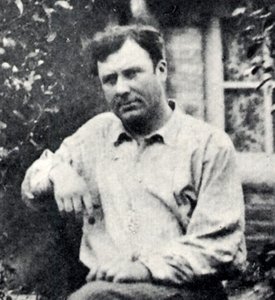
Eugène Atget
1857 - 1927 , France
Основные сведения
- Artistic Movement Or Style: Documentary photography
- Artists Or Movements Influenced By This Artist:
- Surrealism
- Berenice Abbott
- Date Of Birth: February 12, 1857
- Date Of Death: August 4, 1927
- Full Name: Eugène Atget
- Nationality: French
- Notable Artworks:
- Beech Tree
- Fête du Trône
- Guignol, Jardin Du Luxembourg
- Place Of Birth: Libourne, France