

 Предпросмотр
 Поделиться
 Поделиться
 Детали произведения

 Скачать
 Похожие работы
 Рентгенография
 Слайд-шоу
 Статистика
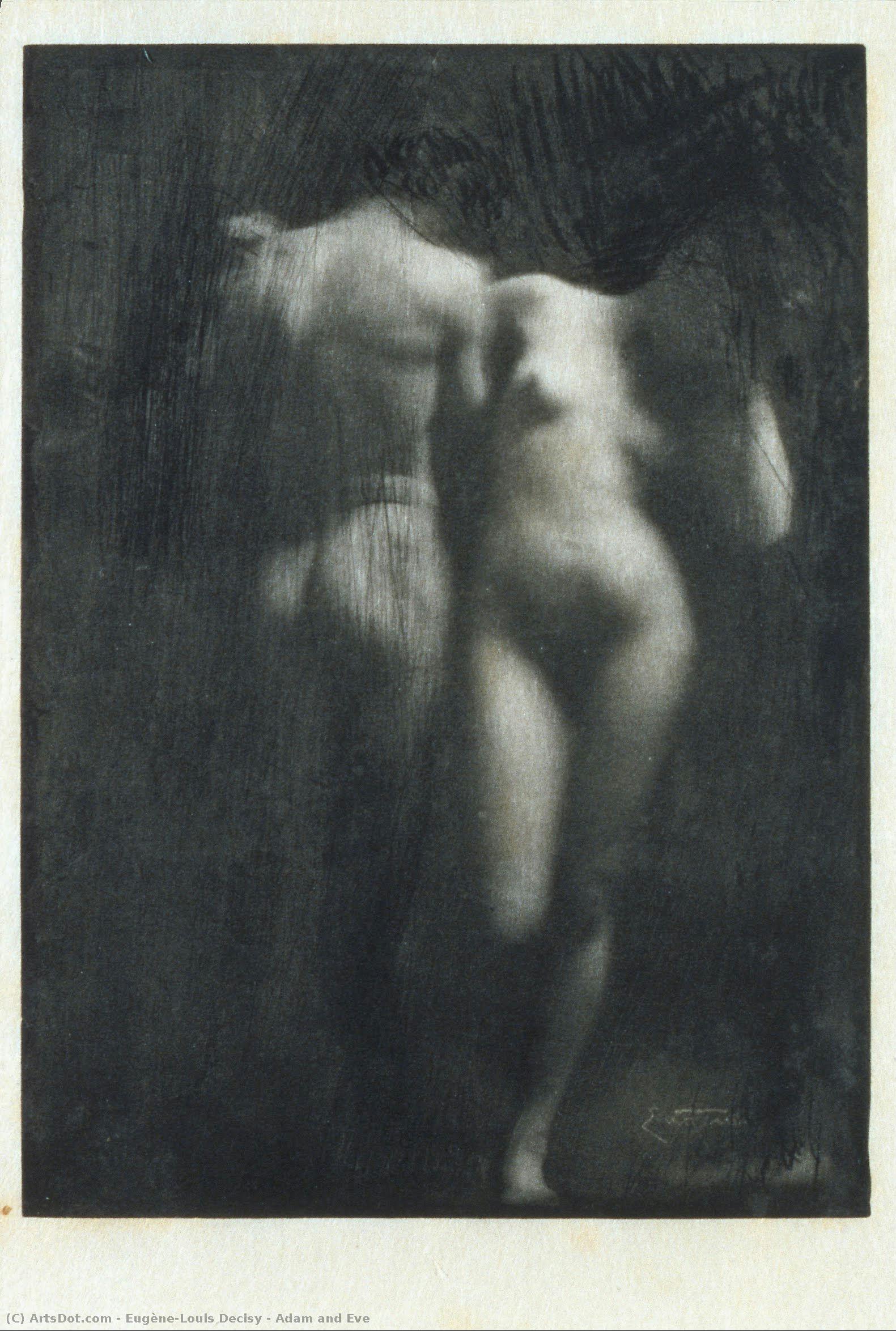
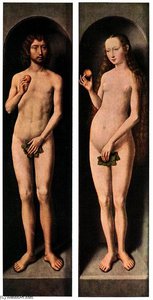
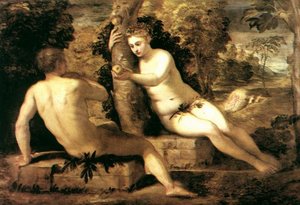
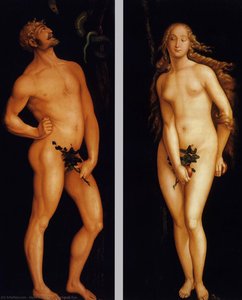
Adam and Eve


 Читать далее
Жикле / Арт-принт
Печать (жикле) или холст музейного качества с быстрыми сроками изготовления и широким выбором вариантов отделки. ( Купить картину ручной работы Перейти к цифровым изображениям)




P118B $10

P118H $10

P118W $10

P438Z $10

P508JH $12

P508YH $12

P805H $10

P805Z $10

P919BZ $10

P919G $10

P919XJ $10

P959ZH $10

P968JZ $12

W106C $8

W218G $10

W218JH $8

W218Y $10

W307PJ $10

W316G $10

W316PJ $8

W316Y $10

W398PJ $8

W4111J $10

W500HY $15

W500JH $15

W692G $12

W849H $8

W940BG $15

W953PJ $8




Выберите один из наших стандартных размеров, соответствующих оригинальным пропорциям произведения искусства.

Вы можете указать свои собственные размеры, чтобы репродукция идеально подошла под конкретную раму или пространство. Если выбранный вами размер не будет соответствовать пропорциям оригинала, мы либо обрежем произведение, либо дополним изображение зеркальным отражением краев или однотонной заливкой. Перед началом производства вам будет отправлен цифровой макет для утверждения.
Пожалуйста, обратите внимание, что предварительный просмотр на экране не отображает фактическую обрезку или расширение изображения. Только макет точно покажет финальную композицию.
Несмотря на возможность заказа индивидуальных размеров, мы рекомендуем выбирать размер из предопределенного списка, чтобы сохранить оригинальные пропорции.
Доставка по всему миру () за 2 недели вместо стандартных 4/5 недель. (12 Сентябрь)

Бесплатная экспресс-доставка по всему миру

Высококачественный льняной холст

Полное страхование доставки

Гарантия возмещения таможенных пошлин

Гарантия точного соответствия цветов

100-дневная политика возврата (только при обнаружении дефектов)

Гарантия возврата 100% средств

Предложение оптовых скидок
 Вариант со стеклом доступен только для размеров менее 110 см

Adam and Eve
Жикле / Арт-принт
Размер репродукции
-


Итоговая стоимость
$ 62
Похожие произведения
Биография художника
Henri de Toulouse-Lautrec: A Parisian Visionary
Born Henri Marie Raymond de Toulouse-Lautrec-Montfa in 1864, amidst the aristocratic grandeur of southern France, Henri de Toulouse-Lautrec’s life was a poignant paradox. His lineage—descended from both the Counts of Toulouse and the Vicomtes of Lautrec—granted him access to privilege, yet his physical stature, marked by stunted legs resulting from a childhood accident, profoundly shaped his artistic trajectory. Rather than seeking escape through conventional pursuits, Lautrec embraced the vibrant, often scandalous, underbelly of Paris, transforming personal adversity into an extraordinary lens through which to capture the city’s soul. His journey wasn't merely about depicting scenes; it was about embodying them – immersing himself in the bohemian world he so brilliantly portrayed.
Lautrec’s artistic development began with formal training at the École des Beaux-Arts in Paris, but it was his encounters with Paul Gauguin and Vincent van Gogh that proved to be more formative. These interactions exposed him to a radical shift in artistic perspective – an emphasis on color, emotion, and subjective experience rather than strict adherence to academic rules. He quickly abandoned traditional techniques, favoring looser brushstrokes, flattened perspectives, and a bold use of color to convey the energy and immediacy of his subjects. This departure from established norms would become a hallmark of his distinctive style.
The World of Montmartre
Lautrec’s artistic focus centered almost entirely on Montmartre, the district known for its cabarets, dance halls, and artists' studios. He became a regular at Moulin Rouge, the infamous cabaret owned by Alfréd Dusapin, where he sketched performers, patrons, and the atmosphere itself. These early works—such as *At the Moulin Rouge* (1892)—established his reputation for capturing fleeting moments of Parisian nightlife with remarkable immediacy and a touch of cynical humor. He wasn’t simply recording images; he was documenting an entire social phenomenon – the rise of modern entertainment and its attendant culture.
His subjects extended beyond the stage. Lautrec frequented brothels, dance halls, and cafes, sketching prostitutes, dancers, musicians, and ordinary Parisians. He depicted them with a frankness that was both captivating and controversial. He wasn’t glorifying these figures; rather, he presented them as complex individuals within a specific social context, offering a glimpse into the lives of those often overlooked by mainstream society. His work in this vein challenged conventional notions of beauty and morality, reflecting the changing attitudes towards sexuality and class distinctions during the late 19th century.
Technique and Style
Lautrec’s technique evolved significantly throughout his career. Initially influenced by Impressionism, he gradually developed a more expressive style characterized by bold outlines, flattened forms, and vibrant colors. He employed a technique of *pointillisme* – applying small dots of color to create an overall impression—particularly in his posters, which were incredibly successful for him. His use of black and white prints, particularly lithographs, was equally innovative, allowing him to experiment with textures, patterns, and dynamic compositions.
A key element of Lautrec’s style was his ability to capture movement and emotion. He skillfully used lines and brushstrokes to convey the energy of a crowded dance hall or the melancholy of a solitary figure. His portraits were not merely representations of physical appearance; they captured the essence of his subjects – their personalities, moods, and experiences. He often employed a slightly distorted perspective, creating a sense of unease and drawing the viewer into the scene.
Legacy and Influence
Despite facing significant personal challenges—including chronic illness and social ostracism due to his physical appearance—Toulouse-Lautrec left an indelible mark on the art world. His work profoundly influenced subsequent generations of artists, particularly those associated with Post-Impressionism and Art Nouveau. His bold use of color, expressive brushwork, and unflinching portrayal of urban life paved the way for modern art movements.
The auction sale of *La Blanchisseuse* in 1905, where the painting sold for a record price at the time, cemented Lautrec’s place as a major artistic figure. Today, his works are exhibited in museums around the world and continue to captivate audiences with their raw energy, emotional depth, and unique vision of Parisian life. Henri de Toulouse-Lautrec died in 1901, but his vibrant spirit and revolutionary approach to art endure, reminding us of the power of observation, empathy, and artistic courage.
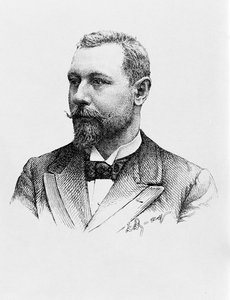
eugène-louis decisy
1864 - 1935 , France
Основные сведения
- Artistic Movement Or Style: Post-Impressionism
- Artists Or Movements Influenced By This Artist: ['George Seurat']
- Artists Who Influenced This Artist:
- Paul Cézanne
- Vincent van Gogh
- Date Of Birth: November 24, 1864
- Date Of Death: September 9, 1901
- Full Name: Henri Marie Raymond de Toulouse-Lautrec
- Nationality: French
- Notable Artworks:
- La Blanchisseuse
- Moulin de la Galette
- Place Of Birth: Camjac, Aveyron, France
Похожие статьи

Топ-10 знаменитых картин в черных тонах: шедевры искусства для вашего интерьера
Погрузитесь в мир темных шедевров! Топ-10 знаменитых картин в черных тонах от Гойи, Рембрандта и Мунка. История искусства, техники живописи и вдохновение для вашего интерьера. Купите репродукции высокого качества на ArtsDot.com

Monochrome Visions: Exploring the Aesthetic & Historical Significance of Black & White Photography
Explore the rich history & artistic power of black and white photography. From early techniques to iconic masters like Ansel Adams, discover why monochrome continues to captivate art lovers today. Expert insights for collectors.
Топ-10 шедевров в тонах сажи: Искусство, история и декор от ArtsDot
Погрузитесь в мир темных тонов и драматизма! От Караваджо до Гойи – топ-10 знаменитых картин, где сажа создает неповторимую атмосферу. Репродукции высокого качества для вашего интерьера на ArtsDot.com
Топ-10 шедевров в оттенках черного: искусство, история и декор с ArtsDot
Погрузитесь в мир великих шедевров, где черный цвет – символ страсти и драмы. От Караваджо до Мунка, откройте историю искусства с ArtsDot. Купите репродукции картин онлайн и преобразите свой интерьер! Explore the full collection on ArtsDot.com
Топ-10 шедевров в тонах слоновой кости и черного: искусство, вдохновляющее интерьер
Погрузитесь в мир искусства с 10 шедеврами, где слоновая кость и черный создают завораживающие образы. Узнайте истории великих художников и вдохновитесь для создания уникального интерьера. Репродукции картин высокого качества на ArtsDot.com – искусство для вашего дома! Explore the full collection o