

 Предпросмотр
 Поделиться
 Поделиться
 Детали произведения

 Скачать
 Похожие работы
 Рентгенография
 Слайд-шоу
 Статистика
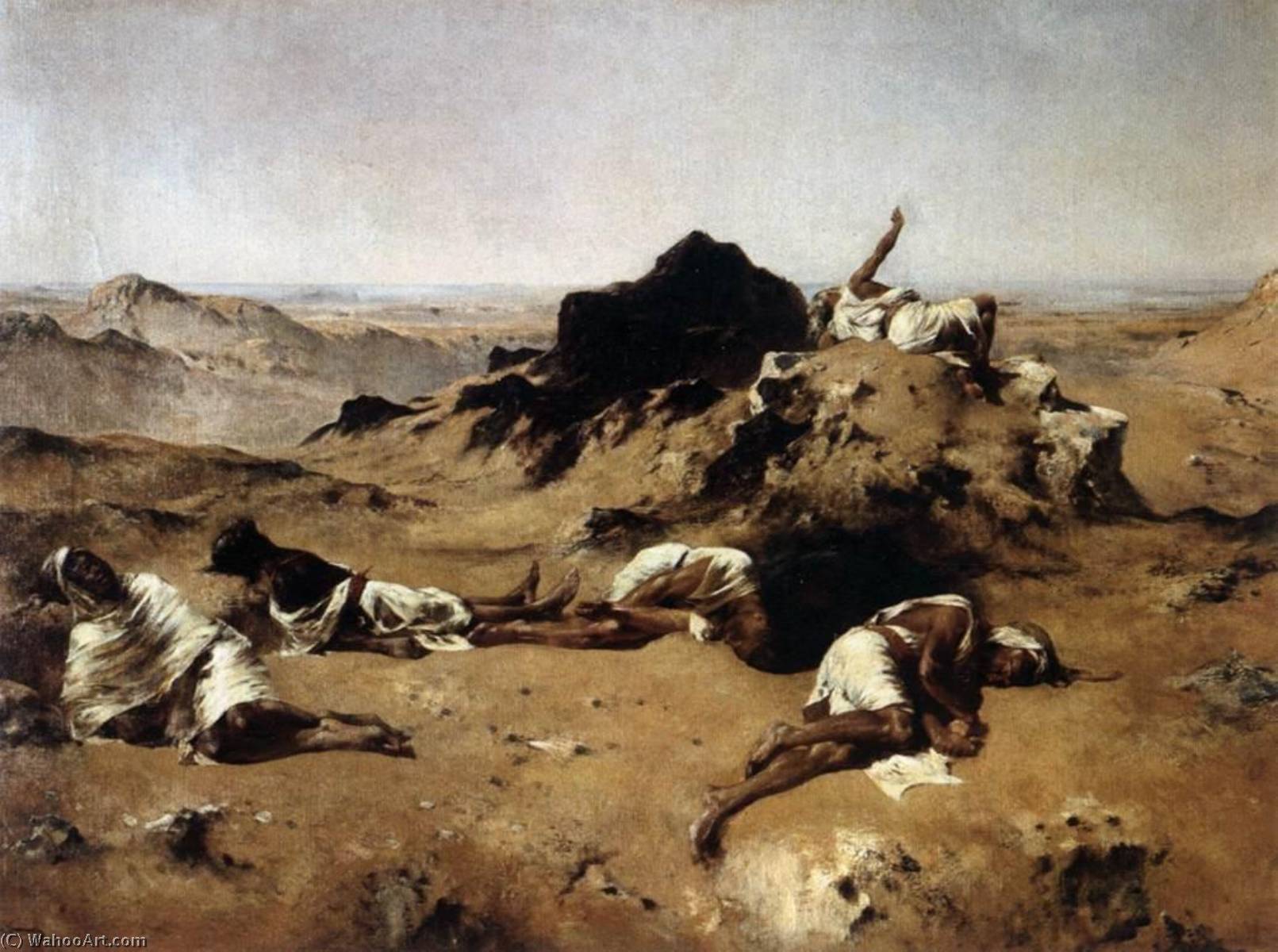
The Land of Thirst
 1869
1869 103.0 x 143.0 cm
 Читать далее
Жикле / Арт-принт
Печать (жикле) или холст музейного качества с быстрыми сроками изготовления и широким выбором вариантов отделки. ( Купить картину ручной работы Перейти к цифровым изображениям)




































Выберите один из наших стандартных размеров, соответствующих оригинальным пропорциям произведения искусства.

Вы можете указать свои собственные размеры, чтобы репродукция идеально подошла под конкретную раму или пространство. Если выбранный вами размер не будет соответствовать пропорциям оригинала, мы либо обрежем произведение, либо дополним изображение зеркальным отражением краев или однотонной заливкой. Перед началом производства вам будет отправлен цифровой макет для утверждения.
Пожалуйста, обратите внимание, что предварительный просмотр на экране не отображает фактическую обрезку или расширение изображения. Только макет точно покажет финальную композицию.
Несмотря на возможность заказа индивидуальных размеров, мы рекомендуем выбирать размер из предопределенного списка, чтобы сохранить оригинальные пропорции.
Доставка по всему миру () за 2 недели вместо стандартных 4/5 недель. (13 Сентябрь)

Бесплатная экспресс-доставка по всему миру

Высококачественный льняной холст

Полное страхование доставки

Гарантия возмещения таможенных пошлин

Гарантия точного соответствия цветов

100-дневная политика возврата (только при обнаружении дефектов)

Гарантия возврата 100% средств

Предложение оптовых скидок
 Вариант со стеклом доступен только для размеров менее 110 см

The Land of Thirst
Жикле / Арт-принт
Размер репродукции
-


Итоговая стоимость
$ 62
A Reflection of Human Struggle
The painting depicts a dramatic scene of people struggling to survive in the harsh desert environment. The artist's use of vibrant colors and intricate details brings the scene to life, drawing the viewer into the world of the painting. The Land of Thirst is a powerful representation of human resilience in the face of adversity.Fromentin's Style and Inspiration
Eugène Samuel Auguste Fromentin was known for his unique style, which blended elements of Orientalism and Romanticism. His paintings often featured exotic landscapes and scenes of everyday life in North Africa. The Land of Thirst is a prime example of Fromentin's ability to capture the essence of the desert landscape and the people who inhabit it.- Fromentin's use of light and shadow creates a sense of depth and dimensionality in the painting.
- The vibrant colors used in the painting add to the overall sense of drama and tension.
- The Musée d'Orsay is home to many other notable works by Fromentin, including La Caravane (Scene of Nomads) and Abreuvoir à Laghouat, en Algerie.
The Land of Thirst is a masterpiece that continues to inspire and captivate art enthusiasts around the world. Its powerful depiction of human struggle and resilience makes it a must-see for anyone interested in art and history.
Похожие произведения
Биография художника
The Visionary of the Sahara: The Life and Legacy of Eugène Fromentin
Eugène Fromentin stands as a pivotal figure in French Orientalist painting, yet his legacy extends far beyond mere visual representation. Born in La Rochelle, France, in 1820, he embarked on an artistic journey marked by early exposure to landscape painting under the guidance of Louis Cabat. This foundational training propelled him toward a profound engagement with the vibrant culture of Algeria—a fascination that would define both his oeuvre and his intellectual pursuits. More than just capturing picturesque vistas, Fromentin sought to distill the essence of Algerian life, blending meticulous observation with expressive brushstrokes to create images imbued with a palpable, breathing atmosphere.
Fromentin’s artistic breakthrough arrived in 1847 with “Les gorges de la Chiffa,” a monumental canvas that immediately garnered acclaim at the Paris Salon and established him as one of the foremost interpreters of Algeria's dramatic topography. His connection to North Africa was not merely academic; through travels such as his 1852 mission accompanying an archaeological expedition, he achieved an intimate knowledge of the land. This firsthand experience allowed him to capture the rugged beauty of the Sahara Desert with remarkable accuracy, documenting its flora, fauna, and the nuanced habits of its people. His work often serves as a window into a world of light and shadow, where the heat of the desert and the resilience of human life are rendered with striking realism.
Mastery of Light and Orientalist Realism
The brilliance of Fromentin’s technique lies in his ability to blend elements of Orientalism and Romanticism. His paintings, such as “The Arab Falconer” and “Arabs Crossing a Ford,” exemplify a distinctive style characterized by luminous color palettes and dynamic compositions. Influenced deeply by the Romantic fervor of Eugène Delacroix, Fromentin utilized light to create depth and dimensionality, making the arid landscapes feel almost tactile. His use of vibrant colors was never merely decorative; it served to heighten the drama and tension inherent in scenes of survival and daily existence.
One of his most poignant works, “The Land of Thirst,” painted in 1869, showcases his mastery of narrative through landscape. In this piece, the artist depicts a dramatic scene of people struggling to survive within a harsh desert environment. Through intricate details and a powerful sense of atmosphere, he captures the essence of human resilience in the face of adversity. This ability to infuse realistic depictions with profound emotional weight is what separates Fromentin from many of his contemporaries who focused solely on the exoticism of the Orient.
The Scholar-Painter: Art Criticism and Literary Eminence
However, Fromentin's contribution to art history transcends purely visual aesthetics. He emerged as a pioneering art critic and writer, possessing a unique perspective that combined the eye of a practitioner with the soul of a philosopher. His seminal work, “Les maîtres d’autrefois” (The Masters of Past Time), published in 1876, remains an influential piece of art literature. In this ambitious undertaking, he provided a comprehensive analysis of early Netherlandish painting and the Northern Baroque masters, including legends such as Rubens and Rembrandt.
What made his criticism so revolutionary was his personal approach; he did not merely offer scholarly exposition but shared deeply personal reflections on artistic achievement. He viewed the Old Masters through the lens of an artist, considering their emotions and the social, political, and economic contexts in which they created their masterpieces. His insights were so profound that even the renowned critic Bernhard Berenson spoke of the necessity of reading Fromentin to truly understand the pictures he criticized. Through his dual identity as a painter and a man of letters, Eugène Fromentin left an indelible mark on the nineteenth-century intellectual landscape, bridging the gap between the seen world of the desert and the profound history of European art.
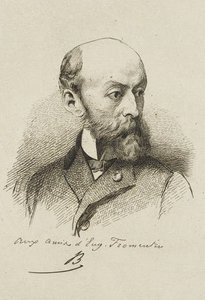
eugène samuel auguste fromentin
1820 - 1876
Основные сведения
- Artistic Movement Or Style: Orientalism
- Artists Or Movements Influenced By This Artist: ['Delacroix']
- Artists Who Influenced This Artist: ['Louis Cabat']
- Date Of Birth: October 24, 1820
- Date Of Death: August 27, 1876
- Full Name: Eugène Samuel Auguste Fromentin
- Nationality: French
- Notable Artworks:
- The Land of Thirst
- The Arab Falconer
- Arabs Crossing a Ford
- Place Of Birth: La Rochelle, France