Предпросмотр
 Поделиться
 Поделиться
 Детали произведения

 Скачать
 Похожие работы
 Рентгенография
 Слайд-шоу
 Статистика
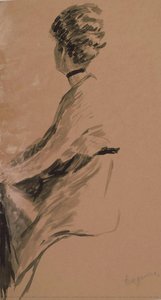
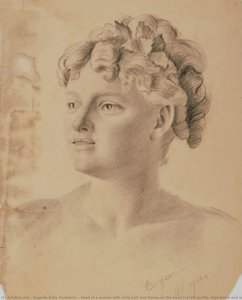
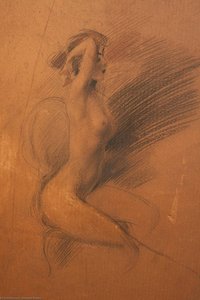
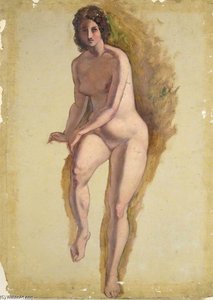
Seated female nude 3/4 of the left profile, right leg bent, covered by the left, foot by cut leaf, around the neck and face touch turquoise.


 Читать далее
Масляная репродукция ручной работы
Картина маслом на холсте в выбранном вами размере и раме, написанная на заказ нашими художниками. ( Перейти к печати Перейти к цифровым изображениям)




P118B $10

P118H $10

P118W $10

P438Z $10

P508JH $12

P508YH $12

P805H $10

P805Z $10

P919BZ $10

P919G $10

P919XJ $10

P959ZH $10

P968JZ $12

W106C $8

W218G $10

W218JH $8

W218Y $10

W307PJ $10

W316G $10

W316PJ $8

W316Y $10

W398PJ $8

W4111J $10

W500HY $15

W500JH $15

W692G $12

W849H $8

W940BG $15

W953PJ $8
Выберите один из наших стандартных размеров, соответствующих оригинальным пропорциям произведения искусства.

Вы можете указать собственные размеры, чтобы картина идеально вписалась в выбранную раму или пространство. Если выбранный вами размер не соответствует пропорциям оригинала, мы либо обрежем полотно, либо расширим его за счет дополнительных элементов, написанных вручную. Цифровой макет будет отправлен вам на утверждение перед началом производства.
Обратите внимание, что предварительный просмотр на экране не отражает фактическую обрезку или расширение. Только макет точно покажет окончательную композицию.
Хотя доступны индивидуальные размеры, мы рекомендуем выбирать вариант из предопределенного списка, чтобы сохранить исходные пропорции.
После оформления заказа команда ArtsDot.com свяжется с клиентом по электронной почте для уточнения деталей и предоставит предварительный макет
Доставка по всему миру () за 3–4 недели вместо стандартных 5 недель. (14 Сентябрь). Без компромиссов в качестве.

Бесплатная экспресс-доставка по всему миру

Высококачественный льняной холст

Полное страхование доставки

Гарантия возмещения таможенных пошлин

Гарантия точного соответствия цветов

100-дневная политика возврата (только при обнаружении дефектов)

Гарантия возврата 100% средств

Предложение оптовых скидок
 Вариант со стеклом доступен только для размеров менее 110 см

Seated female nude 3/4 of the left profile, right leg bent, covered by the left, foot by cut leaf, around the neck and face touch turquoise.
Техника репродукции
Размер репродукции
-


Итоговая стоимость
$ 263
A Study in Graphite and Grace
In this evocative pencil drawing from 1919, Eugenia Belín Sarmiento invites the viewer into a private, contemplative moment captured through the delicate medium of graphite. The artwork presents a seated female nude, rendered in a three-quarter left profile that emphasizes the soft contours of the human form. There is an undeniable intimacy to the composition; it feels less like a formal portrait and more like a whispered secret from a studio sketchbook. The figure’s pose—with the right leg bent and partially veiled by the left—creates a rhythmic flow of lines that guides the eye across the torso and limbs, leading toward the subtle, unexpected touch of turquoise around the neck and face. This singular hint of color breaks the monochromatic spell, acting as a focal point that breathes life into the otherwise muted, earthy tones of the sketch.
The technique employed by Sarmiento is a masterclass in tonal depth and textural nuance. Utilizing the precision of graphite, she employs meticulous hatching and cross-hatchings to build volume, transforming a flat paper surface into a three-dimensional study of flesh and shadow. The artist’s hand is visible in every stroke, where the loose, almost impressionistic rendering of certain edges contrasts beautifully with the more defined anatomical details. This duality creates a sense of movement, as if the figure might shift at any moment. The play of light is soft and diffuse, casting gentle shadows that suggest a natural, perhaps even melancholic, atmosphere, lending the piece an air of timelessness and quiet introspection.
Historical Resonance and Artistic Legacy
To understand this work, one must look toward the rich lineage of Eugenia Belín Sarmiento. Born into a family deeply embedded in the cultural and political fabric of Argentina—notably as the granddaughter of President Domingo Faustino Sarmiento—her art carries the weight of a sophisticated heritage. While she is often celebrated for her intimate portraits that captured the essence of her era's most prominent figures, this 1919 study reveals a different facet of her genius: her ability to strip away social status and historical context to focus on the universal language of classical beauty. The piece serves as a bridge between the formal traditions of the 19th century and the more experimental, emotive sensibilities that began to emerge in the early 20th century.
For the discerning collector or interior designer, this reproduction offers more than just a visual element; it provides a soulful centerpiece for a curated space. The artwork’s understated palette of greys, browns, and subtle graphite tones makes it an incredibly versatile choice for sophisticated decor, whether placed in a minimalist modern gallery or a classic, richly textured study. It possesses the rare ability to command attention through its quietude, offering a sense of calm and intellectual depth. Owning a piece that captures such a profound exploration of form and melancholy allows one to bring a fragment of art history’s most tender moments into the contemporary home.
Похожие произведения
Биография художника
A Legacy Etched in Portraiture: The Life and Art of Eugenia Belín Sarmiento
Eugenia Belín Sarmiento, born in 1860 amidst the vibrant cultural currents of San Juan, Puerto Rico – though deeply rooted in Argentina’s artistic landscape – stands as a compelling figure in 19th-century Latin American art. Her life was inextricably linked to one of Argentina's most pivotal historical figures: her grandfather, Domingo Faustino Sarmiento, president from 1868 to 1874 and a champion of education and progress. This familial connection profoundly shaped not only her personal trajectory but also the thematic core of much of her artistic output. While she explored still lifes and miniatures, it is through her portraits – particularly those of Sarmiento himself – that Belín Sarmiento’s unique talent truly shines, offering intimate glimpses into character and a nuanced reflection of an era. Her work isn't merely representation; it’s an interpretation, imbued with both affection and insightful observation.Early Years and Artistic Foundations
Eugenia Belín Sarmiento was born in 1860, one of six children of Jules Belín and Ana Faustina Sarmiento. Jules Belín (1829–1863) was a French printer and publisher of the *Santiago, Chile* newspaper. He met Domingo Faustino Sarmiento in France in 1848 and moved to Chile, where he published works written by Sarmiento, who was an Argentinian exile in Chile. Ana Faustina Sarmiento, Eugenia’s mother, was born on July 18, 1832, as a result of a romance between Domingo Faustino Sarmiento (then age 20) and one of his students, María Jesús del Canto (age 17). Sarmiento arranged for Ana Faustina to be cared for by her grandmother, Paula Albarracín de Sarmiento, and recognized her publicly after her marriage to Belin in 1850. Eugenia’s artistic education began at home, nurtured by her mother and extended family. She spent time as a student and disciple of her great-aunt, Procesa del Carmen Sarmiento, who was a renowned painter. She also received instruction from José Agujari in Buenos Aires, gaining foundational skills in painting techniques. A significant period of her artistic development occurred during her time in Belgium, where she studied with established masters, absorbing the influence of French Impressionism and refining her technical abilities.The Embrace of Impressionism: Light, Color, and Emotion
Belín Sarmiento’s artistic journey unfolded against a backdrop of evolving European styles, most notably the burgeoning Impressionist movement. Her canvases demonstrate a clear embrace of its tenets: visible brushstrokes that capture the fleeting effects of light, an emphasis on atmosphere, and a desire to convey subjective experience. However, she didn't simply adopt these techniques wholesale. She skillfully blended them with a meticulous attention to detail, particularly in rendering facial features – a hallmark of her portraiture. This fusion created a distinctive aesthetic, one that moved beyond mere likeness to explore the psychological depth of her subjects. The influence of French painting is subtly present, yet Belín Sarmiento forged her own path, imbuing her work with a distinctly Argentine sensibility. She sought to capture not just the outward appearance but also the inner life and emotions of her sitters.Portraits of a Nation: Capturing Domingo Faustino Sarmiento
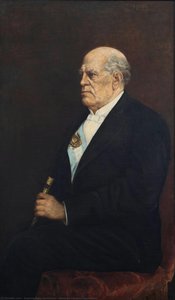
While proficient across various genres, Eugenia Belín Sarmiento’s enduring legacy rests on her portraits. Her most celebrated works are undoubtedly those depicting Domingo Faustino Sarmiento. These aren't idealized representations intended for political propaganda; rather, they offer insightful interpretations of his personality and intellectual presence. Each portrait seems to delve beneath the surface, revealing a man grappling with complex ideas and burdened by the weight of leadership. She created a series of portraits showcasing him in various roles – as president, writer, and thinker – each capturing a different facet of his character. The careful observation of his features, combined with her understanding of his intellectual pursuits, results in images that are both historically significant and deeply personal. These portraits stand as invaluable visual records of a pivotal figure in Argentine history.Beyond the Grandfather: Family Portraits and Social Context
Beyond her grandfather, Belín Sarmiento extended her talent to portray other members of her family – Capitan Domingo Fidel Sarmiento, Paula Albarracín de Sarmiento, Adelaida Mandar de Belin, and Julio Belin – each portrait a testament to her ability to capture individual character. These familial portraits, alongside those of other prominent figures like Dalmacio Vélez Sarsfield, Francisco Muniz, and José María Estrada, serve as invaluable visual records of the Argentine elite during a period of significant social and political transformation. Her work reflects not only the personal relationships within her family but also the broader social dynamics of Argentina at the time. The subjects she chose to paint – often members of the upper class – provide insights into the values, aspirations, and anxieties of that era.Recognition and Lasting Significance
Belín Sarmiento’s talent garnered recognition beyond Argentina's borders. A pivotal moment in her career came with her participation in the first Exposición Anual de Pintura, Dibujo y Escultura (Annual Exhibition of Painting, Drawing, and Sculpture) for artists of South America held in 1893. This exhibition was a landmark event, showcasing Latin American art on an international stage and establishing Belín Sarmiento as a rising star within the region’s artistic community. Her work continues to be studied not only for its aesthetic qualities but also for its historical context. She provides valuable insights into the social and political climate of 19th-century Argentina, offering a visual counterpoint to written accounts of the era. Her paintings are more than just beautiful objects; they are windows into a bygone world, meticulously rendered by an artist deeply connected to the figures she portrayed. Her story is a reminder that art can be both a personal expression and a powerful tool for preserving history, leaving behind a legacy that resonates with both art historians and those interested in Argentine history.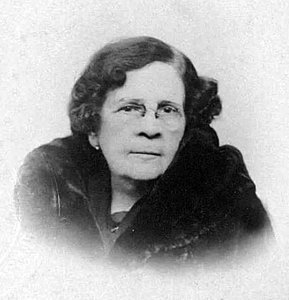
Эвгения Белин-Сармiento
1860 - 1952 , Аргентина
Основные сведения
- Artistic Movement Or Style: Импрессионизм
- Artists Or Movements Influenced By This Artist: ['Аргентинское искусство']
- Artists Who Influenced This Artist: ['Жуль Белин']
- Date Of Birth: 1860
- Date Of Death: 1952
- Full Name: Эвгения Белин Са́рменто
- Nationality: Аргентинка
- Notable Artworks:
- Росас бела́с
- Доминго Фа́ustinо Са́рменто
- Place Of Birth: Сан-Хуан, Аргентина
Похожие статьи
The Eloquent Form: A Historical & Aesthetic Exploration of the Nude in Art
Explore the captivating history of the nude in art! From ancient Greece to modern masters, discover its evolving symbolism, techniques & enduring beauty. Expert insights for collectors and enthusiasts.
The Nuances of Graphite: Exploring Emotional Depth & Technical Mastery in Pencil Drawing
Explore the captivating world of graphite drawing! Discover its rich history, master essential techniques like chiaroscuro, and learn how artists evoke emotion through this timeless medium. Expert insights for art enthusiasts.
The Enduring Allure of the Nude: A Historical & Artistic Exploration of the Human Form
Explore the captivating history of nude art! Discover iconic paintings & artists from classical to modern eras. Uncover symbolism, techniques & find museum-quality reproductions at ArtsDot.

The Enduring Power of Line: Exploring Themes & Techniques in Drawing Across Art History
Explore the rich history of drawing! Discover key techniques like linear perspective & iconic artists from the Renaissance to modern times. Enhance your art appreciation with ArtsDot.
Frederick Bridgman: Anatomical Mastery & the Evolution of Figure Drawing Instruction
Explore the anatomical mastery of George B. Bridgman & his revolutionary figure drawing techniques. Discover how his methods transformed art instruction and continue to inspire artists today. Learn more at ArtsDot.