

 Предпросмотр
 Поделиться
 Поделиться
 Детали произведения

 Скачать
 Похожие работы
 Рентгенография
 Слайд-шоу
 Статистика
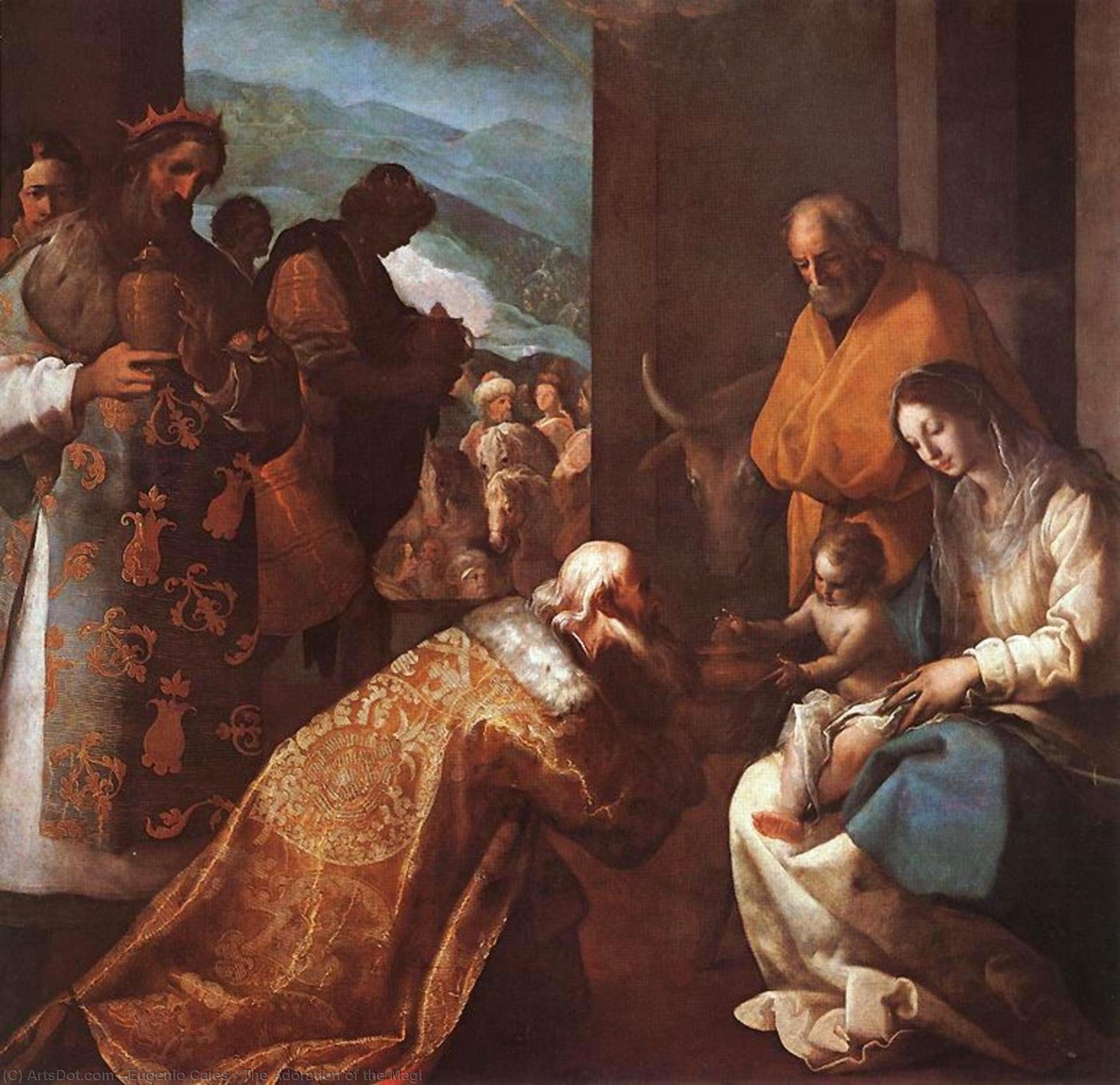
The Adoration of the Magi
 Oil On Canvas
- WallArt
- Baroque
 1620
1620- Early Modern
 183.0 x 186.0 cm
 Музей изящных искусств Будапешта
 Читать далее
Жикле / Арт-принт
Печать (жикле) или холст музейного качества с быстрыми сроками изготовления и широким выбором вариантов отделки. ( Купить картину ручной работы Перейти к цифровым изображениям)




P118B $10

P118H $10

P118W $10

P438Z $10

P508JH $12

P508YH $12

P805H $10

P805Z $10

P919BZ $10

P919G $10

P919XJ $10

P959ZH $10

P968JZ $12

W106C $8

W218G $10

W218JH $8

W218Y $10

W307PJ $10

W316G $10

W316PJ $8

W316Y $10

W398PJ $8

W4111J $10

W500HY $15

W500JH $15

W692G $12

W849H $8

W940BG $15

W953PJ $8




Выберите один из наших стандартных размеров, соответствующих оригинальным пропорциям произведения искусства.

Вы можете указать свои собственные размеры, чтобы репродукция идеально подошла под конкретную раму или пространство. Если выбранный вами размер не будет соответствовать пропорциям оригинала, мы либо обрежем произведение, либо дополним изображение зеркальным отражением краев или однотонной заливкой. Перед началом производства вам будет отправлен цифровой макет для утверждения.
Пожалуйста, обратите внимание, что предварительный просмотр на экране не отображает фактическую обрезку или расширение изображения. Только макет точно покажет финальную композицию.
Несмотря на возможность заказа индивидуальных размеров, мы рекомендуем выбирать размер из предопределенного списка, чтобы сохранить оригинальные пропорции.
Доставка по всему миру () за 2 недели вместо стандартных 4/5 недель. (13 Сентябрь)

Бесплатная экспресс-доставка по всему миру

Высококачественный льняной холст

Полное страхование доставки

Гарантия возмещения таможенных пошлин

Гарантия точного соответствия цветов

100-дневная политика возврата (только при обнаружении дефектов)

Гарантия возврата 100% средств

Предложение оптовых скидок
 Вариант со стеклом доступен только для размеров менее 110 см

The Adoration of the Magi
Жикле / Арт-принт
Размер репродукции
-


Итоговая стоимость
$ 62
The Adoration of the Magi – A Baroque Masterpiece by Eugenio Cajes
Eugenio Cajes’s “The Adoration of the Magi,” painted in 1620, is more than just a religious scene; it's a vibrant tableau of faith, royalty, and nascent modernity. This monumental oil on canvas, currently residing in the Museum of Fine Arts, Budapest, transports us to a pivotal moment in the infant Jesus’s life – the arrival of the Magi, bearing gifts of gold, frankincense, and myrrh. Cajes, a prominent figure within the Spanish Baroque artistic landscape, skillfully blends influences from his Florentine heritage with the dramatic intensity characteristic of his time, creating an image brimming with both solemn reverence and dynamic movement.
A Story Within a Scene: Biblical Narrative and Symbolism
The painting’s narrative is rooted in Matthew's Gospel account, depicting the Wise Men’s journey to Bethlehem and their offering of precious gifts to the newborn Jesus. However, Cajes elevates this familiar story through meticulous detail and layered symbolism. The central figures – Mary, Joseph, and the infant Christ – are rendered with a palpable sense of tenderness and dignity. The Magi themselves, depicted as richly adorned figures from diverse backgrounds—a suggestion of their origins from the East—are not merely presenting gifts; they embody the convergence of cultures and the promise of universal recognition for the Messiah. The palm tree prominently featured in the background is particularly significant, referencing the prophecy of a palm branch being laid upon Christ’s head at his coronation – a potent symbol of victory and divine authority. The scattered coins on the floor further reinforce this theme of royalty and the anticipated reign of the King of Kings.
Technique and Style: Baroque Drama in Detail
Cajes’s mastery lies not only in his narrative vision but also in his technical execution. The painting is a testament to the dynamism and theatricality that defined the Spanish Baroque style. He employs a dramatic use of light and shadow, creating a palpable sense of depth and volume within the composition. Note the meticulous rendering of textures – the velvet robes of the Magi, the roughspun garments of the shepherds, the shimmering gold of the gifts—each element contributing to the overall richness and opulence of the scene. The artist’s brushwork is loose and expressive, particularly in depicting the figures' gestures and expressions, conveying a sense of movement and emotion. The perspective, while not entirely linear, creates an immersive experience for the viewer, drawing them into the heart of the adoration.
Historical Context: A Renaissance Legacy in Madrid
To fully appreciate “The Adoration of the Magi,” it’s crucial to understand its historical context. Cajes worked primarily in Madrid during a period of significant artistic and political change. His father, Patricio Cajés, had been trained by Alessandro Allori, a leading Florentine artist, and later recruited by Luis de Requesens to bolster Spain's diplomatic presence. This lineage instilled in Eugenio a deep appreciation for classical ideals and Renaissance techniques. The painting reflects the influence of earlier works like Gerard David’s “Adoration of the Magi,” but Cajes imbues it with his own distinct style—a blend of emotional intensity, dramatic lighting, and meticulous detail. It stands as a powerful example of Baroque art flourishing within the heart of Madrid during the 17th century.
A Timeless Masterpiece: Reproduction Possibilities
Today, “The Adoration of the Magi” continues to captivate viewers with its beauty and emotional resonance. High-quality reproductions offer a remarkable opportunity to bring this masterpiece into your home or office, allowing you to appreciate Cajes’s skill and vision in exquisite detail. Whether you choose an unframed canvas for personal framing or a professionally framed version ready to hang, a reproduction of this iconic work will undoubtedly serve as a stunning focal point, evoking the grandeur and spiritual depth of the Baroque era.
Похожие произведения



Биография художника
Eugenio Cajes: A Baroque Visionary of Madrid
The history of the Spanish Baroque is often told through the lens of its most famous titans, yet the tapestry of this era is woven with the threads of masters like Eugenio Cajes. Born in Madrid around 1575, Cajes was a painter whose very identity was a bridge between cultures. Though his life was rooted in the Spanish capital, his artistic soul was deeply shaped by a Florentine lineage. As the son of Patricio Cajés—a talented artist recruited to Spain by the ambassador Luis de Requesens—Eugenio inherited a legacy steeped in the refined traditions of Italy. This dual heritage allowed him to infuse the grandeur of the Spanish court with the sophisticated elegance of the Florentine school, creating a style that was both locally resonant and internationally informed.
The evolution of Cajes’s technique is a journey through the most transformative artistic movements of his time. His early years were marked by the classical influences of his father, a disciple of Alessandro Allori, which instilled in him a respect for balanced composition and anatomical precision. However, the true metamorphosis occurred around 1595, when Cajes traveled to Rome. Immersed in the vibrant, turbulent atmosphere of the Eternal City, he witnessed the dawn of Caravaggio’s naturalism. This exposure to the dramatic use of chiaroscuro—the interplay of profound shadow and piercing light—would become a hallmark of his mature work, lending an emotional intensity and a palpable sense of drama to his religious and historical narratives.
Royal Commissions and Monumental Mastery
Cajes’s professional ascent was inextricably linked to the highest echelons of Spanish power. His talent earned him a prestigious position within the royal courts of King Philip II and Philip III, eventually being appointed as a Painter to the King in August 1612. This role granted him access to the most significant architectural and religious projects of the age. One of his most breathtaking achievements was the decoration of the royal audience chamber in Madrid, where he executed a monumental depiction of Solomon’s Judgment upon the vault. Such works required not only technical skill but an ability to manage vast, complex compositions that could command the attention of a monarch.
Beyond the palace walls, Cajes left an indelible mark on Spain's sacred spaces. His collaborative spirit was evident in his work with Vincenzo Carducci, particularly in the decoration of the chapel of Our Lady del Sagrario in Toledo. He also contributed significant canvases to the retablo mayor of the Monastery of Guadalupe, demonstrating a versatility that allowed him to move seamlessly between intimate devotional pieces and massive, multi-figure altarpieces. His ability to weave together biblical storytelling with the opulent textures of the Baroque era made him a preferred hand for the most important ecclesiastical commissions in the kingdom.
A Legacy of Light and Narrative
The enduring significance of Eugenio Cajes lies in his ability to synthesize disparate influences into a cohesive, emotive language. Whether he was depicting the mythic allure of Leda and the Swan or the profound solemnity of The Adoration of the Magi, his work always sought to capture the divine within the human. In his religious paintings, the figures are not merely icons; they are characters imbued with a sense of weight, breath, and spiritual yearning. His mastery of detail—the shimmer of silk, the glint of gold, and the soft glow of skin—served to ground his grand narratives in a reality that felt both miraculous and immediate.
Though some of his most ambitious works, such as his large-scale historical canvas on the History of Agamemnon, have been lost to the passage of time, the remnants of his oeuvre continue to fascinate scholars and art lovers alike. Cajes remains a vital figure for understanding the complexity of the Spanish Baroque, representing a moment when the traditions of Italy and the ambitions of Spain converged to create something truly transcendent. His life and work stand as a testament to the power of artistic lineage and the transformative impact of cultural exchange.
Eugenio Cajes
1575 - 1634 , Spain
Основные сведения
- Artistic Movement Or Style: Baroque
- Artists Or Movements Influenced By This Artist: ['Caravaggio']
- Artists Who Influenced This Artist:
- Alessandro Allori
- Luis de requesens
- Date Of Birth: Madrid, Spain (1575)
- Date Of Death: 1634
- Full Name: eugenio cajes
- Nationality: Spanish
- Notable Artworks:
- Leda & The Swan
- The Adoration of the Magi
- Encuentro Ante La Puerta Dorada
- Place Of Birth: Madrid
Похожие статьи

10 Шедевров Барокко: Искусство, изменившее мир | ArtsDot.com
Погрузитесь в мир барокко! 10 шедевров Караваджо, Рембрандта и других великих художников. Узнайте историю создания культовых картин и найдите идеальную репродукцию для вашего интерьера на ArtsDot.com

The Dramatic Flourish: Exploring the Baroque Movement's Enduring Legacy in Art History
Explore the dramatic world of Baroque art! Discover iconic artists like Caravaggio & Rubens, defining techniques, and its lasting impact on art history. Expert insights for collectors & enthusiasts at ArtsDot.

The Golden Age Reforged: Dramatic Realism & Religious Zeal in Spanish Baroque Art
Explore the dramatic world of Spanish Baroque art! Discover masters like Zurbarán & the powerful influence of religious zeal on painting techniques – a guide for collectors and enthusiasts.

The Visceral Stage: Exploring Dramatic Narratives & Emotional Intensity in Baroque Art
Explore the dramatic world of Baroque art! Discover iconic masters like Caravaggio & Rembrandt, their techniques, and the movement's lasting impact. Expert insights for collectors & enthusiasts at ArtsDot.
Theatricality & Triumph: Baroque Drama in Painting & Sculpture
Explore the dramatic world of Baroque art! Discover its history, defining characteristics, & lasting influence on painting & sculpture. Expert insights into Caravaggio, Zurbarán, and Bernini – plus high-quality reproductions at ArtsDot.