

 Предпросмотр
 Поделиться
 Поделиться
 Детали произведения

 Скачать
 Похожие работы
 Рентгенография
 Слайд-шоу
 Статистика
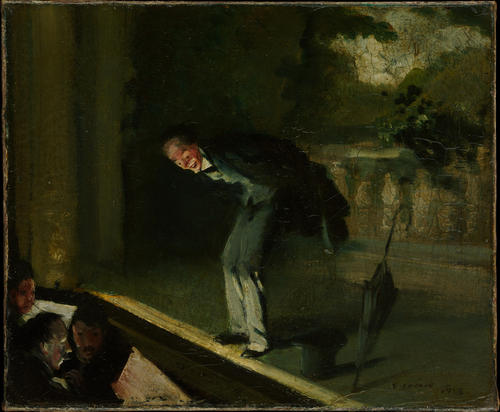
London Music Hall


 Читать далее
Масляная репродукция ручной работы
Картина маслом на холсте в выбранном вами размере и раме, написанная на заказ нашими художниками. ( Перейти к печати Перейти к цифровым изображениям)




P118B $10

P118H $10

P118W $10

P438Z $10

P508JH $12

P508YH $12

P805H $10

P805Z $10

P919BZ $10

P919G $10

P919XJ $10

P959ZH $10

P968JZ $12

W106C $8

W218G $10

W218JH $8

W218Y $10

W307PJ $10

W316G $10

W316PJ $8

W316Y $10

W398PJ $8

W4111J $10

W500HY $15

W500JH $15

W692G $12

W849H $8

W940BG $15

W953PJ $8




Выберите один из наших стандартных размеров, соответствующих оригинальным пропорциям произведения искусства.

Вы можете указать собственные размеры, чтобы картина идеально вписалась в выбранную раму или пространство. Если выбранный вами размер не соответствует пропорциям оригинала, мы либо обрежем полотно, либо расширим его за счет дополнительных элементов, написанных вручную. Цифровой макет будет отправлен вам на утверждение перед началом производства.
Обратите внимание, что предварительный просмотр на экране не отражает фактическую обрезку или расширение. Только макет точно покажет окончательную композицию.
Хотя доступны индивидуальные размеры, мы рекомендуем выбирать вариант из предопределенного списка, чтобы сохранить исходные пропорции.
После оформления заказа команда ArtsDot.com свяжется с клиентом по электронной почте для уточнения деталей и предоставит предварительный макет
Доставка по всему миру () за 3–4 недели вместо стандартных 5 недель. (11 Сентябрь). Без компромиссов в качестве.

Бесплатная экспресс-доставка по всему миру

Высококачественный льняной холст

Полное страхование доставки

Гарантия возмещения таможенных пошлин

Гарантия точного соответствия цветов

100-дневная политика возврата (только при обнаружении дефектов)

Гарантия возврата 100% средств

Предложение оптовых скидок
 Вариант со стеклом доступен только для размеров менее 110 см

London Music Hall
Техника репродукции
Размер репродукции
-


Итоговая стоимость
$ 263
London Music Hall: A Glimpse of Urban Spectacle
Everett Shinn’s “London Music Hall,” painted in 1918 and now residing within the Metropolitan Museum of Art, isn't merely a depiction of a scene; it’s a carefully constructed tableau brimming with the energy and allure of early 20th-century urban entertainment. This oil on canvas transports us to a dimly lit stage, a space where illusion and reality intertwine, offering a poignant glimpse into the heart of American city life. Shinn, a key figure within the Ashcan School movement, masterfully captures not just the visual elements but also the underlying mood—a blend of excitement, anticipation, and perhaps a touch of melancholy – that defined this era.
The painting immediately draws the eye to its central subject: a man standing on the edge of the stage or balcony. Dressed in a formal suit, he holds an umbrella, a subtle detail suggesting either impending rain or, more intriguingly, a deliberate element of his performance. His posture hints at a practiced gesture, a moment poised before a trick or stunt—a silent invitation to the audience’s delight. Around him, a carefully orchestrated cast of characters adds layers to the scene: a figure standing near the left edge, and two others positioned on the right side. These individuals aren't mere background elements; they contribute to the overall sense of bustling activity and social interaction characteristic of a music hall.
The Language of Light and Shadow
Shinn’s artistic technique is immediately striking. He employs a more subdued color palette than one might expect, moving away from the bright, vibrant hues often associated with the Ashcan School. Instead, he utilizes a carefully considered chiaroscuro—a dramatic contrast between light and shadow—to create a profound sense of depth and volume. This technique isn’t simply about visual effect; it serves to draw our attention to key elements within the composition, guiding our gaze across the scene and imbuing it with an intimate, almost nostalgic quality. The play of light suggests a stage lighting system, casting long shadows that emphasize the figures' forms and adding to the painting’s overall atmosphere.
Furthermore, Shinn demonstrates a remarkable sensitivity to detail. Notice the subtle nuances in the clothing, the textures of the fabrics, and the expressions on the faces of the performers and audience members. These details aren’t merely decorative; they contribute significantly to the painting's realism and its ability to evoke a strong emotional response. The inclusion of the umbrella is particularly noteworthy – it’s not just an accessory but a visual cue that speaks to the transient nature of the scene, the fleeting moments of entertainment within the larger context of urban life.
A Window into the Ashcan School
Everett Shinn's work firmly places him within the Ashcan School movement, a group of American artists who sought to depict everyday life in its rawest form. Unlike traditional academic painters, the Ashcan School rejected idealized representations and instead focused on portraying the gritty realities of urban America—the crowded streets, the bustling tenements, and the vibrant nightlife. Shinn’s “London Music Hall” embodies this spirit perfectly, offering a compelling portrait of a specific moment in time within a rapidly changing society.
His artistic journey began as a newspaper illustrator, honing his skills in capturing movement and detail – a skill that would prove invaluable in his later work. He found particular fascination with the theater, viewing it as a space where illusion and reality converged, offering a temporary escape from the hardships of daily life. This interest is powerfully reflected in “London Music Hall,” which captures not just the physical setting but also the emotional atmosphere of a performance—the anticipation, excitement, and perhaps even a touch of wistful longing.
A Reproduction to Cherish
The original "London Music Hall" is a testament to Shinn’s skill and artistry. As a meticulously crafted handmade oil painting reproduction offered by ArtsDot.com, this artwork provides an opportunity to experience the beauty and emotion of the original piece in a new and unique way. It's more than just a print; it’s a tangible connection to a bygone era, allowing art lovers to appreciate the nuances of Shinn’s technique and his insightful portrayal of urban life. Consider this reproduction as a window into the world of Everett Shinn – a visual poet who captured the essence of early 20th-century America with remarkable immediacy and enduring appeal.
Похожие произведения

Биография художника
A Chronicler of Urban Life: The World of Everett Shinn
Everett Shinn, born in Woodstown, New Jersey, in 1876, wasn’t simply a painter; he was a visual poet of the burgeoning metropolis. He possessed an extraordinary ability to capture the raw energy, the vibrant spectacle, and often, the underlying grit of early 20th-century America – a world teeming with both opportunity and hardship – with an immediacy that set him apart from his contemporaries. From his beginnings as a newspaper illustrator, meticulously documenting movement for Philadelphia’s *Press*, the *Inquirer*, and the *Ledger*, to his prominent role within the Ashcan School, Shinn's artistic journey reflects a profound commitment to portraying life as it was lived – unvarnished, compellingly real. Art historian Sam Hunter affectionately dubbed him “the dandy of the realists,” a moniker that perfectly encapsulated both his refined aesthetic sensibilities and his undeniable embrace of the city’s pleasures and its darker corners. His early training at the Spring Garden Institute and later, the Pennsylvania Academy of the Fine Arts in Philadelphia provided a solid foundation, but it was his experience as an artist-reporter – a role he relished – that truly honed his observational skills and instilled within him a deep fascination with urban life and a remarkable talent for capturing fleeting moments before they vanished into the city’s relentless flow.From Philadelphia Streets to New York Stages
The move to New York City in 1897 marked a pivotal turning point in Shinn's career, propelling him from the relative obscurity of provincial journalism into the heart of America’s most dynamic metropolis. Almost immediately, he found work as an illustrator for various publications, including *Harper’s Weekly*, but it was his burgeoning friendships with fellow artists – George Luks, John Sloan, William J. Glackens, and Robert Henri – that fundamentally shaped his artistic direction and solidified his place within the Ashcan School movement. These connections weren't merely social; they represented a shared rejection of academic conventions and a determination to depict the realities of urban existence as they were experienced by ordinary people – often overlooked or dismissed by more traditional art circles. The Ashcan School, led by Robert Henri, championed a style characterized by its gritty realism, its focus on everyday subjects, and its willingness to portray the less glamorous aspects of city life. Shinn’s distinctive approach—his masterful use of pastels—quickly distinguished him from his peers, allowing for a unique blend of spontaneity, delicate detail, and an almost palpable sense of movement. He found particular inspiration in the city's theaters – dazzling, chaotic spaces filled with music, laughter, and drama – captivated by their vibrant energy and the complex interplay between performers and audiences. Works like “Olympic Theater” and “Revue,” rendered in his signature pastels, are not simply depictions of entertainment; they are nuanced studies of human interaction, capturing the fleeting expressions, the subtle gestures, and the underlying tensions that define a night out in the city.The Ashcan School and Beyond
Shinn’s association with the Ashcan School was crucial to his artistic development, challenging established norms and rejecting idealized representations in favor of honest portrayals of urban life – its poverty, its vibrancy, its struggles, and its joys. The group's work often focused on working-class neighborhoods, bustling saloons, and lively dance halls, subjects that were previously considered unworthy of serious artistic attention. Shinn’s participation in the landmark exhibition “The Eight” in 1908 solidified his position within this movement, a collective dedicated to pushing the boundaries of American art and challenging prevailing social attitudes. However, unlike some of his colleagues who embraced oil paints, Shinn remained committed to pastels, believing they offered a more immediate and expressive medium for capturing the fleeting moments he so expertly observed. He wasn’t solely focused on social commentary; he was equally interested in capturing the spectacle and allure of modern life – its glamour, its excitement, and its inherent contradictions. His versatility extended beyond painting, as demonstrated by his murals for private homes and public spaces, including those at the Stuyvesant Theatre and the Plaza Hotel, showcasing a remarkable ability to adapt his style to diverse projects. Even as his work evolved beyond the strict tenets of the Ashcan School, a commitment to realism and an acute observation of human behavior remained central to his artistic vision.A Life Marked by Passion and Turmoil
Everett Shinn’s personal life was as dynamic and complex as the scenes he depicted in his art. He experienced multiple marriages – four in total – and cultivated a reputation for enjoying the pleasures of city life, contributing to his “dandy” persona. This lifestyle often contrasted sharply with the gritty realism of his paintings, creating an intriguing tension between his public image and his artistic subject matter. These personal challenges frequently intersected with his artistic pursuits, influencing his subject matter and adding layers of emotional depth to his work – a sense of melancholy, perhaps, or a yearning for something beyond the confines of urban existence. Despite periods of financial hardship, particularly during the Great Depression, Shinn continued to paint and exhibit, receiving recognition from institutions like the National Academy of Design and the American Academy of Arts and Letters later in his career. His life was marked by both artistic success and personal struggles, a duality that ultimately enriched his work and contributed to its enduring appeal.Enduring Legacy
Everett Shinn’s influence on American art remains significant. He is remembered for:- A Pioneer of Urban Realism: Shinn's work significantly contributed to the development of American realism, paving the way for future generations of artists who sought to depict everyday life with honesty and authenticity.
- Capturing a Moment in Time: His paintings and pastels offer invaluable insights into the social and cultural landscape of early 20th-century America, providing a visual record of a rapidly changing world.
- Masterful Technique: Shinn’s innovative use of pastel as a fine art medium expanded the possibilities of this often-underappreciated technique, allowing him to create works of remarkable delicacy and vibrancy.
- Theatricality and Spectacle: His depictions of theater scenes are not merely representations of entertainment; they are explorations of human psychology, social dynamics, and the allure of illusion – capturing the essence of a bygone era.
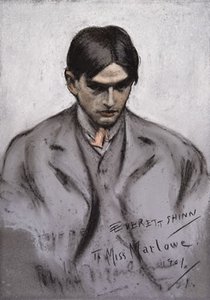
Эверетт Шинн
1876 - 1953 , США
Основные сведения
- Artistic Movement Or Style: Аштанская школа, Реализм
- Artists Or Movements Influenced By This Artist: ['Импрессионизм']
- Date Of Birth: 1876
- Date Of Death: 1953
- Full Name: Everett Shinn
- Nationality: Американский
- Notable Artworks:
- Olympic Theater
- Revue
- Place Of Birth: Woodstown, США
Похожие статьи
The Ashcan School: Realism, Urban Life & the Democratization of American Art
Explore the revolutionary Ashcan School! Discover how artists like Henri & Sloan challenged tradition with gritty realism, capturing urban life in early 20th-century America. Learn about their impact on American art history.
Harmonies on Canvas: Exploring the Visual Representation of Music in Art History
Explore the fascinating history of music's visual representation in art! From ancient symbolism to modern abstraction, discover how artists have captured sound and emotion on canvas. Expert insights & stunning examples.
The Hague School: Realism, Atmosphere & the Dawn of Dutch Impressionism
Explore the Hague School's pivotal role in Dutch art history. Discover realism, atmospheric landscapes & its influence on Impressionism. Learn about key artists like Mauve & Maris with ArtsDot.
William Glackens: Capturing Modern American Life with Ashcan Realism
Explore the life & art of William Glackens, a pioneer of American Realism and founding member of the Ashcan School. Discover his vibrant depictions of early 20th-century New York & Paris. Learn about his influences & lasting legacy.
25 Шедевров Национальной Галереи Лондона: Искусство для Вашего Дома | ArtsDot
Откройте для себя 25 шедевров Национальной галереи Лондона! Узнайте истории Ван Гога, Моне и Рембрандта. Купите репродукции картин на холсте высокого качества для вашего дома. Вдохновение и искусство – ArtsDot.com