

 Предпросмотр
 Поделиться
 Поделиться
 Детали произведения

 Скачать
 Похожие работы
 Рентгенография
 Слайд-шоу
 Статистика
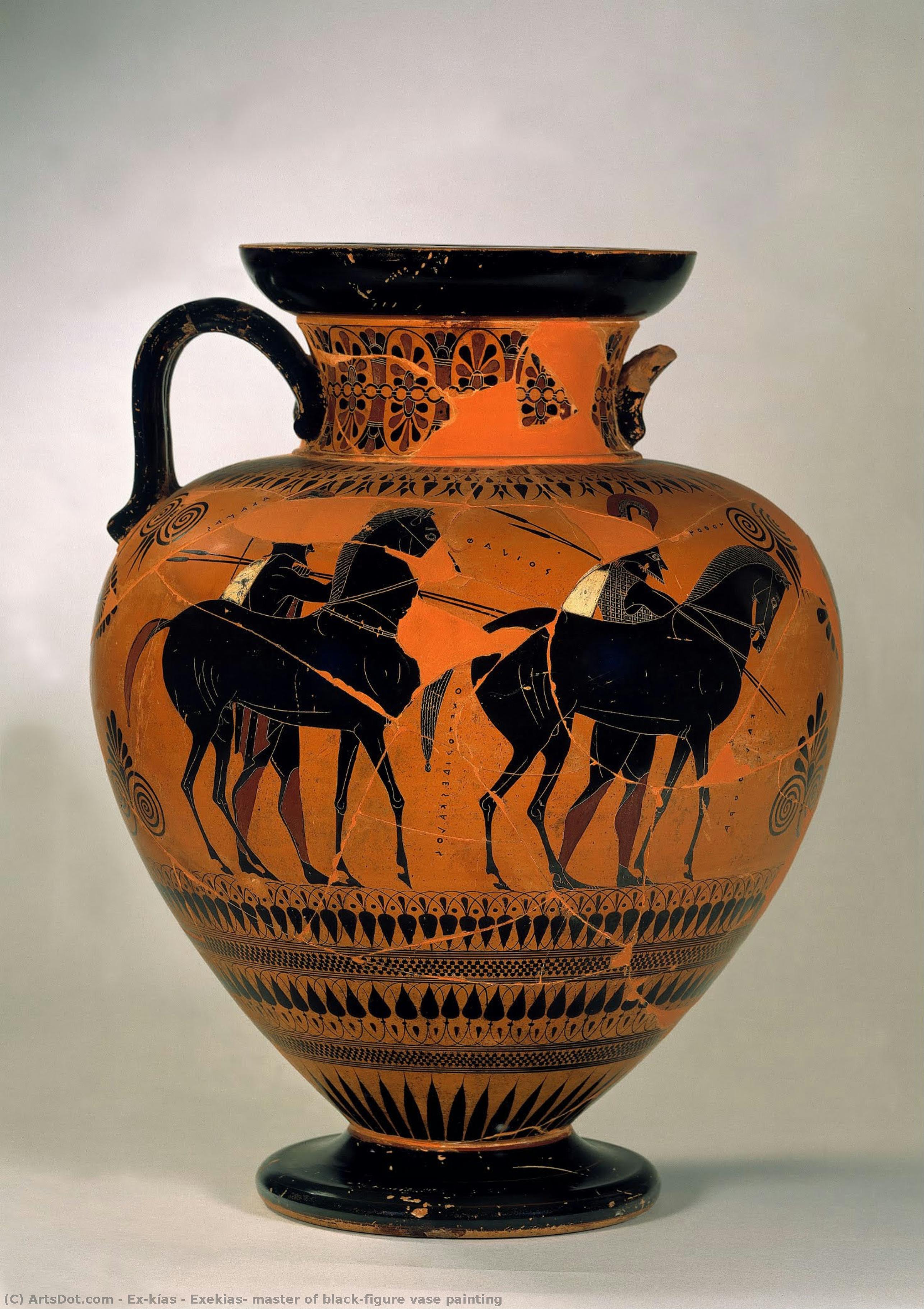
Exekias, master of black-figure vase painting


 Читать далее
Жикле / Арт-принт
Печать (жикле) или холст музейного качества с быстрыми сроками изготовления и широким выбором вариантов отделки. ( Купить картину ручной работы Перейти к цифровым изображениям)




































Выберите один из наших стандартных размеров, соответствующих оригинальным пропорциям произведения искусства.

Вы можете указать свои собственные размеры, чтобы репродукция идеально подошла под конкретную раму или пространство. Если выбранный вами размер не будет соответствовать пропорциям оригинала, мы либо обрежем произведение, либо дополним изображение зеркальным отражением краев или однотонной заливкой. Перед началом производства вам будет отправлен цифровой макет для утверждения.
Пожалуйста, обратите внимание, что предварительный просмотр на экране не отображает фактическую обрезку или расширение изображения. Только макет точно покажет финальную композицию.
Несмотря на возможность заказа индивидуальных размеров, мы рекомендуем выбирать размер из предопределенного списка, чтобы сохранить оригинальные пропорции.
Доставка по всему миру () за 2 недели вместо стандартных 4/5 недель. (13 Сентябрь)

Бесплатная экспресс-доставка по всему миру

Высококачественный льняной холст

Полное страхование доставки

Гарантия возмещения таможенных пошлин

Гарантия точного соответствия цветов

100-дневная политика возврата (только при обнаружении дефектов)

Гарантия возврата 100% средств

Предложение оптовых скидок
 Вариант со стеклом доступен только для размеров менее 110 см

Exekias, master of black-figure vase painting
Жикле / Арт-принт
Размер репродукции
-


Итоговая стоимость
$ 62
Похожие произведения
Биография художника
The Silent Genius of Athenian Vase Painting
Exekias remains one of the most enigmatic figures in ancient Greek art history, a potter and painter whose mastery of the black-figure technique continues to inspire awe centuries later. Born around 545 BC in Athens—a city brimming with artistic innovation during the Archaic Period—he emerged as a pivotal voice within Athenian vase painting circles, shaping the aesthetic sensibilities of his time and establishing himself as arguably the greatest of all Attic vase artists. Despite leaving no written record of his life or personal beliefs, scholars reconstruct his existence through stylistic analysis of his surviving works and corroborating evidence from contemporary sources. He was a rare master who achieved the dual distinction of both potter and painter, a feat evidenced by the rare signatures on his vessels where he declares, “Exekias painted and made me.”A Pioneer of Psychological Depth
What distinguishes Exekias’s oeuvre is not merely technical brilliance—though undeniably impressive—but a profound understanding of human psychology that was remarkably advanced for its era. Unlike many of his contemporaries who focused on depicting mythological narratives with stylized, static figures, Exekias imbued his scenes with palpable emotion and nuanced characterization. His work often captures the quiet, heavy moments before or after great drama. Consider the famed Herakles & Warrior Amphora, where the musculature of Herakles is rendered with meticulous detail to convey a sense of determined effort and unwavering resolve. Yet, even within this display of strength, there is a subtle vulnerability in the accompanying warrior that speaks volumes about the anxieties inherent in warfare. This psychological realism was achieved through masterful incision techniques—carefully scratched lines etched into the clay surface before firing—which allowed for shading and contouring that surpassed anything seen previously in the Athenian workshops.Technical Mastery and Narrative Innovation
The artistry of Exekias is defined by a meticulous attention to detail that transformed functional clay vessels into profound narrative canvases. His use of the black-figure technique involved painting silhouettes in a slip that turned black during firing, followed by incredibly fine incisions to define anatomy, armor, and drapery. He often enriched these compositions with added red and white pigments to enhance the texture of chitons or the glint of weaponry. His ability to compose complex scenes is perhaps best seen in his depictions of Dionysian themes, such as his Athenian Black-figure Amphora featuring Dionysos surrounded by satyrs and maenads. In these works, he balances the chaotic energy of the mythological retinue with a structured, rhythmic grace. His compositions often utilized decorative elements like lotus flowers, palmettes, and volutes to frame his central dramas, creating a cohesive visual experience that guided the viewer's eye through the mythic landscape.Legacy and Historical Significance
The influence of Exekias extended far beyond his own lifetime, leaving an indelible mark on the trajectory of Greek art. His artistic vision profoundly impacted his pupils, most notably the Lysippides Painter, who is considered one of the foremost sculptors and painters of the subsequent generation. This lineage of excellence ensured that the principles of anatomical accuracy and dramatic tension established by Exekias became cornerstones of the Classical tradition. By elevating vase painting from mere craft to a medium capable of profound psychological expression, Exekias bridged the gap between the decorative and the profound. His work stands as a testament to a period of unparalleled creativity in Athens, representing the pinnacle of Archaic Greek art and serving as a foundational pillar for the development of Western visual storytelling.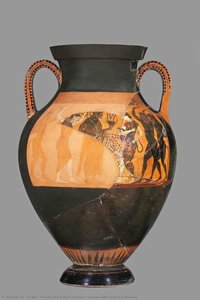
exēkías
Greece
Основные сведения
- Artistic Movement Or Style: Black-figure technique
- Artists Who Influenced This Artist:
- Andokides Painter
- Lysippides Painter
- Full Name: exēkías
- Nationality: Greek
- Notable Artworks: ['Dionysos with Satyrs and Maenads']
- Place Of Birth: Athens, Greece
Похожие статьи

Топ-10 знаменитых картин в черных тонах: шедевры искусства для вашего интерьера
Погрузитесь в мир темных шедевров! Топ-10 знаменитых картин в черных тонах от Гойи, Рембрандта и Мунка. История искусства, техники живописи и вдохновение для вашего интерьера. Купите репродукции высокого качества на ArtsDot.com
Топ-10 шедевров в тонах сажи: Искусство, история и декор от ArtsDot
Погрузитесь в мир темных тонов и драматизма! От Караваджо до Гойи – топ-10 знаменитых картин, где сажа создает неповторимую атмосферу. Репродукции высокого качества для вашего интерьера на ArtsDot.com
Echoes of Olympus: Mythological Narratives in Western Art Through the Ages
Explore the captivating history of mythological narratives in Western art! From ancient Greece to modern masterpieces, discover iconic artworks & symbolism. Expert analysis and high-quality reproductions at ArtsDot.
Топ-10 шедевров в оттенках черного: искусство, история и декор с ArtsDot
Погрузитесь в мир великих шедевров, где черный цвет – символ страсти и драмы. От Караваджо до Мунка, откройте историю искусства с ArtsDot. Купите репродукции картин онлайн и преобразите свой интерьер! Explore the full collection on ArtsDot.com
Топ-10 шедевров в тонах слоновой кости и черного: искусство, вдохновляющее интерьер
Погрузитесь в мир искусства с 10 шедеврами, где слоновая кость и черный создают завораживающие образы. Узнайте истории великих художников и вдохновитесь для создания уникального интерьера. Репродукции картин высокого качества на ArtsDot.com – искусство для вашего дома! Explore the full collection o