

 Предпросмотр
 Поделиться
 Поделиться
 Детали произведения

 Скачать
 Похожие работы
 Рентгенография
 Слайд-шоу
 Статистика
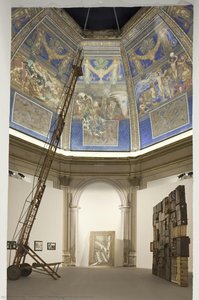
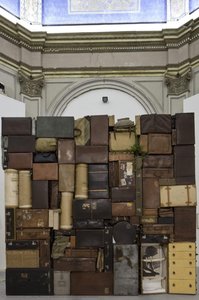
Il Muro Occidentale o del Pianto


 Читать далее
Масляная репродукция ручной работы
Картина маслом на холсте в выбранном вами размере и раме, написанная на заказ нашими художниками. ( Перейти к печати Перейти к цифровым изображениям)




P118B $10

P118H $10

P118W $10

P438Z $10

P508JH $12

P508YH $12

P805H $10

P805Z $10

P919BZ $10

P919G $10

P919XJ $10

P959ZH $10

P968JZ $12

W106C $8

W218G $10

W218JH $8

W218Y $10

W307PJ $10

W316G $10

W316PJ $8

W316Y $10

W398PJ $8

W4111J $10

W500HY $15

W500JH $15

W692G $12

W849H $8

W940BG $15

W953PJ $8




Выберите один из наших стандартных размеров, соответствующих оригинальным пропорциям произведения искусства.

Вы можете указать собственные размеры, чтобы картина идеально вписалась в выбранную раму или пространство. Если выбранный вами размер не соответствует пропорциям оригинала, мы либо обрежем полотно, либо расширим его за счет дополнительных элементов, написанных вручную. Цифровой макет будет отправлен вам на утверждение перед началом производства.
Обратите внимание, что предварительный просмотр на экране не отражает фактическую обрезку или расширение. Только макет точно покажет окончательную композицию.
Хотя доступны индивидуальные размеры, мы рекомендуем выбирать вариант из предопределенного списка, чтобы сохранить исходные пропорции.
После оформления заказа команда ArtsDot.com свяжется с клиентом по электронной почте для уточнения деталей и предоставит предварительный макет
Доставка по всему миру () за 3–4 недели вместо стандартных 5 недель. (12 Сентябрь). Без компромиссов в качестве.

Бесплатная экспресс-доставка по всему миру

Высококачественный льняной холст

Полное страхование доставки

Гарантия возмещения таможенных пошлин

Гарантия точного соответствия цветов

100-дневная политика возврата (только при обнаружении дефектов)

Гарантия возврата 100% средств

Предложение оптовых скидок
 Вариант со стеклом доступен только для размеров менее 110 см

Il Muro Occidentale o del Pianto
Техника репродукции
Размер репродукции
-


Итоговая стоимость
$ 263
Fabio Mauri: Il Muro Occidentale o del Pianto – A Monument to Memory and Displacement
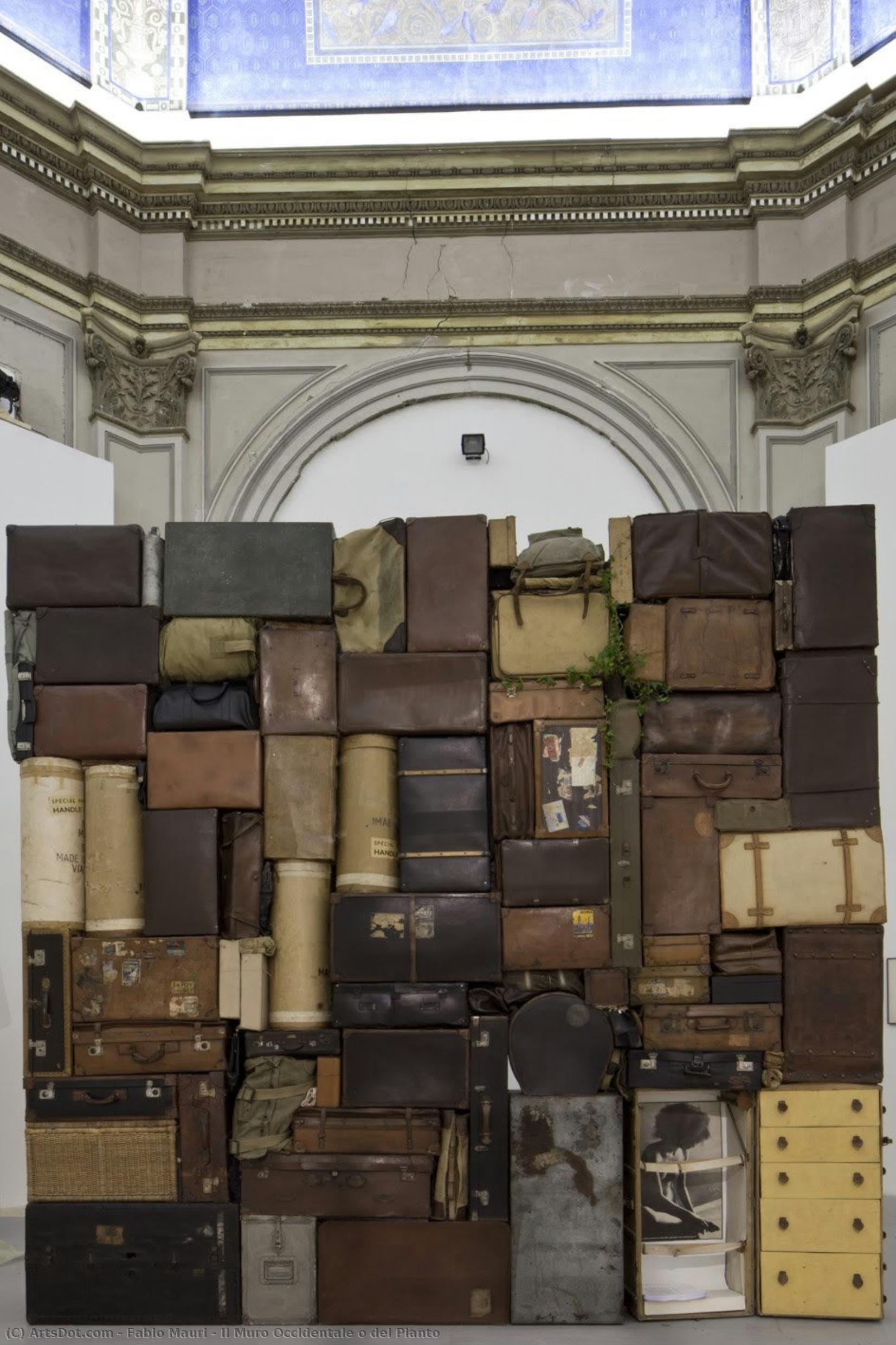
Fabio Mauri (1926-2009) remains a profoundly enigmatic and influential figure in post-war Italian art. Born into a family steeped in theatre and publishing—his uncle Valentino Bompiani’s house was a hub for literary innovation—Mauri’s artistic journey was inextricably linked to the traumatic experiences of his youth, particularly World War II and its lingering ideological scars. His work isn't easily categorized; it resists simple labels, oscillating between performance, installation, drawing, and theoretical reflection, always probing the complex relationship between individual consciousness and the pervasive forces of mass media and propaganda. Early years in Bologna laid the groundwork for his artistic sensibility. He began publishing drawings alongside Pier Paolo Pasolini, a collaboration that would profoundly shape both their intellectual trajectories. The experience of war, however, left an indelible mark on his psyche—a preoccupation with confronting history’s darkest chapters through art.- Subject Matter: Mauri's centerpiece is “Il Muro Occidentale o del Pianto” (“The Western Wall or the Wailing Wall), a monumental sculpture constructed entirely from vintage suitcases and trunks. These objects aren’t merely decorative; they represent the tangible remnants of deportations to Auschwitz, embodying the profound loss and displacement experienced by countless individuals during the Holocaust.
- Style & Technique: The sculpture's aesthetic leans heavily toward Minimalism, prioritizing geometric precision and stark materiality. Mauri eschewed elaborate ornamentation, opting for a deliberately austere approach that underscores the sculpture’s conceptual core—a meditation on memory and the enduring impact of historical trauma. The technique is remarkably straightforward: meticulously stacked suitcases create a towering edifice, emphasizing texture and form through careful arrangement.
- Historical Context: Created in 1993, “Il Muro Occidentale o del Pianto” emerged during a period marked by intense debate surrounding Holocaust remembrance and the role of art in confronting uncomfortable truths. Mauri’s work aligns with the broader Arte Povera movement—a rejection of traditional artistic conventions in favor of utilizing humble materials and processes to convey powerful emotional resonance.
- Symbolism: The suitcases themselves serve as potent symbols of exile, loss, and the shattered dreams of those forcibly removed from their homes. Their upward trajectory towards the ceiling represents aspiration and resilience amidst despair—a visual metaphor for overcoming adversity. Furthermore, the inclusion of handwritten notes (“THE END”) punctuates the sculpture’s narrative, signifying a finality that simultaneously acknowledges the irreversible consequences of historical events.
- Emotional Impact: Viewing “Il Muro Occidentale o del Pianto” evokes a palpable sense of melancholy and contemplation. Mauri compels viewers to confront the enormity of human suffering—to grapple with the inescapable reality of displacement and the enduring legacy of trauma. The sculpture’s simplicity serves as a catalyst for profound reflection on our collective responsibility to bear witness to history's darkest moments.
Photographic Documentation & Artistic Vision
The artwork’s presentation within an ancient cathedral—characterized by soaring ceilings and diffused lighting—amplifies its symbolic significance. The photographer skillfully captures the sculpture’s scale and texture, prioritizing accuracy over stylistic embellishment. The muted color palette contributes to a contemplative atmosphere, highlighting the weathered surfaces of the suitcases and emphasizing their materiality. Lines converge vertically, mirroring the sculptural form and reinforcing the overarching theme of upward movement—a visual representation of striving for transcendence amidst sorrow. Shapes are predominantly rectangular, reflecting the suitcase’s geometry while simultaneously conveying stability and permanence. The meticulous attention to detail underscores Mauri's commitment to confronting history head-on through a medium that prioritizes direct observation.Further Exploration & Artistic Legacy
Fabio Mauri’s oeuvre extends beyond “Il Muro Occidentale o del Pianto,” encompassing performance pieces, drawings, and critical writings—all united by his unwavering interrogation of ideology and the role of art in shaping human consciousness. His work continues to inspire artists and scholars alike—a testament to his enduring influence on contemporary artistic discourse. Mauri’s exploration of memory and displacement resonates powerfully with broader themes of exile and trauma—themes that remain central to discussions about art's capacity to bear witness to history’s most harrowing experiences.Похожие произведения



Биография художника
Fabio Mauri: Architect of the Screen, Chronicler of Ideology
Fabio Mauri (1926-2009) remains a profoundly enigmatic and influential figure in post-war Italian art. Born into a family steeped in theatre and publishing—his uncle Valentino Bompiani’s house was a hub for literary innovation—Mauri’s artistic journey was inextricably linked to the tumultuous events of his youth, particularly the trauma of World War II and its lingering ideological scars. His work isn't easily categorized; it resists simple labels, oscillating between performance, installation, drawing, and theoretical reflection, always probing the complex relationship between individual consciousness and the pervasive forces of mass media and propaganda.
Early years in Bologna laid the groundwork for his artistic sensibility. He began publishing drawings in 1942 alongside Pier Paolo Pasolini, a collaboration that would profoundly shape both their intellectual trajectories. The experience of war, however, left an indelible mark, triggering episodes of severe mental distress and hospitalization. This personal crisis, far from being a creative dead end, became the catalyst for a radical shift in his artistic approach—a deliberate confrontation with the psychological impact of violence and ideology. His early struggles with psychosis fueled a lifelong investigation into the nature of trauma, memory, and the ways in which history is constructed and perpetuated through images.
The ‘Schermi’ – A New Language of Perception
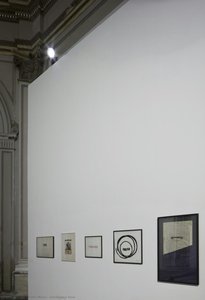
Mauri's artistic breakthrough arrived in 1957 with the creation of his “Schermi” (Screens). These deceptively simple works—black frames surrounding white sheets of paper—represented a fundamental departure from traditional painting. He described them as seeking a ‘zero degree’ – a space beyond representation, a blank canvas for projection and contemplation. The Schermi weren't merely paintings; they were invitations to engage with the potential of the image itself, acting as conduits for unseen narratives and future possibilities. This concept evolved over time, incorporating elements like stretched cloth or wooden frames reminiscent of television screens, further emphasizing the role of media and technology in shaping our perception.
The Schermi weren’t static objects; they were designed to be activated—projected upon, layered with text, or used as a backdrop for performance. Mauri's meticulous attention to detail – the precise framing, the stark contrast between black and white – created a powerful visual language that challenged viewers to question their assumptions about representation and reality. The Schermi became a central element in his exploration of ideology, serving as a platform for confronting uncomfortable truths about power, violence, and manipulation.
Performance, Ideology, and the ‘Crack’ Group
Beyond the Schermi, Mauri's artistic practice expanded dramatically throughout the 1960s. He became deeply involved in theatre, co-founding the “Quindici” magazine with poets like Pier Paolo Pasolini and Edoardo Sanguineti, and staging politically charged performances such as *L’Isola* (1964), a pop-art theatrical piece that combined literature, comic books, and visual imagery. He also formed the ‘Crack’ group in 1960 with artists like Pietro Cascella, Gino Marotta, and Achille Perilli—a collective dedicated to exploring the intersection of art, politics, and social critique.
Crucially, Mauri distanced himself from the burgeoning Pop Art movement in 1964, recognizing its superficial embrace of consumer culture. He shifted his focus towards a more rigorous investigation of ideology, producing works like *Che cosa è il fascismo* (What is Fascism) and *Ebrea*, which confronted the horrors of Nazi-fascist ideology with unflinching honesty. These performances weren’t merely aesthetic events; they were acts of remembrance, attempts to bear witness to historical trauma and expose its lingering effects on contemporary society.
Legacy and Enduring Relevance
Fabio Mauri's work continues to resonate powerfully in the 21st century. His exploration of mass media, propaganda, and the manipulation of images remains profoundly relevant in an age dominated by social media and digital technologies. His insistence on confronting uncomfortable truths—particularly those related to violence, trauma, and ideology—demands a critical engagement with history and its ongoing influence on our present. Mauri’s legacy lies not only in his innovative artistic practices but also in his unwavering commitment to using art as a tool for social critique and personal reflection. He left behind a body of work that challenges us to question the very nature of representation, perception, and the power dynamics that shape our world.
Fabio Mauri
1926 - 2009 , Italy
Основные сведения
- Artistic Movement Or Style: Post-war avant-garde
- Artists Or Movements Influenced By This Artist:
- Gruppo 63
- Pop Art
- Artists Who Influenced This Artist:
- Pier Paolo Pasolini
- Luigi Pirandello
- Date Of Birth: 1926-02-15
- Date Of Death: 2009-05-20
- Full Name: Fabio Mauri
- Nationality: Italian
- Notable Artworks:
- Schermi
- Il Muro Occidentale
- Linguaggio è guerra
- Che cosa è il fascismo
- Place Of Birth: Rome, Italy
Похожие статьи
Непреходящее наследие бронзовой скульптуры: история, техники и современные интерпретации
Узнайте историю бронзовой скульптуры, техники литья и советы по коллекционированию от экспертов. Откройте для себя вечное искусство бронзы!

The Enduring Form: Exploring Themes & Techniques in Sculpture Across Historical Periods
Explore the rich history of sculpture from ancient masterpieces to contemporary innovations. Discover key techniques, influential artists & investment potential for discerning art collectors.

10 легендарных бронзовых скульптур, изменивших искусство навсегда | ArtsDot
Погрузитесь в мир великих бронзовых скульптур! От Давида Микеланджело до работ Родена – история искусства, техники и вдохновения. Купите репродукции шедевров для вашего интерьера на ArtsDot.com

10 легендарных бронзовых шедевров, изменивших искусство | ArtsDot
Погрузитесь в мир великих бронзовых шедевров! От Давида Донателло до Мыслителя Родена – узнайте историю создания, технику и значение легендарных скульптур. Вдохновение для интерьера и музейное качество репродукций на ArtsDot.com.

The Enduring Form: Sculpture Across History, Technique & Emotional Resonance
Explore the rich history of sculpture with ArtsDot. Discover key techniques, influential artists & investment potential for discerning collectors. Expert insights into valuing and collecting timeless masterpieces.