

 Предпросмотр
 Поделиться
 Поделиться
 Детали произведения

 Скачать
 Похожие работы
 Рентгенография
 Слайд-шоу
 Статистика
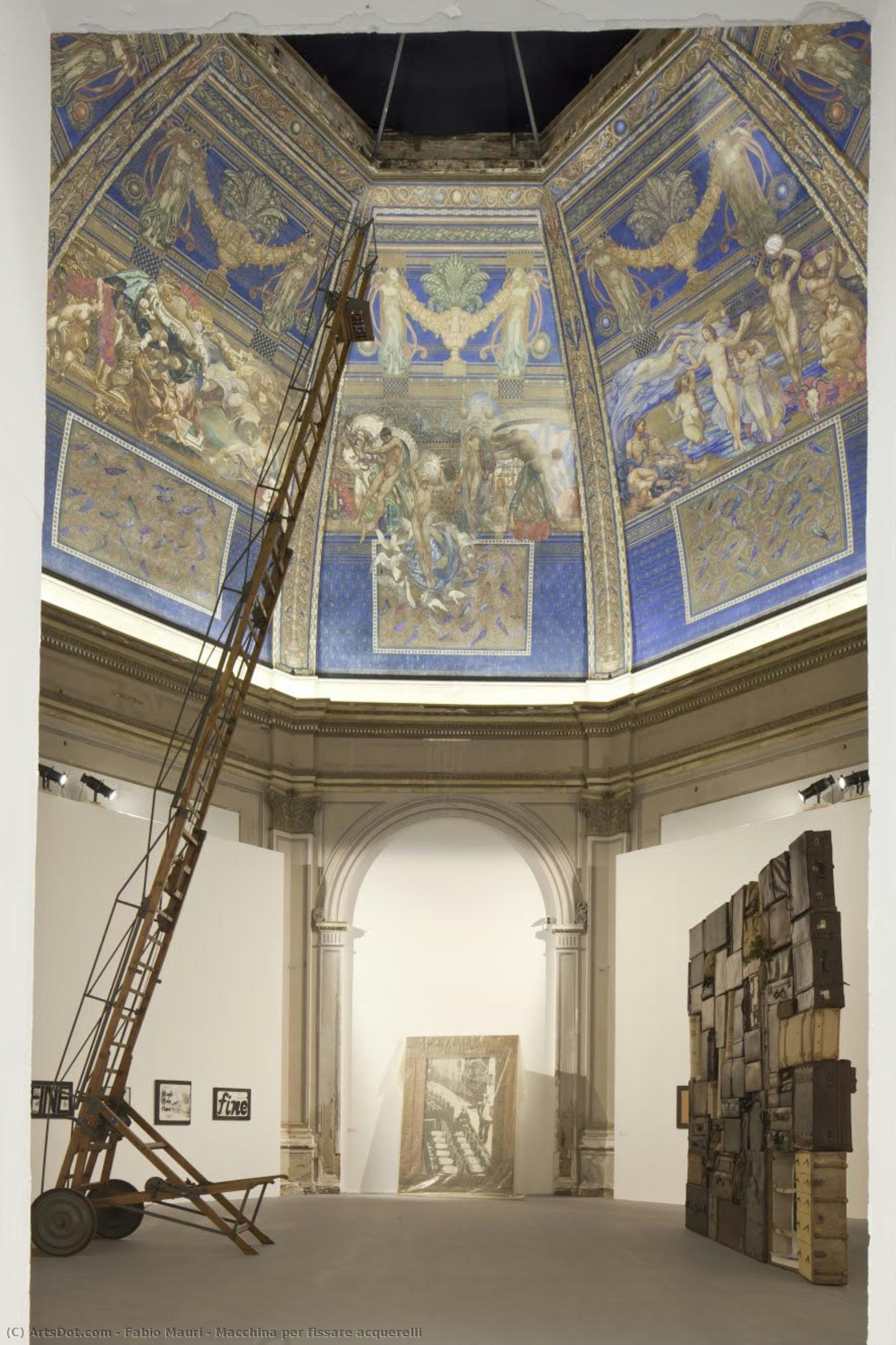
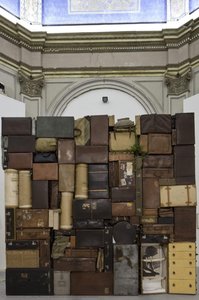
Macchina per fissare acquerelli


 Читать далее
Приобретите цифровое изображение высокого разрешения в улучшенном качестве, которое значительно превосходит онлайн-превью.
Каждый файл тщательно подготавливается нашими специалистами с использованием передовых инструментов и экспертной ручной ретуши. Мы гарантируем исключительную четкость, точную цветопередачу и детальную проработку каждого изображения.
Финальный файл доставляется по электронной почте в течение 72 часов и оптимизирован для немедленного использования в профессиональной среде, при верстке и печати. Это тот же уровень качества, которому доверяют ведущие дизайнерские студии, издательства и галереи.
Цифровое изображение
Скачайте файл высокого разрешения для личного использования, печати и творческих проектов. ( Перейти к печати Купить картину ручной работы)
Включено в каждый заказ цифровых изображений
Гарантия экспертной цифровой доставки
Выбирая ArtsDot.com, вы получаете не просто изображение — вы приобретаете профессионально обработанное цифровое произведение искусства, созданное с безупречной точностью и под защитой гарантии качества. Вот всё, что автоматически входит в ваш заказ:

Мгновенная доставка по e-mail
Ваш цифровой файл в высоком разрешении будет отправлен вам по электронной почте в течение 72 часов после оформления заказа — и сразу станет доступен для использования.

Цифровой файл с ИИ-улучшением
Ваше произведение искусства проходит профессиональную оптимизацию с использованием передовых инструментов ИИ и ручной обработки, что гарантирует максимальную детализацию, четкость и точность цветопередачи.

Бессрочная бесплатная повторная доставка
Случайно удалили или потеряли файл? Не беспокойтесь — мы отправим его вам повторно в любое время и совершенно бесплатно.

Без импортных пошлин — навсегда
Наслаждайтесь вашим произведением искусства мгновенно без таможенных пошлин, сборов или затрат на доставку — цифровые загрузки всегда не облагаются налогом.

Гарантия точности цветопередачи
Мы гарантируем, что ваше цифровое изображение максимально точно передает оригинальные цвета благодаря использованию профессиональных инструментов и систем управления цветом.

Гарантия удовлетворенности 100 дней
Если вы не будете удовлетворены своим цифровым изображением, мы внесем правки или вернем 100% стоимости в течение 100 дней — без лишних вопросов.

100% Гарантия возврата средств
Не удовлетворены покупкой? Получите полный возврат средств в течение 100 дней после получения цифрового файла — без лишних вопросов.

Скидки на оптовые заказы
Купите 3 изображения, сэкономьте 10% — Купите 5, сэкономьте 15% — Купите 10+, сэкономьте 20%. Отличное решение для творческих проектов, галерей и агентств.
Fabio Mauri: Macchina per fissare acquerelli – A Meditation on Loss and Remembrance
Fabio Mauri (1926-2009) remains a profoundly enigmatic and influential figure in post-war Italian art. Born into a family steeped in theatre and publishing—his uncle Valentino Bompiani’s house was a hub for literary innovation—Mauri’s artistic journey was inextricably linked to the tumultuous events of his youth, particularly the trauma of World War II and its lingering ideological scars. His work isn't easily categorized; it resists simple labels, oscillating between performance, installation, drawing, and theoretical reflection, always probing the complex relationship between individual consciousness and the pervasive forces of mass media and propaganda. Early years in Bologna laid the groundwork for his artistic sensibility. He began publishing drawings alongside Pier Paolo Pasolini, a collaboration that would profoundly shape both their intellectual trajectories. The experience of war, however, left an indelible mark, triggering episodes of severe mental distress and hospitalization. This personal crisis, far from being a creative dead end, became the catalyst for a radical shift in his artistic approach—a deliberate confrontation with the psychological impact of violence and ideology. He sought to articulate the unspoken anxieties of a generation grappling with the horrors witnessed during the Second World War, translating these experiences into visual metaphors that transcended literal representation. Mauri’s distinctive style emerged from this crucible of emotion and intellectual inquiry. Rejecting conventional artistic conventions, he embraced a minimalist aesthetic characterized by stark geometric forms and muted color palettes—primarily blues and golds—reflecting a preoccupation with the grandeur of architectural spaces and the solemnity of historical monuments. His sculptures and installations frequently employed unconventional materials – suitcases, wood, metal – transforming everyday objects into potent symbols of displacement and remembrance. This deliberate choice underscored his conviction that art could communicate profound truths about human existence without resorting to elaborate narratives or decorative embellishments. The centerpiece of Mauri’s oeuvre is undoubtedly “Macchina per fissare acquerelli” (Machine for Fixing Watercolors), created in 2009. The artwork consists of a towering wall constructed entirely from vintage suitcases—a deliberate allusion to the cargo transported to Auschwitz and, more broadly, to journeys without return. This monumental sculpture serves as an evocative meditation on loss, exile, and the enduring legacy of trauma. Its sheer scale compels contemplation, inviting viewers to confront the immensity of suffering endured by countless individuals during the Holocaust era. The inclusion of the phrase “THE END” punched through a thin ledge—a stark declaration of finality—further amplifies the sculpture’s emotional resonance. Mauri's late artistic explorations were driven by an unwavering commitment to confronting uncomfortable realities and questioning accepted narratives. He meticulously crafted each piece, painstakingly assembling materials and executing techniques that demanded precision and patience. The resulting artworks are imbued with a palpable sense of melancholy, yet simultaneously radiate an inner strength—a testament to the artist’s ability to transform personal anguish into profound artistic expression. “Macchina per fissare acquerelli” stands as a poignant reminder that even in the face of overwhelming adversity, beauty can emerge from darkness and that art possesses the capacity to bear witness to history's most harrowing moments. The installation view captures the sculpture’s imposing presence within its architectural setting—a grand space bathed in diffused light—emphasizing the interplay between form and context. The carefully positioned suitcases create a visual rhythm that draws attention to their materiality and their symbolic significance, prompting viewers to consider the journeys undertaken by those deported to Auschwitz and the inescapable consequences of historical injustice. Mauri’s artistic legacy continues to inspire artists and scholars alike, cementing his place as one of Italy's most important contemporary voices—a voice that speaks with unwavering honesty about human experience and confronts us with the urgent need for remembrance.Похожие произведения



Биография художника
Fabio Mauri: Architect of the Screen, Chronicler of Ideology
Fabio Mauri (1926-2009) remains a profoundly enigmatic and influential figure in post-war Italian art. Born into a family steeped in theatre and publishing—his uncle Valentino Bompiani’s house was a hub for literary innovation—Mauri’s artistic journey was inextricably linked to the tumultuous events of his youth, particularly the trauma of World War II and its lingering ideological scars. His work isn't easily categorized; it resists simple labels, oscillating between performance, installation, drawing, and theoretical reflection, always probing the complex relationship between individual consciousness and the pervasive forces of mass media and propaganda.
Early years in Bologna laid the groundwork for his artistic sensibility. He began publishing drawings in 1942 alongside Pier Paolo Pasolini, a collaboration that would profoundly shape both their intellectual trajectories. The experience of war, however, left an indelible mark, triggering episodes of severe mental distress and hospitalization. This personal crisis, far from being a creative dead end, became the catalyst for a radical shift in his artistic approach—a deliberate confrontation with the psychological impact of violence and ideology. His early struggles with psychosis fueled a lifelong investigation into the nature of trauma, memory, and the ways in which history is constructed and perpetuated through images.
The ‘Schermi’ – A New Language of Perception
Mauri's artistic breakthrough arrived in 1957 with the creation of his “Schermi” (Screens). These deceptively simple works—black frames surrounding white sheets of paper—represented a fundamental departure from traditional painting. He described them as seeking a ‘zero degree’ – a space beyond representation, a blank canvas for projection and contemplation. The Schermi weren't merely paintings; they were invitations to engage with the potential of the image itself, acting as conduits for unseen narratives and future possibilities. This concept evolved over time, incorporating elements like stretched cloth or wooden frames reminiscent of television screens, further emphasizing the role of media and technology in shaping our perception.
The Schermi weren’t static objects; they were designed to be activated—projected upon, layered with text, or used as a backdrop for performance. Mauri's meticulous attention to detail – the precise framing, the stark contrast between black and white – created a powerful visual language that challenged viewers to question their assumptions about representation and reality. The Schermi became a central element in his exploration of ideology, serving as a platform for confronting uncomfortable truths about power, violence, and manipulation.
Performance, Ideology, and the ‘Crack’ Group
Beyond the Schermi, Mauri's artistic practice expanded dramatically throughout the 1960s. He became deeply involved in theatre, co-founding the “Quindici” magazine with poets like Pier Paolo Pasolini and Edoardo Sanguineti, and staging politically charged performances such as *L’Isola* (1964), a pop-art theatrical piece that combined literature, comic books, and visual imagery. He also formed the ‘Crack’ group in 1960 with artists like Pietro Cascella, Gino Marotta, and Achille Perilli—a collective dedicated to exploring the intersection of art, politics, and social critique.
Crucially, Mauri distanced himself from the burgeoning Pop Art movement in 1964, recognizing its superficial embrace of consumer culture. He shifted his focus towards a more rigorous investigation of ideology, producing works like *Che cosa è il fascismo* (What is Fascism) and *Ebrea*, which confronted the horrors of Nazi-fascist ideology with unflinching honesty. These performances weren’t merely aesthetic events; they were acts of remembrance, attempts to bear witness to historical trauma and expose its lingering effects on contemporary society.
Legacy and Enduring Relevance
Fabio Mauri's work continues to resonate powerfully in the 21st century. His exploration of mass media, propaganda, and the manipulation of images remains profoundly relevant in an age dominated by social media and digital technologies. His insistence on confronting uncomfortable truths—particularly those related to violence, trauma, and ideology—demands a critical engagement with history and its ongoing influence on our present. Mauri’s legacy lies not only in his innovative artistic practices but also in his unwavering commitment to using art as a tool for social critique and personal reflection. He left behind a body of work that challenges us to question the very nature of representation, perception, and the power dynamics that shape our world.
Fabio Mauri
1926 - 2009 , Italy
Основные сведения
- Artistic Movement Or Style: Post-war avant-garde
- Artists Or Movements Influenced By This Artist:
- Gruppo 63
- Pop Art
- Artists Who Influenced This Artist:
- Pier Paolo Pasolini
- Luigi Pirandello
- Date Of Birth: 1926-02-15
- Date Of Death: 2009-05-20
- Full Name: Fabio Mauri
- Nationality: Italian
- Notable Artworks:
- Schermi
- Il Muro Occidentale
- Linguaggio è guerra
- Che cosa è il fascismo
- Place Of Birth: Rome, Italy