

 Предпросмотр
 Поделиться
 Поделиться
 Детали произведения

 Скачать
 Похожие работы
 Рентгенография
 Слайд-шоу
 Статистика
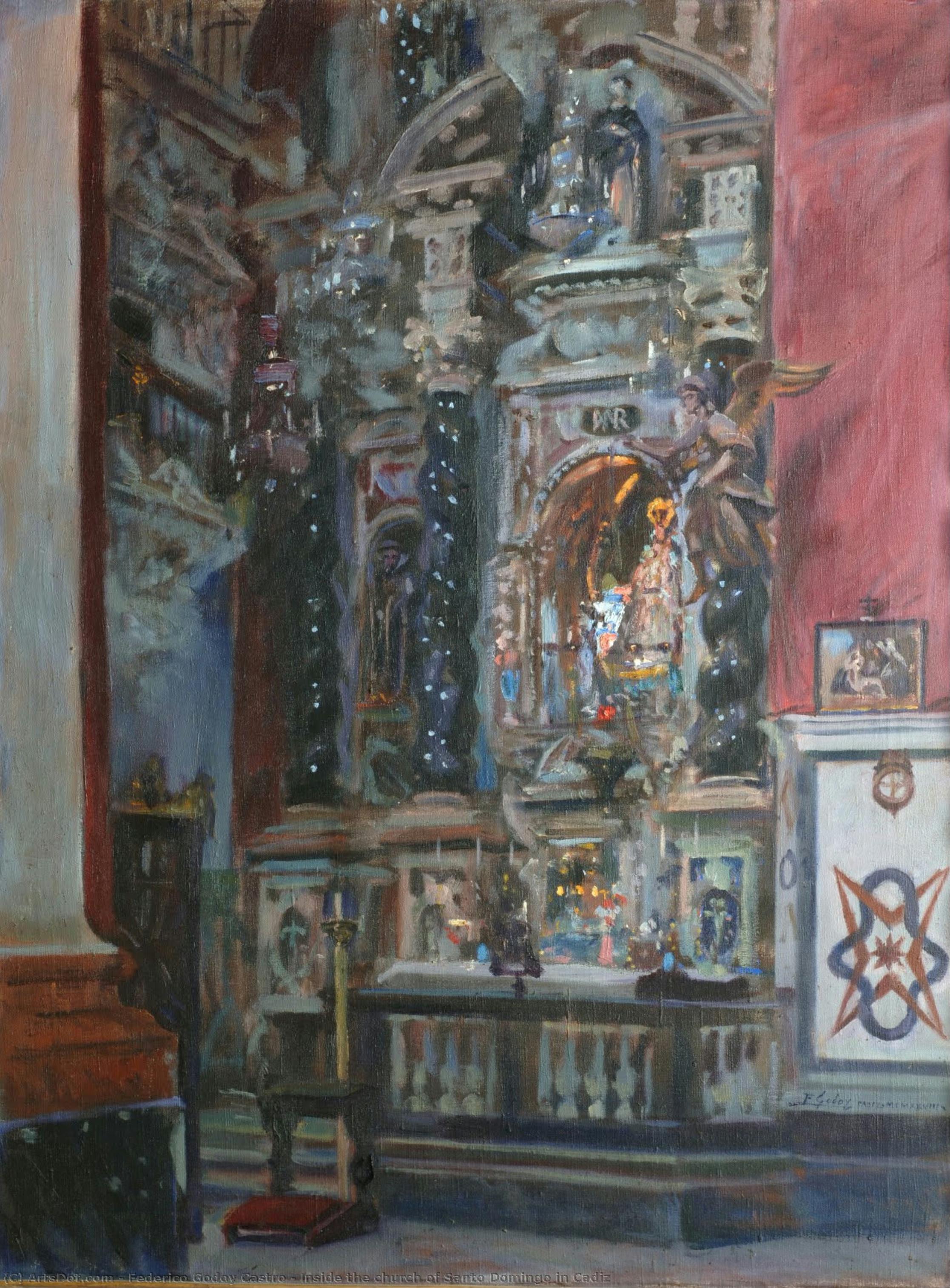
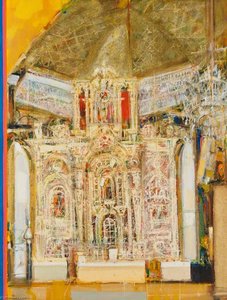
Inside the church of Santo Domingo in Cadiz

 Читать далее
Приобретите цифровое изображение высокого разрешения в улучшенном качестве, которое значительно превосходит онлайн-превью.
Каждый файл тщательно подготавливается нашими специалистами с использованием передовых инструментов и экспертной ручной ретуши. Мы гарантируем исключительную четкость, точную цветопередачу и детальную проработку каждого изображения.
Финальный файл доставляется по электронной почте в течение 72 часов и оптимизирован для немедленного использования в профессиональной среде, при верстке и печати. Это тот же уровень качества, которому доверяют ведущие дизайнерские студии, издательства и галереи.
Цифровое изображение
Скачайте файл высокого разрешения для личного использования, печати и творческих проектов. ( Перейти к печати Купить картину ручной работы)
Включено в каждый заказ цифровых изображений
Гарантия экспертной цифровой доставки
Выбирая ArtsDot.com, вы получаете не просто изображение — вы приобретаете профессионально обработанное цифровое произведение искусства, созданное с безупречной точностью и под защитой гарантии качества. Вот всё, что автоматически входит в ваш заказ:

Мгновенная доставка по e-mail
Ваш цифровой файл в высоком разрешении будет отправлен вам по электронной почте в течение 72 часов после оформления заказа — и сразу станет доступен для использования.

Цифровой файл с ИИ-улучшением
Ваше произведение искусства проходит профессиональную оптимизацию с использованием передовых инструментов ИИ и ручной обработки, что гарантирует максимальную детализацию, четкость и точность цветопередачи.

Бессрочная бесплатная повторная доставка
Случайно удалили или потеряли файл? Не беспокойтесь — мы отправим его вам повторно в любое время и совершенно бесплатно.

Без импортных пошлин — навсегда
Наслаждайтесь вашим произведением искусства мгновенно без таможенных пошлин, сборов или затрат на доставку — цифровые загрузки всегда не облагаются налогом.

Гарантия точности цветопередачи
Мы гарантируем, что ваше цифровое изображение максимально точно передает оригинальные цвета благодаря использованию профессиональных инструментов и систем управления цветом.

Гарантия удовлетворенности 100 дней
Если вы не будете удовлетворены своим цифровым изображением, мы внесем правки или вернем 100% стоимости в течение 100 дней — без лишних вопросов.

100% Гарантия возврата средств
Не удовлетворены покупкой? Получите полный возврат средств в течение 100 дней после получения цифрового файла — без лишних вопросов.

Скидки на оптовые заказы
Купите 3 изображения, сэкономьте 10% — Купите 5, сэкономьте 15% — Купите 10+, сэкономьте 20%. Отличное решение для творческих проектов, галерей и агентств.
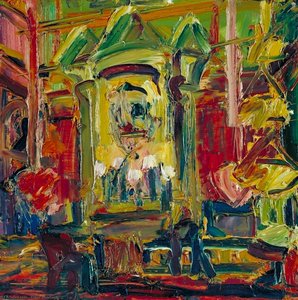
Похожие произведения





Биография художника
Henri Matisse: A Life Painted in Color
Henri Matisse, a name synonymous with vibrant color and fluid form, stands as one of the most pivotal figures in 20th-century art. Born in Le Cateau, Picardy, France, in December 1869, his artistic journey began not with fervent ambition but with a hesitant interest sparked by a box of paints gifted to him during convalescence. Initially drawn to the traditional academic training offered at the École des Beaux-Arts in Paris, Matisse quickly recognized the limitations of this path and embarked on a radical exploration of color and expression that would redefine modern painting. His life’s work—spanning nearly six decades—is a testament to his relentless pursuit of visual harmony and emotional resonance, leaving an indelible mark on generations of artists.
Early Years and Artistic Foundations
Matisse's early artistic development was shaped by the prevailing artistic currents of the late 19th century. He initially studied law, a path his family expected him to follow, but found himself increasingly drawn to the burgeoning art scene in Paris. His initial training at the Académie Julian under William-Adolphe Bouguereau exposed him to the meticulous realism and idealized forms characteristic of academic painting. However, Matisse soon began to experiment with Impressionism and Neo-Impressionism, absorbing influences from artists like Claude Monet and Georges Seurat. Notably, his exposure to Seurat’s pointillist technique—the application of small dots of color to create an image—proved particularly influential, laying the groundwork for his later exploration of pure color.
The Fauvist Revolution
Around 1905, Matisse emerged as a leading figure in the Fauvist movement – a term coined by art critic Louis Vauxcelles to describe the group’s intensely colorful and often jarring style. Rejecting the muted tones of academic painting, the Fauves employed bold, arbitrary colors—reds, blues, yellows—with little regard for naturalistic representation. Matisse's *Woman with a Hat* (1905) exemplifies this radical approach, showcasing his masterful use of color to convey emotion and atmosphere. This period marked a decisive break from tradition, as Matisse sought to express the essence of things through pure color rather than their literal appearance. His work during this time was exhibited at the Salon des Indépendants in Paris, generating both excitement and controversy.
Mature Style and Mediterranean Influence
Following the intensity of the Fauvist period, Matisse’s style evolved into a more refined and disciplined approach. Moving to Nice in 1917, he found inspiration in the warm light and vibrant landscapes of the French Riviera. This shift brought about a simplification of forms, a greater emphasis on decorative patterns, and a move towards flatter planes of color. Works like *The Red Studio* (1911) demonstrate this new aesthetic—a carefully constructed composition dominated by bold red hues and geometric shapes. Despite his growing fame, Matisse remained committed to exploring the expressive potential of color, continually refining his technique and pushing the boundaries of visual perception.
Beyond Painting: Printmaking and Collage
While celebrated primarily as a painter, Matisse’s artistic output extended far beyond canvas. He was a prolific printmaker, producing a vast array of etchings, lithographs, aquatints, and woodcuts that showcased his remarkable draughtsmanship and innovative use of line. In his later years, particularly after 1930, he discovered the medium of paper cutouts—a technique involving precisely cutting shapes from colored paper to create abstract compositions. These collages, often featuring simplified figures and bold geometric forms, represent a culmination of his lifelong exploration of color, form, and composition. His final works, created during his illness in 1953, are characterized by their remarkable clarity and emotional depth—a testament to the enduring power of his artistic vision.
Matisse’s legacy extends far beyond his individual achievements. He profoundly influenced subsequent generations of artists, including those associated with Abstract Expressionism and Pop Art. His emphasis on color as a primary means of expression, combined with his innovative approach to form and composition, continues to inspire artists today. Henri Matisse remains an iconic figure in the history of art—a master of color who transformed the way we see the world.
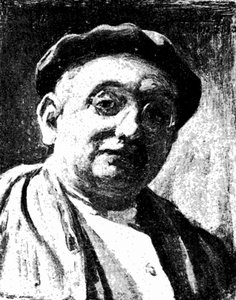
federico godoy castro
1869 - 1939 , Spain
Основные сведения
- Artistic Movement Or Style: Fauvism, Modernism
- Artists Or Movements Influenced By This Artist:
- Pablo Picasso
- École de Paris
- Artists Who Influenced This Artist:
- William-Adolphe Bouguereau
- Paul Cézanne
- Date Of Birth: December 31, 1869
- Date Of Death: November 3, 1954
- Full Name: Henri-Émile-Benoît Matisse
- Nationality: French
- Notable Artworks:
- Woman with a Hat
- The Red Studio
- Dance (Matisse)
- Place Of Birth: Le Cateau, Picardy, France