

 Предпросмотр
 Поделиться
 Поделиться
 Детали произведения

 Скачать
 Похожие работы
 Рентгенография
 Слайд-шоу
 Статистика
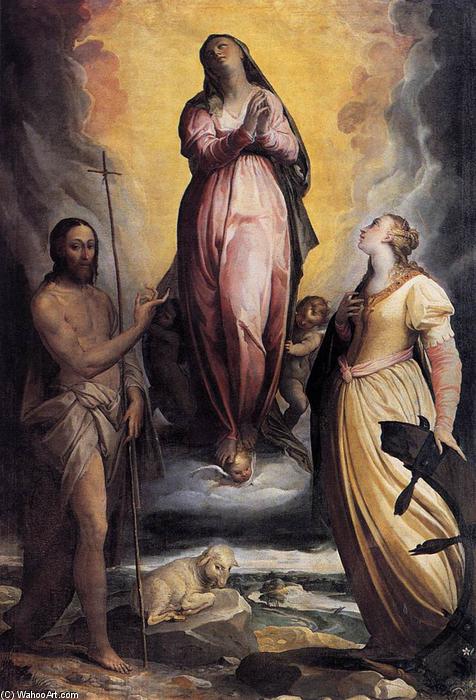
Assumption of the Virgin


 Читать далее
Приобретите цифровое изображение высокого разрешения в улучшенном качестве, которое значительно превосходит онлайн-превью.
Каждый файл тщательно подготавливается нашими специалистами с использованием передовых инструментов и экспертной ручной ретуши. Мы гарантируем исключительную четкость, точную цветопередачу и детальную проработку каждого изображения.
Финальный файл доставляется по электронной почте в течение 72 часов и оптимизирован для немедленного использования в профессиональной среде, при верстке и печати. Это тот же уровень качества, которому доверяют ведущие дизайнерские студии, издательства и галереи.
Цифровое изображение
Скачайте файл высокого разрешения для личного использования, печати и творческих проектов. ( Перейти к печати Купить картину ручной работы)
Включено в каждый заказ цифровых изображений
Гарантия экспертной цифровой доставки
Выбирая ArtsDot.com, вы получаете не просто изображение — вы приобретаете профессионально обработанное цифровое произведение искусства, созданное с безупречной точностью и под защитой гарантии качества. Вот всё, что автоматически входит в ваш заказ:

Мгновенная доставка по e-mail
Ваш цифровой файл в высоком разрешении будет отправлен вам по электронной почте в течение 72 часов после оформления заказа — и сразу станет доступен для использования.

Цифровой файл с ИИ-улучшением
Ваше произведение искусства проходит профессиональную оптимизацию с использованием передовых инструментов ИИ и ручной обработки, что гарантирует максимальную детализацию, четкость и точность цветопередачи.

Бессрочная бесплатная повторная доставка
Случайно удалили или потеряли файл? Не беспокойтесь — мы отправим его вам повторно в любое время и совершенно бесплатно.

Без импортных пошлин — навсегда
Наслаждайтесь вашим произведением искусства мгновенно без таможенных пошлин, сборов или затрат на доставку — цифровые загрузки всегда не облагаются налогом.

Гарантия точности цветопередачи
Мы гарантируем, что ваше цифровое изображение максимально точно передает оригинальные цвета благодаря использованию профессиональных инструментов и систем управления цветом.

Гарантия удовлетворенности 100 дней
Если вы не будете удовлетворены своим цифровым изображением, мы внесем правки или вернем 100% стоимости в течение 100 дней — без лишних вопросов.

100% Гарантия возврата средств
Не удовлетворены покупкой? Получите полный возврат средств в течение 100 дней после получения цифрового файла — без лишних вопросов.

Скидки на оптовые заказы
Купите 3 изображения, сэкономьте 10% — Купите 5, сэкономьте 15% — Купите 10+, сэкономьте 20%. Отличное решение для творческих проектов, галерей и агентств.
Похожие произведения


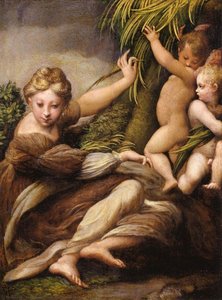
Биография художника
The Architect of Roman Mannerism
Federico Zuccaro stands as a pivotal figure in the Italian Renaissance, specifically within the burgeoning Roman Mannerist movement. He was far more than a mere painter; he was an architect, a historian, and a champion of artistic innovation—a rare combination of talents that cemented his legacy as one of the era's most influential creators. Born around 1539, Zuccaro’s early life was deeply rooted in the traditions of the masters. He received a robust artistic education from his father, Giovanni Zuccaro, a celebrated sculptor and painter. This familial connection instilled within Federico a profound appreciation for classical ideals, establishing him firmly on a path toward mastering the delicate balance between painting, sculpture, and structural design.
His formative years were spent honing his skills in Florence, where he studied under the legendary Andrea Palladio. From Palladio, Zuccaro absorbed a meticulous attention to proportion and architectural harmony, principles that would later define his grander compositions. He quickly gained recognition for his breathtaking frescoes, particularly those adorning the Palazzo Vecchio, which demonstrated an exceptional ability to convey deep emotion and narrative complexity within a restrained, sophisticated stylistic framework. As his reputation grew, so did his reach, with commissions flowing from wealthy Florentine families and eventually extending into the heart of Rome.
A Legacy of Collaboration and Innovation
One cannot discuss the brilliance of Federico Zuccaro without acknowledging the profound influence of his brother, Taddeo Zuccaro. Together, the brothers formed an unparalleled creative partnership that pushed the boundaries of Mannerist aesthetics. While Taddeo’s mastery of sculpture provided a structural strength to their shared visions, Federico’s painting prowess brought them to life with ethereal light and movement. Their collaborative spirit yielded masterpieces such as “The Holy Family” in Palazzo Vecchio, a work that serves as a testament to their unified artistic language.
Zuccaro's versatility allowed him to transcend the canvas. As an architect, he undertook ambitious projects throughout Rome and Italy, designing palaces, churches, and villas that reflected his deep understanding of classical space. His architectural achievements were not merely functional but were intended to elevate the very status of the artist. This ambition is perhaps most tangibly felt in Casa Zuccari in Florence, a residence built around 1578. Conceived as an emblem of lineage and creative emancipation, this architectural jewel was inspired by the pioneering spirit of Giorgio Vasari, transforming a private sanctuary into a stage for intellectual and aesthetic triumph.
The Spirit of Mannerist Mastery
The true essence of Zuccaro’s work lies in his ability to blend the physical with the divine. In works such as “Angels and Cherubim Among Clouds,” dating from 1566, one can witness a celestial vision painted with sublime transcendence. He masterfully orchestrated gatherings of heavenly beings amidst billowing clouds, creating scenes that were simultaneously grand and intimately peaceful. His technique involved building luminosity through delicate gradations of color and shadow, allowing for a dynamic tension between solid forms and weightless vapor.
Beyond the grandeur of his large-scale frescoes, Zuccaro possessed a remarkable ability to capture quiet, spiritual introspection. His drawings, such as the exquisite “St Mennas,” reveal a master of light and shadow, where figures appear suspended between the earthly realm and the divine. This intellectual rigor and technical versatility allowed him to leave an indelible mark on the history of art, influencing generations of artists across Italy, Spain, France, and England. Through his leadership in founding the Accademia di San Luca, he ensured that the principles of classical beauty and artistic discipline would endure long after his passing in 1609.
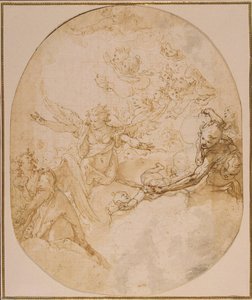
federico zuccaro
1539 - 1609
Основные сведения
- Artistic Movement Or Style: Mannerism
- Artists Or Movements Influenced By This Artist: ['Bartolomeo Carducci']
- Artists Who Influenced This Artist:
- Giorgio Vasari
- Taddei Zuccaro
- Date Of Birth: 1539
- Date Of Death: 1609
- Full Name: Federico Zuccaro
- Nationality: Italian
- Notable Artworks:
- The Last Judgment
- Saint Jerome in His Study
- Place Of Birth: Rome, Italy