 Поделиться
 Поделиться
 Детали произведения

 Скачать
 Похожие работы
 Слайд-шоу
 Статистика
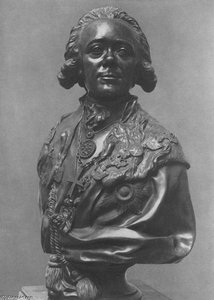
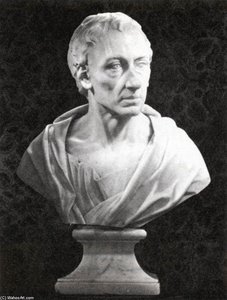
Bust of A. M. Golitzin


 Читать далее
Масляная репродукция ручной работы
Картина маслом на холсте в выбранном вами размере и раме, написанная на заказ нашими художниками. ( Перейти к печати Перейти к цифровым изображениям)




































Выберите один из наших стандартных размеров, соответствующих оригинальным пропорциям произведения искусства.

Вы можете указать собственные размеры, чтобы картина идеально вписалась в выбранную раму или пространство. Если выбранный вами размер не соответствует пропорциям оригинала, мы либо обрежем полотно, либо расширим его за счет дополнительных элементов, написанных вручную. Цифровой макет будет отправлен вам на утверждение перед началом производства.
Обратите внимание, что предварительный просмотр на экране не отражает фактическую обрезку или расширение. Только макет точно покажет окончательную композицию.
Хотя доступны индивидуальные размеры, мы рекомендуем выбирать вариант из предопределенного списка, чтобы сохранить исходные пропорции.
После оформления заказа команда ArtsDot.com свяжется с клиентом по электронной почте для уточнения деталей и предоставит предварительный макет
Доставка по всему миру () за 3–4 недели вместо стандартных 5 недель. (11 Сентябрь). Без компромиссов в качестве.

Бесплатная экспресс-доставка по всему миру

Высококачественный льняной холст

Полное страхование доставки

Гарантия возмещения таможенных пошлин

Гарантия точного соответствия цветов

100-дневная политика возврата (только при обнаружении дефектов)

Гарантия возврата 100% средств

Предложение оптовых скидок
 Вариант со стеклом доступен только для размеров менее 110 см

Bust of A. M. Golitzin
Техника репродукции
Размер репродукции
-


Итоговая стоимость
$ 263
Bust of A. M. Golitzin – Fedot Ivanovich Shubin
Fedot Ivanovich Shubin (1740–1805), Russia’s foremost 18th-century sculptor, stands as a monumental figure in neoclassical art, celebrated for his exquisitely crafted portrait busts and statues that immortalized prominent individuals of his era. Among his prolific output, the “Bust of A. M. Golitzin,” completed around 1775, remains an enduring testament to Shubin’s mastery of form and technique—a piece that continues to captivate audiences with its serene beauty and subtle psychological depth. This essay delves into the artistic significance of this sculpture, exploring its historical context, stylistic influences, meticulous craftsmanship, and profound emotional resonance.Historical Context: The Enlightenment and Portraiture
The bust’s creation coincided with the flourishing of the Enlightenment in Russia, a period marked by intellectual curiosity, philosophical debate, and an emphasis on rational observation—values that profoundly shaped artistic sensibilities. Portrait busts were particularly fashionable during this time, serving as symbols of status, wealth, and erudition. Artists sought to capture not merely physical likeness but also the inner character of their subjects, reflecting the Enlightenment’s fascination with psychological realism. The Golitzin bust exemplifies this trend, presenting a contemplative gaze that invites viewers to contemplate the sitter's thoughts and emotions—a characteristic hallmark of neoclassical portraiture.Stylistic Influences: Neoclassical Idealization
Shubin’s artistic vision was firmly rooted in the neoclassical movement, which drew inspiration from ancient Greek and Roman sculpture as models for beauty and harmony. Like many artists of his time, Shubin adhered to strict canons of proportion and idealized representation—rejecting Rococo frivolity in favor of a disciplined aesthetic that prioritized clarity and restraint. The bust’s smooth, flowing lines—particularly evident in the contours of Golitzin's face and neck—are characteristic of neoclassical sculpture, conveying an impression of effortless grace and elegance. Furthermore, the sculptor skillfully employed circular shapes within the wig and collar, mirroring classical decorative motifs and reinforcing the sculpture’s sense of balance and symmetry.Technique: Marble Sculpture – Precision and Texture
The Golitzin bust is executed in marble—a material chosen for its durability and ability to capture subtle tonal variations—demonstrating Shubin's exceptional technical skill. The sculptor painstakingly carved the marble, utilizing chisels and hammers with meticulous precision to achieve an astonishing level of detail. Close examination reveals a remarkable surface texture—characterized by delicate ridges and subtle imperfections—that imparts a palpable sense of realism to the sculpture. This textural richness is achieved through careful polishing techniques that accentuate the marble’s natural luminosity, enhancing its visual impact and conveying a feeling of timeless beauty.Symbolism: Dignity and Reflection
Beyond its formal qualities, the Golitzin bust carries symbolic significance—reflecting the values of Enlightenment thought and embodying ideals of noble character. The sitter's gaze directs inward, suggesting contemplation and introspection—a gesture that speaks to the humanist spirit of the era. Moreover, the sculpture’s serene expression conveys a sense of dignity and composure—affirming Golitzin’s status as a respected statesman and intellectual. Shubin’s masterful depiction captures not only physical likeness but also psychological depth, elevating the bust beyond mere representation into an enduring emblem of human intellect and virtue.Emotional Impact: A Moment Frozen in Time
Ultimately, the “Bust of A. M. Golitzin” transcends its material form to evoke a powerful emotional response—capturing a fleeting moment frozen in time with breathtaking accuracy. The sculpture’s stillness invites viewers to pause and contemplate the sitter's inner life—creating an experience that is both intellectually stimulating and aesthetically rewarding. Like all great works of art, it speaks across centuries, reminding us of the enduring power of beauty and the importance of preserving cultural heritage. Its legacy continues to inspire admiration for Shubin’s artistic genius and its profound reflection on human nature ensures its place among the masterpieces of neoclassical sculpture.Похожие произведения
Биография художника
Philip James de Loutherbourg: A Pioneer of Theatrical Illusion and Landscape Painting
Born in Strasbourg, France, in 1740, Philip James de Loutherbourg’s life was a fascinating blend of artistic pursuits, theatrical innovation, and scientific curiosity. His early training under Carle van Loo and Giovanni Battista Casanova in Paris laid the foundation for his skills as a landscape painter, but it was his subsequent move to London in 1771 that truly cemented his legacy. Loutherbourg’s career wasn't defined by a single medium; instead, he masterfully navigated the evolving artistic landscape of the late 18th century, becoming a pivotal figure in both painting and theatrical design.
Initially gaining recognition for his landscapes – often characterized as ‘stagy’ yet imbued with a vibrant sense of the Picturesque and Sublime – Loutherbourg quickly established himself within the Royal Academy exhibitions. However, it was his work at Drury Lane Theatre under David Garrick that propelled him to international acclaim. Garrick recognized Loutherbourg's inventive spirit and commissioned him to design spectacular stage sets, transforming the theatre into a realm of illusion and wonder. These weren’t merely backdrops; they were meticulously crafted environments, incorporating innovative techniques like painted scenery that appeared to recede into the distance, creating an unprecedented sense of depth and realism. His Eidophusikon, a theatrical entertainment showcasing elaborate mechanical devices and fantastical scenes, was a resounding success, demonstrating his ability to blend art, engineering, and spectacle.
The Influence of Garrick and Sheridan
Loutherbourg’s relationship with David Garrick was particularly significant. Garrick's retirement in 1776 didn't mark the end of Loutherbourg’s theatrical career; instead, he continued to design for Richard Brinsley Sheridan, a protégé of Garrick’s, at Drury Lane. This succession demonstrated the enduring value of Loutherbourg’s designs and his ability to adapt his vision to new artistic sensibilities. Sheridan's influence likely encouraged further experimentation with illusionistic techniques, pushing the boundaries of theatrical spectacle.
Beyond the theatre, Loutherbourg maintained a strong interest in landscape painting. His travels throughout England and Wales provided him with an extensive repertoire of subjects, capturing the diverse beauty of the British countryside. His paintings weren’t simply representations of scenery; they were infused with a sense of movement and atmosphere, reflecting his theatrical background and his fascination with creating immersive experiences for the viewer.
Scientific Curiosity and Later Works
Loutherbourg's artistic pursuits were intertwined with a deep-seated scientific curiosity. He was fascinated by optics, mechanics, and the principles of illusion – all of which informed his work in both painting and theatre. In the 1780s, he turned to instrument making, demonstrating a remarkable versatility and a desire to understand the mechanisms behind visual perception. This shift is often linked to a period of disillusionment with faith healing, during which he abandoned art for religious practice before returning to his artistic endeavors.
His later works increasingly focused on history painting, depicting battle scenes and biblical narratives with a dramatic flair reminiscent of his theatrical designs. He meticulously researched historical events and employed a dynamic composition style that captured the energy and chaos of warfare. Loutherbourg’s final major project was the publication of two illustrated volumes: *The Picturesque Scenery of Great Britain* (1801) and *The Romantic and Picturesque Scenery of England and Wales* (1805). These collections showcased his artistic skill and provided a valuable record of the British landscape during his time.
Legacy and Historical Significance
Philip James de Loutherbourg’s contribution to art history is multifaceted. He was a pioneer in theatrical design, revolutionizing stagecraft with his innovative use of illusion and spectacle. His work at Drury Lane set a new standard for theatrical production, influencing generations of designers. Furthermore, he demonstrated the interconnectedness of art, science, and technology, embodying the spirit of Enlightenment inquiry.
Loutherbourg’s legacy extends beyond his individual achievements. He helped to establish landscape painting as a respected genre, challenging the dominance of Italianate styles and paving the way for Romanticism. His emphasis on capturing atmosphere and emotion in his paintings resonated with contemporary viewers and continues to inspire artists today. Born in 1740 and dying in 1812, he left an indelible mark on both the world of theatre and the landscape art scene.
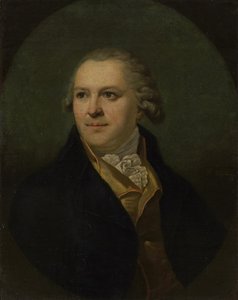
fedot ivanovich shubin
1740 - 1805 , Russia
Основные сведения
- Artistic Movement Or Style: Stage design, landscape
- Artists Or Movements Influenced By This Artist:
- Richard Brinsley Sheridan
- Picturesque movement
- Artists Who Influenced This Artist:
- Carle van Loo
- Giovanni Battista Casanova
- Date Of Birth: 1740
- Date Of Death: 1812
- Full Name: Philip James de Loutherbourg
- Nationality: French
- Notable Artworks:
- Eidophusikon designs
- Royal Academy landscapes
- Place Of Birth: Strasbourg, France
Похожие статьи
Antonio Canova: Neoclassical Sculpture & the Pursuit of Emotional Perfection
Explore the life & art of Antonio Canova, the greatest Neoclassical sculptor. Discover his masterpieces, innovative techniques, and lasting influence on fine art collecting. Expert insights for discerning investors.

10 легендарных бронзовых скульптур, изменивших искусство навсегда | ArtsDot
Погрузитесь в мир великих бронзовых скульптур! От Давида Микеланджело до работ Родена – история искусства, техники и вдохновения. Купите репродукции шедевров для вашего интерьера на ArtsDot.com

The Enduring Form: Sculpture Across History, Technique & Emotional Resonance
Explore the rich history of sculpture with ArtsDot. Discover key techniques, influential artists & investment potential for discerning collectors. Expert insights into valuing and collecting timeless masterpieces.
The Enduring Allure of Marble in Art History: From Classical Sculpture to Modern Abstraction
Explore the captivating history of marble sculpture from ancient Greece to modern art. Discover renowned artists like Canova & Michelangelo, carving techniques, and investment insights at ArtsDot.

The Enduring Form: Exploring Themes & Techniques in Sculpture Across Historical Periods
Explore the rich history of sculpture from ancient masterpieces to contemporary innovations. Discover key techniques, influential artists & investment potential for discerning art collectors.