

 Поделиться
 Поделиться
 Детали произведения

 Скачать
 Похожие работы
 Слайд-шоу
 Статистика
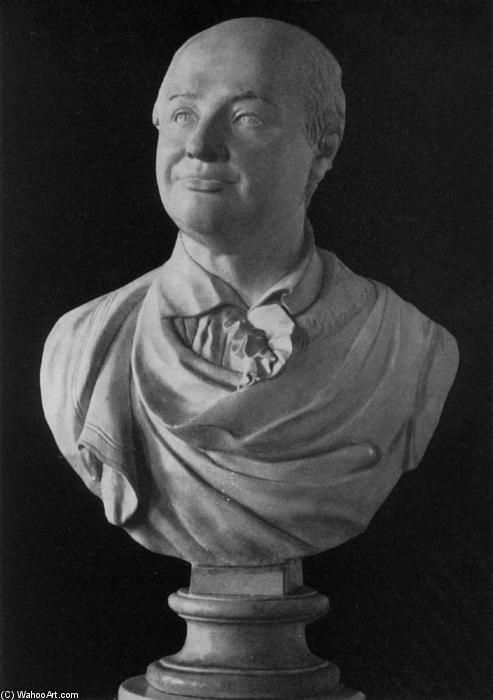
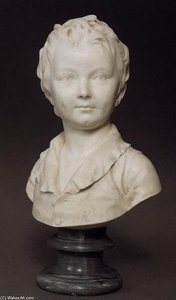
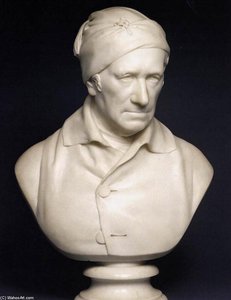
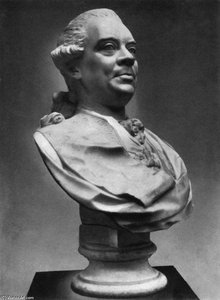
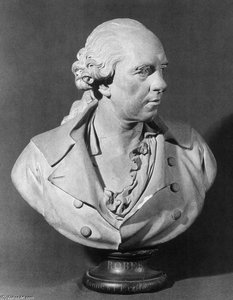
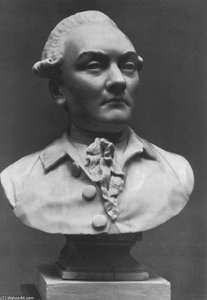
Bust of Lomonosov


 Читать далее
Приобретите цифровое изображение высокого разрешения в улучшенном качестве, которое значительно превосходит онлайн-превью.
Каждый файл тщательно подготавливается нашими специалистами с использованием передовых инструментов и экспертной ручной ретуши. Мы гарантируем исключительную четкость, точную цветопередачу и детальную проработку каждого изображения.
Финальный файл доставляется по электронной почте в течение 72 часов и оптимизирован для немедленного использования в профессиональной среде, при верстке и печати. Это тот же уровень качества, которому доверяют ведущие дизайнерские студии, издательства и галереи.
Цифровое изображение
Скачайте файл высокого разрешения для личного использования, печати и творческих проектов. ( Перейти к печати Купить картину ручной работы)
Включено в каждый заказ цифровых изображений
Гарантия экспертной цифровой доставки
Выбирая ArtsDot.com, вы получаете не просто изображение — вы приобретаете профессионально обработанное цифровое произведение искусства, созданное с безупречной точностью и под защитой гарантии качества. Вот всё, что автоматически входит в ваш заказ:

Мгновенная доставка по e-mail
Ваш цифровой файл в высоком разрешении будет отправлен вам по электронной почте в течение 72 часов после оформления заказа — и сразу станет доступен для использования.

Цифровой файл с ИИ-улучшением
Ваше произведение искусства проходит профессиональную оптимизацию с использованием передовых инструментов ИИ и ручной обработки, что гарантирует максимальную детализацию, четкость и точность цветопередачи.

Бессрочная бесплатная повторная доставка
Случайно удалили или потеряли файл? Не беспокойтесь — мы отправим его вам повторно в любое время и совершенно бесплатно.

Без импортных пошлин — навсегда
Наслаждайтесь вашим произведением искусства мгновенно без таможенных пошлин, сборов или затрат на доставку — цифровые загрузки всегда не облагаются налогом.

Гарантия точности цветопередачи
Мы гарантируем, что ваше цифровое изображение максимально точно передает оригинальные цвета благодаря использованию профессиональных инструментов и систем управления цветом.

Гарантия удовлетворенности 100 дней
Если вы не будете удовлетворены своим цифровым изображением, мы внесем правки или вернем 100% стоимости в течение 100 дней — без лишних вопросов.

100% Гарантия возврата средств
Не удовлетворены покупкой? Получите полный возврат средств в течение 100 дней после получения цифрового файла — без лишних вопросов.

Скидки на оптовые заказы
Купите 3 изображения, сэкономьте 10% — Купите 5, сэкономьте 15% — Купите 10+, сэкономьте 20%. Отличное решение для творческих проектов, галерей и агентств.
Похожие произведения
Биография художника
Philip James de Loutherbourg: A Pioneer of Theatrical Illusion and Landscape Painting
Born in Strasbourg, France, in 1740, Philip James de Loutherbourg’s life was a fascinating blend of artistic pursuits, theatrical innovation, and scientific curiosity. His early training under Carle van Loo and Giovanni Battista Casanova in Paris laid the foundation for his skills as a landscape painter, but it was his subsequent move to London in 1771 that truly cemented his legacy. Loutherbourg’s career wasn't defined by a single medium; instead, he masterfully navigated the evolving artistic landscape of the late 18th century, becoming a pivotal figure in both painting and theatrical design.
Initially gaining recognition for his landscapes – often characterized as ‘stagy’ yet imbued with a vibrant sense of the Picturesque and Sublime – Loutherbourg quickly established himself within the Royal Academy exhibitions. However, it was his work at Drury Lane Theatre under David Garrick that propelled him to international acclaim. Garrick recognized Loutherbourg's inventive spirit and commissioned him to design spectacular stage sets, transforming the theatre into a realm of illusion and wonder. These weren’t merely backdrops; they were meticulously crafted environments, incorporating innovative techniques like painted scenery that appeared to recede into the distance, creating an unprecedented sense of depth and realism. His Eidophusikon, a theatrical entertainment showcasing elaborate mechanical devices and fantastical scenes, was a resounding success, demonstrating his ability to blend art, engineering, and spectacle.
The Influence of Garrick and Sheridan
Loutherbourg’s relationship with David Garrick was particularly significant. Garrick's retirement in 1776 didn't mark the end of Loutherbourg’s theatrical career; instead, he continued to design for Richard Brinsley Sheridan, a protégé of Garrick’s, at Drury Lane. This succession demonstrated the enduring value of Loutherbourg’s designs and his ability to adapt his vision to new artistic sensibilities. Sheridan's influence likely encouraged further experimentation with illusionistic techniques, pushing the boundaries of theatrical spectacle.
Beyond the theatre, Loutherbourg maintained a strong interest in landscape painting. His travels throughout England and Wales provided him with an extensive repertoire of subjects, capturing the diverse beauty of the British countryside. His paintings weren’t simply representations of scenery; they were infused with a sense of movement and atmosphere, reflecting his theatrical background and his fascination with creating immersive experiences for the viewer.
Scientific Curiosity and Later Works
Loutherbourg's artistic pursuits were intertwined with a deep-seated scientific curiosity. He was fascinated by optics, mechanics, and the principles of illusion – all of which informed his work in both painting and theatre. In the 1780s, he turned to instrument making, demonstrating a remarkable versatility and a desire to understand the mechanisms behind visual perception. This shift is often linked to a period of disillusionment with faith healing, during which he abandoned art for religious practice before returning to his artistic endeavors.
His later works increasingly focused on history painting, depicting battle scenes and biblical narratives with a dramatic flair reminiscent of his theatrical designs. He meticulously researched historical events and employed a dynamic composition style that captured the energy and chaos of warfare. Loutherbourg’s final major project was the publication of two illustrated volumes: *The Picturesque Scenery of Great Britain* (1801) and *The Romantic and Picturesque Scenery of England and Wales* (1805). These collections showcased his artistic skill and provided a valuable record of the British landscape during his time.
Legacy and Historical Significance
Philip James de Loutherbourg’s contribution to art history is multifaceted. He was a pioneer in theatrical design, revolutionizing stagecraft with his innovative use of illusion and spectacle. His work at Drury Lane set a new standard for theatrical production, influencing generations of designers. Furthermore, he demonstrated the interconnectedness of art, science, and technology, embodying the spirit of Enlightenment inquiry.
Loutherbourg’s legacy extends beyond his individual achievements. He helped to establish landscape painting as a respected genre, challenging the dominance of Italianate styles and paving the way for Romanticism. His emphasis on capturing atmosphere and emotion in his paintings resonated with contemporary viewers and continues to inspire artists today. Born in 1740 and dying in 1812, he left an indelible mark on both the world of theatre and the landscape art scene.
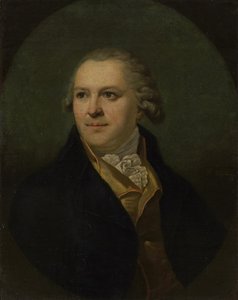
fedot ivanovich shubin
1740 - 1805 , Russia
Основные сведения
- Artistic Movement Or Style: Stage design, landscape
- Artists Or Movements Influenced By This Artist:
- Richard Brinsley Sheridan
- Picturesque movement
- Artists Who Influenced This Artist:
- Carle van Loo
- Giovanni Battista Casanova
- Date Of Birth: 1740
- Date Of Death: 1812
- Full Name: Philip James de Loutherbourg
- Nationality: French
- Notable Artworks:
- Eidophusikon designs
- Royal Academy landscapes
- Place Of Birth: Strasbourg, France