

 Поделиться
 Поделиться
 Детали произведения

 Скачать
 Похожие работы
 Слайд-шоу
 Статистика
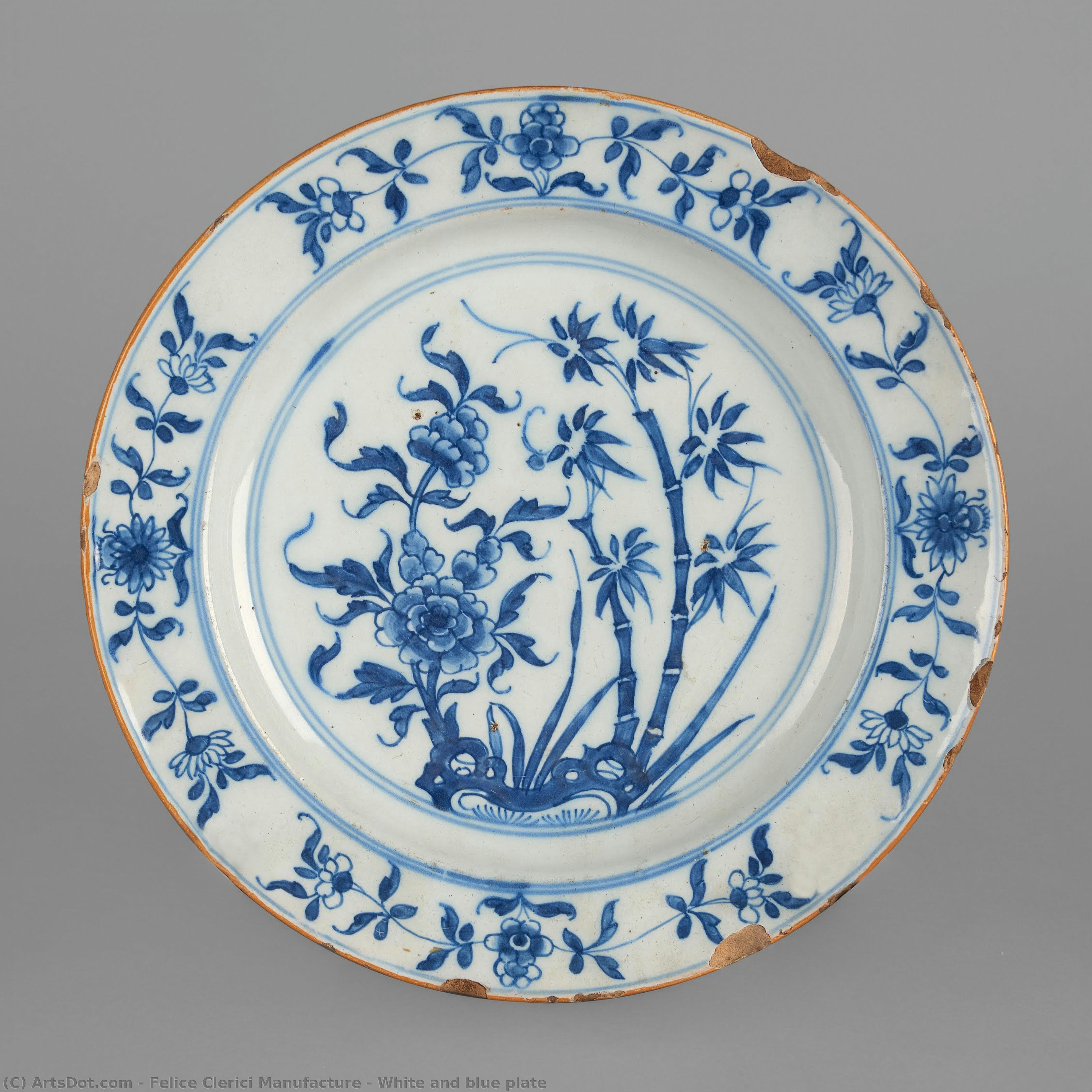
White and blue plate


 Читать далее
Масляная репродукция ручной работы
Картина маслом на холсте в выбранном вами размере и раме, написанная на заказ нашими художниками. ( Перейти к печати Перейти к цифровым изображениям)




































Выберите один из наших стандартных размеров, соответствующих оригинальным пропорциям произведения искусства.

Вы можете указать собственные размеры, чтобы картина идеально вписалась в выбранную раму или пространство. Если выбранный вами размер не соответствует пропорциям оригинала, мы либо обрежем полотно, либо расширим его за счет дополнительных элементов, написанных вручную. Цифровой макет будет отправлен вам на утверждение перед началом производства.
Обратите внимание, что предварительный просмотр на экране не отражает фактическую обрезку или расширение. Только макет точно покажет окончательную композицию.
Хотя доступны индивидуальные размеры, мы рекомендуем выбирать вариант из предопределенного списка, чтобы сохранить исходные пропорции.
После оформления заказа команда ArtsDot.com свяжется с клиентом по электронной почте для уточнения деталей и предоставит предварительный макет
Доставка по всему миру () за 3–4 недели вместо стандартных 5 недель. (11 Сентябрь). Без компромиссов в качестве.

Бесплатная экспресс-доставка по всему миру

Высококачественный льняной холст

Полное страхование доставки

Гарантия возмещения таможенных пошлин

Гарантия точного соответствия цветов

100-дневная политика возврата (только при обнаружении дефектов)

Гарантия возврата 100% средств

Предложение оптовых скидок
 Вариант со стеклом доступен только для размеров менее 110 см

White and blue plate
Техника репродукции
Размер репродукции
-


Итоговая стоимость
$ 263
A Symphony in Cobalt and Porcelain White
In the delicate dance of light and glaze, the White and blue plate emerges as a breathtaking testament to the era when the Orient first began to enchant the European imagination. This exquisite ceramic piece, dating back to approximately 1700, serves as a window into a time of profound cultural exchange. The plate is characterized by a luminous, slightly blue tin glaze that provides a serene, ethereal canvas for its intricate ornamentation. At its heart lies an oriental floral composition, where the graceful, sweeping lines of bamboo meet the lush, opulent petals of peonies. This central motif is framed by a rhythmic repetition of floral patterns along the brim, creating a sense of balanced movement that draws the eye inward toward the soul of the artwork.
The visual experience of this piece is one of profound tranquility and meticulous craftsmanship. The interplay of deep cobalt blues against the crisp, white ceramic surface evokes the clarity of a summer sky, while the subtle inclusion of green, yellow, and red accents within the floral details adds a layer of vibrant life to the composition. For the discerning collector or interior designer, this plate represents more than mere decoration; it is a sculptural element that brings a sense of historical weight and sophisticated elegance to any space. The glossy finish of the ceramic material catches the light, highlighting the masterful application of pigment and the fluid, organic shapes that define its aesthetic.
The Legacy of Milanese Innovation
To understand the true value of this plate, one must look toward the visionary spirit of the Felice Clerici Manufacture. Established in Milan around 1745, Clerici’s workshop was a pioneer in the art of translation—taking the distant, exotic allure of Chinese and Japanese porcelain and reimagining it through the lens of Italian faience. This plate embodies that very ambition: the desire to capture the prestige of Eastern imports and cultivate a local tradition of excellence. The technique used here reflects a sophisticated mastery of tin-glazing, a method that allowed Milanese artisans to achieve the brilliant, opaque white surfaces necessary to mimic the precious porcelain arriving via the Silk Road.
The historical context of this piece is deeply rooted in the prestige of Italian palaces and villas. During this period, owning ceramics that echoed Asian motifs was a profound symbol of wealth, global awareness, and refined taste. By studying the way Clerici’s artisans integrated bamboo and peony—symbols of longevity and prosperity—into their local production, we see the birth of a new European aesthetic. For those seeking to adorn a contemporary home with a high-quality reproduction, this artwork offers an opportunity to possess a piece of history that bridges the gap between the ancient traditions of the East and the burgeoning industrial artistry of the Italian Renaissance maiolica tradition.
Похожие произведения


Биография художника
The Pioneering Spirit of Felice Clerici: Milanese Ceramics and the Echoes of Asia
Felice Clerici, a name perhaps less celebrated than some of his artistic contemporaries, occupies a pivotal position in the history of Italian ceramics. While biographical details remain somewhat sparse, his legacy is indelibly etched into the development of faience production in 18th-century Milan. Clerici wasn’t a painter or sculptor in the traditional sense; he was an entrepreneur, a visionary who recognized a burgeoning market and skillfully capitalized on it by establishing one of the earliest factories dedicated to imitating the coveted porcelain arriving from the East. Around 1745, Clerici founded his workshop in Milan, responding to a growing European fascination with Chinese and Japanese ceramics – objects that represented not only exquisite craftsmanship but also exoticism and wealth. His factory wasn’t simply about replication; it was an attempt to translate a distant aesthetic into a locally produced art form, accessible to a wider clientele. This ambition marked the beginning of a significant chapter in Italian decorative arts.A Workshop Inspired by Distant Shores
The impetus behind Clerici's venture lay in the immense popularity – and expense – of imported porcelain. European courts and affluent households clamored for these delicate wares, but their high cost made them unattainable for many. Clerici’s genius was to offer an alternative: *faience*, a tin-glazed earthenware that, while distinct from true porcelain, could convincingly mimic its appearance and decorative motifs. The early productions of the Clerici manufactory were remarkably faithful copies of Asian models. The shapes – teapots, plates, bowls, and serving dishes – directly echoed those found in Chinese export ware. More importantly, Clerici’s artisans meticulously reproduced the intricate scenes adorning these porcelain pieces: landscapes populated with pagodas, figures engaged in daily life, and stylized floral patterns. This wasn't merely a technical exercise; it required a keen understanding of Asian artistic conventions and a skilled hand to translate them onto a different medium. The factory quickly gained recognition for its ability to capture the essence of Oriental design, becoming a sought-after source for those desiring an Eastern aesthetic without the prohibitive price tag.Technique and Artistic Development
Clerici’s success wasn't solely based on imitation. While initially focused on replicating existing designs, the manufactory gradually began to incorporate its own stylistic flourishes. The artisans experimented with different color palettes, moving beyond the traditional blue-and-white schemes towards more vibrant hues and complex compositions. The quality of the tin glaze was also a crucial factor; Clerici’s workshop developed techniques for achieving a smooth, luminous surface that enhanced the brilliance of the painted decoration. Maiolica, another Italian ceramic tradition, likely influenced the factory's approach to glazing and firing. The scenes depicted on Clerici faience evolved over time, reflecting not only Asian motifs but also elements of Italian landscape and genre painting. This fusion of Eastern inspiration and local artistic sensibilities resulted in a unique style that distinguished Milanese faience from other European productions. The workshop employed skilled painters who were adept at both copying existing designs and creating original compositions, demonstrating a remarkable level of versatility.Historical Significance and Lasting Legacy
The Clerici manufactory played a crucial role in establishing Milan as a center for ceramic production during the 18th century. It not only satisfied domestic demand but also exported its wares to other parts of Europe, contributing to the spread of Italian decorative arts. The factory’s influence can be seen in the work of subsequent ceramic workshops that emerged in and around Milan. The imitation of Asian porcelain was a widespread phenomenon throughout Europe, but Clerici's workshop stands out for its early adoption of this practice and its commitment to quality and innovation. Furthermore, the factory’s success helped to foster a broader appreciation for Eastern art and culture within Italy. While the manufactory eventually evolved and changed hands over time, its origins in Felice Clerici’s pioneering vision remain central to its historical significance. Today, examples of Clerici faience are highly prized by collectors and museums, serving as tangible reminders of a fascinating period in Italian artistic history – a moment when East met West in the delicate curves and vibrant colors of Milanese ceramics.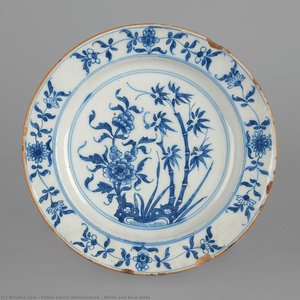
Основные сведения
- Artistic Movement Or Style: Milan faience
- Date Of Death: Living
- Full Name: Felice Clerici Manufacture
- Notable Artworks: ['White and blue plate']
Похожие статьи

The Subtleties of White: Exploring Absence, Light & Symbolism in Art History
Explore the profound symbolism & history of white in art! From ancient purity to modern abstraction, discover how artists have used absence & light. Expert insights from ArtsDot.

Azure Visions: Exploring Representations of the Blue Dress in Western Art History
Explore the rich history of the blue dress in Western art! Discover its symbolism, from Renaissance masterpieces to modern interpretations by artists like Martin & Schiele. Uncover cultural meanings and artistic techniques.

Белые шедевры: 10 знаменитых картин, покоривших мир (репродукции, декор)
Откройте для себя 10 знаменитых картин, где белый цвет – главный герой! Моне, Дега и другие мастера. История искусства, техники живописи и вдохновение для вашего интерьера. Репродукции высокого качества на ArtsDot.com
Топ-10 знаменитых картин в оттенках серо-голубого: искусство и декор от ArtsDot
Погрузитесь в мир серо-голубых оттенков! От Моне до Ренуара – 10 знаменитых картин, вдохновляющих на создание уникального интерьера. Репродукции высокого качества от ArtsDot.com. Explore the full collection online!
The Allure of Azure: Exploring the Symbolic & Aesthetic Depths of Blue in Art History
Explore the rich history of blue in art! Discover its symbolism, from ancient pigments to modern masterpieces by Kandinsky & Seurat. Uncover the psychological impact and cultural meanings behind this captivating hue.