

 Предпросмотр
 Поделиться
 Поделиться
 Детали произведения

 Скачать
 Похожие работы
 Рентгенография
 Слайд-шоу
 Статистика
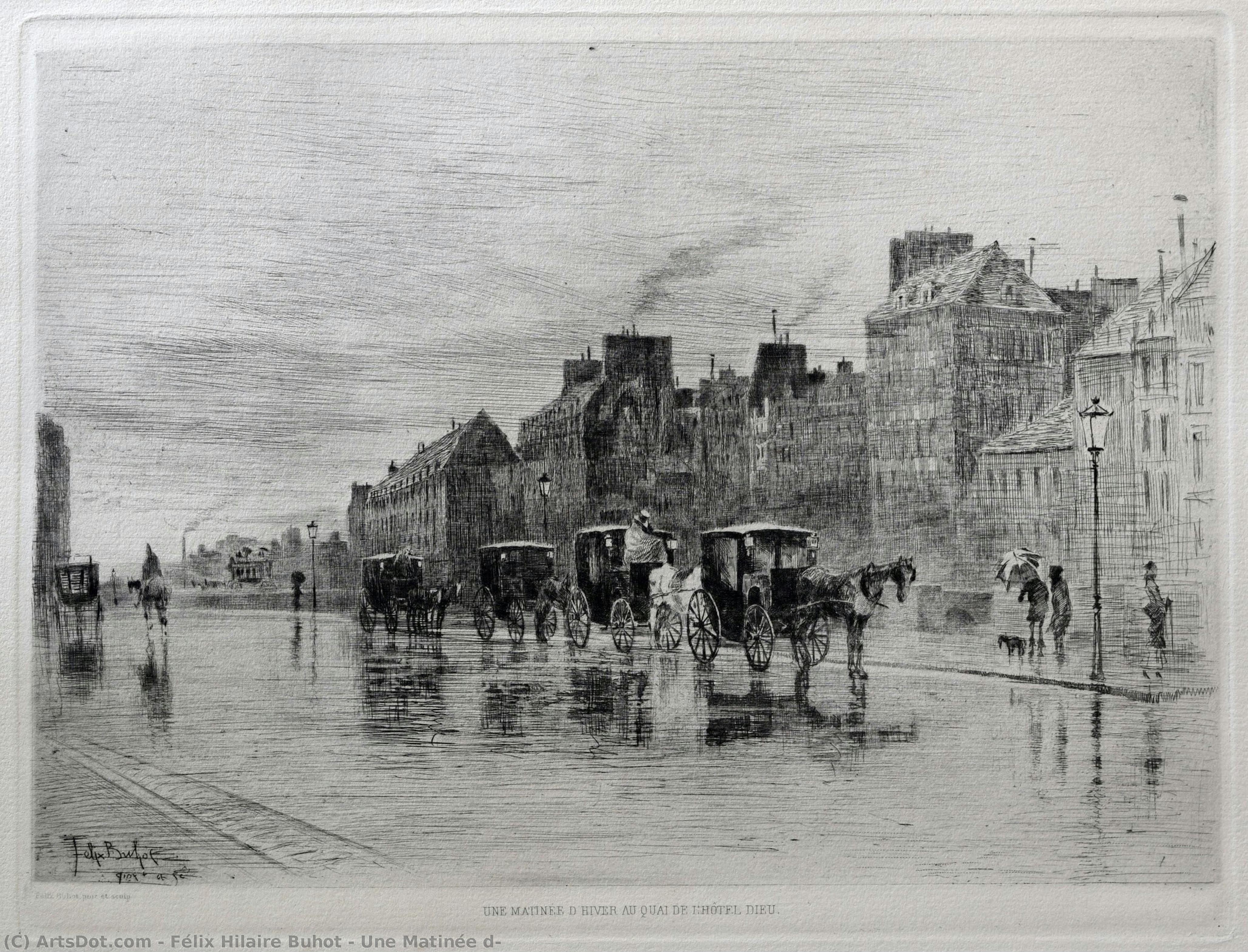
Une Matinée d


 Читать далее
Жикле / Арт-принт
Печать (жикле) или холст музейного качества с быстрыми сроками изготовления и широким выбором вариантов отделки. ( Купить картину ручной работы Перейти к цифровым изображениям)




































Выберите один из наших стандартных размеров, соответствующих оригинальным пропорциям произведения искусства.

Вы можете указать свои собственные размеры, чтобы репродукция идеально подошла под конкретную раму или пространство. Если выбранный вами размер не будет соответствовать пропорциям оригинала, мы либо обрежем произведение, либо дополним изображение зеркальным отражением краев или однотонной заливкой. Перед началом производства вам будет отправлен цифровой макет для утверждения.
Пожалуйста, обратите внимание, что предварительный просмотр на экране не отображает фактическую обрезку или расширение изображения. Только макет точно покажет финальную композицию.
Несмотря на возможность заказа индивидуальных размеров, мы рекомендуем выбирать размер из предопределенного списка, чтобы сохранить оригинальные пропорции.
Доставка по всему миру () за 2 недели вместо стандартных 4/5 недель. (10 Сентябрь)

Бесплатная экспресс-доставка по всему миру

Высококачественный льняной холст

Полное страхование доставки

Гарантия возмещения таможенных пошлин

Гарантия точного соответствия цветов

100-дневная политика возврата (только при обнаружении дефектов)

Гарантия возврата 100% средств

Предложение оптовых скидок
 Вариант со стеклом доступен только для размеров менее 110 см

Une Matinée d
Жикле / Арт-принт
Размер репродукции
-


Итоговая стоимость
$ 62
Похожие произведения







Биография художника
Félix Buhot: Capturing Parisian Atmosphere Through Etching
Félix Hilaire Buhot (July 9, 1847 – April 26, 1898) was a French painter and illustrator whose distinctive style—characterized by atmospheric landscapes and meticulous depictions of urban life—established him as one of the most prominent printmakers of his era. Born in Valognes, Normandy, Buhot’s artistic journey began with an early fascination for drawing and painting, nurtured by his father, Florentin Louis Buhot, a sculptor himself. He married Henriette Johnston in 1873, forming a creative partnership that profoundly shaped his artistic vision. Together they raised Jean Buhot, who would later become a celebrated painter in his own right.- Early Influences: Buhot’s formative years coincided with the burgeoning Impressionist movement, exposing him to innovative techniques and perspectives on capturing fleeting moments of light and color. However, unlike many Impressionists who focused primarily on painting, Buhot honed his skills in etching, a medium he skillfully revived from its relative obscurity during the late nineteenth century.
- Technique & Style: Buhot’s approach to printmaking was revolutionary. He meticulously studied seventeenth-century etching methods—particularly mezzotint—and adapted them with remarkable precision. His prints weren't merely reproductions of scenes; they were immersive experiences designed to evoke specific moods and sensations. He achieved this through layering multiple plates, utilizing subtle tonal gradations, and employing techniques like scraping and stumping to create textured surfaces that mirrored the effects of weather – rain, snow, mist, and fog—with astonishing accuracy.
Parisian Landscapes & Urban Portraits: A Visionary Eye
Buhot’s artistic inspiration stemmed largely from his immediate surroundings in Montmartre, Paris. He captured the vibrant pulse of city life not only during different seasons but also at pivotal moments—festive celebrations like Bastille Day and solemn occasions such as funerals—presenting scenes with remarkable sensitivity and detail. His prints frequently depicted iconic locations like Westminster Palace and Dinard’s harbor, showcasing his ability to translate atmospheric conditions into visual representations.
- Notable Prints: Among Buhot's most celebrated works are “Matinée d’automne” (“Morning Mist”), “Le Petit Chasseur” (“Little Hunter”), and “Victoria Clock Tower London,” each demonstrating his mastery of etching technique and his profound understanding of visual storytelling.
Critical Recognition & Artistic Legacy
Buhot's prints garnered considerable acclaim during the annual Salons between 1875 and 1886, securing him a loyal following among collectors and critics alike. His success extended beyond France; he achieved international recognition after his debut exhibition in New York City in 1888, organized by Frederick Keppel, attracting significant attention from American art enthusiasts.
- Influence & Innovation: Buhot’s pioneering use of etching techniques profoundly impacted the artistic landscape of his time. He became one of the most admired printmakers of his generation, establishing a lasting legacy as an innovator who revitalized a traditional medium and elevated printmaking to new heights of expressive power.
Further Exploration
For more information about Félix Buhot’s life and work, visit Musée Félix Ziem in Martigues, France – home to over 8,000 paintings by Ziem & Fauvist artists—where free admission awaits! Explore resources at Musée Félix Ziem and delve into research materials available on Felix Buhot’s Artists Database.
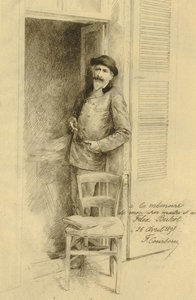
félix hilaire buhot
1847 - 1898 , France
Основные сведения
- Artistic Movement Or Style: Romanticism
- Artists Or Movements Influenced By This Artist: ['Impressionism']
- Artists Who Influenced This Artist:
- Gustave Courbet
- Jean-François Millet
- Date Of Birth: July 9, 1847
- Date Of Death: April 26, 1898
- Full Name: Félix Hilaire Buhot
- Nationality: French
- Notable Artworks:
- Matinée d'automne (Le petit chasseur)
- Victoria Clock Tower London
- Place Of Birth: Valognes, France