 Предпросмотр
 Поделиться
 Поделиться
 Детали произведения

 Скачать
 Похожие работы
 Рентгенография
 Слайд-шоу
 Статистика
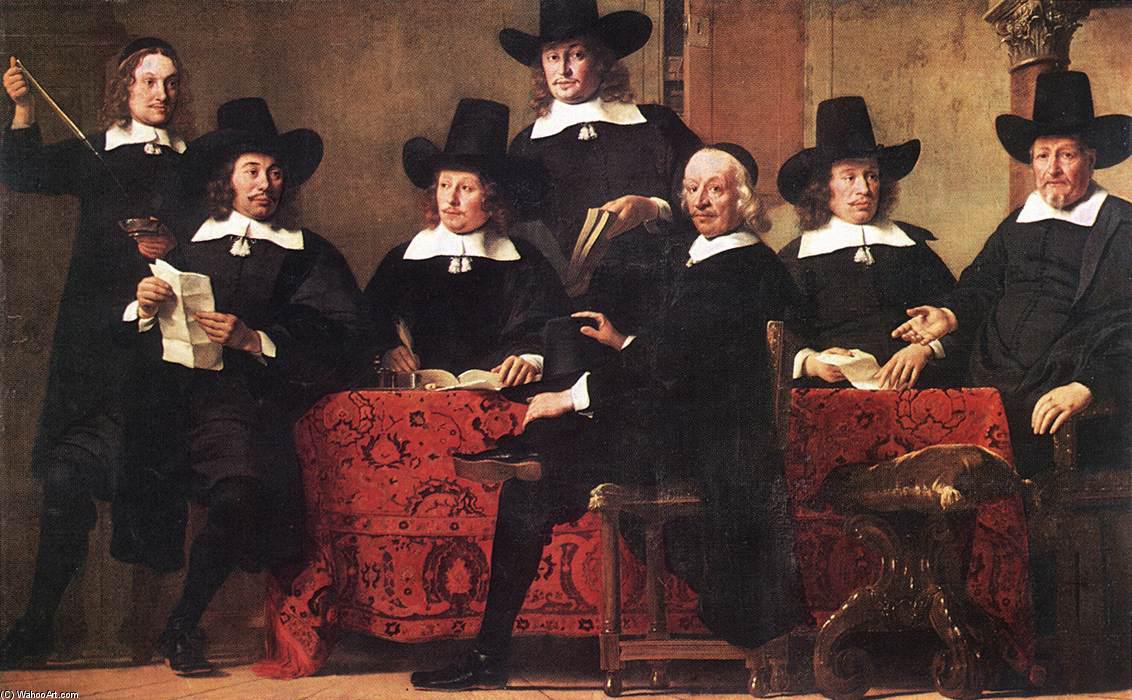
Governors of the Wine Merchant's Guild
 Oil On Canvas
- WallArt
- Dutch Golden Age
 193.0 x 305.0 cm
 Альте Пинакотека
 Читать далее
Масляная репродукция ручной работы
Картина маслом на холсте в выбранном вами размере и раме, написанная на заказ нашими художниками. ( Перейти к печати Перейти к цифровым изображениям)




P118B $10

P118H $10

P118W $10

P438Z $10

P508JH $12

P508YH $12

P805H $10

P805Z $10

P919BZ $10

P919G $10

P919XJ $10

P959ZH $10

P968JZ $12

W106C $8

W218G $10

W218JH $8

W218Y $10

W307PJ $10

W316G $10

W316PJ $8

W316Y $10

W398PJ $8

W4111J $10

W500HY $15

W500JH $15

W692G $12

W849H $8

W940BG $15

W953PJ $8




Выберите один из наших стандартных размеров, соответствующих оригинальным пропорциям произведения искусства.

Вы можете указать собственные размеры, чтобы картина идеально вписалась в выбранную раму или пространство. Если выбранный вами размер не соответствует пропорциям оригинала, мы либо обрежем полотно, либо расширим его за счет дополнительных элементов, написанных вручную. Цифровой макет будет отправлен вам на утверждение перед началом производства.
Обратите внимание, что предварительный просмотр на экране не отражает фактическую обрезку или расширение. Только макет точно покажет окончательную композицию.
Хотя доступны индивидуальные размеры, мы рекомендуем выбирать вариант из предопределенного списка, чтобы сохранить исходные пропорции.
После оформления заказа команда ArtsDot.com свяжется с клиентом по электронной почте для уточнения деталей и предоставит предварительный макет
Доставка по всему миру () за 3–4 недели вместо стандартных 5 недель. (12 Сентябрь). Без компромиссов в качестве.

Бесплатная экспресс-доставка по всему миру

Высококачественный льняной холст

Полное страхование доставки

Гарантия возмещения таможенных пошлин

Гарантия точного соответствия цветов

100-дневная политика возврата (только при обнаружении дефектов)

Гарантия возврата 100% средств

Предложение оптовых скидок
 Вариант со стеклом доступен только для размеров менее 110 см

Governors of the Wine Merchant's Guild
Техника репродукции
Размер репродукции
-


Итоговая стоимость
$ 263
A Portrait of Power and Piety: Ferdinand Bol’s “Governors of the Wine Merchant’s Guild”
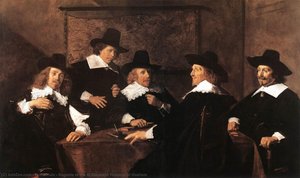
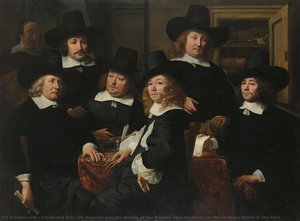
Ferdinand Bol's "Governors of the Wine Merchant’s Guild," painted circa 1648, is more than just a depiction of seven men seated around a table; it’s a meticulously crafted window into the heart of 17th-century Amsterdam and the intricate world of merchant guilds. This monumental oil painting, measuring an impressive 193 x 305 cm, immediately commands attention with its dramatic lighting, symmetrical composition, and the profound seriousness etched on the faces of its subjects. Bol, a student of Rembrandt’s, masterfully employs the painterly techniques learned from his mentor, creating a scene brimming with both realism and an almost theatrical intensity.
The painting centers around these figures – men dressed in the somber black robes and hats characteristic of religious or scholarly groups – who were undoubtedly influential members of Amsterdam’s Wine Merchant’s Guild. Their attire speaks volumes about their status, signifying piety, authority, and a commitment to upholding the guild's regulations. The table before them is laden with books, papers, and partially consumed goblets, suggesting an atmosphere of intellectual pursuit alongside the practicalities of trade. Bol doesn’t simply portray these men; he captures a moment of deliberation, a quiet contemplation amidst the weighty responsibilities of leadership.
The Rembrandt Influence: Light, Shadow, and Texture
Bol's artistic lineage is undeniably rooted in Rembrandt’s style, yet “Governors of the Wine Merchant’s Guild” possesses a distinct character that transcends mere imitation. Like Rembrandt, Bol was a master of light and shadow, utilizing chiaroscuro – the dramatic contrast between light and dark – to sculpt the figures and imbue the scene with depth and emotion. The unseen source of illumination casts long, powerful shadows across their faces and clothing, emphasizing textures and creating a sense of volume that is remarkably tactile.
Furthermore, Bol’s meticulous attention to detail is evident in the rendering of fabrics – the rich folds of the robes, the sheen of the hats, the texture of the leather belts. He employs layering techniques, building up color gradually to achieve an astonishing level of realism. This painstaking approach, combined with his understanding of anatomy and perspective, results in a portrait that feels both historically accurate and emotionally resonant.
Symbolism and Context: A Window into Dutch Society
Beyond the immediate depiction of the guild members, “Governors of the Wine Merchant’s Guild” offers a glimpse into the social and economic fabric of 17th-century Amsterdam. The guild system was a cornerstone of the city's prosperity, regulating trade, ensuring quality control, and providing mutual support to its members. These men weren’t simply merchants; they were guardians of tradition, upholders of order, and representatives of a powerful civic institution.
The painting’s creation coincided with a period of significant economic growth in the Dutch Republic – a time of burgeoning trade, scientific discovery, and artistic innovation. The guild system played a crucial role in fostering this prosperity, channeling resources and expertise towards collective goals. Bol's portrait serves as a visual testament to the importance of these institutions in shaping the cultural and economic landscape of Amsterdam.
A Timeless Masterpiece: Reproduction and Legacy
Ferdinand Bol’s “Governors of the Wine Merchant’s Guild” is a rare and valuable work, offering a captivating window into a pivotal moment in Dutch history. Today, ArtsDot offers high-quality reproductions that faithfully capture the painting's original beauty and detail. These meticulously crafted prints allow art lovers to experience Bol’s masterful technique and evocative storytelling within their own homes or offices.
Whether you are an avid collector, a design enthusiast seeking inspiration, or simply someone who appreciates exceptional artistry, “Governors of the Wine Merchant’s Guild” remains a timeless masterpiece – a testament to the power of portraiture to capture not only likeness but also character, status, and the spirit of an era.
Похожие произведения
Биография художника
A Forgotten Master of the Dutch Golden Age
Ferdinand Bol, a name perhaps less familiar than those of his illustrious contemporaries Rembrandt van Rijn and Johannes Vermeer, nevertheless occupies a significant, if often overlooked, position within the pantheon of 17th-century Dutch Masters. Born in Dordrecht in 1616, Bol’s artistic journey was deeply intertwined with that of Rembrandt, serving as a pupil in the master's Amsterdam studio during a formative period. This apprenticeship profoundly shaped his style, initially leading to works so convincingly reminiscent of Rembrandt that attribution could prove challenging even for seasoned experts. However, to simply categorize Bol as a mere imitator would be a disservice to his own unique artistic voice and considerable talent. His early life laid the groundwork for a career marked by both technical brilliance and an evolving stylistic independence. While details regarding his initial training remain somewhat scarce – possibilities include tutelage under Jacob Cuyp in Dordrecht or Abraham Bloemaert in Utrecht – it was undoubtedly his time with Rembrandt that proved pivotal, immersing him in the dramatic lighting, psychological depth, and masterful brushwork characteristic of the Baroque period.From Rembrandt’s Shadow to Independent Vision
Bol's artistic development can be traced through a fascinating trajectory—one beginning with faithful emulation and gradually blossoming into a distinctive personal style. In his early works, the influence of Rembrandt is undeniable; compositions often echo those of his teacher, employing similar chiaroscuro effects and a penchant for portraying figures in moments of intense emotional or psychological drama. However, as Bol matured, he began to refine his technique, moving towards a greater emphasis on clarity, elegance, and refined detail. His palette lightened, and his figures acquired a more polished, aristocratic bearing. This shift is particularly evident in his portraits, which became increasingly sought after by Amsterdam’s wealthy elite. He quickly rose through the ranks of Amsterdam's artistic community, becoming a burgher in 1652 and marrying into a family with connections to both the Admiralty and the wine merchants’ guild – affiliations that undoubtedly contributed to securing prestigious commissions. Notably, he received orders for chimney pieces for the new Amsterdam Town Hall, designed by Jacob van Campen, a testament to his growing reputation and artistic standing. He even took on pupils of his own, most notably Godfrey Kneller, who would later achieve fame as an English portrait painter.Historical Narratives and Portraiture: A Diverse Oeuvre
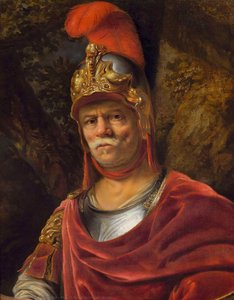
Bol’s oeuvre is remarkably diverse, encompassing historical subjects, portraits, *tronies* (character studies), and even some landscape elements. He demonstrated a particular aptitude for large-scale historical paintings, imbuing them with a sense of grandeur and dramatic tension. The Peace Negotiations between Claudius Civilis and Quintus Petillius Cerealis on the Demolished Bridge, now housed in a museum collection, stands as a prime example of his skill in depicting complex narratives with compelling visual impact. The painting showcases not only his mastery of composition and perspective but also his ability to convey the weight of historical events through expressive gestures and carefully rendered details. He skillfully captured the solemnity of the occasion, utilizing dramatic lighting to heighten the emotional intensity of the scene—a technique directly inherited from Rembrandt’s groundbreaking approach to illumination. However, it was perhaps in the realm of portraiture that Bol truly excelled. He possessed an uncanny ability to capture the likenesses of his sitters while simultaneously revealing their inner character and social status. His portraits are characterized by a refined elegance and psychological insight, offering glimpses into the lives and personalities of Amsterdam’s prominent citizens. Works like Man in Golden Helmet (Mars), now residing in Warsaw's National Museum, exemplify this talent, presenting a figure imbued with both authority and vulnerability—a masterful portrayal that transcends mere representation to convey profound emotional resonance.Notable Achievements and Artistic Legacy
Bol’s artistic legacy extends beyond his individual paintings; he played an instrumental role in shaping the visual culture of Amsterdam during its Golden Age. His commissions for public buildings, including the Town Hall and several churches, solidified his position as one of the era's leading artists and contributed to establishing a distinctive aesthetic sensibility within the city’s architectural landscape. Furthermore, Bol’s influence can be discerned in the works of subsequent generations of painters—particularly those who embraced Rembrandt’s stylistic principles. His meticulous attention to detail, combined with his innovative use of light and color, served as inspiration for artists striving to achieve comparable levels of artistic sophistication. Despite facing challenges during his lifetime – including periods of financial hardship and occasional disputes with patrons – Bol persevered in his pursuit of excellence, leaving behind a body of work that continues to captivate audiences today. His paintings are treasured for their beauty, their psychological depth, and their enduring relevance as representations of the human condition—a testament to his artistic genius and a lasting contribution to the history of art. ## Rediscovery and Recognition in the 20th Century Bol’s reputation had waned considerably after his death in 1680, largely due to misattribution – many works initially attributed to Rembrandt were subsequently proven to be Bol's creations. It wasn’t until the 20th century that concerted efforts began to re-evaluate his oeuvre and establish him as a significant artist in his own right. Scholarly research utilizing advanced techniques of pigment analysis and X-ray radiography dramatically altered our understanding of Bol’s artistic practice, revealing previously unrecognized stylistic nuances and demonstrating a level of technical virtuosity that surpassed conventional assessments. Today, Ferdinand Bol is recognized as a pivotal figure within the Dutch Baroque tradition—a master whose work embodies the spirit of his time while simultaneously anticipating developments in subsequent artistic movements. Museums across Europe and North America now showcase his paintings with increasing frequency, ensuring that this once-forgotten artist will continue to be rediscovered and appreciated by generations to come.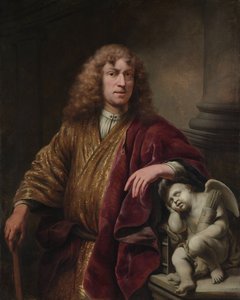
Фердинанд Боль
1616 - 1680 , Нидерланды
Основные сведения
- Artistic Movement Or Style: Барокко живопись
- Artists Or Movements Influenced By This Artist: ['Эжен Делакруа']
- Artists Who Influenced This Artist: ['Рембрандт ван Рейн']
- Date Of Birth: 24 июня 1616 г.
- Date Of Death: 24 августа 1680 г.
- Full Name: Ferdinand Bol
- Nationality: Нидерландский
- Notable Artworks:
- Мирные переговоры между Клавдием Цивилисом и Квинтом Петтиллием Сереналием...
- Пирх использует...
- Человек в золотой каске
- Place Of Birth: Дордрехт, Нидерланды
Похожие статьи

Golden Age Reflections: Dutch Baroque Painting & Cultural Innovation
Explore the Dutch Golden Age of painting! Discover key artists like Vermeer & ter Borch, their innovative techniques, and the rich cultural context behind these Baroque masterpieces. Learn about collecting & appreciating this iconic art period.

Золотой век Голландии: 10 шедевров, изменивших искусство | ArtsDot.com
Погрузитесь в эпоху Золотого века Нидерландов! 10 шедевров Рембрандта, Вермеера и других мастеров. Узнайте истории создания культовых картин и вдохновитесь для интерьера. Репродукции музейного качества на ArtsDot.com.
Ferdinand Bol (1616-1680): A Dutch Master of Portraiture & Dramatic Light
Explore the captivating world of Ferdinand Bol (1616-1680), a master Dutch portraitist deeply influenced by Rembrandt. Discover his life, style, and enduring legacy with ArtsDot.
Golden Light & Dutch Skies: Bringing the Magic of Dutch Golden Age Landscapes into Your Home
Transform your home with the breathtaking light of Dutch Golden Age landscapes. Discover how hand-painted oil reproductions of masterworks like Ruisdael and Vermeer bring timeless elegance, atmosphere, and soulful texture to modern interiors. Elevate your space with museum-quality art.

Illuminating Innovation: Exploring the Dutch Golden Age of Painting
Explore the Dutch Golden Age of painting with ArtsDot. Discover Rembrandt, Vermeer & other Masters. Learn about key characteristics, iconic artworks, and lasting influence. Expert insights for collectors & enthusiasts.