


 Предпросмотр
 Поделиться
 Поделиться
 Детали произведения

 Скачать
 Похожие работы
 Рентгенография
 Слайд-шоу
 Статистика
Композиция с фруктовой корзиной
 Акрил на холсте
- Настенный декор
- Baroque Style
 73.0 x 54.0 cm
 Музей Оскара Нимейера
 Читать далее
Приобретите цифровое изображение высокого разрешения в улучшенном качестве, которое значительно превосходит онлайн-превью.
Каждый файл тщательно подготавливается нашими специалистами с использованием передовых инструментов и экспертной ручной ретуши. Мы гарантируем исключительную четкость, точную цветопередачу и детальную проработку каждого изображения.
Финальный файл доставляется по электронной почте в течение 72 часов и оптимизирован для немедленного использования в профессиональной среде, при верстке и печати. Это тот же уровень качества, которому доверяют ведущие дизайнерские студии, издательства и галереи.
Цифровое изображение
Скачайте файл высокого разрешения для личного использования, печати и творческих проектов. ( Перейти к печати Купить картину ручной работы)
Включено в каждый заказ цифровых изображений
Гарантия экспертной цифровой доставки
Выбирая ArtsDot.com, вы получаете не просто изображение — вы приобретаете профессионально обработанное цифровое произведение искусства, созданное с безупречной точностью и под защитой гарантии качества. Вот всё, что автоматически входит в ваш заказ:

Мгновенная доставка по e-mail
Ваш цифровой файл в высоком разрешении будет отправлен вам по электронной почте в течение 72 часов после оформления заказа — и сразу станет доступен для использования.

Цифровой файл с ИИ-улучшением
Ваше произведение искусства проходит профессиональную оптимизацию с использованием передовых инструментов ИИ и ручной обработки, что гарантирует максимальную детализацию, четкость и точность цветопередачи.

Бессрочная бесплатная повторная доставка
Случайно удалили или потеряли файл? Не беспокойтесь — мы отправим его вам повторно в любое время и совершенно бесплатно.

Без импортных пошлин — навсегда
Наслаждайтесь вашим произведением искусства мгновенно без таможенных пошлин, сборов или затрат на доставку — цифровые загрузки всегда не облагаются налогом.

Гарантия точности цветопередачи
Мы гарантируем, что ваше цифровое изображение максимально точно передает оригинальные цвета благодаря использованию профессиональных инструментов и систем управления цветом.

Гарантия удовлетворенности 100 дней
Если вы не будете удовлетворены своим цифровым изображением, мы внесем правки или вернем 100% стоимости в течение 100 дней — без лишних вопросов.

100% Гарантия возврата средств
Не удовлетворены покупкой? Получите полный возврат средств в течение 100 дней после получения цифрового файла — без лишних вопросов.

Скидки на оптовые заказы
Купите 3 изображения, сэкономьте 10% — Купите 5, сэкономьте 15% — Купите 10+, сэкономьте 20%. Отличное решение для творческих проектов, галерей и агентств.
Композиция с фруктами и корзиной
Фруктовая композиция работы Фернандо Веллосо де Барроса представляет собой яркое изображение фруктов в корзине, что является одним из ключевых элементов стиля художника. Эта картина воплощает эстетику абстрактного искусства начала XX века, вдохновленную творчеством Василия Кандинского и его стремлением к выражению эмоций через цвет и форму. Веллосо де Баррос был последователем Кандинского в своем подходе к живописи и использовал методы импрессионизма и экспрессионизма для передачи энергии и красоты природы.- Стиль: Абстрактный экспрессионизм
- Техника: Масло на холсте
- Размер: 73 см x 54 см
- Дата создания: Неизвестна
Похожие произведения
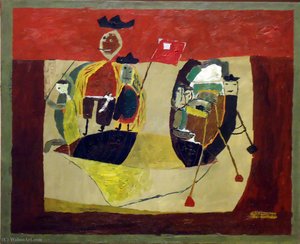
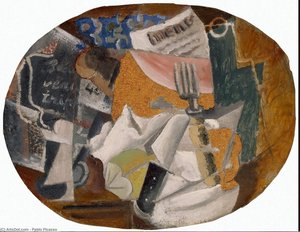
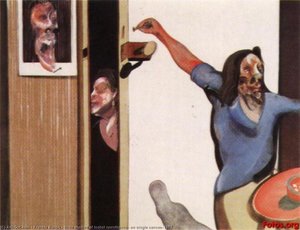
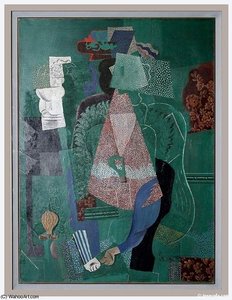

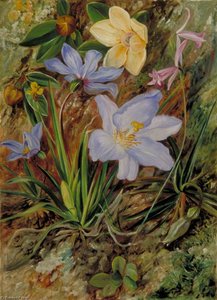
Биография художника
Wassily Kandinsky: Pioneer of Abstraction
Born in Moscow in December 1866, Wassily Kandinsky’s life and artistic journey represent a pivotal moment in the history of art – the birth of abstraction. Initially trained as a lawyer and economist, Kandinsky's true calling emerged through his fascination with color and music, experiences that would profoundly shape his revolutionary approach to painting. His early years were marked by a deep immersion in Russian culture, including folklore and religious iconography, which subtly informed his later explorations of symbolism and spirituality within his art. He began formally studying art at the Moscow School of Painting, Sculpture, and Architecture in 1887, but found the traditional academic training stifling. Seeking broader artistic horizons, he traveled extensively throughout Europe, absorbing influences from Impressionism, Post-Impressionism, and early modern movements – a crucial period that laid the groundwork for his groundbreaking work.
Early Influences and Artistic Development
Kandinsky’s artistic development wasn't a sudden leap but a gradual evolution. His initial works reflected a traditional academic style, yet he was already experimenting with color and form. A pivotal experience occurred in 1896 when he visited Paris and encountered the work of Vincent van Gogh and Paul Gauguin – artists who were pushing boundaries through expressive use of color and brushwork. This encounter ignited within him a desire to move beyond representational art and explore the purely emotive power of color and shape. He continued his studies in Munich, enrolling at the Academy of Fine Arts but quickly recognizing its limitations. It was here that he encountered Gabriele Münter, who would become his lifelong companion and collaborator, and together they formed an artistic circle known as ‘The Blue Rider’ (Der Blaue Reiter), a group dedicated to exploring spiritual themes through art. The Blue Rider movement embraced synesthesia – the phenomenon where stimulation of one sense triggers experiences in another – influencing Kandinsky's belief that color could evoke specific emotions and sensations, much like music.
The Birth of Abstract Art
Kandinsky is widely considered to be one of the first artists to create truly abstract paintings. His early abstractions, such as “Composition VII” (1913) and “Improvisation 28” (1912), were not simply simplified depictions of objects but rather explorations of pure form and color relationships. He believed that art should be a means of expressing inner spiritual realities, moving beyond the limitations of depicting external appearances. His approach was deeply influenced by music; he famously wrote about how he envisioned painting as “the equivalent of music.” Kandinsky’s use of geometric shapes – circles, squares, triangles – and vibrant colors wasn't arbitrary but carefully considered to create specific emotional effects. He sought to convey a sense of movement, rhythm, and harmony through his compositions, aiming to evoke feelings rather than simply represent objects.
Key Works and Theoretical Writings
Throughout his career, Kandinsky produced a vast body of work encompassing paintings, drawings, book illustrations, and stage designs. His most significant works include “Composition VIII” (1923), which is considered one of the quintessential examples of abstract art; "Concerning the Spiritual in Art" (1911), a seminal theoretical treatise where he outlined his philosophy of abstraction and its connection to spirituality; and numerous paintings exploring color theory, synesthesia, and the relationship between art and music. “Concerning the Spiritual in Art” is particularly important as it articulated Kandinsky’s belief that art could be a powerful tool for spiritual awakening, arguing that abstract forms could bypass rational thought and directly connect with the viewer's subconscious.
Legacy and Historical Significance
Wassily Kandinsky’s influence on 20th-century art is immeasurable. He paved the way for countless artists to explore abstraction, shaping the development of movements such as Cubism, Surrealism, and Abstract Expressionism. His emphasis on color theory, synesthesia, and the spiritual dimension of art continues to resonate with contemporary artists and viewers alike. His work remains a powerful testament to the transformative potential of art – its ability to transcend representation and communicate directly with the human soul. Kandinsky’s legacy extends beyond the realm of painting; his ideas have influenced fields such as architecture, design, and even music, demonstrating the profound impact of his artistic vision on the broader cultural landscape. He died in Neuilly-sur-Seine in 1944, leaving behind a rich and complex body of work that continues to inspire and challenge viewers today.
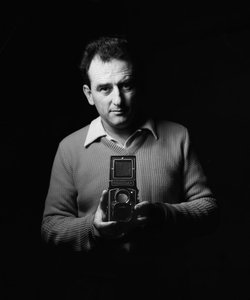
fernando velloso de barros
1908 - 1996