

 Предпросмотр
 Поделиться
 Поделиться
 Детали произведения

 Скачать
 Похожие работы
 Рентгенография
 Слайд-шоу
 Статистика
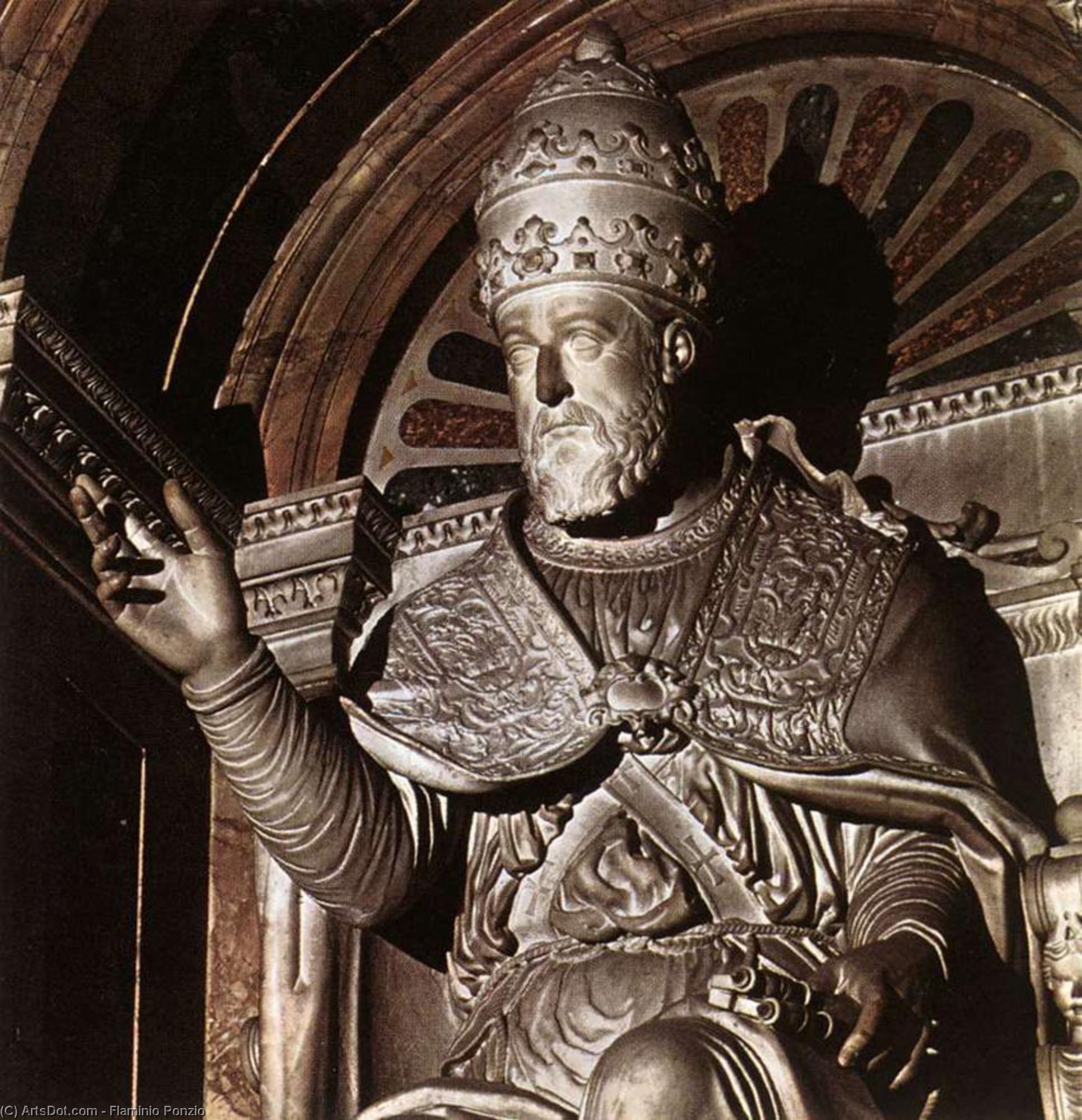
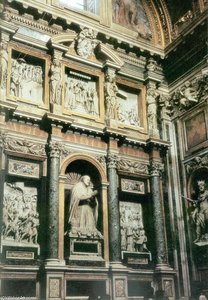
Tomb of Clement VIII

 Читать далее
Жикле / Арт-принт
Печать (жикле) или холст музейного качества с быстрыми сроками изготовления и широким выбором вариантов отделки. ( Купить картину ручной работы Перейти к цифровым изображениям)




































Выберите один из наших стандартных размеров, соответствующих оригинальным пропорциям произведения искусства.

Вы можете указать свои собственные размеры, чтобы репродукция идеально подошла под конкретную раму или пространство. Если выбранный вами размер не будет соответствовать пропорциям оригинала, мы либо обрежем произведение, либо дополним изображение зеркальным отражением краев или однотонной заливкой. Перед началом производства вам будет отправлен цифровой макет для утверждения.
Пожалуйста, обратите внимание, что предварительный просмотр на экране не отображает фактическую обрезку или расширение изображения. Только макет точно покажет финальную композицию.
Несмотря на возможность заказа индивидуальных размеров, мы рекомендуем выбирать размер из предопределенного списка, чтобы сохранить оригинальные пропорции.
Доставка по всему миру () за 2 недели вместо стандартных 4/5 недель. (12 Сентябрь)

Бесплатная экспресс-доставка по всему миру

Высококачественный льняной холст

Полное страхование доставки

Гарантия возмещения таможенных пошлин

Гарантия точного соответствия цветов

100-дневная политика возврата (только при обнаружении дефектов)

Гарантия возврата 100% средств

Предложение оптовых скидок
 Вариант со стеклом доступен только для размеров менее 110 см

Tomb of Clement VIII
Жикле / Арт-принт
Размер репродукции
-


Итоговая стоимость
$ 62
Похожие произведения







Биография художника
The Architect of Papal Grandeur
In the twilight of the Renaissance, as the rigid harmonies of the High Renaissance began to dissolve into the dramatic, tension-filled elegance of Mannerism, Flaminio Ponzio emerged as a master of stone and space. Born in 1560 in the quiet town of Viggi.ù near Varese, Italy, Ponzio’s journey was one of movement and monumental ambition. His early years were shaped by the rigorous training he received in Milan, but it was the magnetic pull of Rome that would ultimately define his legacy. Upon arriving in the Eternal City, he found himself immersed in a landscape of rebuilding and reinvention, working briefly alongside the legendary Domenico Fontana. This period of apprenticeship allowed him to absorb the structural complexities and the burgeoning theatricality of Roman architecture, preparing him for a career that would serve the highest echelons of the Catholic Church.
Ponzio’s ascent was inextricably linked to the powerful patronage of Pope Paul V. As the architect entrusted with the physical manifestation of papal prestige, Ponzio did not merely build structures; he sculpted the very identity of Rome. His work during this era was characterized by a profound ability to blend classical stability with the innovative, often restless energy of the Mannerist style. He understood that architecture in the service of the Papacy had to be both authoritative and awe-inspiring, utilizing scale and ornamentation to evoke a sense of divine permanence. This period saw him masterfully navigating the delicate balance between the heavy, grounded traditions of the past and the soaring, illusionistic possibilities of the future.
Masterpieces of Stone and Spirit
The breadth of Ponzio’s architectural vocabulary is perhaps most vividly realized in his contributions to the great villas and religious monuments of Rome. One cannot contemplate his genius without reflecting on the Villa Borghese, a project commissioned by the formidable Cardinal Scipione Borghese. In this sprawling estate, Ponzio demonstrated an unparalleled ability to harmonize architecture with the natural landscape. Through undulating terraces and monumental pavilions, he created a theatrical environment that served as both a private retreat and a public statement of wealth and cultural sophistication. His work on the gardens and grounds further showcased his skill in creating a seamless transition between the structured elegance of man-made design and the organic beauty of the Italian landscape.
Beyond the domestic splendor of villas, Ponzio’s hand is visible in some of Rome's most sacred spaces. His design for the Cappella Paolina (the Chapel of Paul V) within Santa Maria Maggiore stands as a testament to his ability to handle intimate, highly decorated religious environments. In these works, he utilized light, proportion, and intricate detail to guide the viewer’s gaze toward the divine. His architectural language was not limited to walls and domes; it extended to the very flow of the city itself, seen in projects like the Fountain of the Acqua Paola on the Janiculum Hill. This monumental fountain, with its grand scale and classical references, remains a cornerstone of the Roman skyline, embodying the triumph of papal engineering and aesthetic vision.
Legacy of the Mannerist Vision
The historical significance of Flaminio Ponzio lies in his role as a bridge between eras. While he operated within the stylistic framework of Mannerism, his work laid the structural and conceptual foundations for the more exuberant Baroque period that would follow. He mastered the art of illusionistic grandeur, using architectural elements to create a sense of movement and drama that captivated the senses. His ability to collaborate with other masters—and even to be supplanted by them—speaks to a professional life deeply embedded in the collaborative, often competitive, fabric of Roman artistic life.
Though his life was relatively short, ending in Rome in 1613, the imprint of his vision remains indelible. To walk through the streets of Rome is to encounter the echoes of Ponzio’s ambition. His works continue to serve as vital landmarks of a time when architecture was used as a powerful tool of political and spiritual communication. Through his meticulous attention to proportion, his command over monumental scale, and his profound understanding of the emotive power of space, Flaminio Ponzio ensured that the grandeur of the Papal era would be etched into the very stone of history.
flaminio ponzio
1560 - 1613 , Italy
Основные сведения
- Artistic Movement Or Style: Mannerist
- Artists Or Movements Influenced By This Artist: ['Renaissance Architecture']
- Artists Who Influenced This Artist: ['Andrea Palladio']
- Date Of Birth: 1560
- Date Of Death: 1613
- Full Name: Flaminio Ponzio
- Nationality: Italian
- Notable Artworks:
- Monument to Pope Paul V
- View of the Pauline Chapel
- Tomb of Clement VIII
- Place Of Birth: Varese, Italy